Dewatering: How It Works and Why It Is Important for Your Project in Colorado
TL;DR
- Dewatering is the controlled removal or management of water from an excavation, trench, pad, or work area so your project can proceed more safely and more efficiently. OSHA specifically requires precautions when water is accumulating in an excavation, including water removal when needed.
- You may need dewatering when groundwater, runoff, snowmelt, or trapped surface water starts softening the subgrade, filling trenches, slowing foundation work, or creating unstable jobsite conditions.
- Dewatering is important because wet excavation conditions can disrupt compaction, delay utility work, complicate access, and increase risk for workers and equipment.
- On a real project, dewatering often works best when it is planned alongside site preparation, home and building site work, drainage and landscape work, utility installation, septic installation, trucking and hauling, and subdivision or road prep.
- The right contractor does not just pump water and leave. They help you understand where the water is coming from, how it affects the site, and what needs to change so the problem does not keep coming back.
If you are planning construction in Colorado, Dewatering is one of those topics you may not think about until water starts slowing the job down. Once it shows up, though, it affects almost everything. It can soften your building pad, fill your utility trenches, disrupt compaction, and make equipment access harder than it needs to be. That is why dewatering should be treated as part of your broader site strategy, not as a last-minute fix after excavation is already underway. A well-prepared site usually starts with good planning, good drainage, and the right sequence of excavation work.
What Dewatering Means on a Real Jobsite
At a practical level, dewatering means getting water out of the way so you can keep building. That may sound simple, but the real issue is not just the water you can see. It is also the effect that water has on soil, trench stability, compaction, and productivity.
When water accumulates in an excavation, OSHA requires adequate precautions because water changes the hazard level of the work area. The standard specifically notes that precautions may include water removal to control the level of accumulating water.
“Employees shall not work in excavations in which there is accumulated water.”
That quote is short, but it gets to the point. If you are trying to build on wet ground, the issue is not only inconvenience. It is safety, quality, and control.
Why Dewatering Matters More Than Most Property Owners Expect
It protects your excavation quality
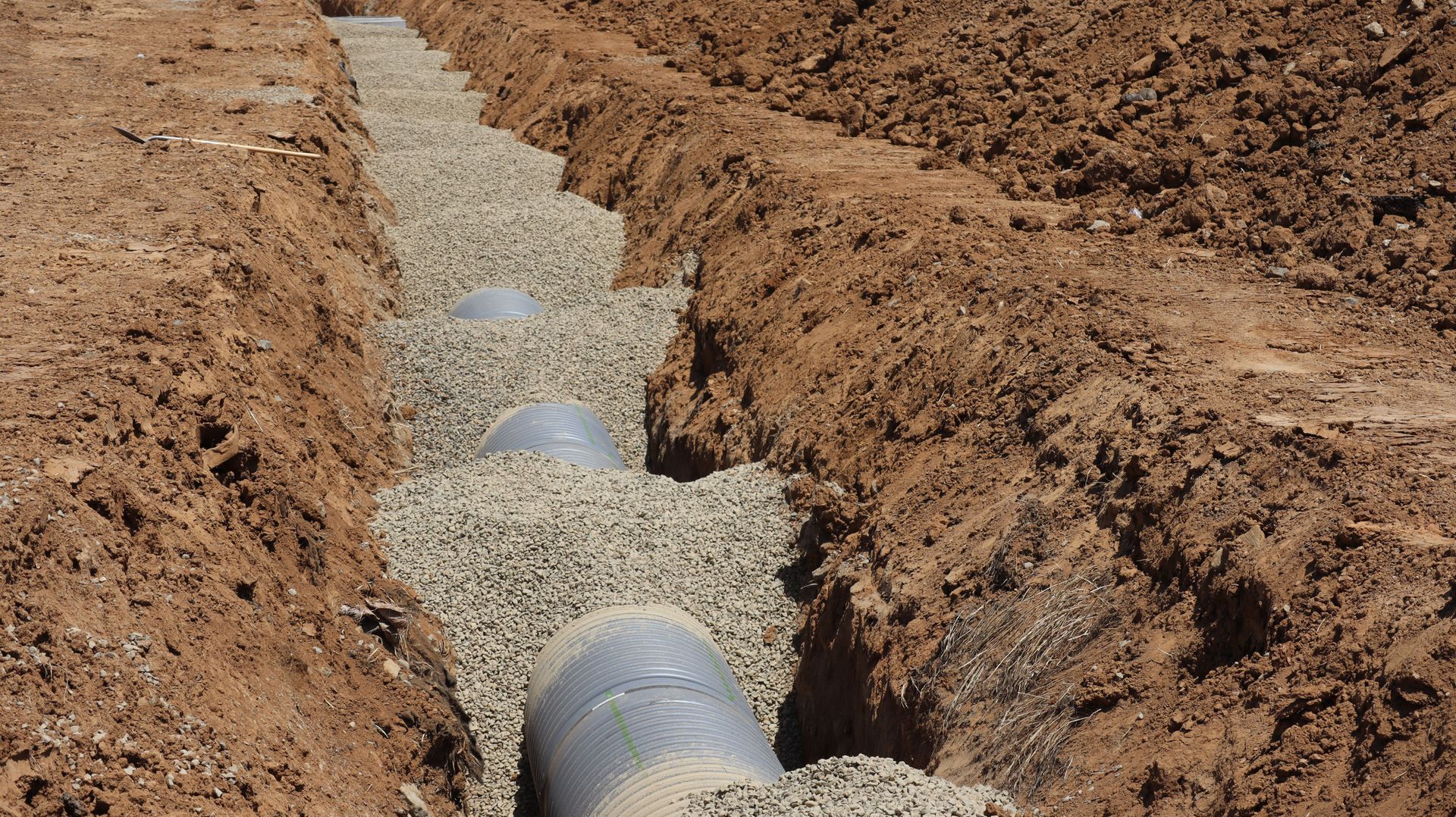
If you are excavating for a foundation, utility trench, septic line, or road base, you need stable ground. Wet soil is harder to shape, harder to compact, and harder to trust. If the bottom of a trench turns soft or muddy, you may need more cleanup, more material replacement, or more time before the next phase can even begin.
This matters whether you are working on a custom home, a commercial pad, or a rural access road. Able Excavation’s home and building sites page emphasizes precise grading, foundation excavation, driveway construction, drainage, and compaction because the ground you start with affects everything built on top of it.
It helps keep your project moving
A wet jobsite slows everyone down. Your excavation crew loses efficiency. Your utility contractor may not want to install into standing water. Your trucking access gets worse. Your schedule becomes harder to trust.
Able Excavation’s trucking and hauling page makes a good point here: a project is only as fast as its material supply chain. If the site is too wet for efficient hauling, spoil removal, aggregate delivery, or base placement, the rest of the job starts stacking up behind it.

It supports better long-term performance
Dewatering is not just about getting through this week. It helps you avoid building on conditions that can lead to settlement, soft subgrade, poor trench backfill, or drainage problems after the project is complete. Good water control during construction often leads to better performance after construction.
How Dewatering Works in the Field
Most dewatering starts with diagnosis. Before you can control the water, you need to understand where it is coming from.
Is it surface runoff from a storm? Is it groundwater seeping into a cut? Is it a low area on the site that keeps collecting water? Is a trench intercepting moisture that the site plan did not fully account for?
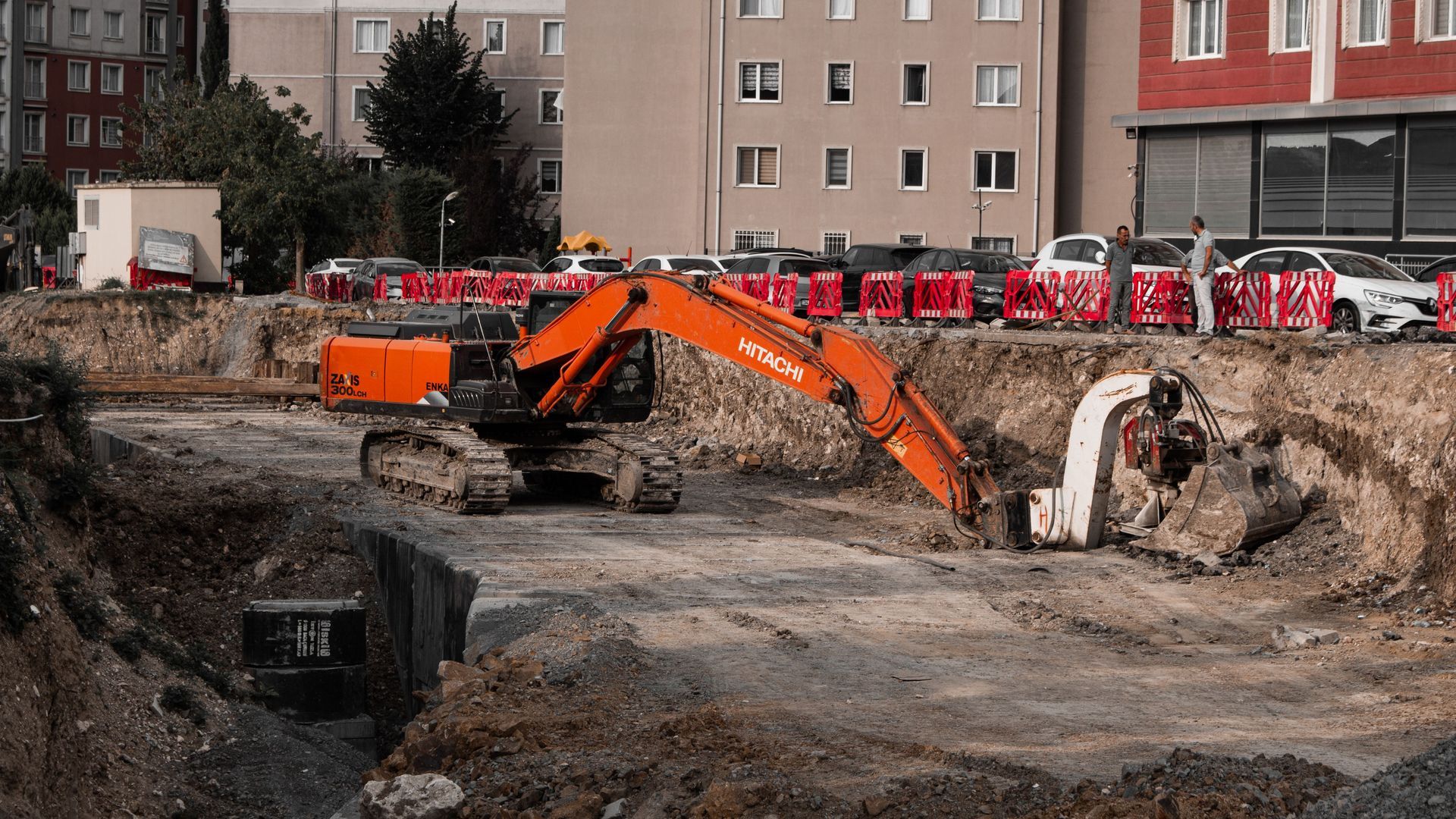
Once you understand the source, the job usually becomes more manageable. In practice, that often means directing water to low points, collecting it in temporary pits or sumps, pumping it away from the active work area, and adjusting grading so the site does not keep feeding the same problem. On some jobs, you also need to remove saturated material, bring in suitable fill, or change the work sequence so the ground can be stabilized before the next step.
OSHA’s excavation rule recognizes water removal as one of the precautions that may be necessary when water is accumulating in a work area.

That is where a full-scope excavation contractor becomes useful. Water rarely affects only one trade. It touches drainage, trenching, access, compaction, hauling, and schedule all at once.
An Able Excavation Example to Make It Practical
To make this easier to picture, imagine Able Excavation supporting a general contractor on an industrial development in Colorado Springs.
The site has a new building pad, multiple utility trenches, and a schedule that leaves very little room for delay. Early excavation goes well, but then a combination of recent moisture and subsurface seepage starts creating problems in the lower part of the pad. Utility trenches begin taking on water. The subgrade softens in places. Truck access becomes messy. The GC is now facing a simple question: do you keep pushing and risk poor results, or do you control the water and protect the job?
This is the kind of scenario where dewatering earns its keep. Instead of treating the water as a minor inconvenience, the crew identifies where it is collecting, creates controlled low points, pumps the work area down, and adjusts grading so the site does not simply refill. Hauling is coordinated so unsuitable wet material can be removed where necessary. Aggregate and fill can then be brought in where stabilization is needed.
The value is not just that the water is gone for the moment. The value is that the pad, trenches, and access routes become workable again. The project can move forward with more confidence and less rework.

Where Dewatering Fits Into the Rest of Your Project
Site preparation and building pads
If you are still early in the project, dewatering belongs inside your site preparation plan, not outside it. Able Excavation’s site prep content describes the process as surveying, clearing, grading for drainage, and excavating for foundations and utilities. If water is already a known issue, you want that fact addressed before the buildable surface is finalized.
Drainage and grading
Dewatering is often temporary. Long-term drainage is permanent. That is why water control and grading usually need to work together. Able’s drainage and landscape page stresses understanding how water moves and shaping terrain in a way that works with the land. That is exactly the mindset you want. If you only pump the water out but do not deal with the reason it keeps arriving, the problem usually returns.
Utility installation and repair
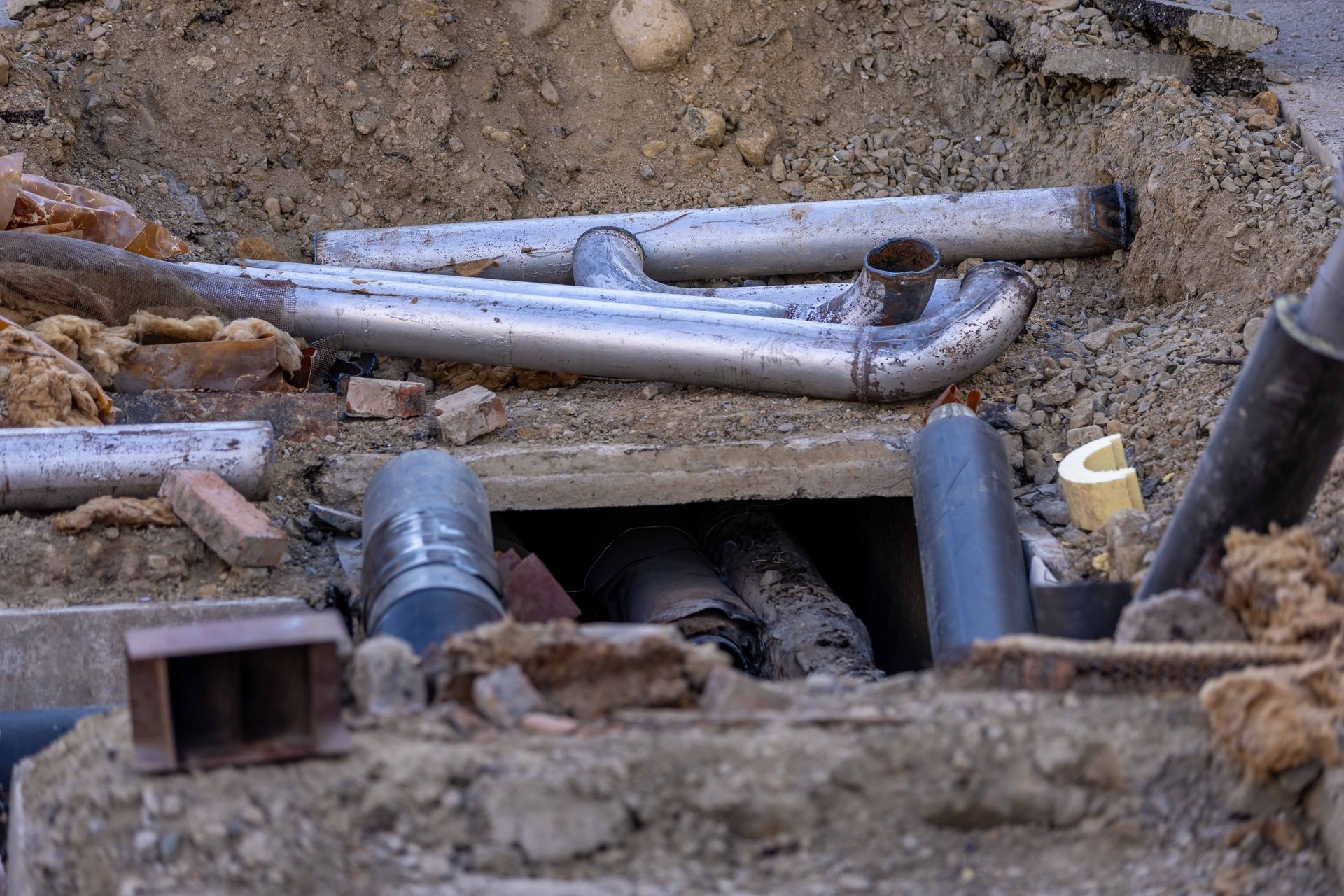
Wet trenches are a serious issue. Able’s utility installation and repair page highlights trenching and installing water, sewer, gas, and conduit correctly because underground infrastructure depends on precision. If the trench stays wet, alignment, bedding, backfill, and inspection all get harder.
Septic work
If your project includes a septic system, water control matters there too. Able Excavation presents itself as a nationally certified septic installer and notes that septic work is both critical and heavily regulated. Wet conditions can complicate excavation, layout, and compliance if they are not accounted for.
Roads, subdivisions, and development work
On larger jobs, dewatering can be one small piece of a much bigger infrastructure puzzle. Able’s subdivisions and roads page covers road base prep, utility mains, lot preparation, and stormwater infrastructure. If water is affecting a pad, trench, or road corridor, it is usually affecting more than one line item in the schedule.
What Usually Affects Cost
Your dewatering cost usually comes down to scope. More water, more time, harder access, and more site stabilization generally mean more work.
If the site only needs short-term pumping to keep one trench dry, that is a different situation than a larger pad that keeps taking on water day after day. If you also need hauling, imported material, grading adjustments, or drainage rework, the job gets broader.
That is why you should think about dewatering as part of overall site management rather than a single isolated service. On many Colorado projects, the most efficient solution is the one that ties pumping, grading, trenching, hauling, and drainage together under one plan.
When You Should Call Early
You should bring in an excavation contractor early if you notice recurring wet conditions in:
- foundation excavation areas
- utility trench routes
- low sections of a building pad
- road or driveway corridors
- septic installation zones
- subdivision or industrial infrastructure work
The earlier you address it, the more options you usually have. Once crews are already delayed and the ground is torn up, you are often paying to fix a problem under worse conditions.
Final Thoughts
If you are dealing with water on a Colorado project, dewatering is not just about pumps. It is about protecting safety, preserving subgrade quality, keeping your schedule realistic, and making sure the rest of the site can function the way it should.
Share this article