Site Clearance and Site Development: Commercial vs Residential Site Development
TL;DR
- Commercial site development and residential site development may both start with excavation, grading, and utility planning, but they do not follow the same code path or approval burden.
- Residential projects usually have a narrower review scope focused on the home, driveway, drainage, utilities, and in some cases septic.
- Commercial projects usually add broader requirements for accessibility, stormwater control, parking, circulation, fire access, and engineered site documentation. The ADA’s 2010 Standards apply to public accommodations and commercial facilities, and federal construction stormwater permit coverage is generally triggered when a site disturbs 1 acre or more, or is part of a larger common plan of development.
- In Colorado, your exact code requirements depend on the city, county, and utility authorities involved, so the same type of earthwork can move through very different review processes depending on where and what you are building. This is an inference based on the local nature of permitting, federal stormwater rules, and accessibility rules.
- If you understand those differences early, you are more likely to control cost, avoid redesign, and sequence excavation, drainage, utility trenching, hauling, and road prep the right way.
If you are comparing commercial site development to residential site development in Colorado, the most important thing to understand is that the dirt work may look similar at first, but the rules around that dirt work often are not. You may still need site preparation, grading and homesite work, utility installation and repair, drainage work, hauling, and road prep or subdivision work in either case. The difference is that commercial projects usually carry more code-driven requirements, more agency review, and more coordination between the site and the public realm.
“Construction activity includes earth-disturbing activities such as clearing, grading, and excavating land.” U.S. EPA.

That quote matters because it gets to the core issue. The project does not really begin when the building goes vertical. It begins when the site is disturbed, and that is exactly where the gap between commercial and residential development starts to widen.
Why the Difference Matters Before You Ever Break Ground
If you are a homeowner, landowner, builder, ranch owner, property manager, or developer, you can save a lot of time and money by understanding which path you are actually on before the excavator arrives.
A residential project is often centered on one primary use. You are usually preparing land for a house, driveway, shop, barn, or a smaller supporting structure. That means the site work is often focused on access, pad prep, utility runs, drainage, and sometimes septic installation.
A commercial project usually has a broader public or operational footprint. Even when the building itself is not huge, the site may also need parking, compliant pedestrian access, service circulation, delivery access, drainage infrastructure, and stronger coordination with public utilities and local review agencies. ADA standards apply to newly designed and altered public accommodations and commercial facilities, including parking, accessible routes, and site access.

The Code Difference in Practical Terms

Residential site development usually follows a narrower code path
On a residential project, your site work usually has to satisfy local zoning, setbacks, driveway access, utility routing, drainage, and any applicable on-site wastewater rules. That can still be complicated, especially on sloped sites or rural parcels, but the code path is often more direct.
In practical terms, you are less likely to be dealing with public accessibility layout, larger parking fields, employee or customer circulation, or formal off-site improvement requirements. Your grading plan still matters, but it is usually focused on protecting the house, the driveway, and the usable yard or outbuilding areas.
Commercial site development usually adds more code layers
Commercial work usually brings more than one review track into play. In addition to local zoning and building review, commercial projects often have to satisfy accessibility standards, stormwater obligations, more formal site circulation requirements, and sometimes fire access or public improvement standards.
The ADA’s 2010 Standards are especially important here because they apply to public accommodations and commercial facilities. They cover accessible routes, parking spaces, access aisles, curb ramps, and other site elements that directly affect excavation and grading.
Stormwater is another major difference. EPA construction stormwater rules generally require permit coverage for sites that disturb 1 acre or more, or are part of a larger common plan of development that reaches that threshold. That matters because commercial pads, parking lots, road sections, and multi-building projects are much more likely to trip that requirement than a single smaller residential homesite.
The Main Differences on the Ground
Site clearance and access planning
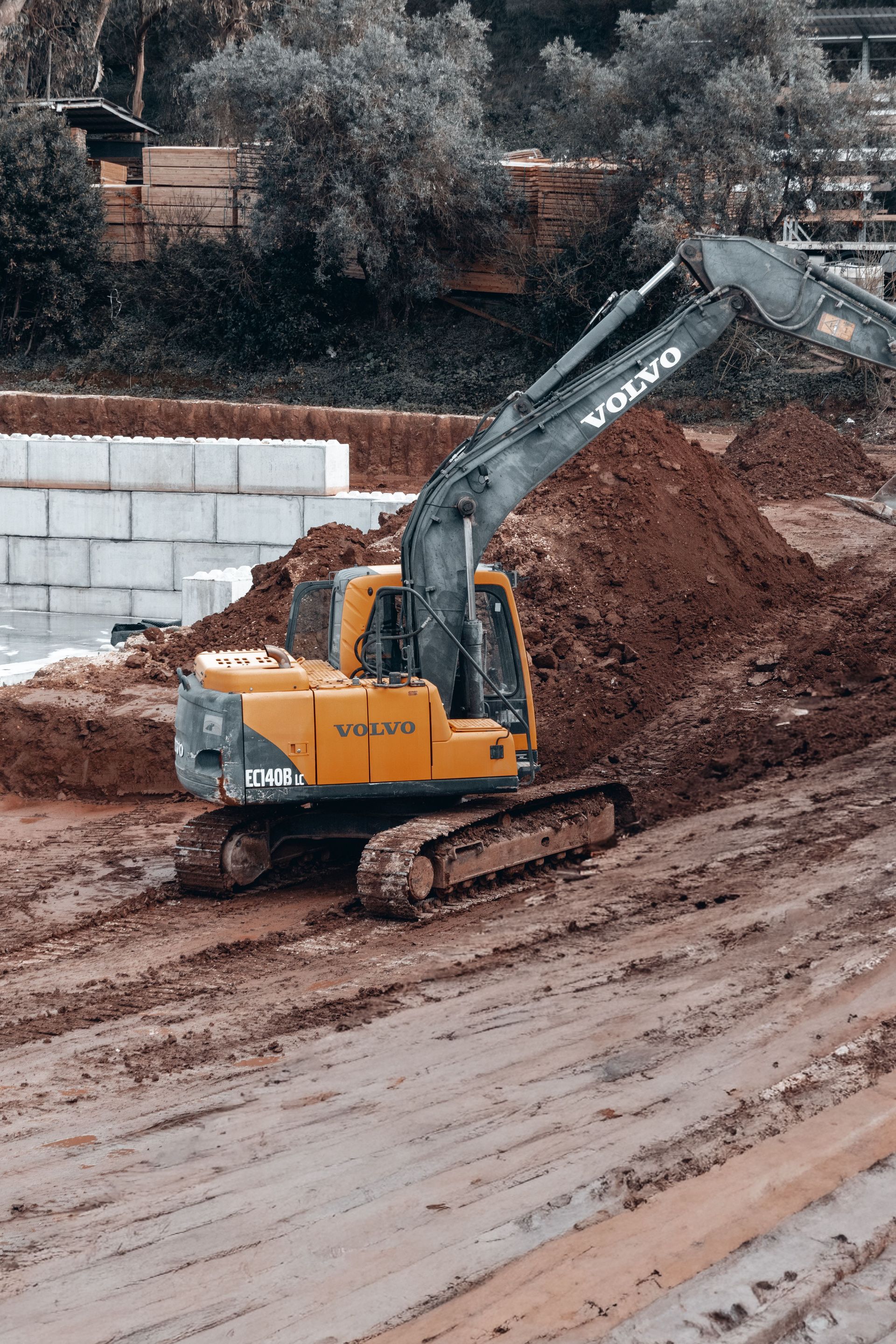
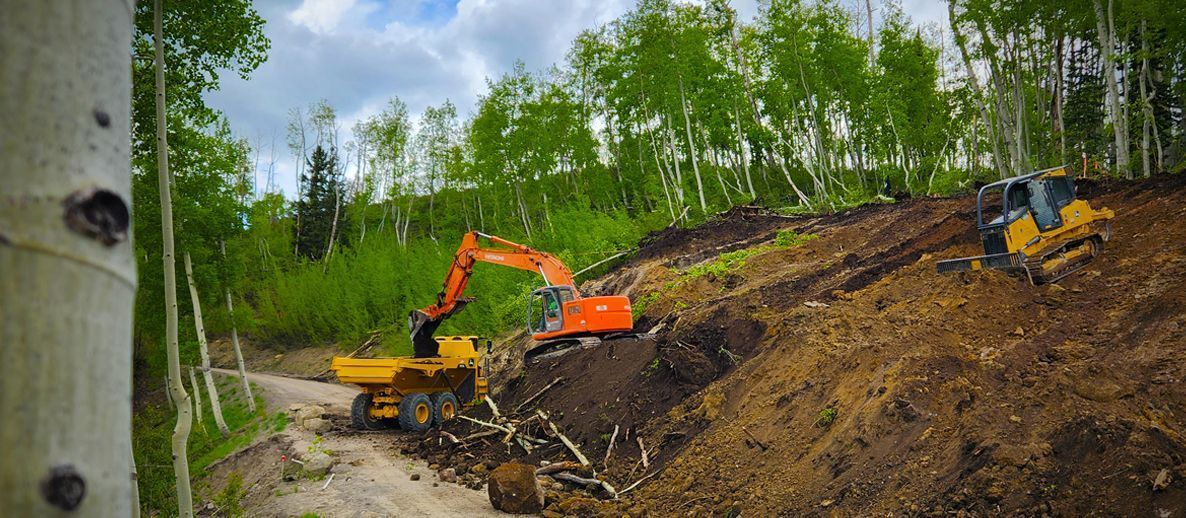
Residential site clearance is often about opening the homesite, driveway corridor, utility path, and septic or sewer alignment. Commercial site clearance is usually broader. You may be clearing for the pad, parking, sidewalks, service access, stormwater features, and future expansion all at once.
That changes how you think about the site. You are not just asking where the building goes. You are asking how the entire property needs to function after the project is done.
Grading and drainage
Both residential and commercial work depend on grading and drainage, but commercial drainage is often more demanding. On a house site, your main concern may be keeping water away from the foundation, driveway, and yard. On a commercial site, you may also need to account for large paved areas, concentrated runoff, pedestrian circulation, and regulated erosion control during construction.
That is why a site contractor with real drainage and landscape experience can make such a difference. Water management is not just a finish issue. It is a site-development issue from the beginning.
Utility trenching
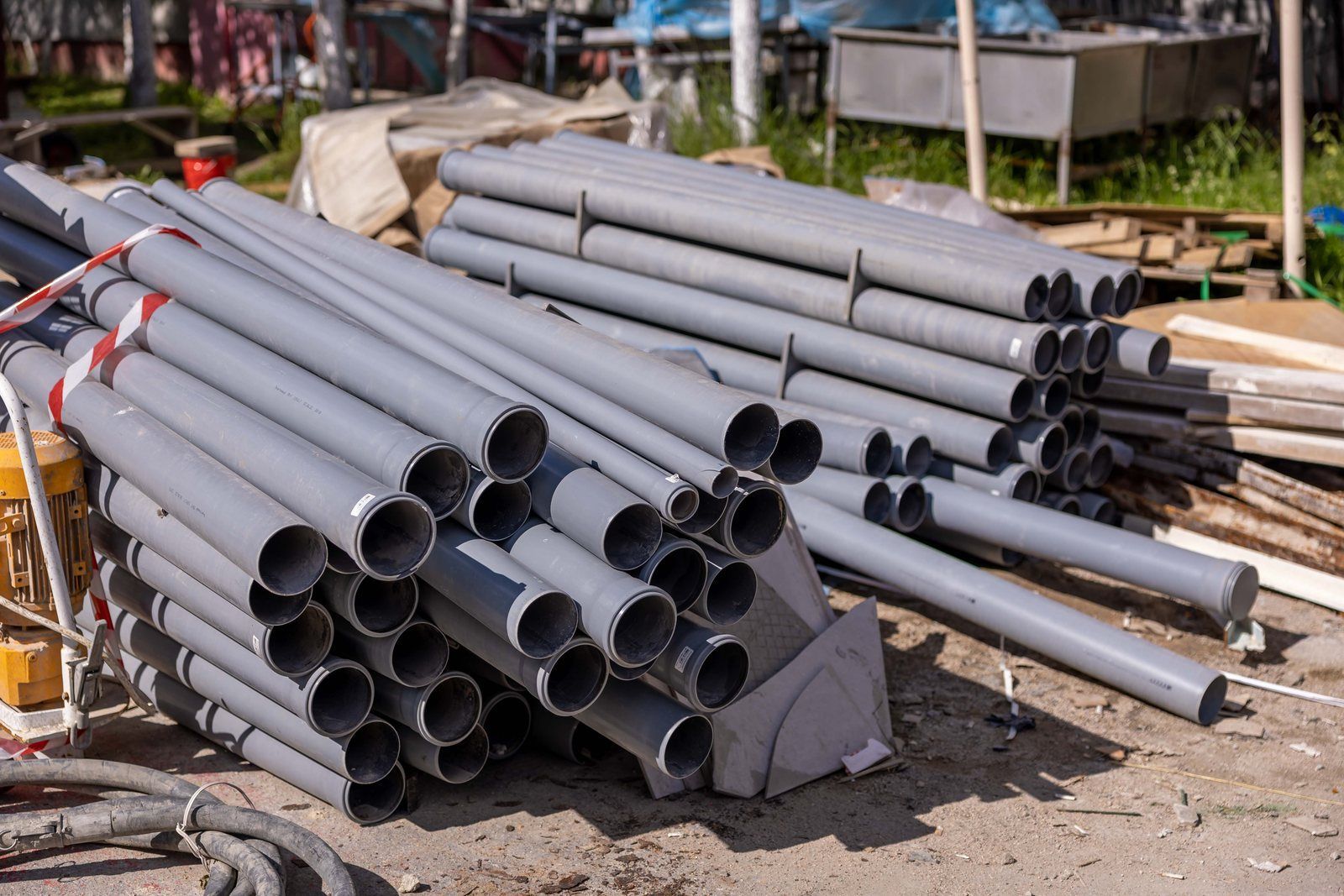
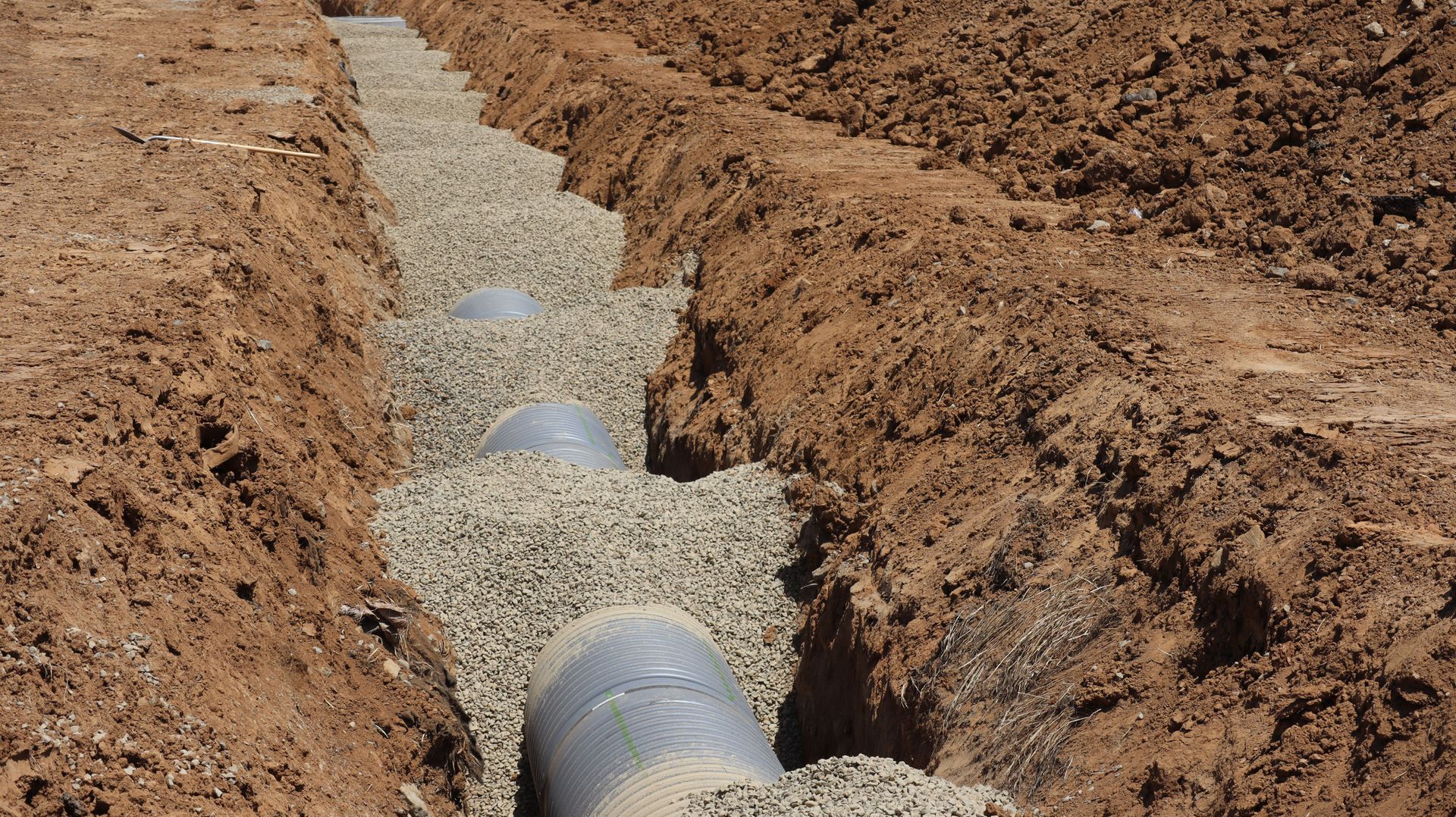
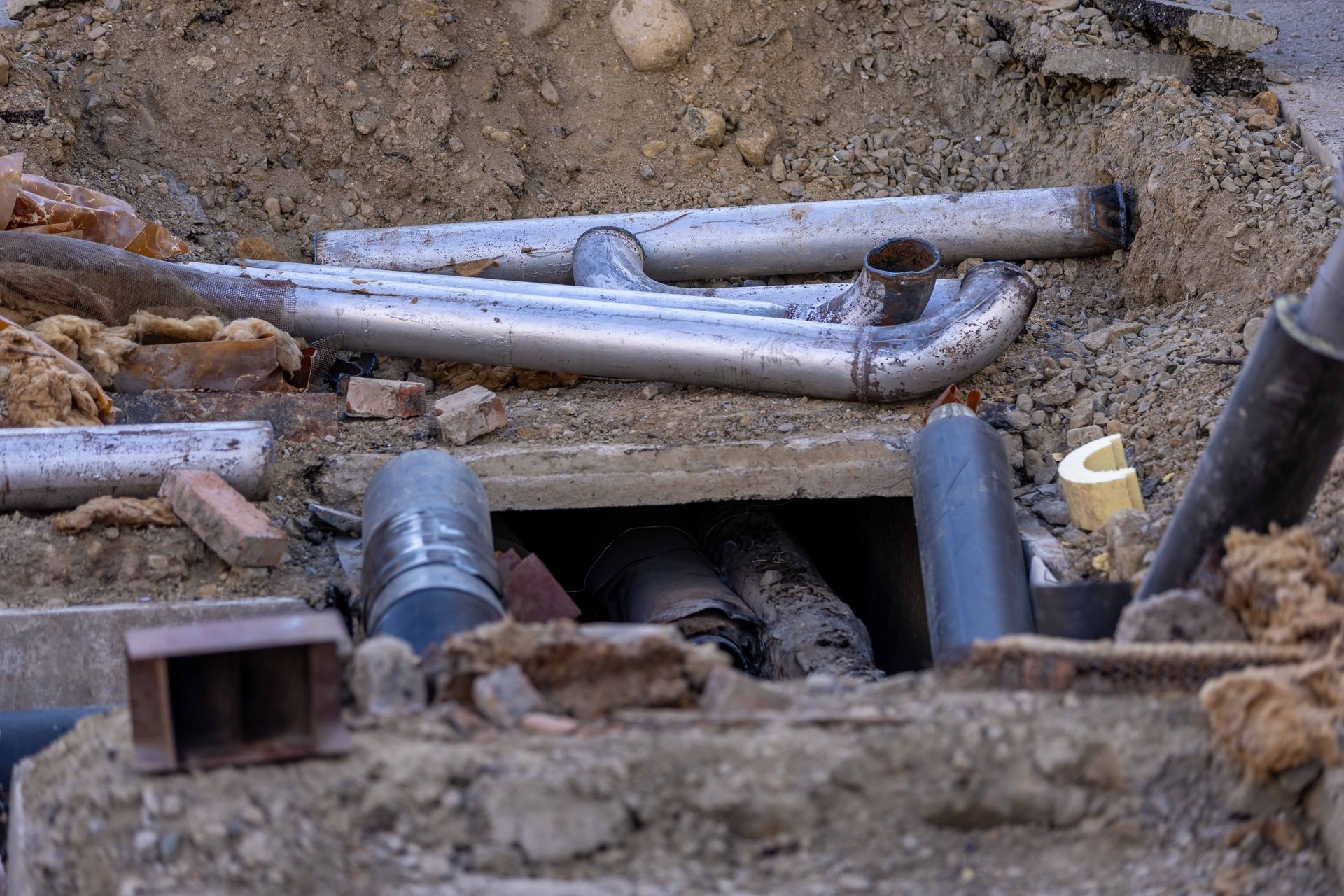
Residential utilities are often simpler in layout and scale. Commercial utilities are often heavier in coordination. You may have larger services, more trench crossings, more inspection points, and more coordination with utility providers or public infrastructure. If the project includes extensive utility installation and repair, commercial review often adds another layer of timing and documentation to the same trenching work you would do on a house site.
Roads, parking, and circulation
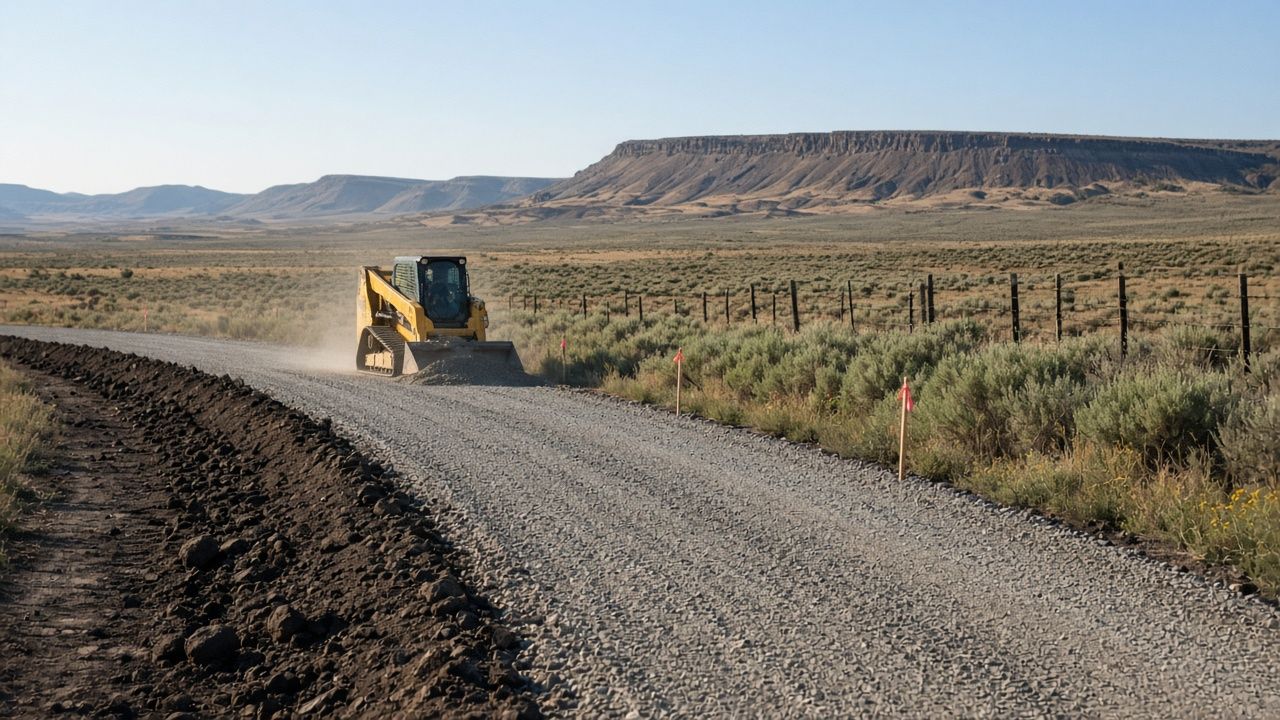
A residential driveway is one thing. A commercial entrance, parking area, accessible route, and service circulation system is something else. Once ADA, turning movement, drainage, and public access are part of the picture, your site work becomes more precise and less forgiving.
That is one reason subdivision and road excavation often overlaps more naturally with commercial site development than with a standard residential build.

A Representative Able Excavation Scenario
A good way to picture the difference is through a representative Able Excavation style project.
Imagine a client in Western Colorado who assumes a small commercial building site will be similar to a large residential homesite. At first, the earthwork looks familiar. The property needs clearing, grading, utility planning, and access. On paper, it does not seem radically different from preparing a custom home lot.
Then the commercial site review starts shaping the real job. Parking layout expands the disturbed area. Accessible parking and pedestrian routes affect grades and elevations. Stormwater planning becomes more formal. Service access and circulation widen the footprint. Utility coordination becomes more involved than the owner expected.
That is where a contractor who sees the whole site helps. Instead of treating excavation as a standalone task, you treat site preparation, utility work, hauling, and road prep as one connected sequence. That is usually what keeps the project from drifting into rework.
Cost Differences You Should Expect
It is easy to assume that commercial costs are higher only because the site is bigger. Sometimes that is true, but not always. A smaller commercial site can still cost more to develop than a larger residential one because the review burden is heavier.
Commercial cost is often driven by:
- broader disturbed area
- stormwater obligations
- accessibility layout
- parking and circulation
- engineered civil review
- utility coordination
- public interface requirements
Residential cost is often driven more by:
- slope
- access
- rock
- septic requirements
- driveway length
- retaining needs
- imported fill or hauling volume
If your residential site is rural and complex, it can absolutely become a major earthwork project. But in general, commercial work carries more compliance-related cost per step, even when the dirt volume does not look dramatically larger.
Common Mistakes to Avoid
One of the most common mistakes is assuming commercial site development is just bigger residential site development. It usually is not. The site may need to perform differently, the codes may ask more of it, and the review path is often more demanding.
Another common mistake is underestimating drainage early. Once grades, trench routes, and paved areas are locked in, water problems get more expensive to solve.
A third mistake is waiting too long to think about circulation and accessibility. ADA site standards affect parking, paths, and exterior approach, so they can change grading and layout decisions much earlier than many owners expect.
What You Should Look for in a Site Development Contractor
You want a contractor who understands that the site is a system. That means someone who can think through:
- clearing and haul access
- grading and drainage
- utilities and trench sequencing
- septic where relevant
- road prep and circulation
- how code-driven site requirements affect excavation decisions

Final Takeaway
If you are planning a project in Colorado, the clearest way to think about this is simple. Residential site development is usually narrower and more direct. Commercial site development is usually broader, more regulated, and more dependent on coordinated civil planning.
The excavation equipment may be similar. The code burden usually is not.
If you understand that early, you can make better decisions about layout, drainage, utilities, schedule, and budget before the project gets expensive. That is what turns site development from a reactive process into a controlled one.
Share this article