Pool Digging what goes into it and what it usually costs in Colorado
TL;DR
- Pool Digging is not just the moment excavation starts. It is the site-work phase that sets up the entire pool project by addressing layout, access, underground utilities, spoil removal, drainage, and the condition of the surrounding yard before the pool shell and follow-on trades move in.
- In many cases, the average cost to excavate a pool falls somewhere between $1,000 and $5,000, with many standard digs landing around $2,500, but that number can rise quickly when the site is harder to access, the soil is more difficult, or the pool design is more complex.
- On more difficult properties, especially those with rocky ground, clay-heavy soils, tight backyard access, low overhead clearance, steep grades, or custom pool shapes, pool excavation costs can move into the $5,000 to $15,000 or more range because the digging takes longer, may require different equipment, and often creates more hauling and restoration work.
- Contractors may price the excavation portion in a few different ways. Some use a per cubic yard number, often around $8 to $25 per cubic yard for more standard dirt or sand conditions. Others may use an hourly rate, often in the range of $100 to $300 per hour depending on the operator, machine, and site conditions. Many residential pool digs are ultimately quoted as a flat-rate package based on the plans, the access, and the known site conditions.
- Soil type is one of the biggest cost drivers. Easier digging conditions like standard dirt or sand usually stay closer to the lower end of excavation pricing, while rock, dense clay, or other hard digging conditions can push excavation costs dramatically higher. On harder sites, digging costs can rise into the $50 to $200 or more per cubic yard range once production slows down and specialized equipment becomes necessary.
- Pool shape and depth also affect price. A basic rectangular pool is usually simpler and faster to excavate than a freeform pool, deep-end pool, or custom design with varying elevations and tighter tolerances. The more complex the shape, the more precision, machine time, and cleanup the dig typically requires.
- Access to the backyard or dig area matters more than many homeowners expect. Wide open access allows larger machines and easier hauling, which usually helps control cost. Narrow gates, fences, retaining walls, tight side yards, or overhead obstacles can force the use of smaller equipment, slower excavation, more manual work, or more difficult spoil removal.
- One of the most overlooked cost items is dirt hauling and disposal. Pool excavation creates a large volume of excess material, and if that soil cannot stay on site, you may need to budget roughly $13 to $15 per cubic yard for hauling and disposal, depending on the site and trucking logistics.
- Permits and inspections can also add meaningful cost. Depending on your municipality and the full project scope, local permits, inspections, and related approvals may add anywhere from roughly $250 to $2,000 or more to the project.
- If the excavation area conflicts with an existing water, gas, or electrical line, utility relocation can become a major added expense. In some situations, moving a line out of the pool area can cost roughly $600 to $5,000 or more, depending on the type of utility and how much rerouting is required.
- Unexpected rock is one of the biggest budget risks in pool digging. If the excavator hits ledge, large boulders, or very hard subsurface material, the contractor may need rock hammers, breakers, or other specialized equipment, which can significantly increase labor, production time, and total excavation cost.
- The most practical way to budget for a pool dig is to look at three things first: the size and shape of the pool, the site access, and the ground conditions. Those three factors usually do more than anything else to determine whether your excavation stays simple or becomes a more involved site-development job.
If you are planning Pool Digging in Colorado, the most important thing to understand is that the excavation phase is much more than cutting a shape into the ground. It is the part of the project that helps determine whether the pool site drains well, whether utilities stay protected, whether the surrounding yard remains usable, and whether the next trades can move efficiently once the excavation is complete. In many cases, the success of the finished pool starts with the quality of the dirt work.
Why Pool Digging Is Really a Site-Development Project
A lot of people think of a pool as a landscaping feature. From an excavation point of view, it is closer to a small site-development project.
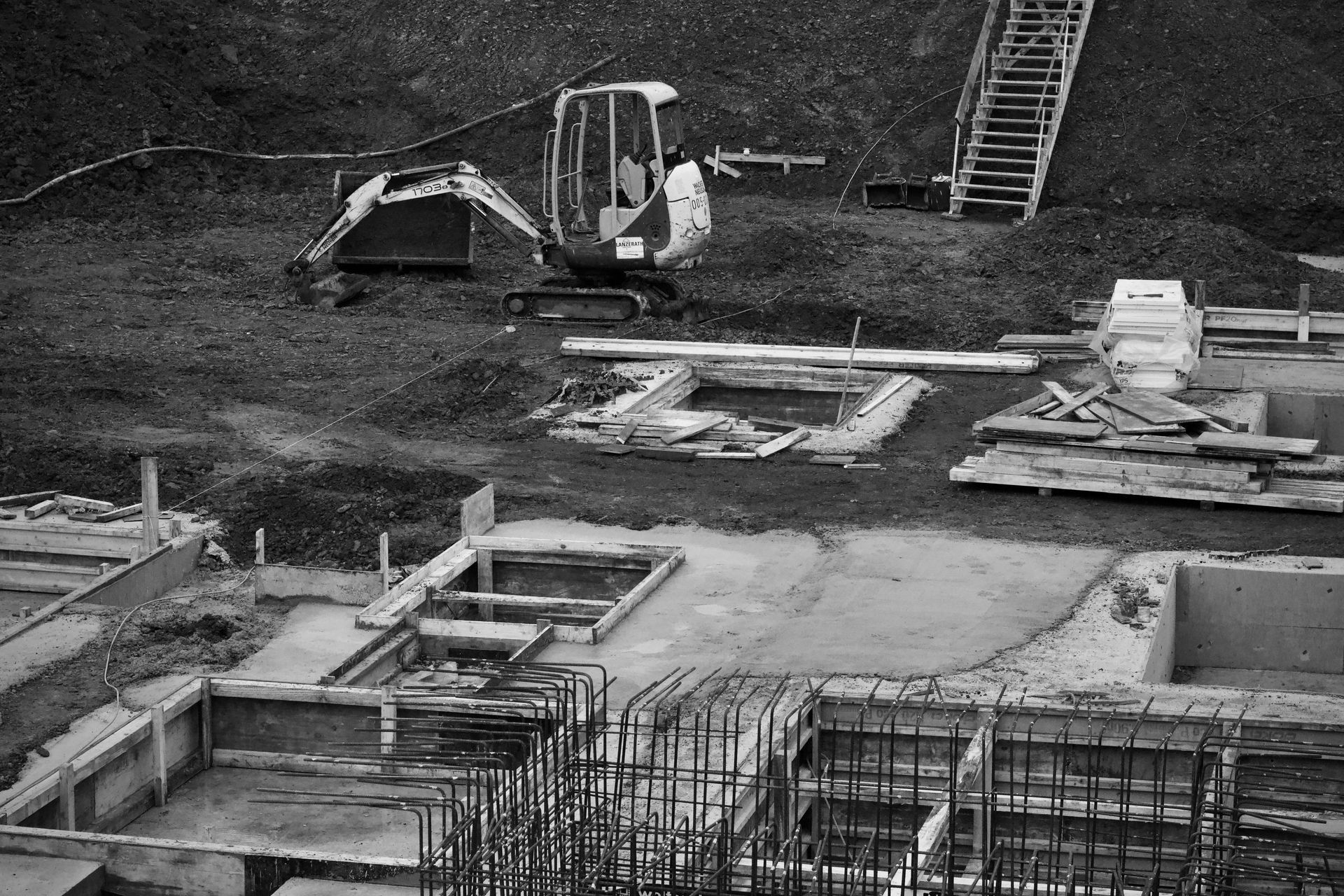
Before the pool shell, plumbing, decking, fencing, or electrical work can happen, the site has to be prepared correctly. That means knowing where the pool will sit, how equipment will access the area, what underground utilities may be nearby, how spoils will be handled, and how water will move across the property once the pool changes the yard layout.
That is why pool excavation overlaps naturally with services like Site Preparation and Home & Building Sites. The goal is not just to dig the area out. The goal is to make the site work well for everything that comes after the dig.
Why Pool Digging Can Be More Complex in Colorado
Rock and hard ground
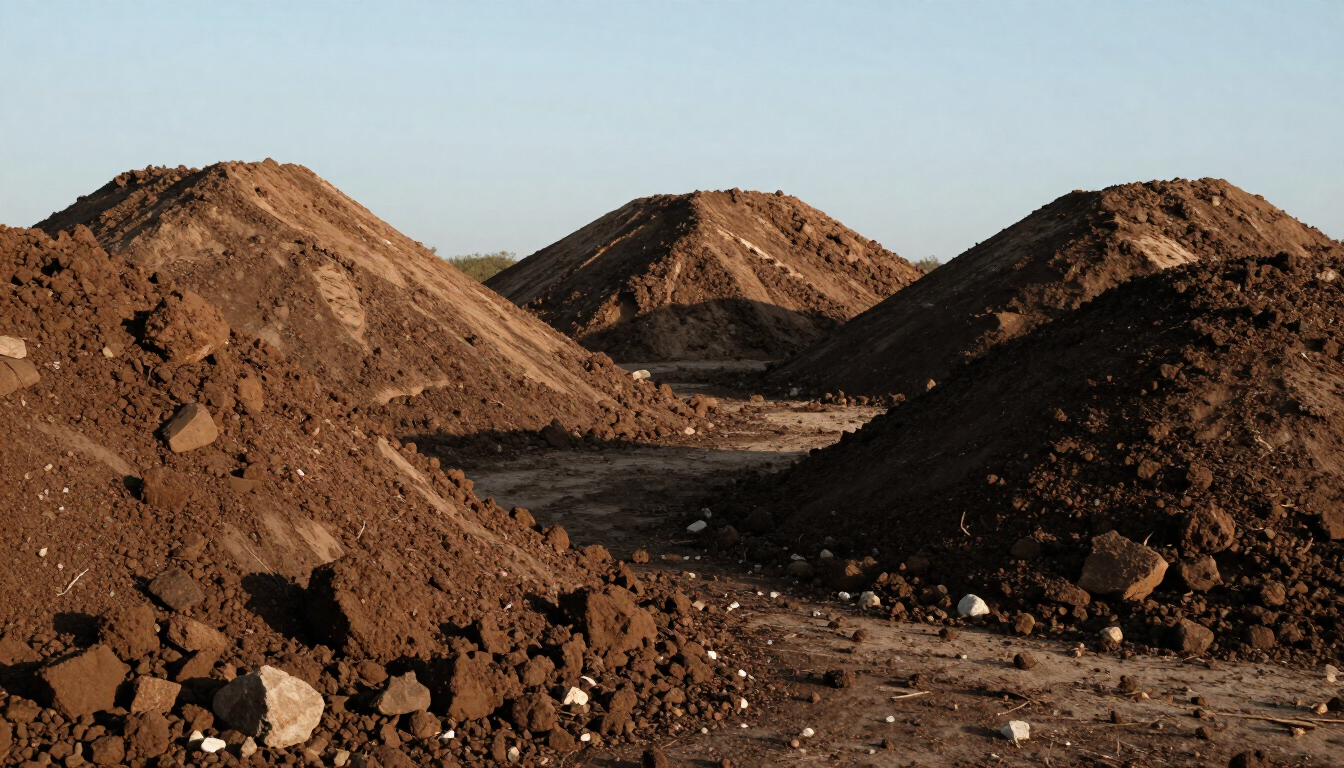
In many parts of Colorado, you may not know exactly what is below the surface until the machine gets into the ground. Some properties have straightforward soils. Others have hardpan, cobble, large rock, or mixed soils that slow digging down and increase equipment wear.
That matters because rock can change the excavation speed, hauling needs, and even the type of equipment the contractor uses. It can also affect the final cost much more than many homeowners expect.
Slope and access
A pool site with wide open access is very different from a backyard that can only be reached through a narrow side yard, a steep grade, or a tight opening between structures.
Access affects everything. It influences machine selection, the amount of handwork or smaller equipment needed, how spoils leave the site, and how much of the property has to be disturbed to complete the job.
On some properties, access is one of the biggest cost factors. The excavation itself may be straightforward, but getting the machines in and out cleanly can take planning and extra time.
Drainage and freeze-thaw conditions
In Colorado, drainage is a bigger deal than many people realize. A pool changes the way your yard sheds water. If the surrounding grading is not planned correctly, you can end up with runoff collecting near decking, adjacent structures, landscape beds, or access areas.
Freeze-thaw conditions make this even more important. If water starts collecting where it should not, seasonal movement can create headaches around the pool area over time. That is why Drainage & Landscape thinking should start before the dig, not after the pool is already in the ground.
What Usually Happens Before the Dig Starts
Layout and site review
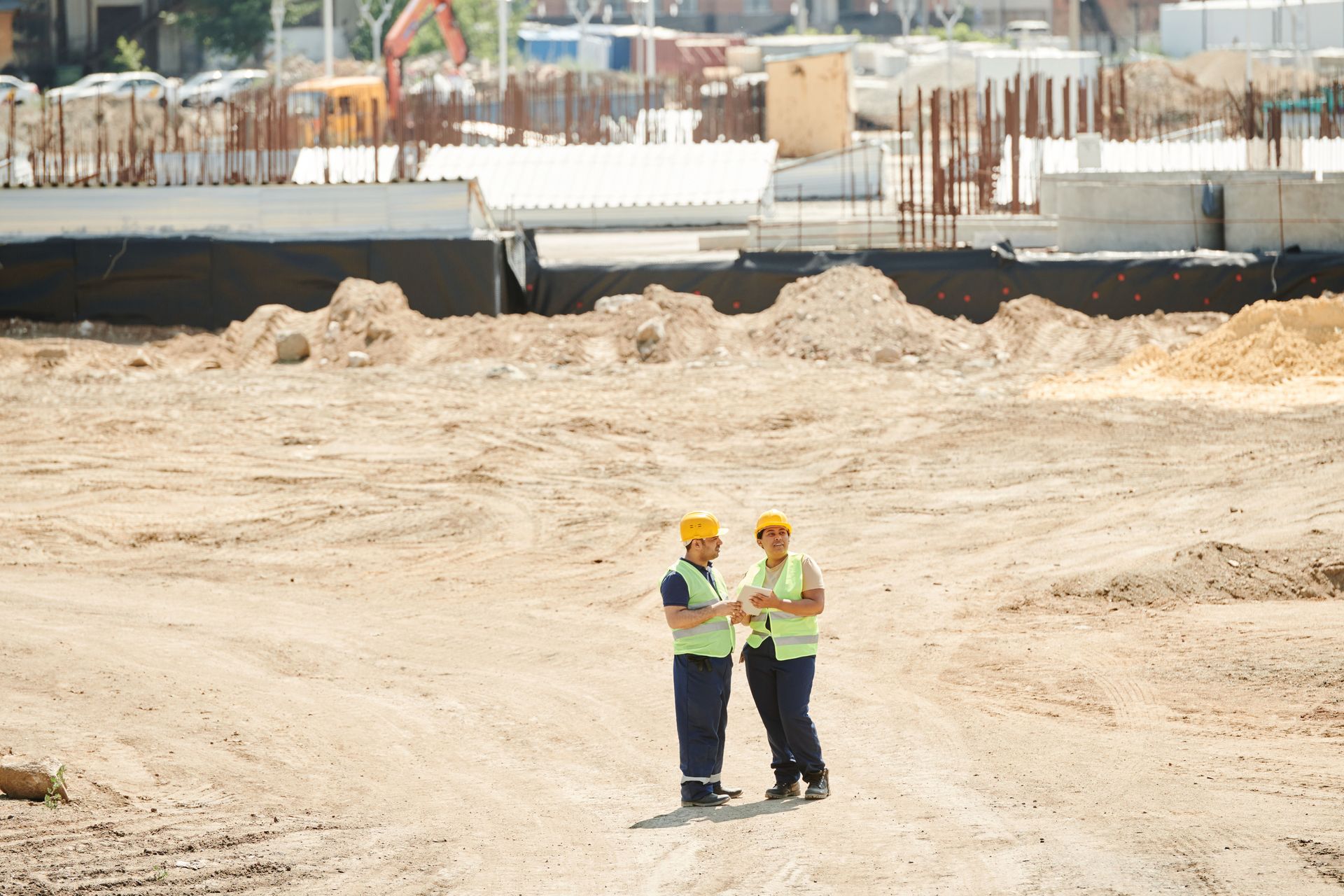
The first step is making sure the location actually works. That means looking at the planned pool placement, the grade of the site, access for excavation equipment, spoil removal, and how the pool will sit in relation to the home, utilities, fencing, patios, or other site features.
A good excavation contractor is not just looking at where the pool goes. They are also looking at how the dig affects the rest of the property.
Utility locating
This is one of the most important early steps. Before any digging happens, utility locating needs to be addressed. That includes public utility locates and, in some cases, private lines that may not be covered by a standard locate request.
This is especially important if the backyard has existing irrigation, lighting, outbuilding feeds, gas lines, or other buried utilities. A pool dig that ignores underground conditions can turn into an expensive repair project fast.
Access and protection planning
A well-run pool dig usually starts with a plan for how the equipment gets in, where it operates, and how the contractor will protect the parts of the property that are not being excavated.
Sometimes that means using smaller machines. Sometimes it means staging spoils differently. Sometimes it means accepting that some restoration work will be needed afterward. The point is to think about those issues before the first bucket goes in the ground.
What the Pool Digging Process Usually Includes
Site preparation
Before the excavation itself, the area may need to be cleared or opened for machine access. This can include removing obstacles, trimming access routes, protecting surrounding surfaces, and preparing the work zone so the dig can happen efficiently.
That is why pool excavation often starts looking a lot like a scaled-down version of Site Preparation.
Excavation
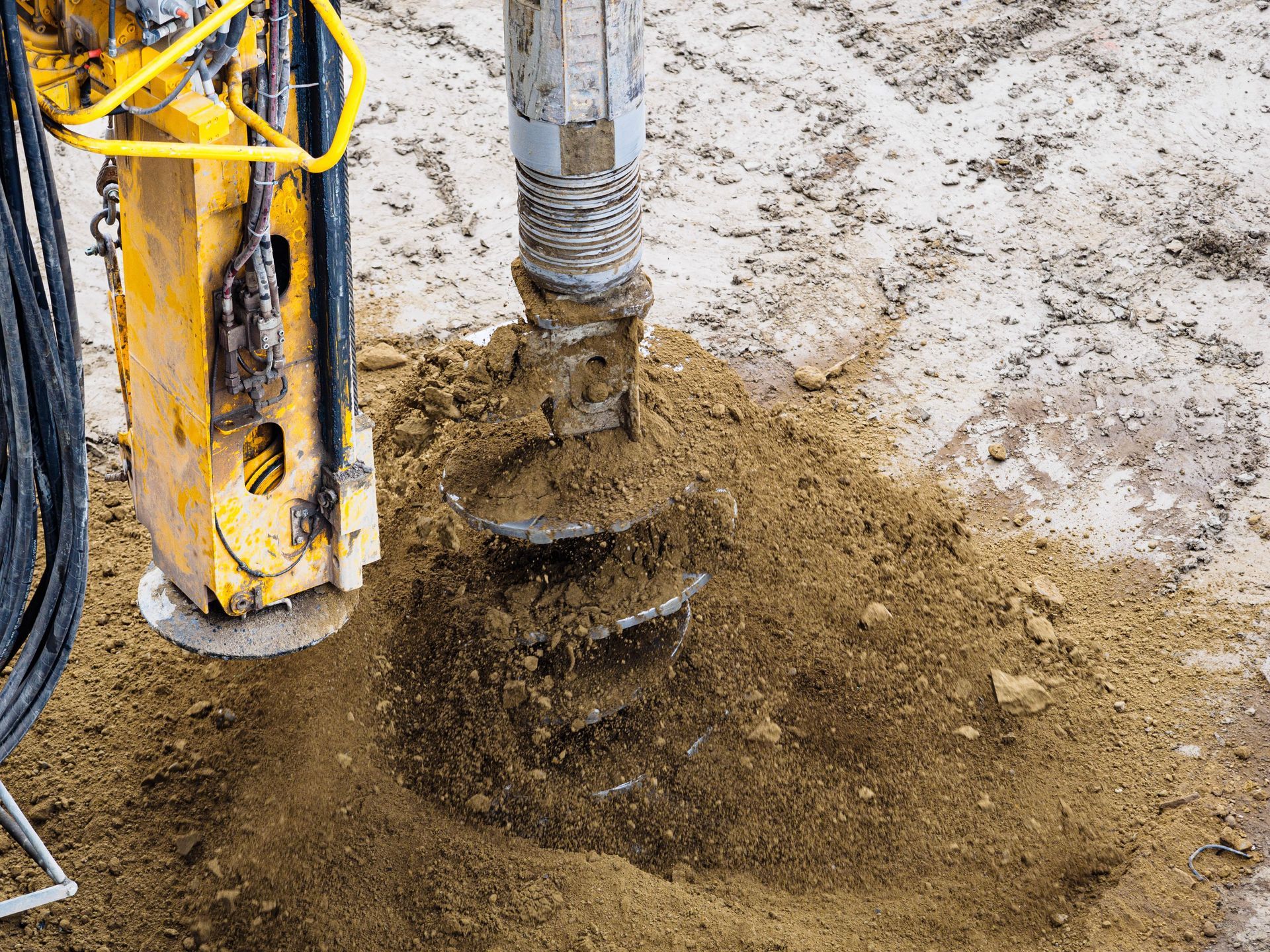
The actual dig has to follow the pool layout closely, including dimensions, depth, and the extra working room needed around the pool shape for the next phase of construction.
This is where precision matters. A clean, accurate excavation helps the pool installer work more efficiently and reduces the chances of extra correction work after the dig is complete.
Spoil handling and hauling
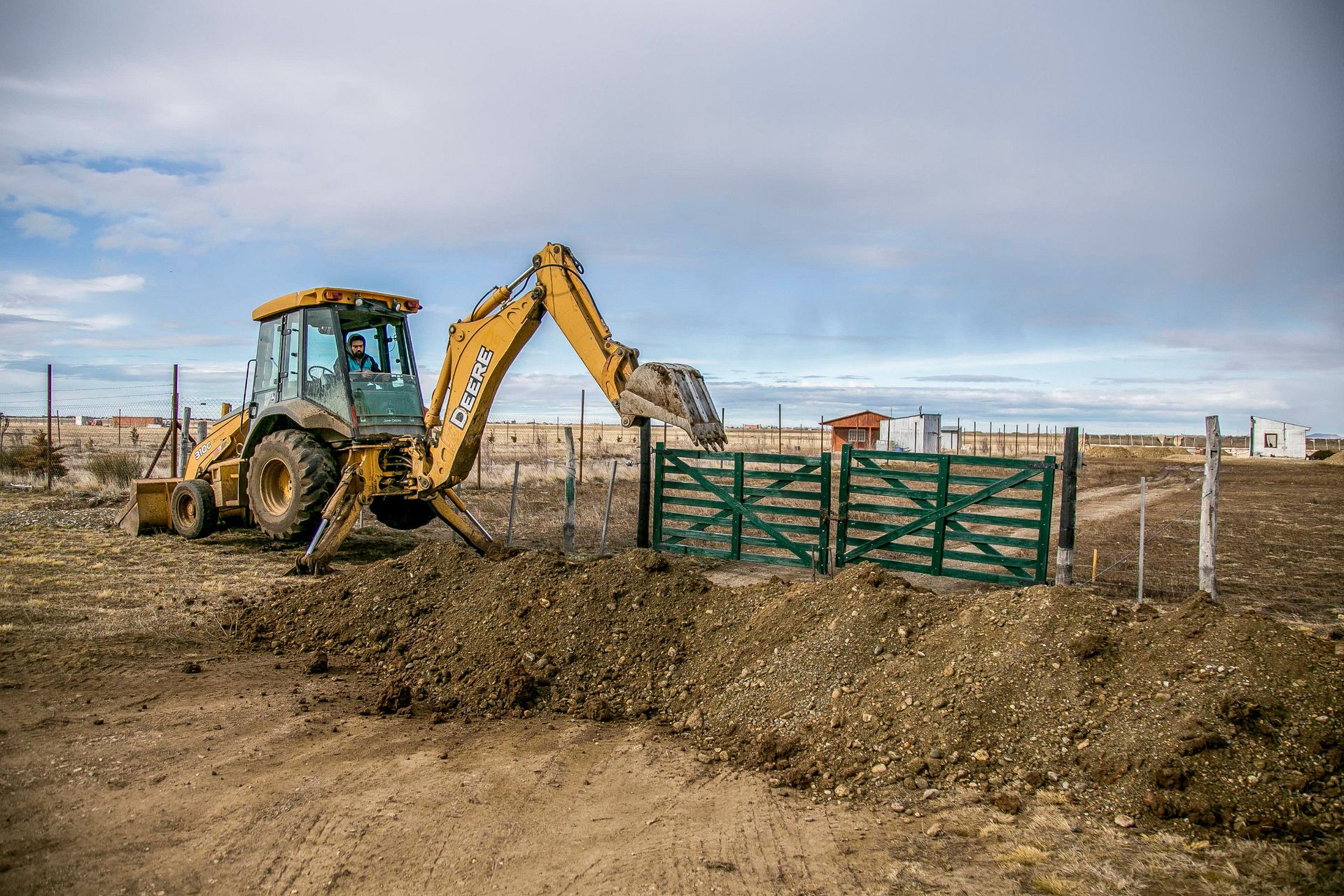
The dirt that comes out has to go somewhere. On some properties, a portion can be reused elsewhere. On others, most or all of it has to be hauled off.
This is one of the biggest practical parts of the job. If spoil removal is not planned well, the whole project can slow down. That is why Trucking & Hauling is often a major part of pool excavation cost.
Grading and support work
Once the hole is dug, the surrounding site still needs to work. That may mean shaping adjacent surfaces, improving drainage, restoring access, or getting the area ready for plumbing, shell installation, decking, or finish work.
This is one reason good excavation adds value beyond the dig itself. It leaves the site ready for the next trade instead of leaving a problem for someone else to solve.
What Usually Affects Pool Digging Cost in Colorado
Pool size and depth
Bigger pools and deeper pools mean more excavation, more spoils, more hauling, and more machine time. That part is straightforward.
Ground conditions
Rock, hard digging, wet soil, unstable areas, or mixed ground conditions can all increase cost. When the machine cannot dig efficiently, the entire project slows down.
Access
Tight access is often one of the most important cost drivers. If the contractor cannot bring in larger equipment or haul out material easily, the labor and logistics become more involved.
Spoil removal
Spoil hauling is often a bigger line item than homeowners expect. The amount of material coming out of the ground can be significant, and whether it can stay on site or needs to leave the property changes the price.
Surrounding site work
Many pool digs also need some combination of drainage correction, grading adjustments, access restoration, or utility-related trenching. If those items are part of the scope, they should be planned honestly from the start.
The most useful way to think about cost is not just “what does the hole cost?” but “what does it take to excavate this pool correctly on this specific property?”
A Practical Able Excavation Perspective
A common pattern on excavation jobs is that the owner starts by focusing only on the feature they want, whether that is a pool, shop, driveway, or pad. Then the site starts revealing the real work.
On a pool project, that might mean discovering the access is tighter than expected, the yard holds more water than expected, or the spoils have nowhere practical to go without organized hauling. That is where a contractor with broader excavation experience brings real value.
Instead of looking at the job as one isolated dig, you look at the site as a system. How will the machines access it? Where does water go? Are there utility concerns? How much restoration will the yard need? That broader point of view is often what separates a smooth pool excavation from one that creates avoidable problems.
What to Look for in a Pool Excavation Contractor
You want someone who understands more than the shape of the pool.
Look for a contractor who can think through:
- machine access
- utility awareness
- spoil handling
- grading and drainage
- site restoration
- how the excavation affects the next trade
That is why excavation experience across Home & Building Sites, Utility Installation & Repair, Drainage & Landscape, and Trucking & Hauling matters. Pool digging may be its own project, but it still depends on the same site-work fundamentals.
Final Thoughts
Pool digging in Colorado is not just about removing dirt. It is about preparing a site that can support the pool, protect the surrounding property, and make the next phase of construction more efficient.
The excavation has to work with the land, not against it. That means thinking about rock, slope, access, drainage, utilities, spoil hauling, and restoration before the digging starts.
If you get that part right, the rest of the pool project usually has a much better foundation to build on. If you rush it or treat it like a simple cut-and-go job, the site often finds ways to remind you later.
That is why good pool excavation is really good site work. And in Colorado, good site work matters.
Share this article