septic system repair | signs your septic system has issues

Admin • June 28, 2026

TL;DR

  • Septic system repair usually starts with early warning signs like slow drains, gurgling pipes, foul odors, wet spots in the yard, or sewage backing up into the home.
  • The longer you wait, the more likely a smaller repair turns into a larger excavation, drainfield problem, or partial system replacement.
  • In Western Colorado, septic issues often overlap with site drainage, trenching, grading, and access, which is why repair work is not always just a plumbing issue.
  • Common repair scopes include septic line repair, tank repairs, baffle or component replacement, drainfield troubleshooting, and grading or drainage correction around the system.
  • If you catch the problem early, you usually have more repair options and a better chance of avoiding a larger emergency.


If you are dealing with septic system repair, the biggest mistake you can make is assuming the problem will stay small. Septic issues usually begin with a few easy-to-ignore warning signs, then slowly turn into bigger drainage, plumbing, yard, and health concerns if they are not addressed early. In Western Colorado, where many homes, ranch properties, and rural sites rely on onsite wastewater systems, it is especially important to understand what the warning signs look like, what may be causing them, and when excavation becomes part of the solution.


Why Septic System Repair Matters More Than Most Property Owners Realize


A septic system does not have to fail completely to start causing trouble. In fact, most systems give you some warning before the situation becomes an emergency. The problem is that many property owners do not connect those early warning signs to the septic system right away.


You might notice a toilet that drains slower than usual. You might smell something outside after using a lot of water. You might see a damp patch in the yard that never seems to fully dry out. On their own, each of those things can seem minor. Together, they often point to a system that needs attention.


That matters because septic problems rarely stay limited to one part of the property. They can affect your indoor plumbing, the yard, your access routes, nearby drainage patterns, and even the long-term usability of the site. That is one reason septic repair and excavation so often overlap. Once the problem moves beyond a simple pump-out or inspection issue, someone usually has to expose, diagnose, repair, and restore the ground around the failing part of the system.

Common Signs Your Septic System Has Issues


Slow drains throughout the home


A slow sink or one sluggish shower drain does not always mean septic trouble. But if multiple fixtures begin draining slowly at the same time, that is often a more serious warning sign. When bathtubs, showers, sinks, and toilets all seem to be struggling, the problem may be farther down the system than a normal household clog.


Gurgling sounds in the plumbing


Gurgling sounds are easy to dismiss, but they often mean your plumbing is not moving air and wastewater the way it should. If you hear gurgling in toilets or drains, especially along with slow drainage, it is worth taking seriously.


Sewage odors inside or outside


Foul odors near the septic tank, drainfield, or even inside the home can point to a problem. Odors do not always mean full system failure, but they are a sign that something is not functioning the way it should. In some cases, the issue may be a vent-related problem. In others, the smell is tied to standing wastewater, a saturated drainfield, or a tank or line issue.


Standing water or damp spots in the yard


If you see consistently wet, soggy, or spongy areas near the tank or drainfield, especially during otherwise dry weather, do not ignore them. That kind of moisture often means wastewater is not moving or treating properly underground.


Bright green grass over the drainfield


One patch of especially green grass can look harmless, but when the rest of the property is drying out and the drainfield stays lush, that often means extra moisture is feeding it from below. It can be one of the clearest visible signs of a septic issue.


Sewage backing up into the house


This is the warning sign no one wants to see, and it usually means the problem has gone beyond early detection. If wastewater is backing up into toilets, tubs, sinks, or floor drains, the system needs immediate attention.


An Expert Quote Worth Paying Attention To


“Routine inspections help prevent expensive repairs.” That simple reminder applies directly to septic systems. It is easy to delay inspections when everything seems to be working, but the reason septic problems get expensive is often because they stayed hidden too long.


What Usually Causes Septic Problems


Age and normal wear


Like any system underground, septic systems age. Tanks, baffles, lines, distribution components, and drainfields all have a lifespan. If the system is older, especially if records are incomplete, repair may be more likely even if the property has not had major issues before.


Excess water entering the system


Too much water in a short period can overload the system. Spreading laundry over the week, fixing leaks, and paying attention to heavy water use matter more than many homeowners realize. When the system receives more water than it can treat properly, the tank and drainfield both suffer.


Improper waste disposal


Grease, wipes, chemicals, paper towels, and other non-approved materials can all create problems. Some issues begin because the tank fills with more solids than expected. Others start because the biological function of the tank is disrupted or the drainfield starts clogging.


Drainfield damage


This is one of the most overlooked causes of septic trouble. If heavy vehicles, equipment, or repeated traffic pass over the drainfield, the soil can compact and the field can stop treating wastewater correctly. Tree roots, poor grading, and excess rainwater runoff into the field can also contribute to failure.


Damaged or collapsed lines


Septic line problems can happen because of age, shifting soils, root intrusion, or accidental damage during other site work. Sometimes the problem is not the tank or the field at all. It is simply a broken, sagging, or obstructed section of line that has to be found and repaired.

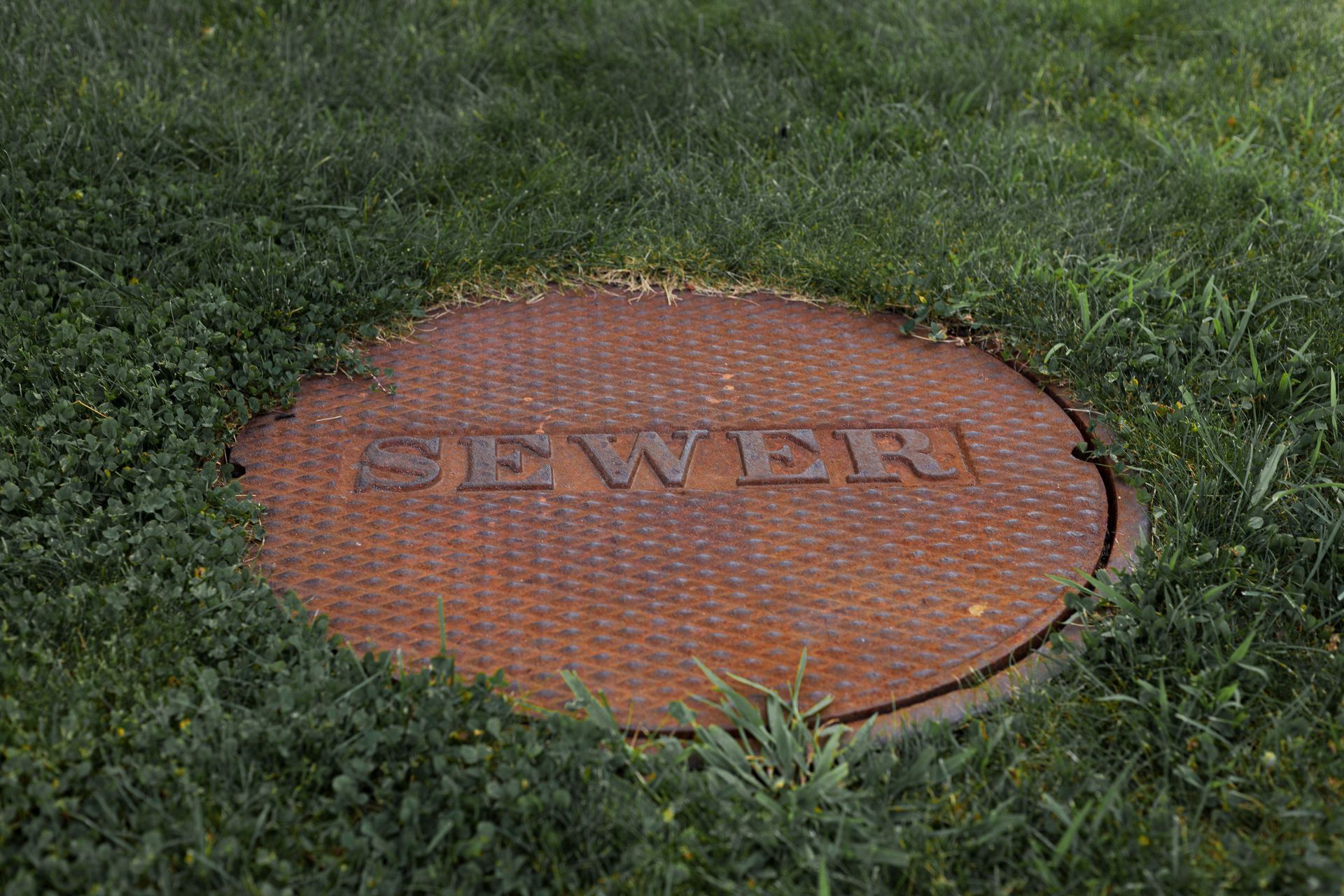
Red sewer manhole cover set in green grass

When Septic Repair Becomes an Excavation Job


Once the likely problem moves underground, excavation usually becomes part of the repair process. That is where a contractor who understands both septic systems and site work becomes especially valuable.


Septic line repair


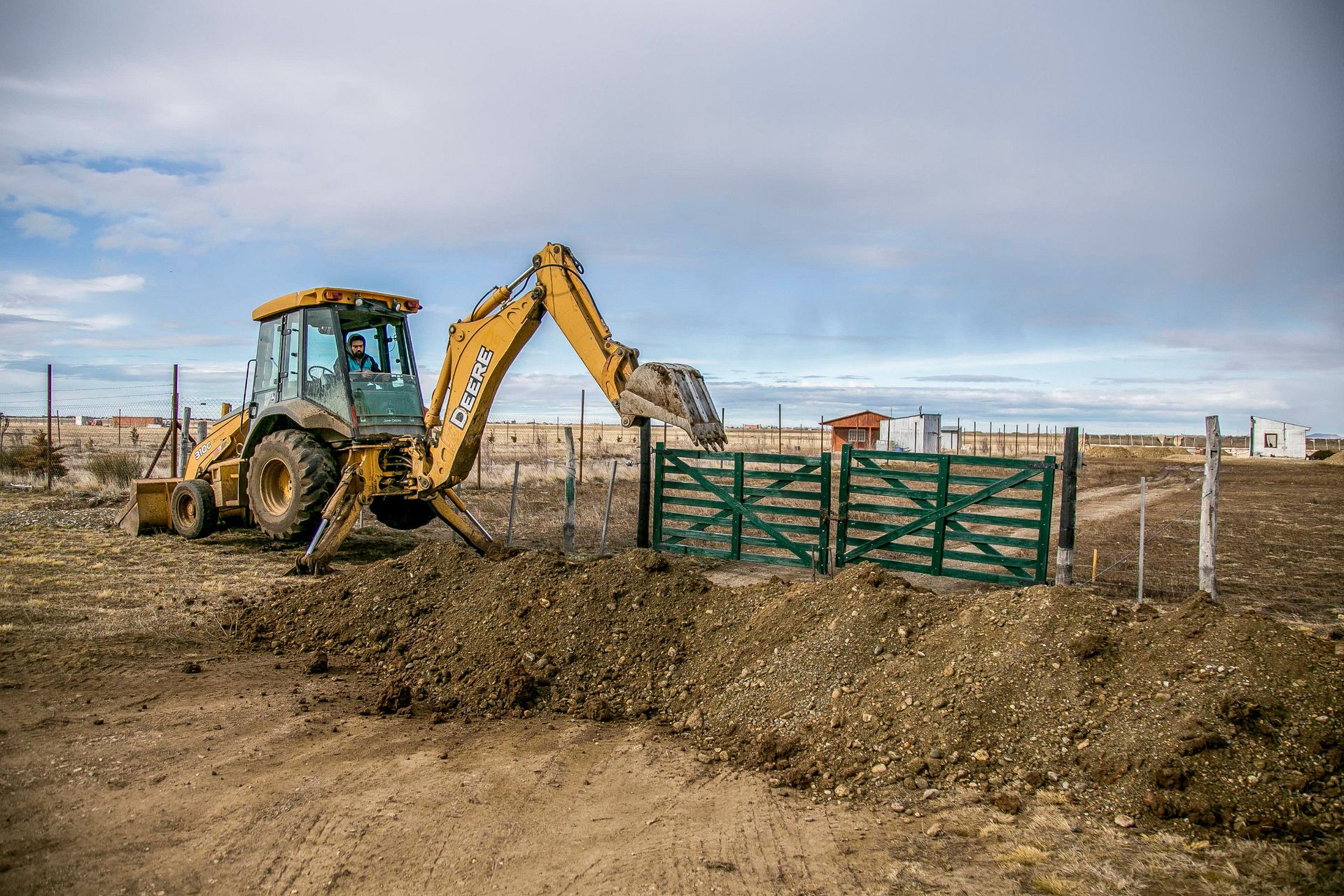
If the line from the house to the tank, or from one septic component to another, is damaged, it may need to be exposed by trenching. That means careful digging, repair or replacement, and then restoring the site properly afterward.


Tank access and repairs


Sometimes the tank itself needs to be exposed for repairs, replacement of damaged components, or closer inspection. A surface-level symptom may end up leading to targeted excavation around the tank area.


Drainfield and grading issues


Drainfield trouble is not always solved with one simple fix. In some cases, the repair scope may include grading changes, drainage correction, or excavation to assess how water is behaving around the field. If roof runoff, sump discharge, or poor surface drainage is overwhelming the area, solving the septic problem may also require correcting the land around it.


This is where services like Drainage & Landscape and Utility Installation & Repair naturally overlap with septic repair.


What the Septic Repair Process Usually Looks Like


1. Notice the warning signs


Most repairs begin because the property owner notices something has changed. That may be a smell, slow drains, gurgling, wet ground, or a backup.


2. Inspect and diagnose


A good repair process starts with diagnosis, not guessing. The system needs to be assessed to determine whether the problem is in the line, tank, drainfield, a drainage issue, or some combination of those.


3. Define the repair scope


Once the problem is identified, the next step is to determine whether the repair is minor and localized or whether it is part of a broader system issue. Some jobs need a targeted line fix. Others may need excavation, grading, drainage work, or bigger corrective measures.


4. Complete the repair and restore the site


After the failing area is repaired, the site has to be restored properly. That can include backfill, compaction, grading, and sometimes hauling away spoils or bringing in base or fill. This is where Trucking & Hauling and broader Site Preparation knowledge can matter even on a repair job.


What Affects Septic Repair Cost


There is no single flat price for septic repair because the actual cause matters so much.


A relatively accessible line repair is very different from a drainfield issue complicated by wet soil, poor drainage, or heavy compaction. Tank-related work can be straightforward in one location and much more involved in another if access is limited, the site is rocky, or the system sits under improved surfaces.


In Western Colorado, repair cost is often affected by:

  • how easy the system is to access
  • whether the problem is localized or spread through the system
  • slope and ground conditions
  • rock or difficult excavation
  • whether hauling or site restoration is needed
  • whether grading or drainage correction has to happen along with the repair

That is why the lowest quote is not always the best value. If a repair fixes the symptom but ignores the site condition causing the problem, you may end up paying for the same trouble again.


A Practical Able Excavation Perspective


A common pattern on septic-related jobs is that the property owner initially assumes the problem is just a clog or a pump-out issue. Then the inspection starts showing a bigger picture. Maybe the line has been compromised. Maybe the drainfield is getting overloaded by outside water. Maybe the yard has been taking traffic in the wrong place for years.


That is where a contractor with excavation and septic experience can help. Instead of treating the system like an isolated plumbing problem, you look at the whole site. How is water moving? Is the field protected? Are access routes damaging key components? Is the grade helping or hurting the system?


On rural properties especially, that broader view is often what separates a temporary fix from a repair that actually lasts.


How to Reduce the Chances of Bigger Repairs Later


You cannot prevent every septic problem, but you can reduce the odds of a major failure.


Have the system inspected regularly. Pump it on an appropriate schedule. Avoid excess water use. Keep vehicles and heavy equipment off the drainfield. Keep roof drains, sump outlets, and unnecessary surface water away from septic areas. Do not flush or pour things into the system that do not belong there.


Those simple habits matter because septic systems usually fail from accumulated stress, not from one dramatic event.


Final Thoughts


Septic system repair is one of those issues that is much easier to manage when you catch it early. The system usually gives you some warning. Slow drains, odors, wet spots, gurgling, and lush grass over the field are all signs worth paying attention to.


If you act early, you often have more repair options and a better chance of avoiding a bigger excavation or replacement job. If you wait too long, the repair can grow from a manageable correction into a far more disruptive project.


That is why it helps to work with a team that understands not only septic systems, but also the ground around them.


On many Western Colorado properties, successful septic repair depends on a combination of diagnosis, trenching, drainage awareness, site restoration, and long-term thinking. And that is exactly where related work like Septic Installation, Utility Installation & Repair, Drainage & Landscape, all connect.
Share this article

Recent Posts

Backhoe and workers at a house construction site with brick homes and a dirt yard
By Admin June 28, 2026
Pool Digging in Colorado involves excavation, drainage, utility locating, hauling, and site prep. Learn what affects cost and why proper excavation matters.
Yellow Hyundai excavator digging in a rocky quarry under a blue sky
By Admin June 25, 2026
Earth Worx in Colorado starts with smart excavation. Learn why site prep, drainage, utilities, septic, hauling, and road prep matter for long-term results.
Construction site with parked equipment, cones, and a partially built commercial building under a blue sky
By Admin June 16, 2026
See what machines Able Excavation uses for commercial site development, grading, hauling, compaction, trenching, and site prep across Western Colorado.
Archaeological excavation site with concrete pillars, dirt pits, and overcast sky
By Admin June 9, 2026
Learn the key differences between commercial site development and residential site development, including codes, costs, drainage, utilities, and site prep.
Aerial view of a new housing development beside green farmland and open fields
By Admin June 1, 2026
Learn why site clearance in construction is critical for safety, access, drainage, excavation, utility trenching, and road prep on Colorado building sites.
Worker in blue overalls and yellow boots in a wet concrete pit with rebar mesh and pipes.
By Admin May 26, 2026
Learn how dewatering works, why it matters for Colorado construction projects, and how it helps protect excavation, utility trenching, pads, roads, and schedules.
Rows of gray pebbles separated by vertical metal bars, viewed from above
By Admin May 20, 2026
How deep to dig a French drain in Colorado depends on slope, soil, and drainage goals. Learn when you need one and how proper excavation helps protect your project.
Archaeological excavation site with trenches and exposed earth under a cloudy sky.
By Admin May 18, 2026
Professional land clearing contractors in Western Colorado offering site prep, drainage, septic prep, utility trenching, hauling, road prep, and excavation services.
Large engineered retention pond in a Western Colorado landscape.
May 13, 2026
Learn the essentials of retention pond construction in Western Colorado. Explore benefits, regulations, and maintenance for effective stormwater management.
Professional underground utility installation in Western Colorado terrain.
May 13, 2026
Learn everything about underground utilities construction in Western Colorado. This guide covers trenching, site development, and local excavation tips for 2026.
Show More