Why Excavation Matters So Early in the Project
Good excavation sets the stage for almost everything that follows.
If the site is cleared poorly, later trades lose time. If the pad is not shaped and supported correctly, the structure can settle or hold water. If utility trenching is sloppy, pipes and conduits may be harder to maintain or repair later. If the driveway base is weak, the surface may start breaking down long before it should.
This is one reason Able Excavation’s
site preparation and
home and building site services matter so much. A well-prepared site gives every later phase a better starting point.
What Excavation Services Usually Include
Site preparation
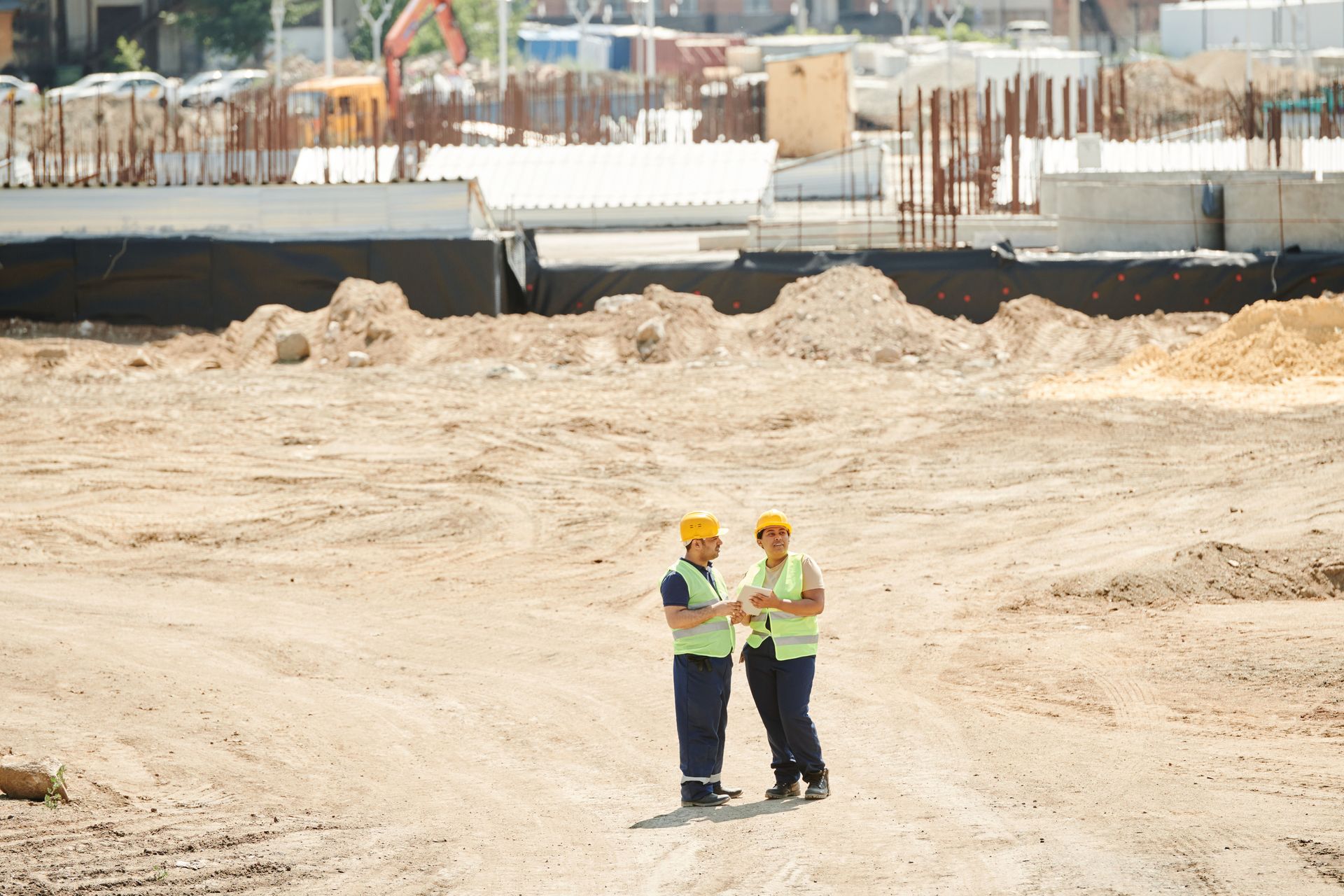
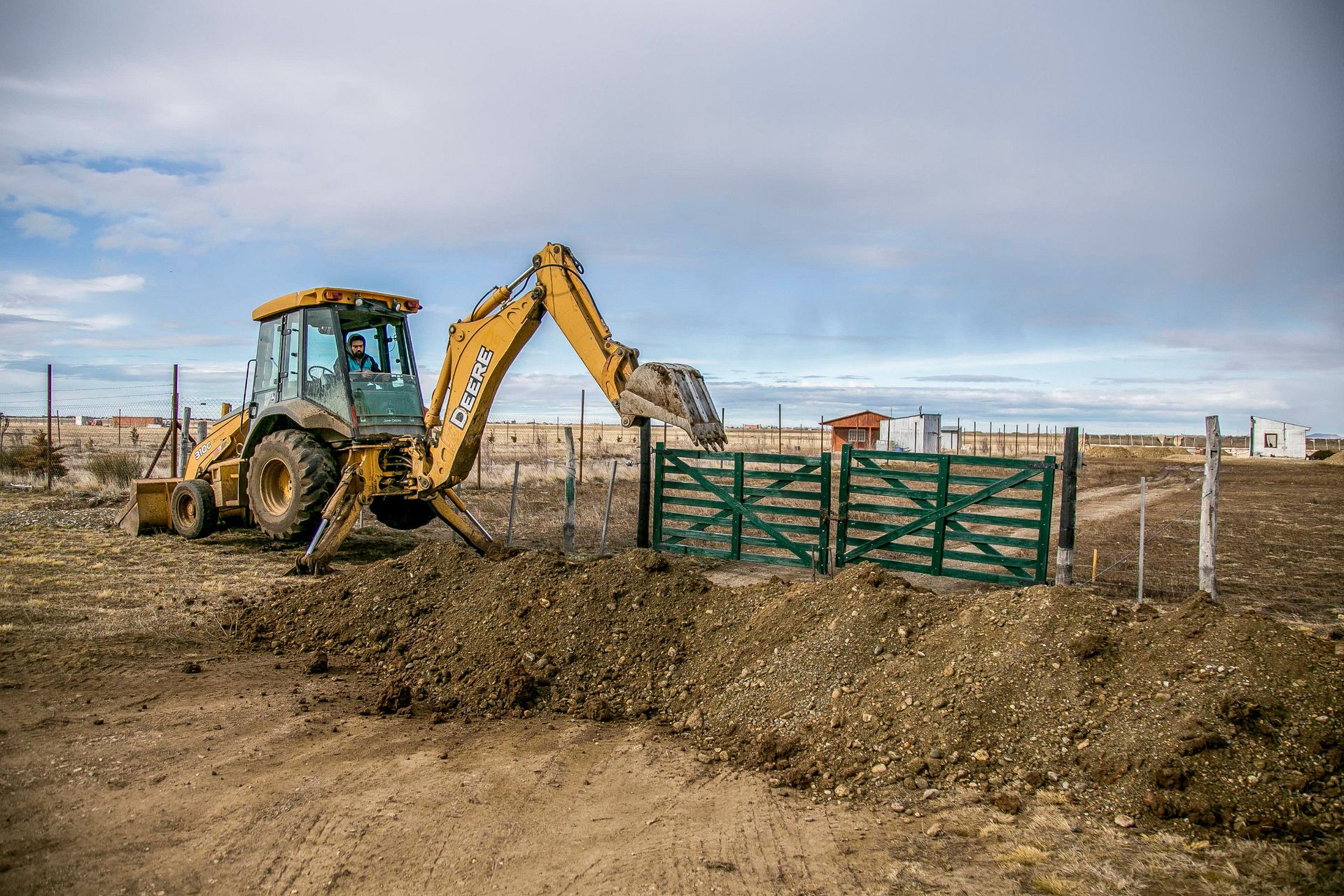
Excavation often begins with site preparation. That can include clearing vegetation, removing debris, stripping unsuitable material, creating access for equipment, and starting the early grading that shapes how the property will function.
This is the point where the project stops being raw land and starts becoming a usable site.
Homesites and foundation excavation
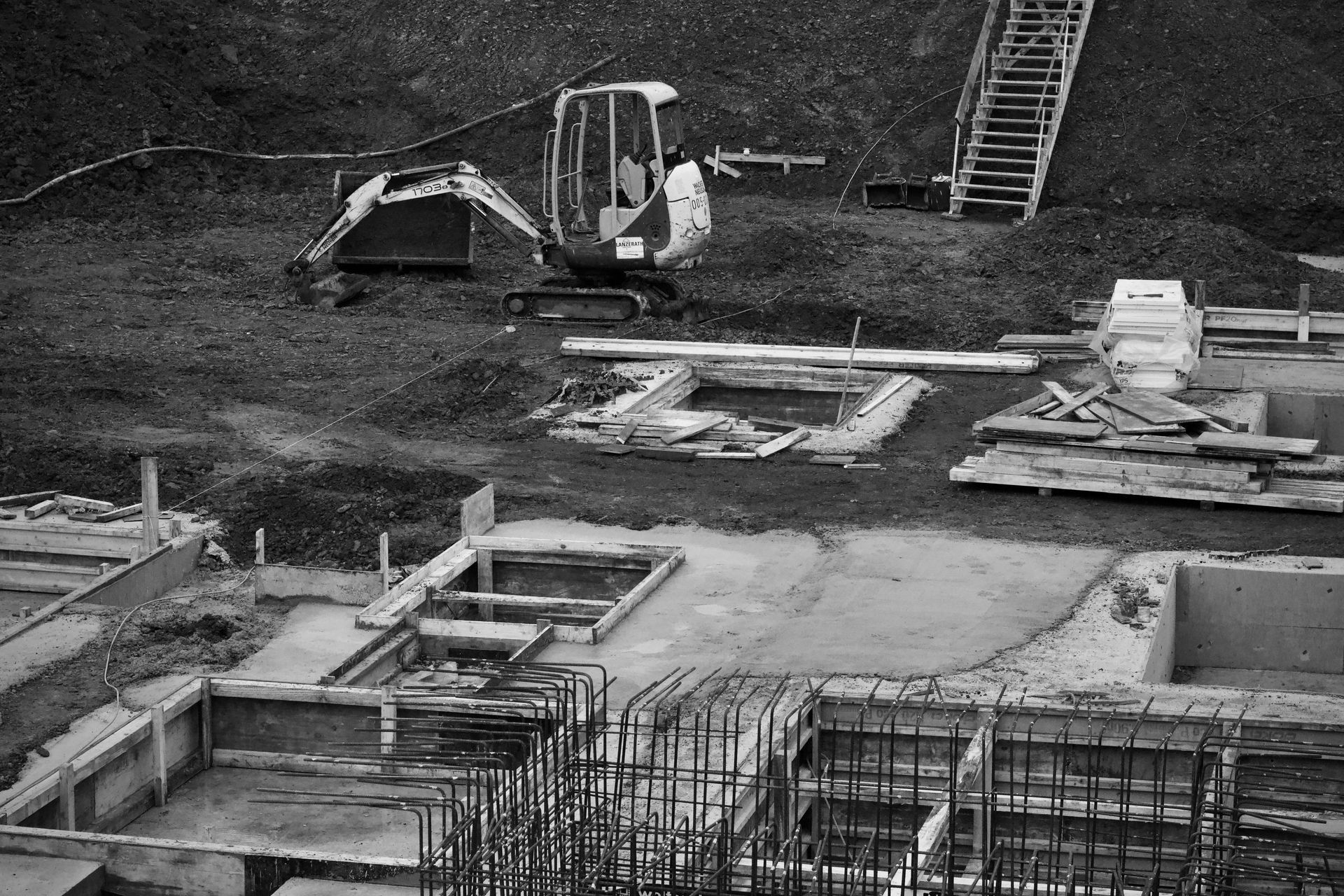
On residential projects, excavation often includes preparing the homesite, building pads, foundation cuts, garage pads, shop pads, and driveway alignment. This is where the structure starts to take shape on the land, even before concrete is poured.
A contractor who understands building sites knows that a pad is not just a flat area. It has to support the structure, direct water away from it, and work with the rest of the property.
Septic installation
For many rural Colorado properties, septic is one of the most important parts of the excavation scope. It is also one of the parts that leaves the least room for error.
A septic system has to be placed, graded, and installed correctly to perform well and meet requirements. It also has to fit the lot, soil conditions, drainage, and long-term use of the property. That is why
septic installation is so often tied directly to the broader excavation plan.
Utility trenching and utility repair
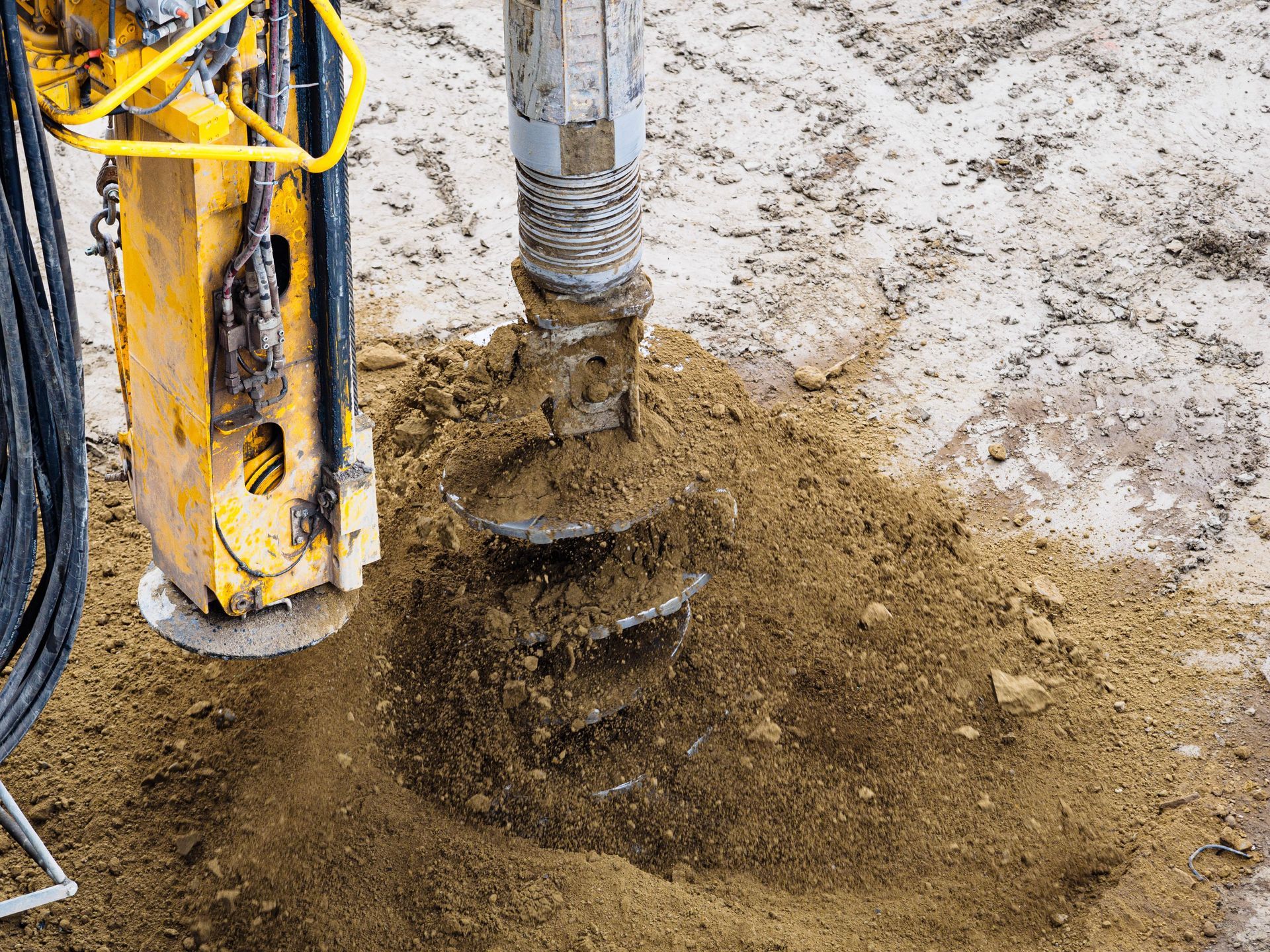
Excavation is also what makes underground infrastructure possible. Water, sewer, gas, conduit, and communications all rely on accurate trenching and the right sequence of work.
On a real project, utility trenching often overlaps with driveway planning, pad grading, drainage, and final access. That is why
utility installation and repair should be looked at as part of the site system, not as a separate isolated task.
Drainage correction and land shaping
A lot of excavation value comes from controlling water and shaping the site in a smarter way. Swales, ditches, positive drainage, culvert work, erosion control, and pond or ditch shaping all fall into this category.
On many jobs, Able Excavation likely sees the same thing happen: a client starts out thinking they just need a pad or driveway, but once the work begins it becomes clear that drainage is part of the job too. That is normal. Water has a way of exposing weaknesses in a site plan.
Trucking, hauling, and road prep
Excavation also depends on material moving in and out efficiently. Spoils have to leave. Fill, gravel, and base have to arrive. Roads and driveways need the right support underneath them.
That is why trucking and hauling and subdivisions and roads are such important parts of Earth Worx. The digging is only part of the equation. Material management is what keeps the project moving.
An Expert Reminder About Why This Work Matters
A useful way to think about excavation comes from the EPA’s definition of regulated construction activity:
“Construction activity includes earth-disturbing activities such as clearing, grading, and excavating land.”
That is a simple line, but it explains a lot. The site work is not separate from the project. It is the beginning of the project.
What Usually Affects Excavation Cost
Excavation costs vary because the site conditions vary.
Some of the biggest drivers are slope, rock, wet conditions, access, hauling distance, utility complexity, septic requirements, and the amount of grading needed. A flat accessible lot with simple utilities is very different from a rural parcel with long access, drainage problems, and imported fill needs.
That is why a cheap excavation number can be misleading. One contractor may include haul-off, compaction, grading refinement, and drainage support. Another may not. The lower bid is not always the better value if it leaves out the work that actually makes the site perform.
What to Look for in an Excavation Contractor
You want a contractor who sees the site as a system.
That means someone who can think through:
- the buildable area
- water movement
- utility routes
- septic location
- access and hauling
- grading and compaction
- how today’s excavation affects next year’s site performance
This is where experience matters. A contractor who has worked across
commercial excavation, residential sites, agricultural work, utilities, drainage, and roads is usually better positioned to spot issues early and sequence the work better.
Final Thoughts
Earth Worx is important because it is the groundwork behind everything else. It is what makes a site usable, stable, accessible, drainable, and ready for the next phase. If it is done well, the rest of the project has a better chance of going smoothly. If it is rushed or under planned, problems often show up later when they are more expensive to fix.
If you are building or improving property in Western Colorado, excavation should not be treated as just an early line item. It should be treated as one of the most important performance stages of the whole job.