
Excavating Companies Near Me: How to Pick the Right Company for You
TL;DR
- What is the going rate for excavator work? Current national planning figures commonly place an excavator with an operator between approximately $100 and $300 per hour. That is not a guaranteed Western Colorado rate. The machine size, attachment, operator experience, transportation, fuel, ground conditions, trucking requirements, and minimum billing period all affect the actual price. A larger excavator may cost more per hour but finish heavy work faster than a smaller machine.
- How much does excavation cost? Many smaller residential excavation projects fall within a broad range of approximately $1,100 to $6,900, but full homesites, foundations, septic systems, roads, commercial sites, deep utility trenches, and rock excavation can cost substantially more. A useful estimate should include the complete scope, not only machine time.
- What are the three main types of excavation? There is no single industry list limited to exactly three categories. For practical property planning, excavation can be grouped into earth excavation, rock excavation, and trench or structural excavation. Earth excavation removes ordinary soil, rock excavation handles material that cannot be removed efficiently with standard buckets, and trench or structural excavation creates defined spaces for utilities, foundations, septic components, and similar improvements.
- What is the best time of year to excavate? In Western Colorado, late spring through early fall is often the most workable period because the ground is generally thawed and weather windows are longer. However, spring snowmelt can saturate soil, summer heat can create dust-control needs, and winter excavation may require frozen-ground equipment. The best timing depends on soil moisture, elevation, access, permits, and the next construction phase.
- Should you hire the company with the lowest hourly rate? Not automatically. A low hourly rate can lead to a higher total bill when the machine is undersized, trucking is poorly coordinated, the operator works inefficiently, or the proposal excludes grading, compaction, hauling, and cleanup.
- Does Colorado 811 locate every underground line? No. Colorado 811 coordinates markings for participating public utilities. Private irrigation, septic lines, well piping, propane service, landscape lighting, and private electrical or waterlines may require a separate locate.
- When should you contact an excavation contractor? Call during early planning, before you finalize the building location, driveway, septic area, utility routes, drainage plan, or finished elevations. Early contractor involvement can reveal access and site conflicts before they become expensive changes.
- Able Excavation provides full-service excavation, including home and building site preparation, septic installation, utility installation and repair, trucking and hauling, and road and subdivision excavation.
When you search for excavating companies near me, proximity should be only one part of your decision. You need a contractor who understands soil, rock, drainage, underground utilities, access, material movement, compaction, and how today’s excavation affects every phase that follows. Whether you are preparing a homesite, installing septic, repairing a waterline, building a road, correcting drainage, or developing a commercial property, the quality of the work below the surface will influence the long-term performance of everything built above it.
What Does an Excavating Company Actually Do?
An excavation company removes, relocates, shapes, and stabilizes soil and other materials so land can support construction or another intended use.
The visible digging is only one part of the job. Professional excavation also involves understanding where the material will go, which soil can be reused, how water should move across the site, how utilities will cross the property, and what elevations the next contractor needs.
For example, preparing a homesite may require stripping organic topsoil, cutting down high areas, filling low areas, constructing access, excavating the foundation, trenching utilities, preparing the septic system, and grading the property for drainage. Those tasks are connected. Raising the building pad may change the driveway slope. Changing the driveway may redirect runoff. New runoff patterns may affect the septic area or neighboring land.
A capable contractor looks beyond the individual hole or trench and considers how the complete property needs to function.
What Are the Three Main Types of Excavation?
Excavation can be classified in many ways, including by material, purpose, depth, or construction method. For most homeowners, builders, and landowners, three broad categories provide a useful starting point.
Earth excavation
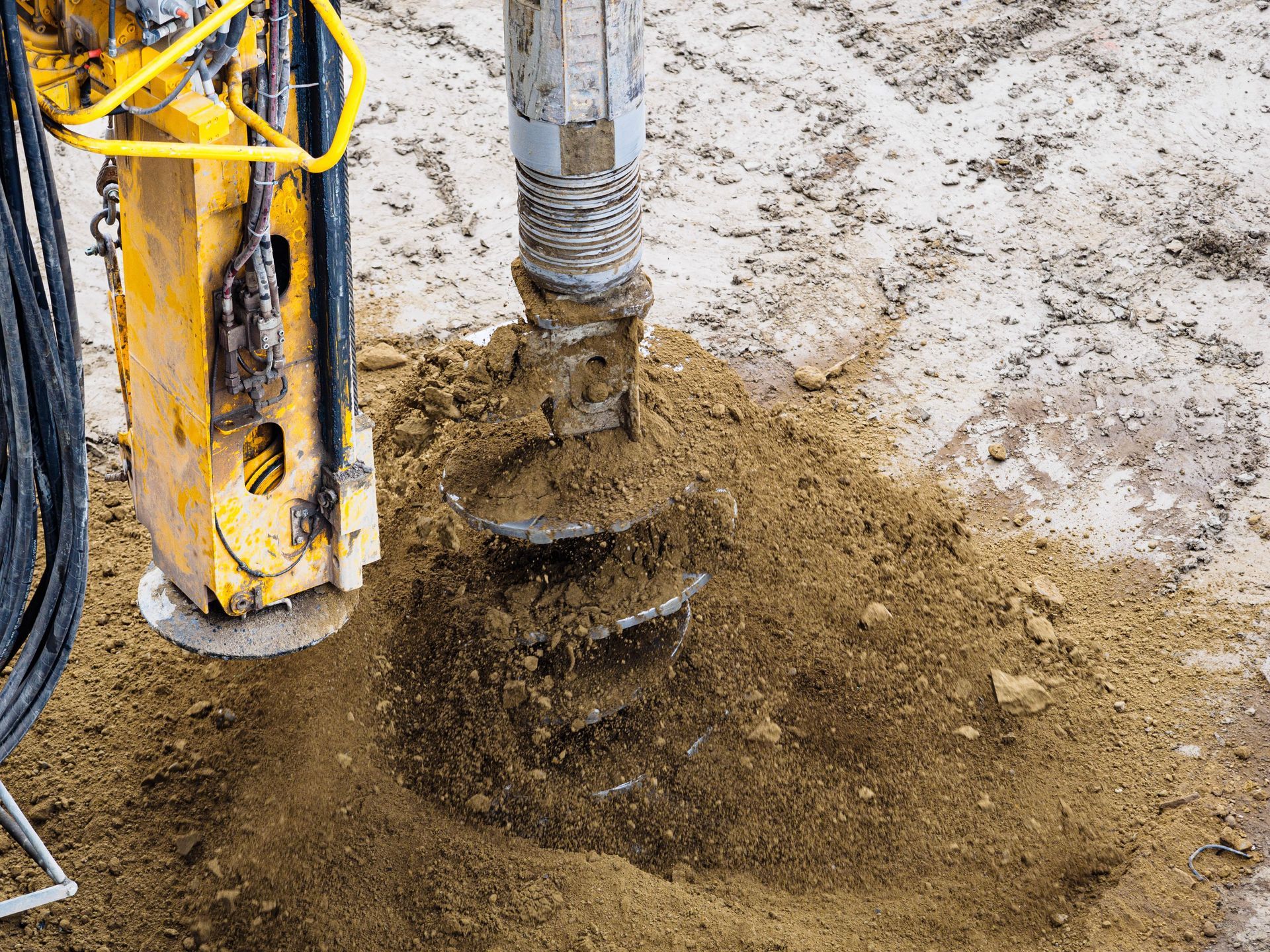
Earth excavation involves removing ordinary soil below the topsoil layer. It is used for homesites, foundations, ponds, roads, drainage improvements, septic systems, and general site development.
The work may look simple when the soil is dry and accessible, but the contractor still needs to control depth, slope, material separation, and final grade. Clay, wet soil, loose fill, buried debris, and cobble can all change how productive the equipment is.
Rock excavation
Rock excavation is required when material is too hard, large, or consolidated to remove efficiently with a standard digging bucket.
The crew may need hydraulic breakers, rock buckets, saws, ripping equipment, or larger machines. Rock also creates additional handling challenges. It may need to be separated, stockpiled, crushed, reused, or hauled away.
Unexpected rock is one of the most common reasons excavation costs increase. Your contract should explain how rock will be identified, documented, and priced if the quantity is unknown before work starts.
Trench and structural excavation
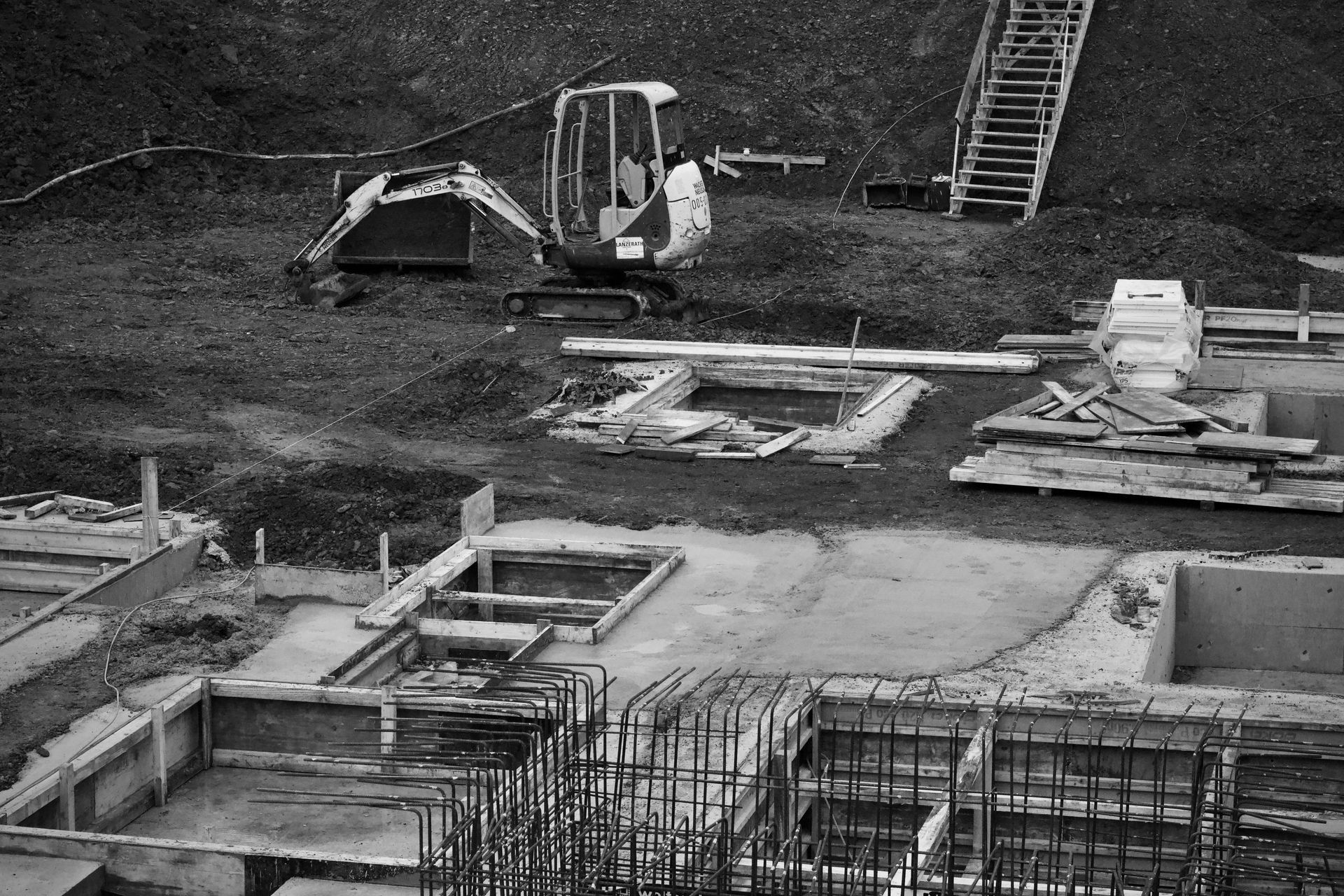
This category includes defined excavations for foundations, utility lines, septic piping, culverts, footings, retaining walls, and other constructed systems.
Accuracy and safety become especially important because these excavations must meet specific dimensions and elevations. A gravity sewer line needs consistent slope. A foundation excavation must align with the plans. A septic tank and treatment area must follow the approved design.
Deeper trenches may also require sloping, benching, shoring, or shielding to protect workers. This is not optional production overhead. It is part of performing the work correctly.
| Cost Factor | Why It Matters | Questions to Ask |
|---|---|---|
| Project size and depth | Determines excavation volume and equipment time | What quantities are included? |
| Soil and rock | Changes production and equipment requirements | How is unexpected rock priced? |
| Access | Controls machine and truck efficiency | Can the proposed equipment reach the work area? |
| Hauling | Affects spoil removal and material delivery | Are trucking and disposal included? |
| Imported materials | May include fill, road base, bedding, or topsoil | What material and quantity are included? |
| Utilities | Can require locating, potholing, rerouting, or hand excavation | Who handles public and private locating? |
| Drainage | Influences grades and long-term site performance | Where will runoff go after construction? |
| Compaction | Affects settlement and structural stability | What compaction method or testing is included? |
| Restoration | Determines the final condition of the property | Is cleanup, grading, seeding, or road repair included? |
What Is the Going Rate for Excavator Work?
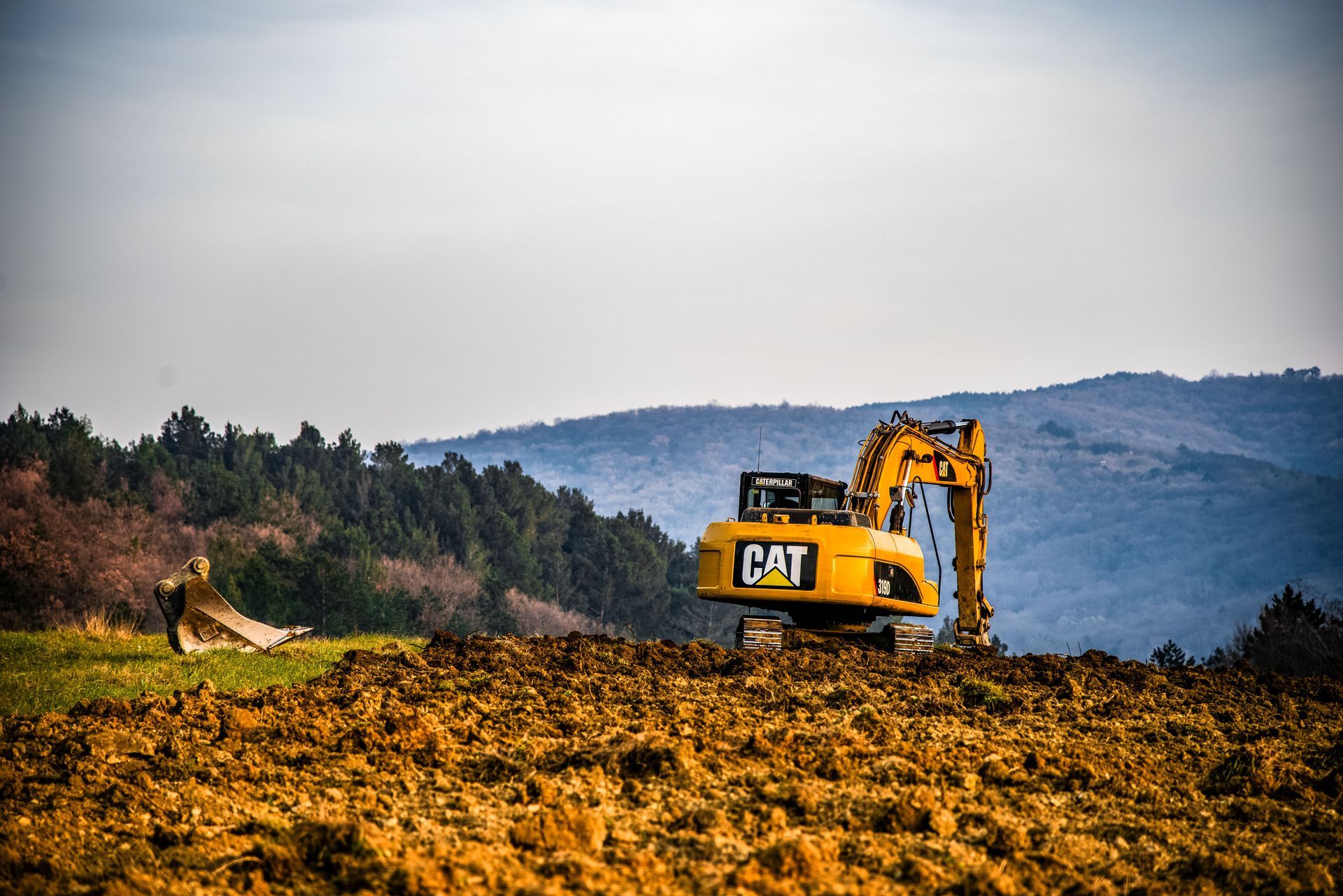
A common national planning range for an excavator and operator is approximately $100 to $300 per hour. That range is broad because “excavator work” can describe anything from a compact machine digging a shallow landscape feature to a large excavator breaking rock on a commercial site.
Your actual rate may account for:
- The excavator’s size and operating cost
- The operator’s experience
- Fuel and maintenance
- Specialized buckets or attachments
- Transportation to and from the property
- Support equipment
- Minimum daily or hourly charges
- Insurance and company overhead
The hourly number alone does not tell you whether the proposal represents good value.
Imagine one contractor charges $150 per hour for a compact excavator while another charges $230 per hour for a larger machine. If the larger excavator completes the work in half the time and loads trucks more efficiently, the higher hourly rate may produce a lower final cost.
The same principle applies to operator skill. A knowledgeable operator who understands grade, soil behavior, and material placement can accomplish more while reducing over-excavation and correction work.
How Much Does Excavation Cost?
Smaller residential excavation projects may fall between approximately $1,100 and $6,700, but this general range does not reliably price a full Western Colorado project.
A short drainage correction on an accessible lot is not comparable to a foundation in rock, a remote septic installation, or a commercial utility project.
Your total cost is shaped by how much material must be moved, how difficult it is to remove, where it goes, what material must replace it, and what condition the property must be left in.
Soil and subsurface conditions
Dry, workable soil can usually be excavated more efficiently than saturated clay, cobble, loose fill, or bedrock. Difficult material slows production and may require additional machines or attachments.
Conditions below the surface are not always visible during the estimate. A responsible proposal should include reasonable assumptions and explain how unexpected conditions will be handled.
Access and mobilization
Equipment and trucks need a safe route to the work area. Narrow gates, steep drives, weak culverts, overhead lines, soft ground, and limited turning space can restrict the machines that can be used.
A remote mountain or ranch property may also require longer equipment transportation and material-hauling distances. Mobilization can therefore represent a meaningful part of the project even when the excavation area is relatively small.
Hauling and material delivery
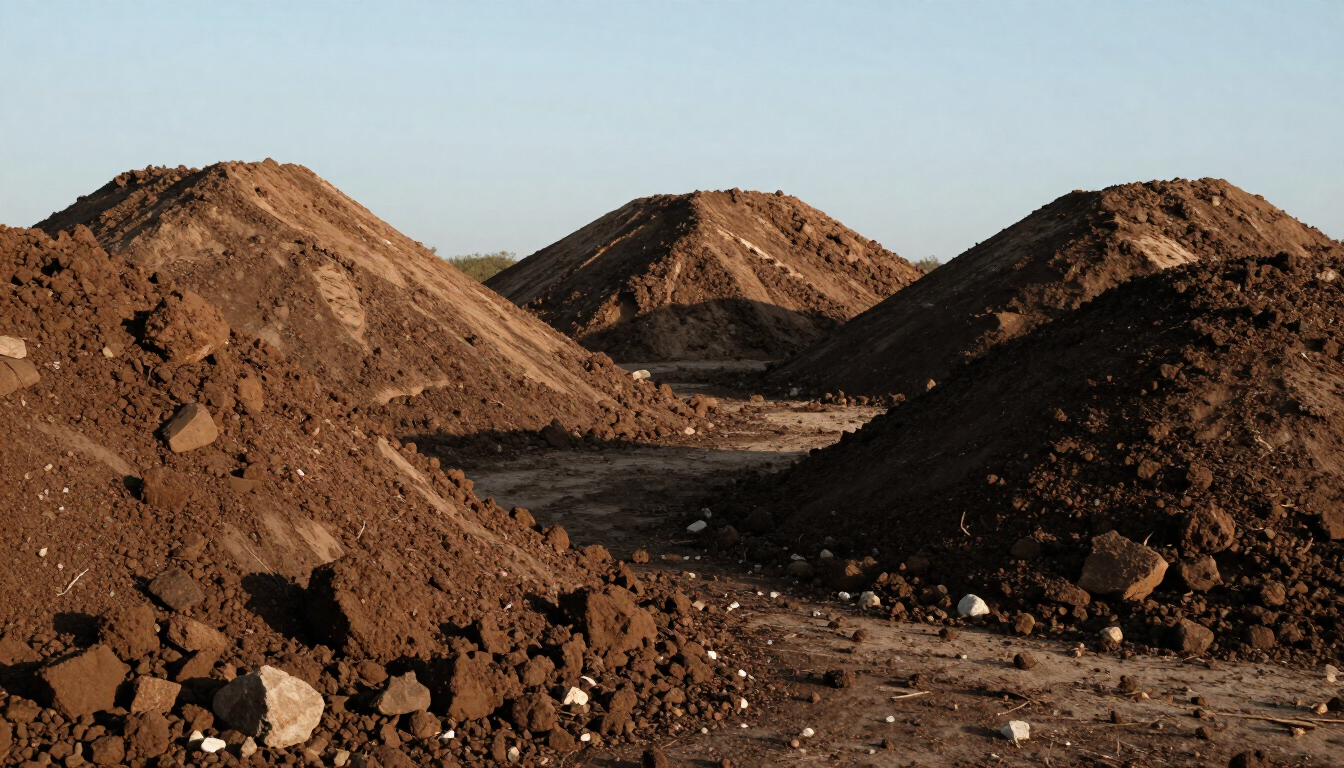
Excavated soil expands after it is loosened, so the spoil pile often occupies more space than the original in-ground material.
Some soil may be reused for grading. Organic topsoil may be preserved for restoration. Rock, wet soil, construction debris, or unsuitable fill may need to be removed.
At the same time, the project may require imported road base, pipe bedding, structural fill, gravel, sand, or topsoil. A contractor with coordinated trucking and hauling capabilities can keep material moving without leaving excavation equipment idle.
Compaction and finished grading
Excavation is not necessarily complete when the hole is filled.
Structural areas, utility trenches, building pads, and roads may need material placed in controlled layers and compacted to reduce settlement. The final surface may also need to be graded for drainage and prepared for concrete, gravel, landscaping, or construction.
A proposal that includes only excavation will naturally cost less than one that includes imported fill, compaction, finish grading, and restoration. You should compare the finished result, not just the headline total.
What Is the Best Time of Year to Excavate?
Late spring through early fall often provides favorable excavation conditions in Western Colorado, but calendar season alone should not control your decision.
Spring excavation
Spring can offer moderate temperatures and thawed ground, but snowmelt and seasonal runoff may leave soil saturated. Working wet soil can damage access routes, reduce compaction quality, and create unnecessary disturbance.
A site may look dry on top while remaining soft below. Your contractor should evaluate actual soil conditions rather than mobilizing based only on the date.
Summer excavation
Summer often provides longer days, predictable access, and dry working conditions. It is a common time for homesites, roads, septic systems, utilities, and commercial projects.
The tradeoff is dust. Dry roads, exposed soil, and truck traffic may require construction water and dust mitigation. Able Excavation’s hauling services include bulk water delivery and dust-control support for rural and construction sites.
Fall excavation
Early fall can be an excellent period because soils may remain workable while temperatures become more moderate. It can also be a busy construction season as property owners try to complete underground work before winter.
You need enough schedule after excavation for inspections, concrete, utilities, road surfacing, or other weather-sensitive phases.
Winter excavation
Excavation can be performed during winter, but frozen ground, snow removal, short daylight hours, and difficult access may increase cost. Frozen material may also be unsuitable for certain backfill and compaction applications.
Winter work can still make sense for an emergency utility repair, certain commercial schedules, or sites where frozen conditions temporarily improve access. The contractor should evaluate the specific ground and project requirements.
Which Excavation Services Might You Need?
Home and building sites
A complete homesite may require clearing, topsoil stripping, access construction, building-pad preparation, foundation excavation, utility trenching, septic installation, drainage, and final grading.
Planning these phases together helps prevent the driveway, well, septic area, and utility routes from competing for the same space. Able Excavation’s home and building site services are structured around completing those connected phases rather than treating each one as an isolated dig.
Septic system installation
A septic project includes more than excavating a tank hole. It may involve test pits, an approved design, building sewer trenching, tank placement, treatment-area construction, inspection, backfill, drainage, and final grading.
The installation has to protect the soil treatment area from compaction and excessive runoff. Able Excavation is a nationally certified septic installer serving residential and commercial properties across Western Colorado.
Utility installation and repair
Water, sewer, electrical conduit, gas, irrigation, and communication lines all require accurate routes, suitable depth, appropriate bedding, and controlled backfill.
Public and private utilities must be identified before work starts. Colorado 811 locates participating public infrastructure, but privately owned lines may require separate locating.
Able Excavation’s utility installation and repair capabilities include trenching, ground-utility work, sewer-camera services, and HDPE pipe fusing for qualifying projects.
Drainage and grading
Drainage problems are rarely solved by moving water a few feet away. You need to understand where the water goes next.
A proper correction may involve regrading, swales, ditches, culverts, rock protection, soil stabilization, or reshaping a larger portion of the property. The goal is to create a controlled path without sending the problem toward a foundation, septic area, road, or neighboring parcel.
Roads and driveways
A durable road depends on the soil beneath the gravel. Simply spreading new material over weak, wet, or poorly drained ground usually provides only temporary improvement.
Road excavation may include removing unsuitable soil, shaping the subgrade, correcting drainage, installing culverts, importing base material, compacting the road, and establishing a crown or cross-slope.
Able Excavation provides road and subdivision excavation for private properties, developers, and municipalities.
Why Local Western Colorado Experience Matters
Western Colorado includes agricultural valleys, rocky foothills, mountain terrain, irrigated properties, rural ranches, and developed commercial corridors. Two properties a few miles apart can present completely different excavation conditions.
A contractor familiar with the region is more likely to understand how snowmelt affects access, where clay or cobble may be encountered, how far materials must be hauled, and which machine can work effectively on a steep or confined site.
Local knowledge does not eliminate underground uncertainty. It improves planning and helps the contractor recognize potential problems before they interrupt the project.
Able Excavation is based in Montrose and has more than 25 years of hands-on excavation experience rooted in four generations of working with the land. The company serves commercial, residential, and agricultural projects from valley properties to high-mountain sites.
What Colorado 811 Does and Does Not Cover
The contractor or person performing the excavation must submit a locate request before digging.
Colorado 811 coordinates the marking of participating public utilities. The work should not begin until the required responses are complete and the markings are visible.
Private utilities remain your responsibility. These can include irrigation lines, propane systems, septic piping, private electrical feeds, well lines, landscape lighting, and utilities installed beyond the public meter.
This distinction is particularly important on ranches, older properties, and commercial sites where years of private improvements may not appear on public records.
OSHA summarizes the importance of planning clearly:
“Pre-job planning is vital to accident-free trenching. Safety cannot be improvised as work progresses.”
A contractor who does not discuss locating, trench conditions, safe access, or underground conflicts is overlooking fundamental excavation risks.
An Able Excavation Example
On a Western Colorado ranch waterline repair, a leaking line had saturated the surrounding pasture. Reaching the damaged pipe was only part of the job.
The crew also had to manage wet soil, maintain a workable excavation, repair the line, address drainage, and leave the ground stable and usable for the property owner.
That example reflects a principle that applies to most excavation projects. You are rarely paying only for dirt removal. You are paying for the contractor to understand the problem, reach the work safely, manage changing site conditions, and leave the property functioning correctly afterward.
How to Compare Excavating Companies Near You
Start by making sure each contractor is estimating the same work.
One proposal may include hauling, imported material, compaction, drainage, and final grading. Another may include only machine time and rough backfill. Comparing those totals without reading the scope creates a false price comparison.
Ask each contractor to explain what is included, what is excluded, and what conditions may change the price. Pay particular attention to rock, groundwater, private utilities, material disposal, imported fill, permits, inspections, and restoration.
You should also verify relevant experience. A contractor who performs landscape grading may not be equipped for a deep commercial utility trench. A road contractor may not have the certifications or experience required for septic installation.
Look for the right fit for your particular project, not just a general claim that the company can move dirt.
Warning Signs to Watch For
Be cautious when a contractor gives you a firm price for complicated work without reviewing the site, plans, access, or subsurface assumptions.
You should also question a proposal that does not address utility locating, spoil removal, drainage, compaction, or the final condition of the property.
Insurance and qualifications should be verifiable. Larger commercial, municipal, and development projects may also require bonding.
Finally, pay attention to communication. Excavation frequently reveals conditions that cannot be seen from the surface. You need a contractor who will document those conditions, explain their effect, and obtain approval before proceeding with significant additional work.
Final Takeaway
When searching for excavating companies near me, do not make your decision based only on distance or hourly rate.
The best contractor for your project should understand the specific work, Western Colorado conditions, equipment requirements, hauling, drainage, utility risks, compaction, and finished result.
A lower hourly rate does not guarantee a lower total cost. A nearby contractor is not automatically qualified for every excavation specialty. A short proposal is not necessarily a complete proposal.
Choose the company that can clearly explain what your land needs, how the work will be completed, what could change the scope, and how the site will function when the equipment leaves.
Share this article
Recent Posts