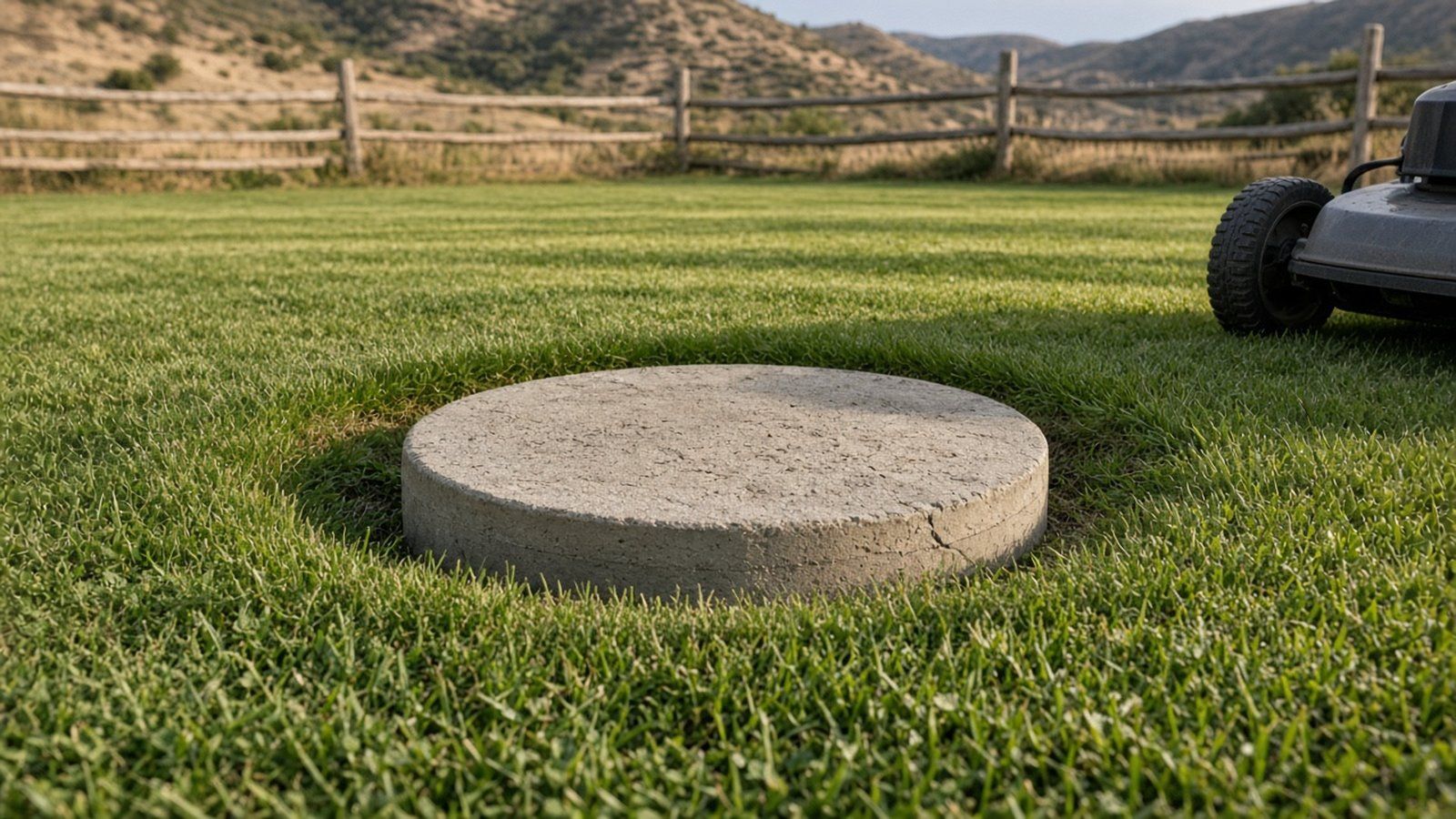
Sewer Cleanout Location: Who Sets Placement
The important questions are usually not "can I put it wherever I want." They are: what does local plumbing code require, what does the building or health department expect, and where does the lateral actually run on this lot.
Placement follows the adopted plumbing code and local amendments, and the inspector or permitting authority has the final word. Beyond that, crews weigh practical factors: straight runs of lateral, distance from the foundation, keeping the riser out of driveways and future landscaping, and keeping the cap findable after snow. On septic-served properties, the relationship between the access point and the tank also shapes the layout.
Can you choose the spot? Partly. Code and the path of the lateral constrain it, and a careful crew walks those tradeoffs with you before digging. Depth is a site answer too. Local code and freeze conditions set how deep the lateral sits; there is no honest single number for every Western Colorado yard.
New Install Versus Retrofit
During sewer line installation or replacement
New construction and full line replacement are the natural moments. The trench is already open, the lateral is exposed, and adding the cleanout is a small increment of a larger job. Keep the access point in the same sewer scope as the rest of the lateral. If you are planning
sewer line repair or a full replacement, the access point belongs in that conversation before the trench closes.
Builders and general contractors scoping a new service line should see cleanout placement in the bid. If it is missing, ask early.
Retrofitting an existing line
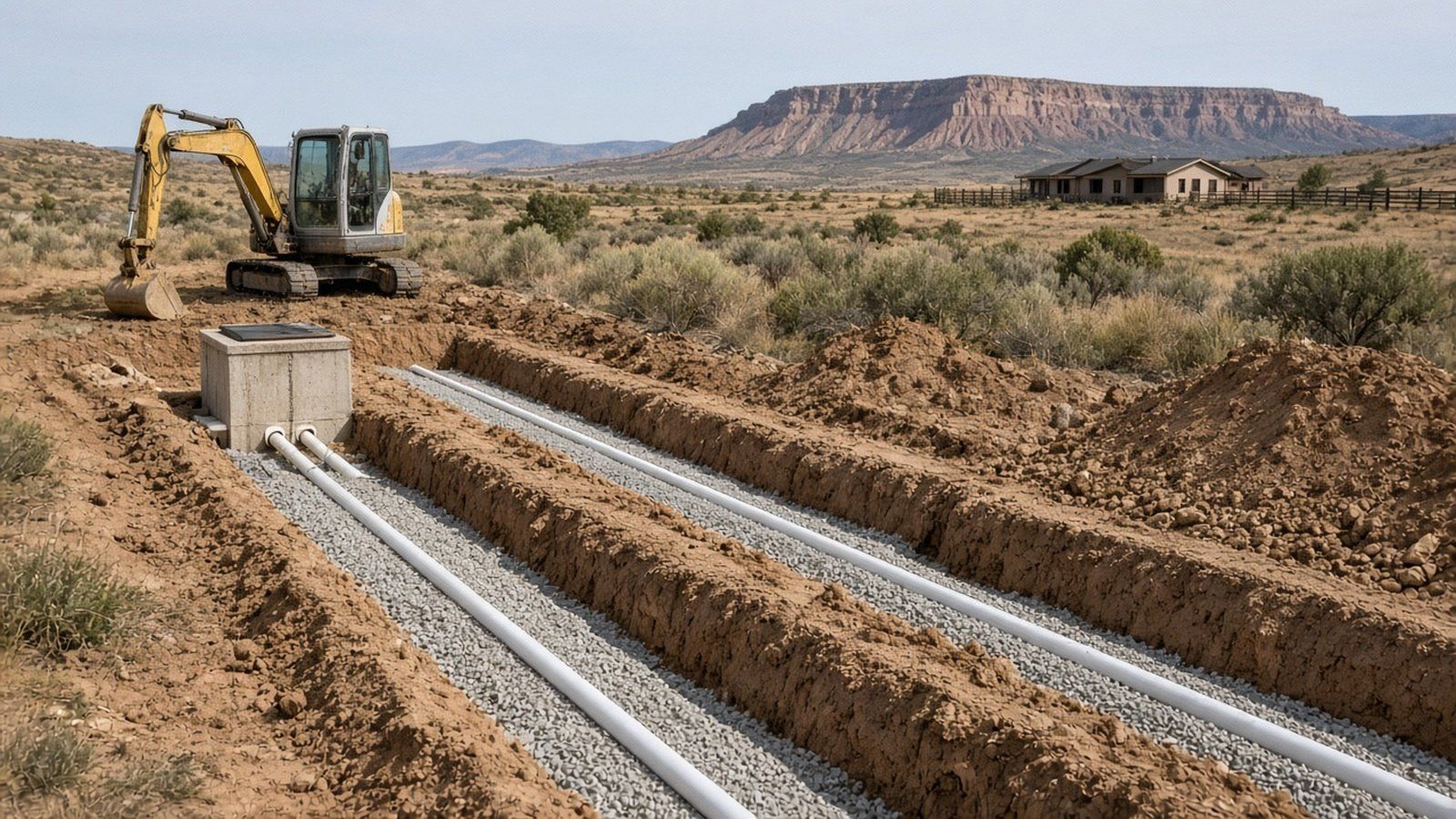
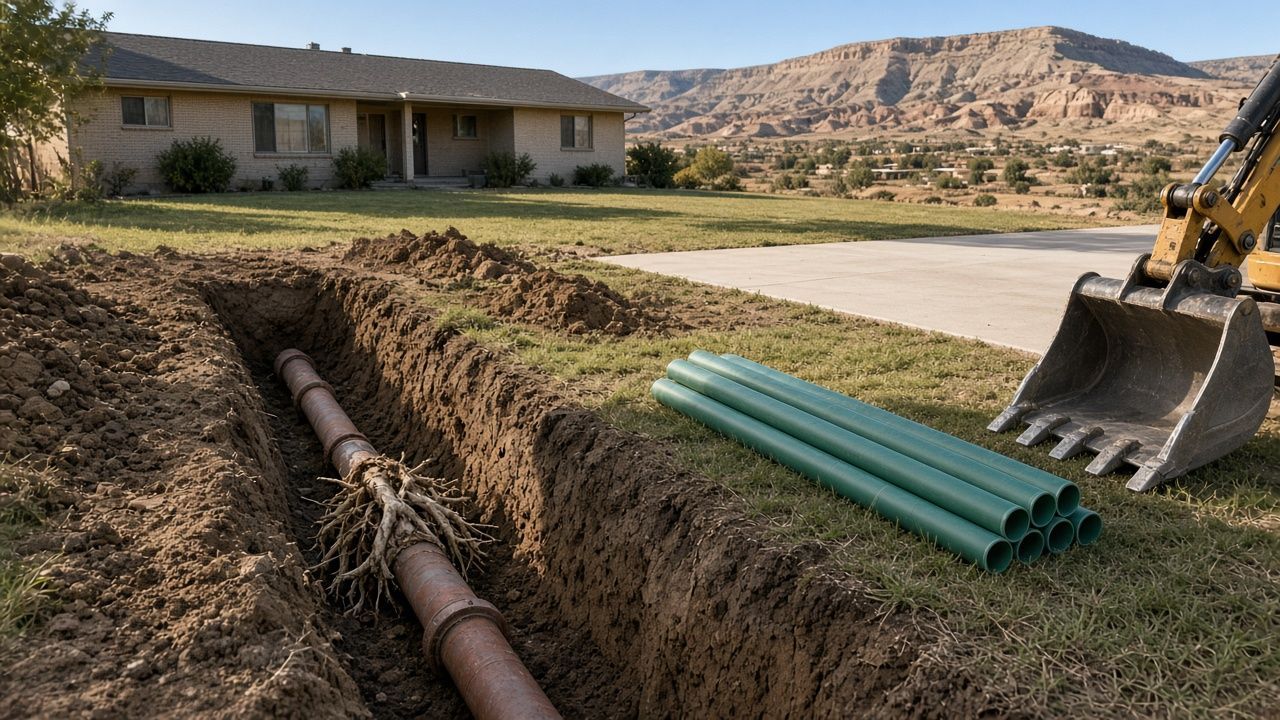
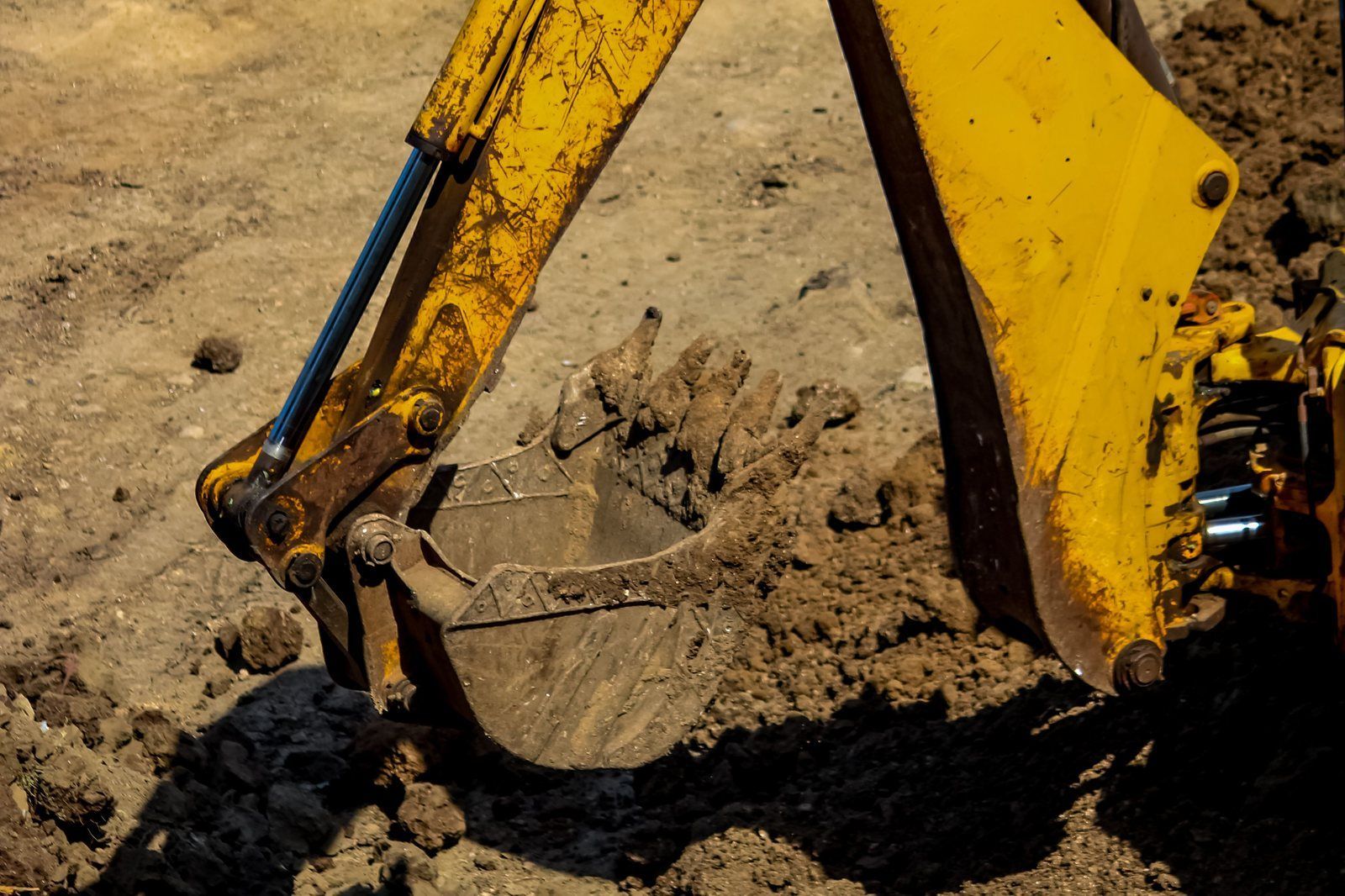
The more common Western Colorado case is an older home with a lateral already in the ground. The work is straightforward to describe: excavate to the lateral at the chosen point, cut in the fitting, install the riser, then backfill and compact. This is open excavation work.
Can you add one without digging up the whole line? Often yes. The dig is usually localized to the access point. Schedule and depth depend on the property, so those answers come from a site visit, not a blog article. Camera work to trace the line is often part of finding it. If you are weighing a retrofit against replacing a failing run, Able's guide to
sewer line replacement cost covers that broader decision.
Before Anyone Digs: Colorado 811 and Private Lines
Colorado 811 is the one-call locate service. You are legally required to contact it at least three business days before digging. Utilities then mark their public lines. On cleanout work this matters because sewer laterals often share a corridor with water, gas, and other utilities.
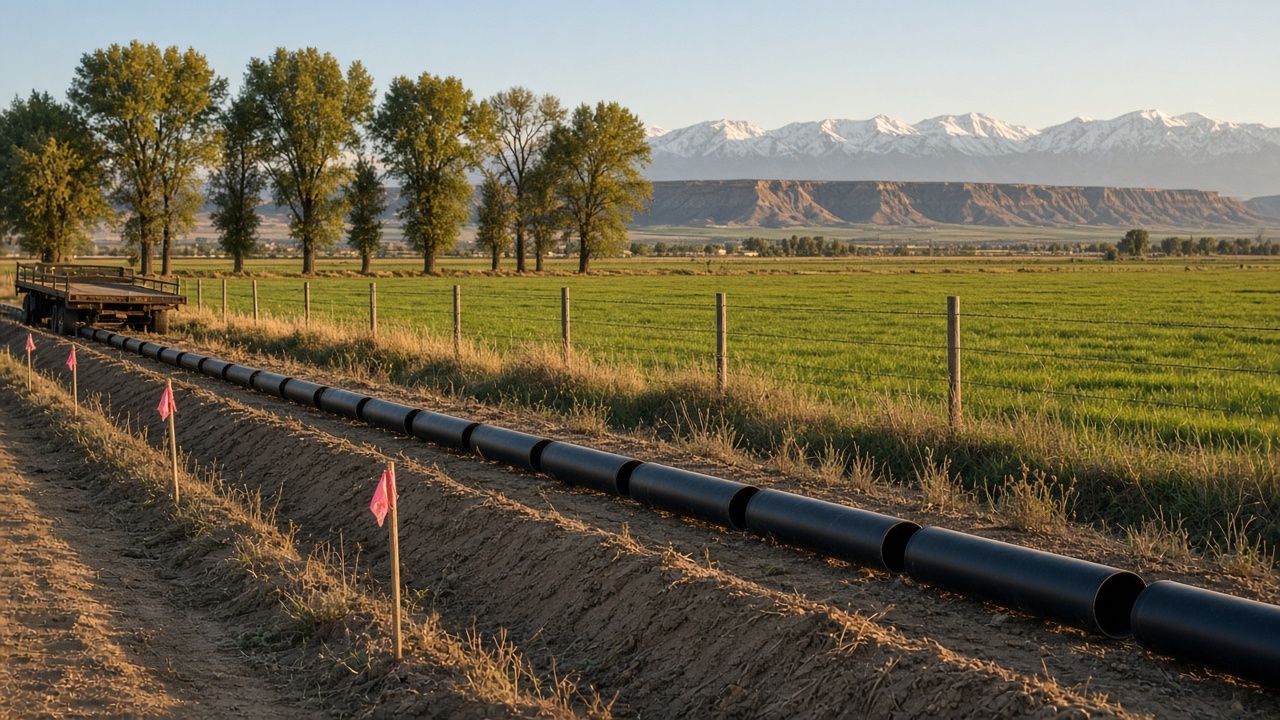
The part owners miss: 811 marks public utility lines. Privately owned lines, including your own sewer lateral on the property, are usually not included. Nobody paints your lateral for you. That is why the excavating crew's care matters, and why tracing the line before cutting into it is often part of the job. The party doing the excavation should handle the locate request. Expect that of whoever you hire.
How the Dig Usually Unfolds
Finding the line comes first on a retrofit: records if they exist, the building's plumbing layout, and often a camera pass. Then the locate marks. Then a localized dig to expose the lateral at the planned point. Site conditions change the work: rock, tight access between landscaping and structures, and ground that is frozen or soft after irrigation season.
With the line exposed, the crew opens it, ties in the cleanout fitting, and sets the riser plumb so the cap sits just above finished grade. PVC is common on modern laterals, though materials vary by property and jurisdiction. Backfill and compaction finish the job so the spot does not settle into a dip next season. Surface restoration may be part of the bid or left for landscaping; get that in writing.
Sewer Cleanout Installation Cost: What Moves the Number
Every figure below is a national estimate, not Able pricing. According to
Angi's 2026 sewer cleanout installation cost guide (updated October 16, 2026), the national average is about $2,700, and most homeowners pay $1,400 to $3,500. Angi lists two-way cleanouts at $1,000 to $3,500 and one-way cleanouts at $650 to $2,000.
What usually moves a Western Colorado bid:
- New install versus a retrofit dig on an existing line
- Depth of the lateral and how much excavation that requires
- Ground conditions and equipment access
- Whether camera work is needed first to locate the line
- Surface restoration: lawn, irrigation, driveway edges
A bid that only says "install cleanout" next to a number is incomplete. Compare the checklist below instead.
Safety While the Trench Is Open
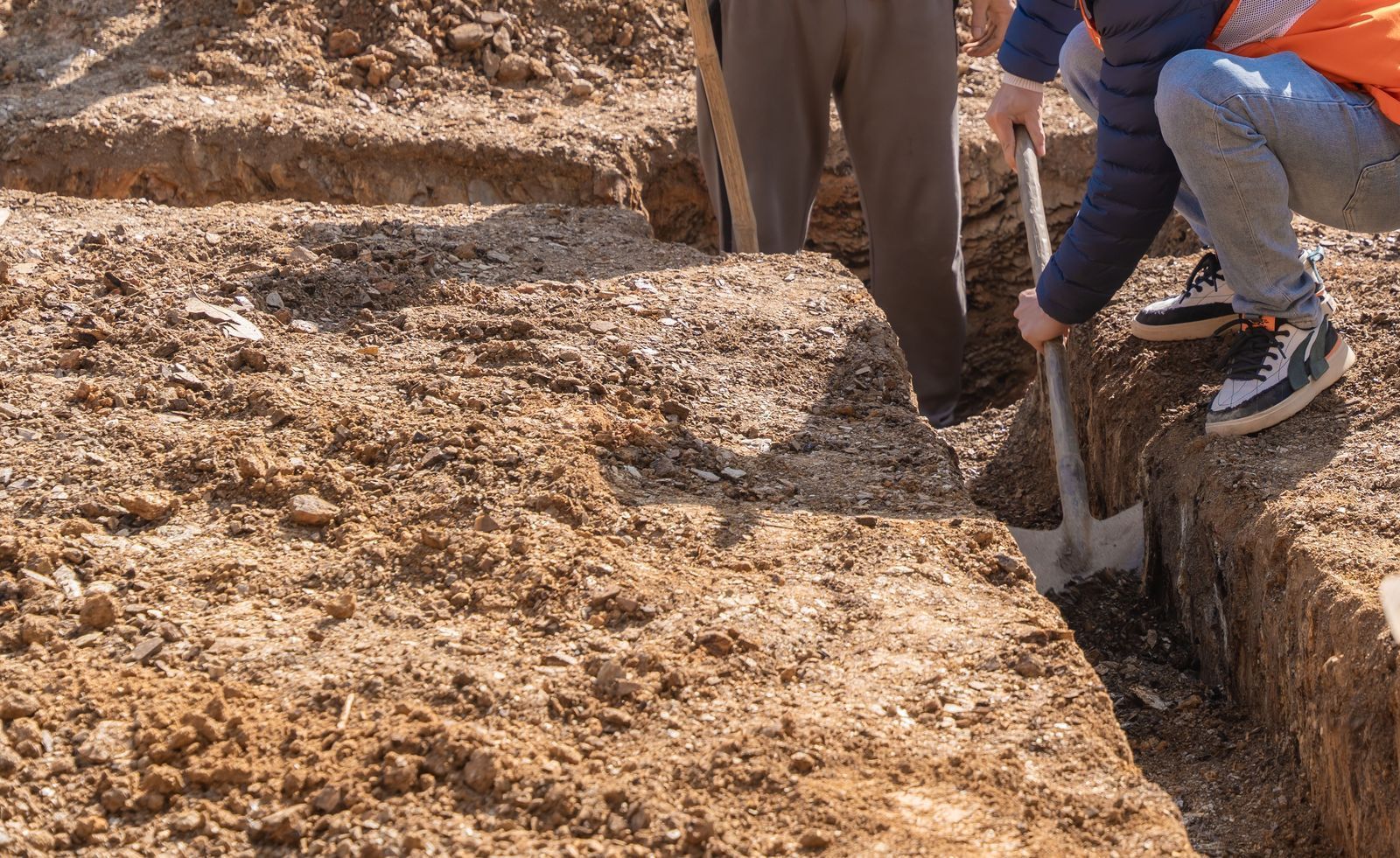
OSHA's trenching and excavation guidance treats cave-ins as the greatest risk to workers' lives. Crews prevent them by sloping or benching trench walls, shoring them, or shielding them with trench boxes. Spoil piles stay back from the edge, and nobody enters an uninspected trench. Keep kids and pets away from the open dig. An open sewer lateral also carries exposure risk; treat it as a jobsite, not a viewing area.
What a Fair Bid Should Spell Out
- Scope: cleanout installation as part of the sewer line work, including the tie-in and the riser set to grade
- Colorado 811: who files the locate, and how private lines will be found since 811 will not mark them
- Depth and unknowns: what happens if the line is deeper or different than expected
- Backfill and compaction, plus who restores the surface and to what standard
- Camera inspection: included before or after, or quoted separately
- Insurance: confirm coverage before work starts
Able Excavation is based in Montrose, with four generations of work on the land, more than 25 years of excavation experience, and a fully insured and bondable operation. Justin holds national certification from NAWT. Able's utility work includes gravity sewer service lines, cleanout installation, and connection to municipal sewer mains, along with sewer camera inspection.
If you are looking for where a cleanout should go, or you want the sewer line scoped right before the trench closes, call (970) 596-9687 or
request a quote.