
Sewer Line Repair in Western Colorado: What to Confirm Before You Dig
You notice it before you fully understand it. A soggy stripe across the yard between the house and the street that never quite dries. A shallow depression that keeps settling no matter how many wheelbarrows of dirt you throw at it. A sour smell near the cleanout, or a drain that backs up on a Monday, clears by Tuesday, and backs up again by the weekend. By the time a camera has been run and the report comes back showing offset joints, root intrusion, or a sagged section of pipe, the real questions around sewer line repair are usually not about whether the line can be fixed. They are about which part of the line is whose problem to coordinate, what the dig will touch on the way down, and whether the bid covers putting your yard and driveway back the way you expect them.
Published by Able Excavation. This article provides general construction information and does not replace project plans, engineering, permit requirements, or site-specific safety procedures. Confirm current locate rules and ticket details at colorado811.org.
First, Confirm Who Owns and Operates What
Before anyone puts a shovel in the ground, get clear on the basic layout. Inside your house, you have the building drain. From the foundation to the connection point, you have the private sewer lateral. Beyond that connection point sits the municipal sewer main or the district's collection system.
Where the public system begins varies by provider and by property, so treat that boundary as something to confirm rather than assume. The first call after a camera diagnosis is often to your sewer provider or municipal public works department. Ask the question directly: is this repair my cost, the utility's cost, or a coordinated project? In many Western Colorado communities the answer depends on the provider's rules and on where the failure shows on camera, so this is a conversation, not a fixed rule.
One thing worth knowing early: a collapse near the tap or main connection usually requires coordination with the provider even when the excavation itself is entirely on private property. Access to the main, tapping procedures, and inspection requirements are set by them, not by you and not by your contractor. Finding that out during the scoping call is far cheaper than finding it out with an open trench.
If your property is on septic rather than municipal or district sewer, the scope is different. That work sits under septic installation. This article is about sewer line repair on a collection system.
What Sewer Line Repair Actually Involves
Repairing a Segment
Segment repair means excavating down to one failed section of pipe, whether that is a broken or bellied run, offset joints, root-invaded joints, or a localized collapse, then replacing that section and reconnecting to sound pipe on both ends.
Can you fix just the bad part? Sometimes, yes. When the camera footage shows the rest of the line in good shape and at proper grade, a spot repair is a defensible call. The footage is what makes it defensible rather than a guess. Without it, nobody is repairing a segment; they are gambling on one.
The honest caution: a spot repair on a line with multiple defects or widespread deterioration buys time rather than solving the problem. A good contractor will tell you that before digging, not after. If the camera shows three bad joints spaced along the run and a belly under the driveway, a single segment repair is a bandage on a failing system.
Full Sewer Line Replacement
Full replacement means excavating the entire lateral from the building to the connection point and installing new pipe with correct slope and bedding. Replacement tends to become the right scope when you see repeated segment failures on the same line, aged pipe material failing along the run, chronic root intrusion at multiple joints, a collapsed sewer line across a long section, or grade problems like bellies and sags that a spot repair physically cannot correct.
If you ask about trenchless options, the straight answer is that open excavation is what this team does, and it is what camera findings and site conditions in this region usually call for. The work here is camera diagnosis, excavation, repair, and sewer collapse repair, done with the ground opened up so the pipe, the bedding, and the connections can be seen and verified. You can read more about the utility side of this work on the utility installation and repair page.
Who Does the Work: Excavator, Plumber, or the Sewer Utility
In practice, the roles divide like this. A plumber typically handles everything inside the building, and often the snaking and camera work. The excavation contractor handles the dig, the pipe replacement in the ground, the bedding, the connections, the backfill, and the site restoration. The sewer provider sets the requirements for the tap or main connection and may require inspection before backfill.
Many sewer line repair projects in Western Colorado are a coordinated handoff: diagnose with a camera, then bring in the excavator for the sewer excavation and pipe work. An excavator who also runs sewer camera diagnostics can carry the problem from "where is it" to "here is the fixed line" without a scope gap between trades, which matters when the person who found the problem is not the person who fixes it.
Do you need a permit, and who pulls it? Directionally: repair and replacement of a sewer lateral often requires a permit through the local building authority or the sewer provider, and requirements vary by jurisdiction. Confirm with the provider and the contractor before the dig. Do not accept a bid that treats permits as someone else's problem to figure out later.
And to keep the septic distinction clear one more time: properties outside district service run septic, and that is a separate, NAWT-certified scope of work for Able, not part of this article.
Before the Machine Arrives: The Pre-Dig Checklist
Camera Findings, When Available
If the line has already been camera'd, the report should identify the failure type (root intrusion, offset joint, belly, crack, or collapse) and the approximate distance from the cleanout. That footage drives the dig location, the depth estimate, and the repair-versus-replace decision. Make sure you actually see it or get a copy.
If there is no footage and the symptoms are ambiguous, occasional backups, slow drains that come and go, a camera pass before excavation is the cheapest way to avoid digging in the wrong spot. This is a sequencing decision, nothing more: find it first, then dig.
Plans, Grades, and As-Built Information
Gather what exists: as-built drawings, original sewer plans, cleanout locations, and your own knowledge of where the driveway, irrigation lines, and other utilities cross the run. Then hold all of it loosely. Older lots around Montrose, Olathe, and Delta often have lines that were field-fit decades ago and match no drawing anyone can find. Expect the camera and the excavator's experience to overrule the paper.
Colorado 811 Locates: The Non-Negotiable Step
Every dig, every time: file with Colorado 811 before excavation and wait for locates and Positive Response before opening the trench. Verify current wait times and process requirements directly on colorado811.org, because the official guidance and timelines live there, not in a contractor's blog post.
The distinction buyers miss most often: 811 marks public utilities. Private lines are not marked by 811. Your private water line, irrigation system, gas yard line, electric running to a shop or well, and any other on-site lines have to be located separately, often with private locating or careful hand digging. Plan for that as its own step.
Why it matters: hitting a gas line or an energized conductor in a residential trench is the worst-case outcome of skipping this step. Hitting an unmarked irrigation line is the expensive-annoyance outcome. Both are avoidable, and both happen to people who were sure they knew what was in the ground.
Access and Surface Protections
Ask any contractor you are considering: what do you need to get equipment to the line? Gate widths matter. Fence sections sometimes need to come down temporarily. Landscaping, sprinkler heads, and mature trees over the run all affect the approach, and spoils have to be staged somewhere.
Here is a note that saves arguments later. On smaller Montrose-area lots, the trench often crosses a driveway or a landscaped yard. Whether the bid includes saw-cutting and patching asphalt, or replacing sod and repairing irrigation, is one of the biggest scope differences between competing bids. Two bids can look identical on the pipe work and still differ substantially in what happens to the surface.
How Western Colorado Conditions Change the Dig
Soils, Rock, and Groundwater
Western Colorado runs from heavy clay in the valley floors to rocky alluvial soils and shallow shale or sandstone on the benches and mesas. Rocky ground slows trenching and can change what equipment shows up and how the trench is opened. Clay behaves one way wet and another way dry, and that changes both the dig and the backfill plan.
On depth: the line must be installed to the depth required by the local jurisdiction and protected from freezing, and the contractor confirms the required depth with the permitting authority. Depth is a code question, not a guess.
Groundwater and irrigation seepage, common near ditches and irrigated acreage across the region, can require dewatering or open-trench management. Treat that as a cost and sequencing factor to discuss during scoping, not a surprise to discover mid-dig.
Freeze-Thaw, Season, and Scheduling
Freeze-thaw cycles affect backfill quality and how a restored yard settles through the first winter and spring. Compaction in lifts matters more here than in stable climates, because the ground will test the work whether anyone inspects it or not.
On scheduling: repairs done in frozen ground or during spring runoff carry different restoration outcomes. If the camera shows a slow-developing problem rather than an emergency, timing the dig is a legitimate conversation to have with your contractor. Waiting for better ground conditions can be the difference between a yard that heals and a trench stripe that haunts the lawn.
Trees, Roots, and Landscaping
Root intrusion at joints is one of the most common sewer line failure modes in the region, especially in established neighborhoods with mature cottonwoods, elms, and Siberian elms. Roots find a joint with the smallest gap and the line loses the fight over years.
Here is a decision point you deserve to hear honestly: keeping a large tree directly over a repeatedly failing line means keeping the failure mechanism. The bid and the plan should state whether tree removal or root pruning is in scope. If the yard needs regrading afterward because the trench line settled, that restoration and grading work is worth planning at the same time rather than bolted on later.
The Staged Process: Diagnose to Restore
Use this sequence to evaluate any contractor's bid or explanation. If a bidder cannot walk you through these steps, that tells you something.
- Diagnose. Camera the line, review the footage, identify the failure type and location, and settle the scope question: sewer pipe repair of a segment, or full sewer line replacement.
- Locate and confirm. File with Colorado 811, wait for locates and Positive Response, arrange private locating for on-site utilities, confirm access, and coordinate with the sewer provider on anything touching the main connection.
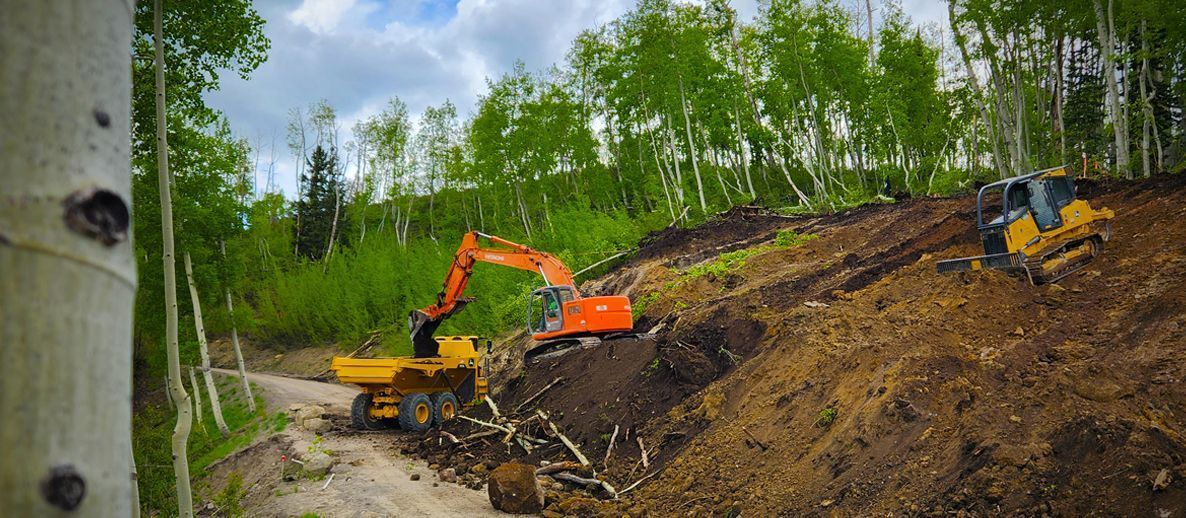
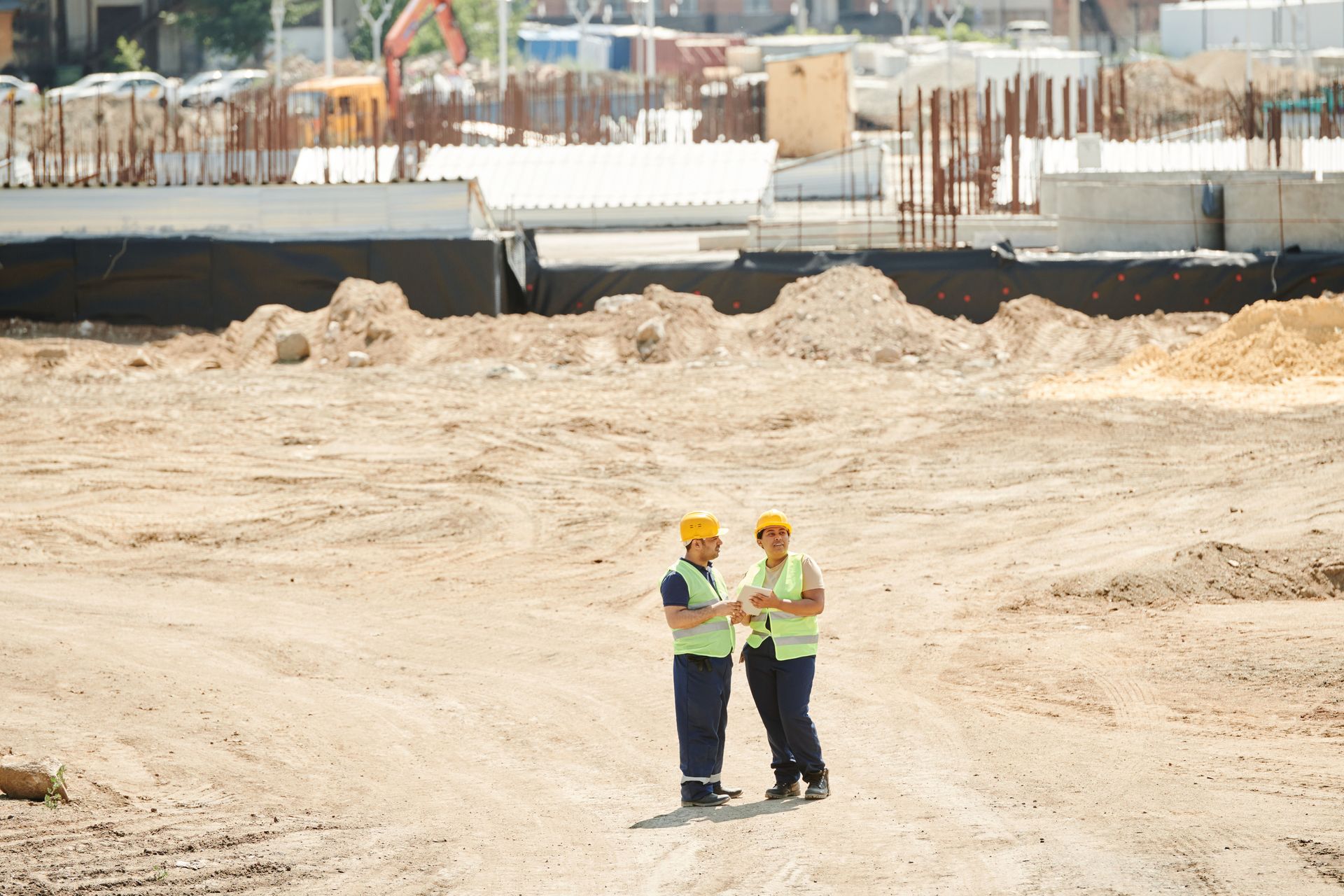
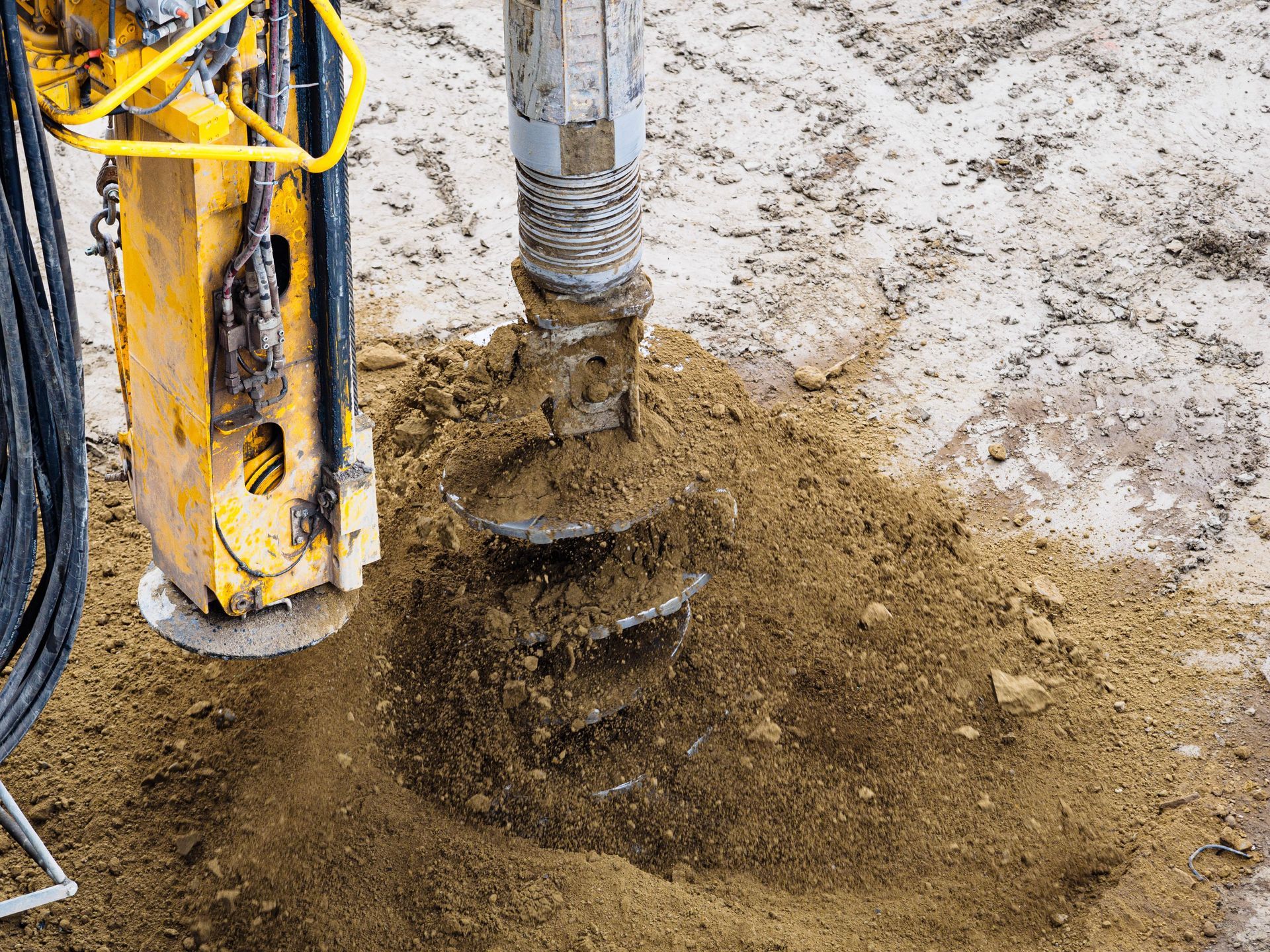
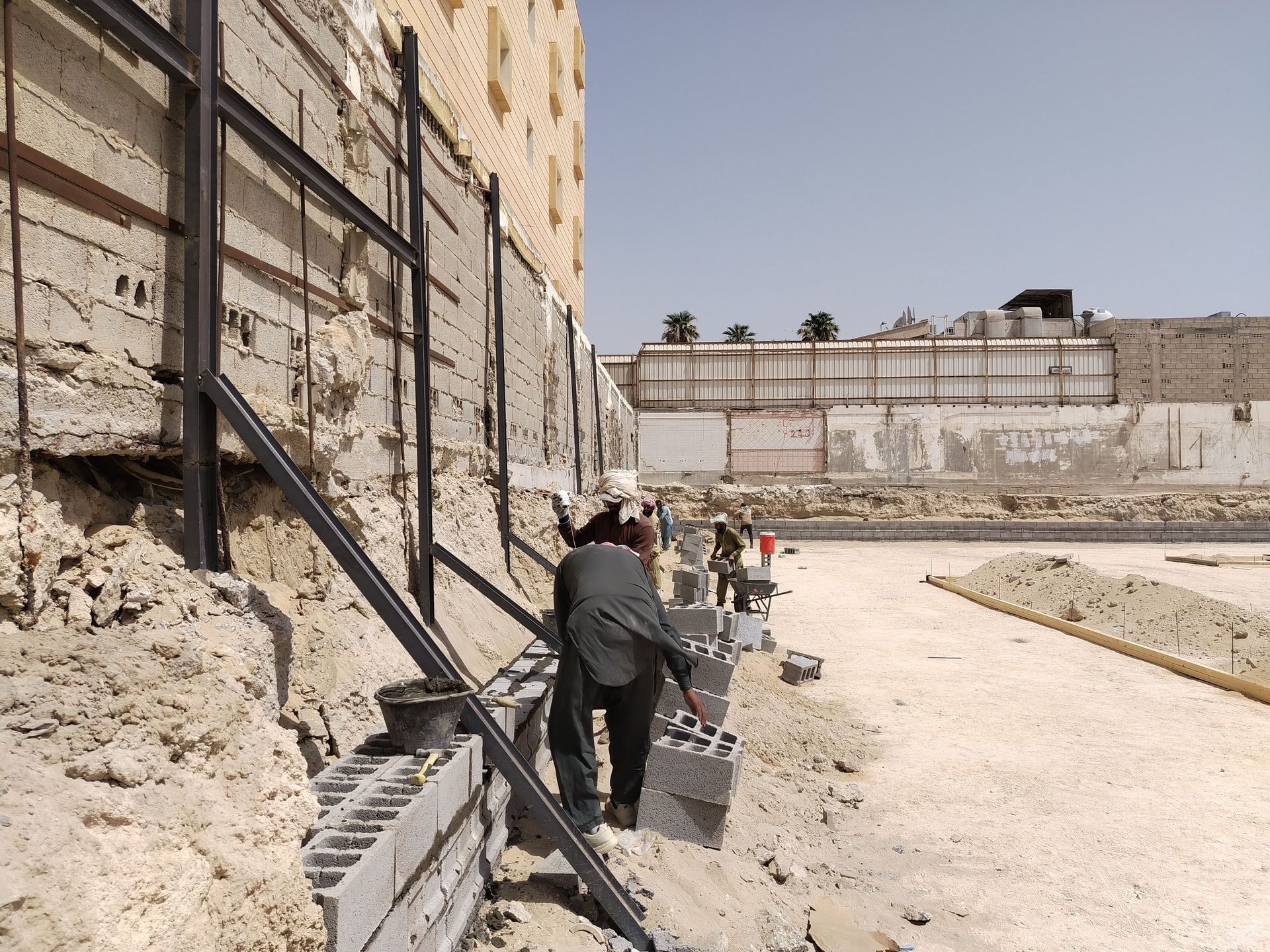
- Trench. Open the dig with equipment matched to the site, protect surfaces, stage spoils, and shore or slope the trench per safety requirements. A residential trench is a real excavation and gets treated like one.
- Remove and repair or replace. Cut out the failed section or the full run, and inspect the surrounding pipe before committing to a spot repair. A residential sewer line repair done right leaves sound pipe on both ends of the new section.
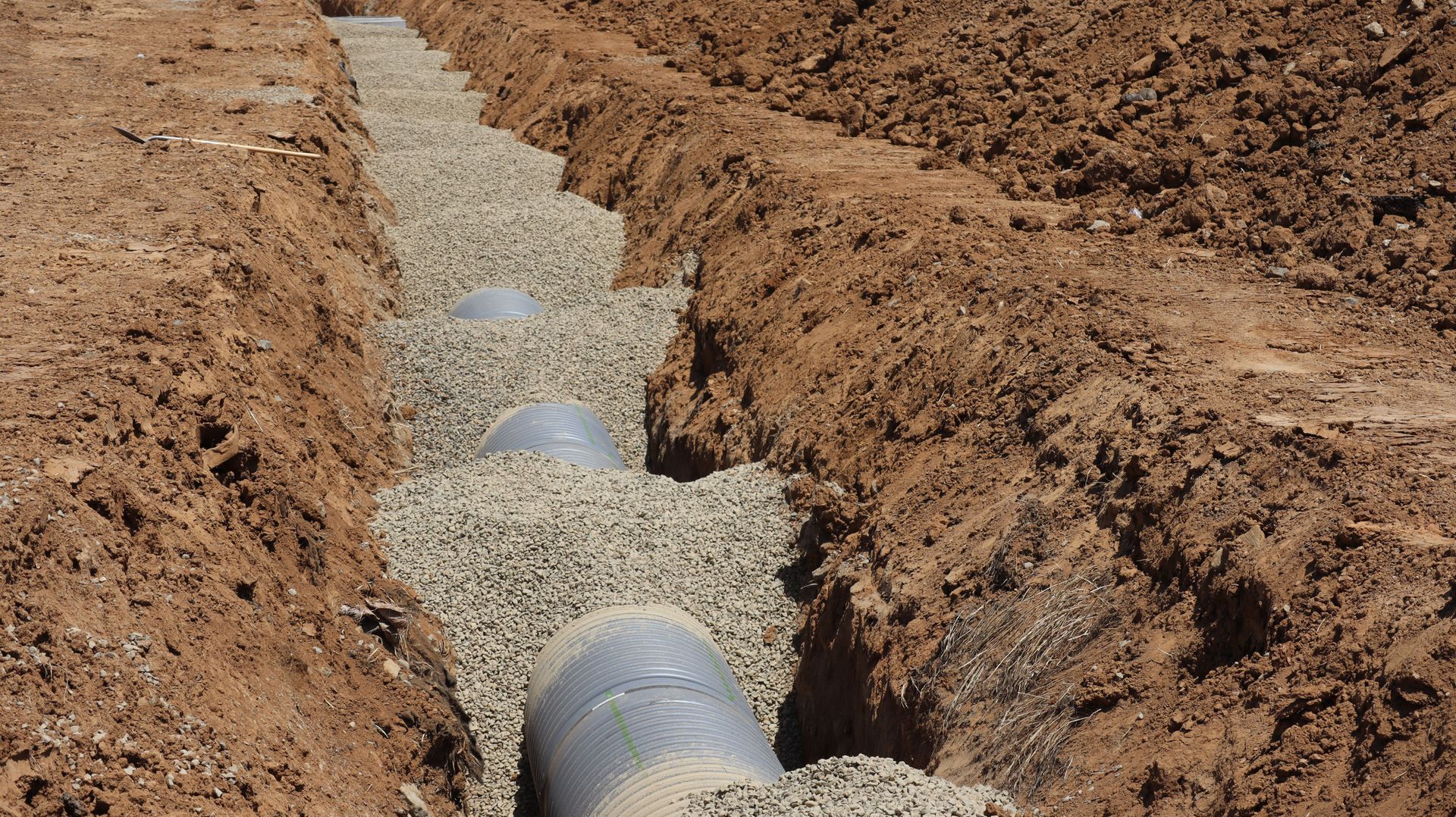
- Bed and set grade. Proper bedding material and consistent slope are what keep a new line draining for decades. Bellies from careless bedding reproduce the original problem later. Material selection follows code and jurisdiction requirements. Able is qualified to fuse HDPE for gas, water, irrigation, and pressure sewer applications as stated on the utility page, but material choice for a gravity lateral remains a code and site decision.
- Connect, test, and inspect. Make the building-side and street-side or tap connections. Testing and any required inspection by the sewer provider or building department happen before backfill, not after. Never let a trench be closed before the required inspection is cleared.
- Backfill and compact. Backfill in lifts and compact properly. This is where freeze-thaw either proves the work or exposes shortcuts as a sunken stripe across the yard next spring.
- Restore the site. Replace topsoil, sod or seed, patch the driveway, repair irrigation, and finish grade so water sheds away from the trench line. Restoration should be written into the bid, not assumed.
What a Good Sewer Line Repair Bid Should Spell Out
Compare bids against this checklist:
- Scope of pipe. Segment sewer lateral repair or full replacement, with linear footage and depth assumptions stated.
- Who does what. Camera work, plumbing inside the building, excavation, tap or main connection coordination with the sewer provider, permits, and required inspections.
- Restoration in writing. Driveway patching, landscaping, irrigation repair, topsoil, and grading.
- Backfill and compaction method, not just the word "backfill."
- Handling of rock, groundwater, and private utility locates. Included, excluded, or priced as encountered, stated plainly.
- Insurance and bonding confirmation. Able Excavation is fully insured and bondable, four generations deep, with more than 25 years of experience.
One caution that holds up across every trade: the cheapest bid is usually the one with the thinnest restoration and compaction language. What is missing from a bid is what gets billed or argued later.
Before You Dig: A Few Straight Answers
Hand digging a sewer trench yourself is a serious undertaking. Depth, shoring, compaction, bedding grade, and inspection requirements are where DIY repairs fail, and some of them fail dangerously. A property owner can often handle diagnosis scheduling and surface prep. The in-ground work on a broken sewer line is professional scope.
The outage is usually measured in the hours around the dig and reconnection, not multi-day downtime, but the specifics depend on the scope. Any honest answer comes after the camera findings and the plan are on the table.
There will be a trench scar for a season. Good compaction and real restoration minimize it, but anyone promising an invisible result is promising something freeze-thaw has not agreed to. Set expectations now, not at the final walkthrough.
How do you know repair is enough and replacement is not needed? It comes back to the camera footage and the condition of the rest of the line. One bad section in an otherwise sound, properly graded line is a repair candidate. Multiple defects, aged pipe, or grade problems across the run point toward replacement.
Next Steps: Getting a Sewer Line Repair Scoped in Western Colorado
The sequence is straightforward. Get the symptoms documented. Get the line camera'd if it has not been. Confirm who operates the collection system where you live. Then get the scope, the permits, and the restoration in writing before anyone breaks ground.
Able Excavation is based in Montrose and handles sewer excavation, sewer lateral repair, and full sewer line replacement across Western Colorado, along with the camera diagnosis that tells you which one you actually need. Request a quote or a site visit at request a quote, or call (970) 596-9687.
Share this article
Recent Posts