
Sewer Line Replacement Cost in Western Colorado: 2026 Price Guide
There are two bids on your kitchen table, and they are for the same job. Same house. Same line. Same length of pipe, as far as you can tell. One total is roughly twice the other, and the difference is big enough that you keep flipping back and forth looking for the line item that explains it. One line on both reads "replace from foundation to main," and neither number maps onto anything you can see from the yard.
That is the honest starting point for most people looking into sewer line replacement cost. You are not buying a product you can hold or a fixture you can comparison shop. You are buying a hole in the ground, a pipe in that hole, and your yard put back the way you expect to find it. The useful questions are rarely "what is the number." The useful questions are what is driving the number, and why two bids for the same line can disagree by that much. This guide walks through both, the way we would talk it through if you called about a line on the Western Slope.
What You Are Actually Paying For
Before any numbers make sense, you need the frame. A sewer line replacement is really three costs stacked together, and if you only price one of them you will be surprised by the bid.
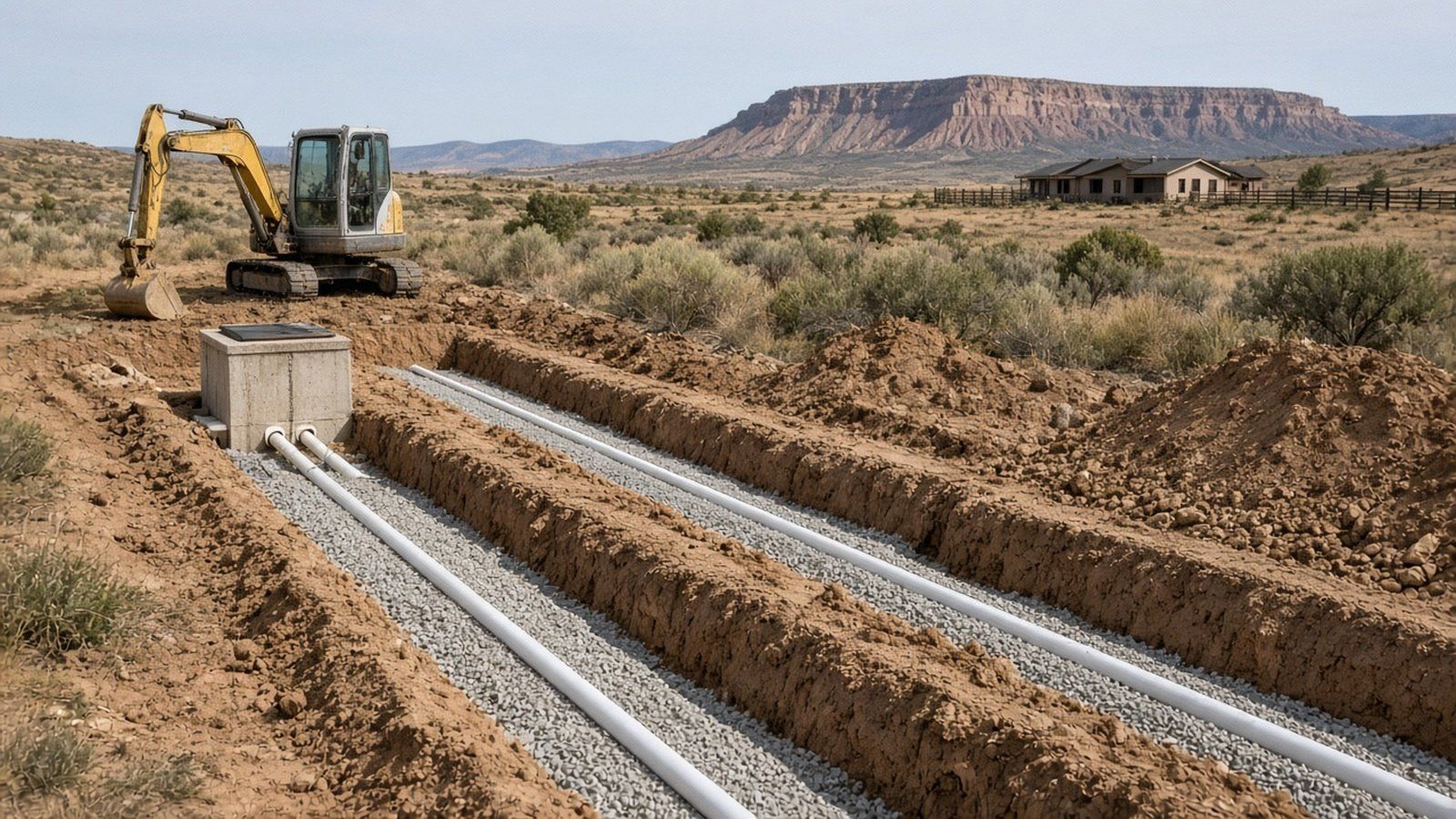
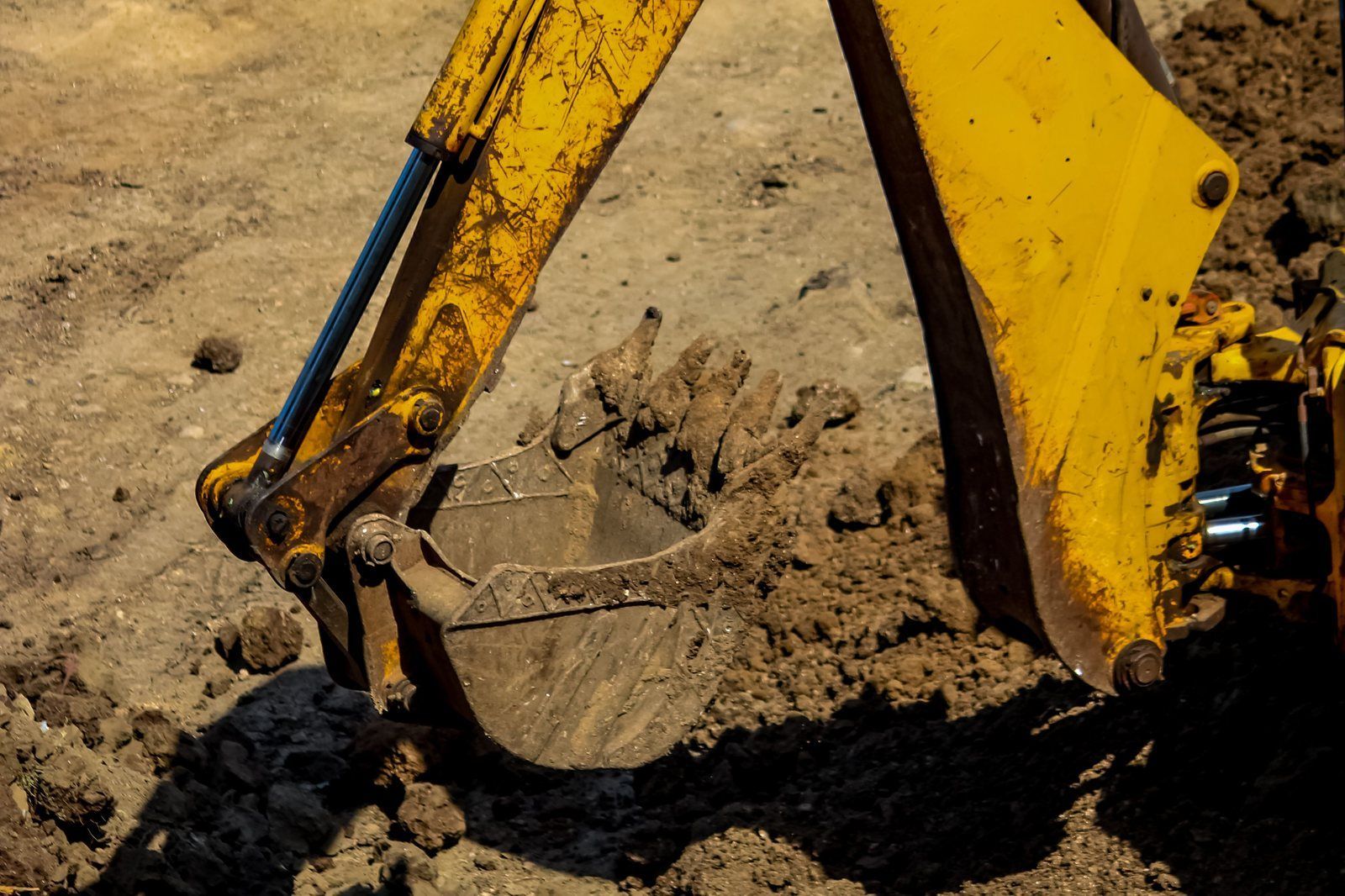
The first cost is the excavation itself. The dig, the trench, the spoil that comes out of it, and the shoring or sloping that keeps anyone working in it safe. The second cost is the pipe and connection work. The material, the fittings, the grade, the joints, and the tie-ins at both ends. The third cost is restoration. Backfill, compaction, and whatever surface was there before: driveway, concrete, fence, lawn, landscaping.
Most sticker shock comes from buyers pricing the pipe and receiving a bid for all three. The cost to replace a sewer line is mostly the hole and the restoration, not the plastic in the middle. A quick note on terms: in this article, "sewer line" means the service line from your building out to the tap at the municipal main. Where your ownership ends and the provider's begins varies by provider and has to be confirmed for your property. Our post on
sewer line repair in Western Colorado covers that boundary question and the repair process in detail.
National Averages, and Why Your Line May Not Resemble Them
Here is the only place in this article you will see dollar figures, and they are not ours. This Old House, in its guide
"How Much Does Sewer Line Replacement Cost? (2026 Pricing)", updated March 30, 2026, with cost data based on Angi estimates, puts the national average for sewer line replacement at about $3,320, with most homeowners landing between $1,390 and $5,320. For traditional excavation, the guide estimates roughly $50 to $200 per linear foot.
Those are national estimates. They are not Able Excavation prices; we do not publish pricing. Treat them as a rough national midline, nothing more. A short, shallow line through an open yard in town can sit low in that range or under it. A deep line running under a driveway, through rock, or across a rural lot near a ditch can move well outside it. Sewer line replacement cost per foot varies enormously with depth, ground, and restoration, which is exactly why two bids for the same number of feet can look nothing alike. The rest of this article is about why.
What Drives Sewer Line Replacement Cost
The drivers below are the ones that actually move a sewer line replacement bid in this part of the state.
| Scope or cost driver | What changes the price | What to confirm in the bid |
|---|---|---|
| Spot repair (one bad section) | Digging once at a camera-located defect and leaving sound pipe in place; the cost follows the size of the excavation and restoration at that spot | The defect location and footage from the camera run, and what happens if the pipe on either side is worse than expected |
| Full replacement (building to main) | Total trench length, depth, and every surface the route crosses; one mobilization instead of repeated repairs | The assumed route and depth, where the work starts and stops, and how the tap connection at the main is handled |
| Length of the run | More feet of trench means more digging, pipe, bedding, backfill, and compaction | The footage the bid is based on and how extra footage is priced if the route changes |
| Depth and grade | Gravity sewer must hold a continuous slope, so building and main elevations can force a deeper trench and more spoil and shoring | The assumed depth and how the contractor will protect the trench and hold grade |
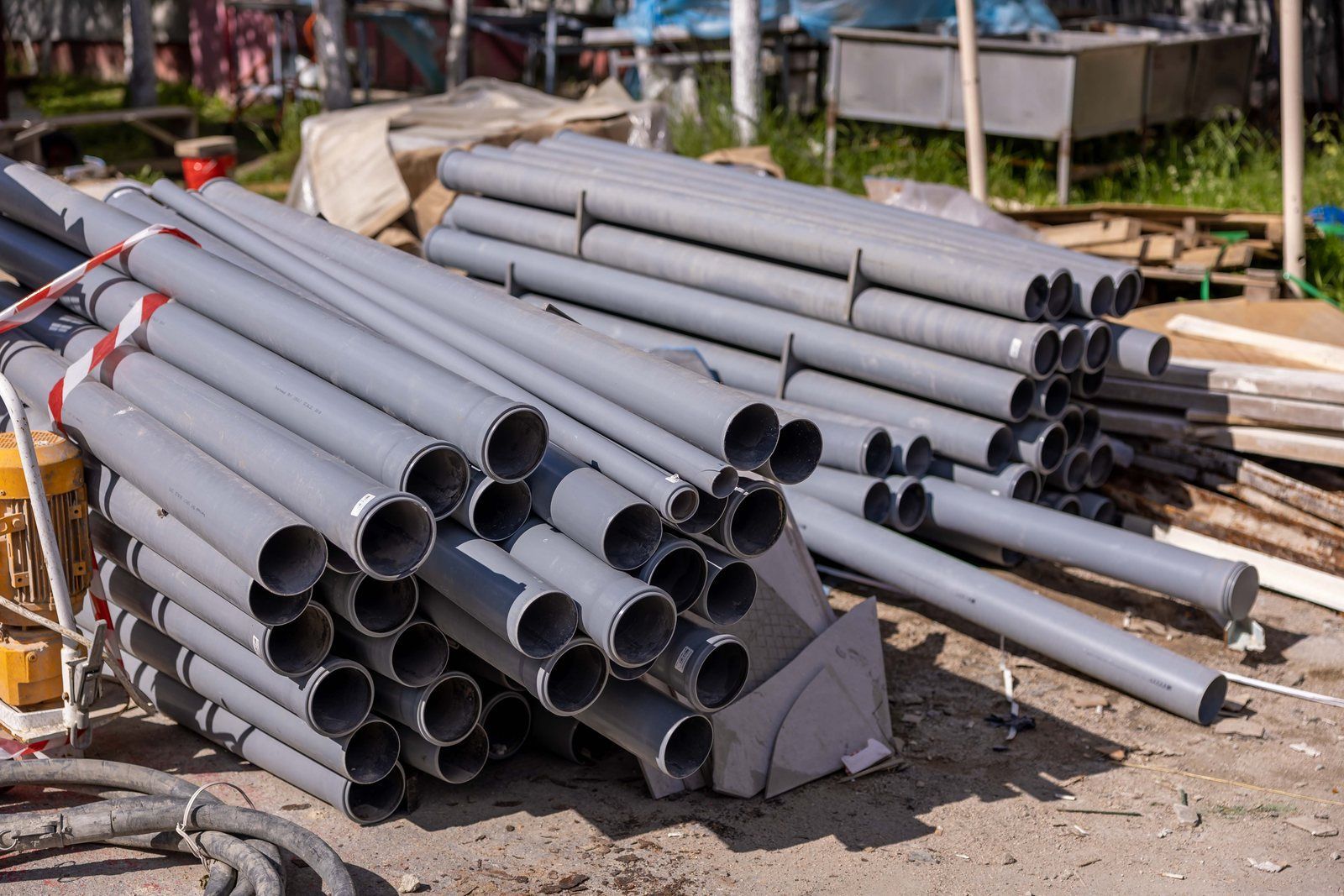
| Pipe material | Usually a smaller share of the total than the excavation and restoration; PVC is common for gravity service lines | The pipe type and fittings specified and whether they meet your provider's requirements |
| Access and surface restoration | Driveways, concrete, patios, fences, and landscaping must be cut or removed and put back | Which surfaces are restored and to what standard (patch or match; rough grade or seeded) |
| Rock and cobble | Slower digging, more equipment wear, and possible imported bedding material | How the bid handles rock that is not expected at the time of bidding |
| Groundwater and ditch seepage | A wet trench may need dewatering or slower, more careful work | Whether dewatering is included or priced as a change |
| Camera findings (roots and bellies) | Roots at many joints or long bellies push toward replacement; one isolated defect points to a spot repair | That the bid scope matches what the footage actually showed |
| Permits and inspections | Requirements vary by sewer provider, municipality, and county | Who pulls the permit and schedules the inspection; confirm requirements with your provider or county |
| Winter or frozen ground | Frozen ground can slow the dig and split restoration into a second visit after thaw | Whether final grading, seeding, or concrete is scheduled for a later visit and included in the price |
| Locates | Colorado 811 marks participating public utilities; private lines may need separate locating | Who requests the 811 locate and how private lines on the route will be found before digging |
Length and Depth of the Run
Length is the obvious driver. More feet of trench means more digging, more pipe, more backfill, and more compaction, and it scales fairly predictably. If you know roughly how far your building sits from the main, you already know something about the size of the job.
Depth is the quiet one, and it often matters more. A deeper trench means more spoil coming out, more machine time, and more careful shoring or benching for anyone who has to get into it. And here is the part that surprises people: you do not get to choose the depth. Depth is set by the elevation of the pipe where it exits your building and the elevation of the main at the tap. Gravity sewer has to hold grade the whole way. If your building sits high and the main sits low, or the ground between them rolls, the pipe has to follow a continuous slope, and the lay of the land can force a deeper, more expensive dig even on a short run. Two properties on the same street with the same footage can be genuinely different jobs because of grade.
Pipe Material
PVC is the common choice for gravity sewer service lines today. It is durable, smooth-walled, and straightforward to install on grade, which is why it shows up in most modern bids. Material shows up in bids, but it is rarely the swing factor people assume it is. The pipe is a known quantity. The hole it goes into and the yard it comes back to are where bids live or die.
Access and Restoration
This is often the biggest swing between two bids that look identical on their line items.
Ask what sits on top of the line's route. A driveway. A concrete patio. A shop slab. Mature landscaping. A fence line. Whoever digs has to sawcut or remove whatever is there, work around or through it, and then put it back. Restoration is real work with real cost, and "put it back" can mean very different things to different contractors. Does the bid include replacing a section of driveway to match, or just patching it? Is the landscaping regraded and seeded, or left rough?
Two honest bids can differ mostly on how completely each one plans to restore the surface. This is also the honest reason an in-town Montrose lot and a rural property can price differently for the same pipe. The rural line might be longer and run through rock, but if the in-town line runs under a stamped concrete driveway, a sidewalk, and a fenced garden bed, the restoration stack can rival the dig itself. Neither bid is wrong. They are describing different amounts of putting-back.
Permits and Inspections
Sewer work is typically permitted and inspected. The authority depends on where you are: your sewer provider, the municipality, or the county, depending on the address. We are not going to quote fees or timelines, because they vary and they change. What we will say is this: ask your sewer provider or county what is required before you sign anything, and confirm which bid line item carries the permit coordination. If one bid includes pulling the permit and scheduling the inspection, and the other expects you to handle it, that difference shows up somewhere even if it is not labeled.
Ground Conditions: Rock, Cobble, and Groundwater
This is Western Colorado, and the ground does not apologize for itself.
Rock and cobble are common on many local properties, and they change the math. A trench that runs into cobble is a different job than the same trench in loam. Rock slows the dig, wears on equipment and tooling, and can change how the pipe bedding has to be placed. Nobody chooses the geology; the route of the line chooses it for you.
Groundwater is the other one. Properties near ditches and irrigation laterals, which run through a lot of this country, can see seepage into an open trench even when the ditch looks dry. A wet trench can mean dewatering, or it can mean working carefully in conditions that slow everything down. Either way, it is time, and time shows up in the bid.
Add freeze-thaw cycles and mountain and high-desert soils, and you get ground that does not always behave the way it looks. That affects how a trench stands up while it is open and how carefully the backfill has to be placed and compacted so the surface does not settle into a dip over the line next year. Good compaction is not glamorous, but it is the difference between a yard and a trench-shaped scar.
What the Camera Found: Roots and Bellies
You cannot price what you cannot see. A
sewer camera inspection before excavation is the step that separates a bid from a guess. It tells you where the problem is, what kind of problem it is, and how much of the line is actually involved.
The findings matter for cost. Roots, bellies, offsets, and collapse each change the picture. A line with one bad section and sound pipe everywhere else is a different decision, and a different sewer pipe replacement cost, than a line that has failed in multiple places or bellied along its length. Our
utility installation and repair page describes camera inspection as a way to diagnose blockages, root intrusion, pipe collapse, and offset joints before excavation, so the dig targets the actual problem. Bidding a sewer replacement blind is how you end up with two numbers on a kitchen table and no way to tell which one is honest.
Spot Repair or Full Replacement: The Cost Decision
Once the camera has told you what is down there, you face the decision this article is really about: fix the bad section, or replace the line.
If the findings show one localized problem, a root ball at a single joint, one belly, one offset, and the rest of the pipe is sound, a spot repair targets the money. You dig once, at the problem, and you leave good pipe in the ground. That is usually the cheapest correct answer, and any contractor who pushes full replacement on a line with one bad section owes you an explanation.
But the math flips when the findings are worse. Multiple failures along the run. Root intrusion at several points. Chronic bellies that will collect debris no matter how many times you clear them. A collapse. In those cases, replacement stops being the expensive option and becomes the one you stop paying twice for. Repeated spot repairs on a failing line add up fast, and every repair re-opens the same yard, re-does the same restoration, and re-pays the same mobilization. Three repairs on one line in five years, and you have bought a replacement in installments without ever getting a new line out of it.
There is a coordination piece worth knowing about briefly: connecting to the municipal main is coordinated with the sewer provider, and questions about where your responsibility ends and theirs begins are exactly the kind of thing our
sewer line repair post covers in detail, along with the scoping and repair process. Here, the point is only the cost logic: the camera tells you how much line is actually sick, and that finding, more than anything else, tells you whether repair or replacement is the cheap option in the long run.
One more thing worth confirming in the bid while you weigh this: what happens if the camera's findings and what the shovel finds do not match. Ground and line conditions are assumptions until the trench is open. Look for the assumed route and depth, the restoration standard, and who handles the permit and the tap connection. A bid that states those assumptions, and how a change gets handled, is one you can actually compare against another.
Frozen Ground and Scheduling
Frozen ground in winter does not make sewer work impossible, but it changes the conversation.
Frozen ground can slow the dig, and it can split restoration into two visits: backfill now, then final grading, seeding, or concrete once the ground thaws and settles. That is scheduling reality, not a verdict on the season. Your provider's inspection calendar and the contractor's winter workload play into it too.
It is one reason many owners plan sewer replacement for the shoulder seasons, when the ground is workable and restoration can be finished in one pass. It is also why a bid taken in January for a March dig is a different conversation than a bid for next week. If you have a line that is failing now, you do what has to be done now. But if you have a known problem and some runway, timing the work is one of the few cost levers you actually control.
Before Anyone Digs: Locates
Before any sewer dig, underground utilities get marked. In Colorado, that process runs through
Colorado 811, and it happens before the machine moves, not after.
Be precise about what 811 does and does not do. 811 marks participating public utilities. Privately owned lines may need separate locating, and that category can include the sewer service line itself, irrigation lines, and other private utilities on the property. A private locate is a separate step from the 811 ticket, and it matters for cost because an unlocated conflict found mid-dig changes the job. Finding out there is a water line crossing your sewer route while the trench is already open means stopping, resolving, replanning, and possibly re-digging. Finding it out on paper first means it was always in the plan.
A contractor who starts the locate process as part of the scope, and who is clear with you about what 811 covers and what it does not, is doing it correctly. That is not a nicety. On a sewer line replacement, the line being replaced is often a private line that 811 will not mark, so the scoping conversation has to include how the existing route gets confirmed before anyone commits a trench to it.
Where to Go From Here
If you are early in this, without camera findings, the first step is clear: get the line inspected. A
sewer camera inspection is what turns "how much does this cost" into an answerable question, because it tells everyone bidding the job what is actually underground.
If you already have findings and bids in hand, the repair-versus-replace decision above is the one to work through, and our post on
sewer line repair in Western Colorado covers the repair path in detail.
And if you want another set of eyes on the whole picture: Able Excavation is Montrose-based, four generations deep, with 25+ years in the ground, fully insured and bondable. We can look at your line and give you a straight answer on what the work involves.
Request a quote online or call (970) 596-9687.
Share this article
Recent Posts