You already know the signs. The washboard that shows up every spring like clockwork. The potholes that fill with snowmelt and never quite dry out. The fuel delivery truck that slows to a crawl before committing to the last hundred feet up your lot, testing the ground before it trusts it.
Here is the part most people learn the hard way: those problems are almost never a gravel problem. They are a base and drainage problem, which means they were set on day one of the excavation, long before the first truck of rock showed up. The important questions are usually not "how much gravel do I need." They are: what is under the gravel, where does the water go, and was the subgrade compacted before anyone spread a load of road base.
Driveway excavation done right happens before the gravel, and most of what decides whether a new drive lasts is buried under it. This article walks through what that work involves, how Western Colorado conditions change it, what drives the cost, and what a bid should actually cover.
What Driveway Excavation Actually Involves
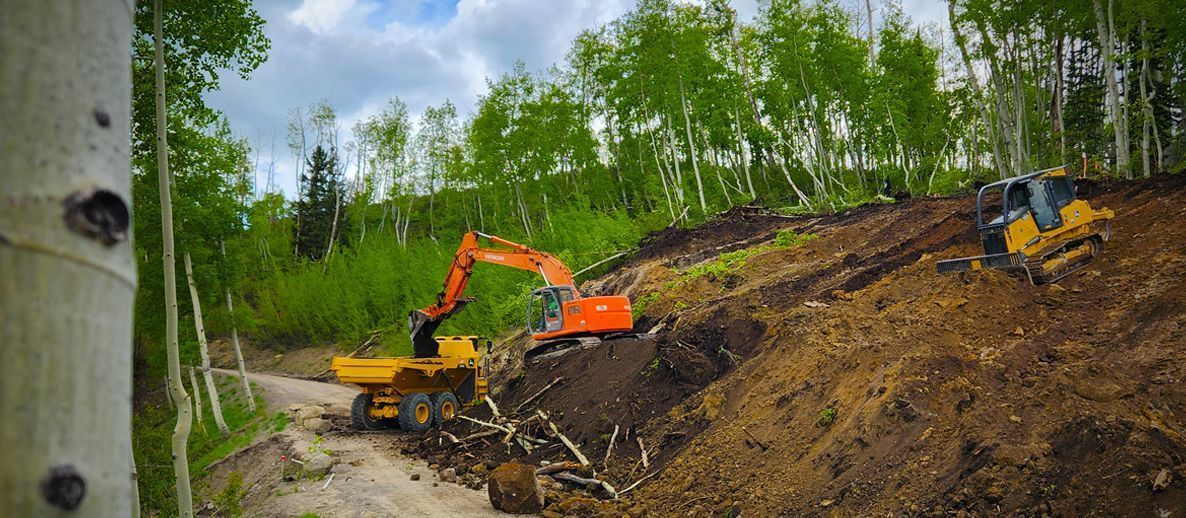
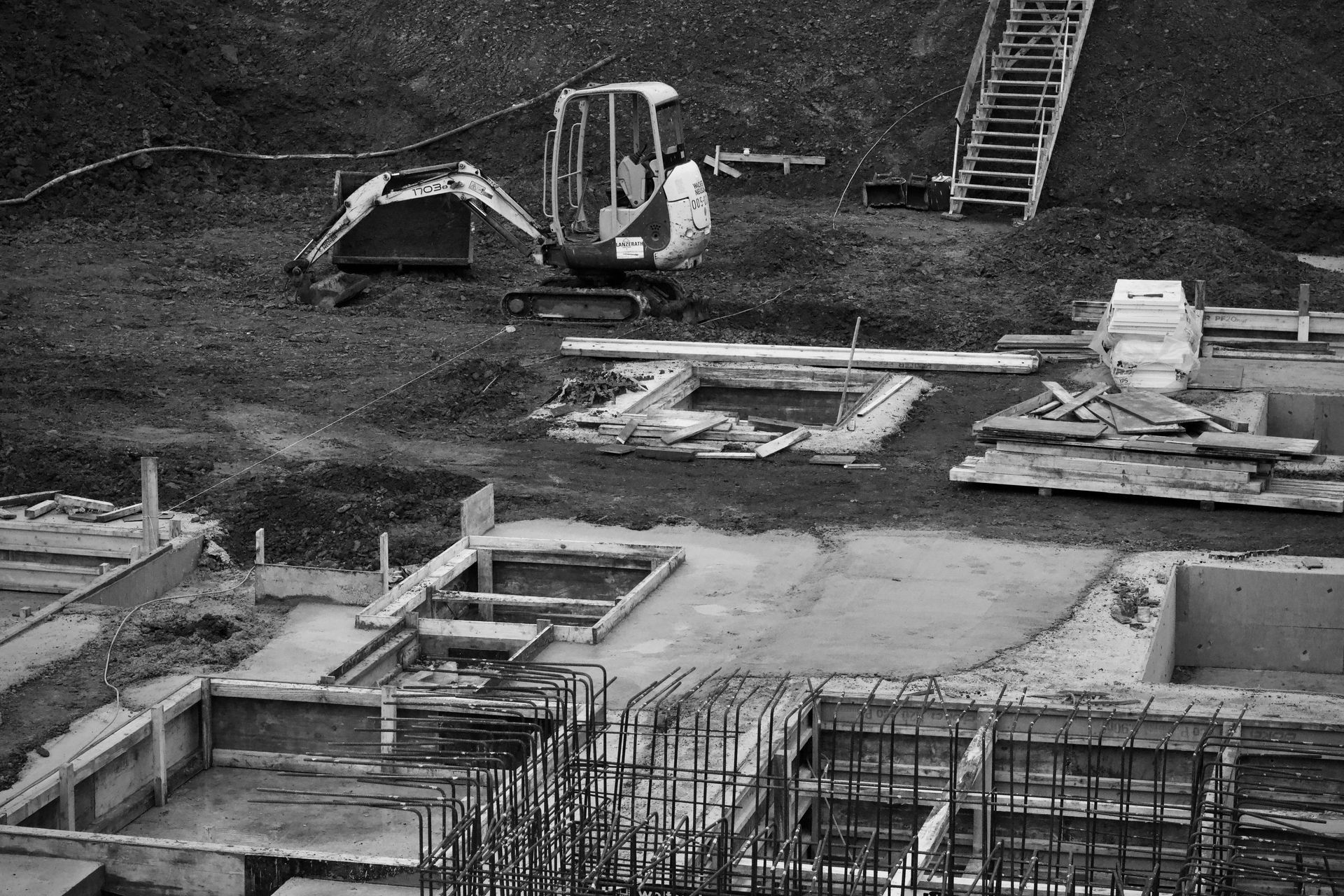
Driveway excavation is the earthwork that comes before gravel. Layout, stripping, subgrade shaping, base placement, compaction, and drainage shaping. It is not dumping gravel on a path and calling it a driveway.
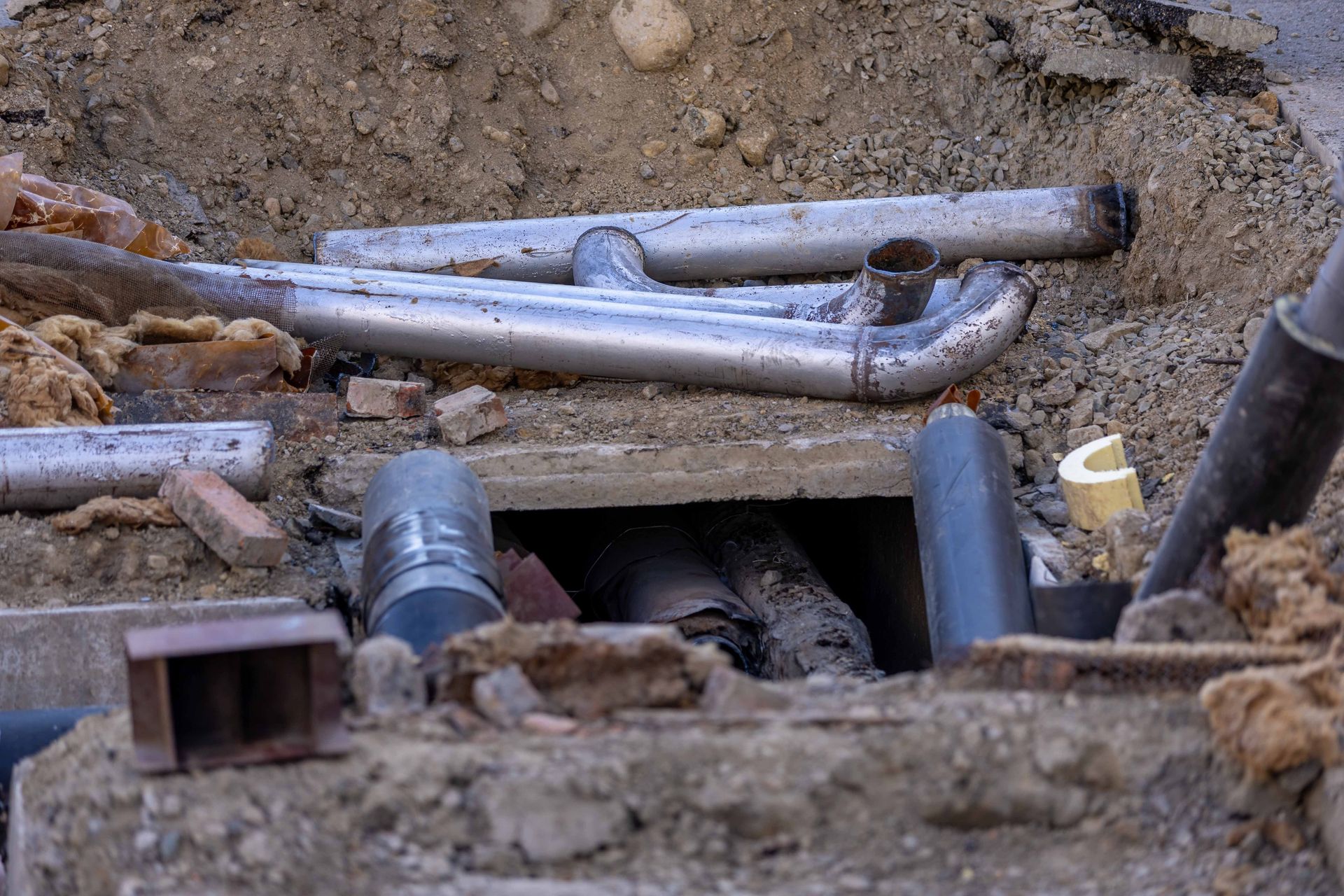
The scope is worth understanding because it overlaps with other trades and doesn't include all of them. The driveway crew cuts and fills, shapes grade, and compacts. It does not pour concrete or lay asphalt. And it usually does not handle utility work, though utilities sometimes share the same corridor a driveway wants to cross. If your alignment has water lines, gas lines, or communication lines in the way, that is a separate conversation, and it is one we handle regularly through our
utility installation and repair work.
On rural lots, a lot of driveway failures trace back to two things: organic material left in the subgrade, meaning topsoil and vegetation that rot and settle, and water with nowhere to go. Gravel hides both problems for a season or two. Then spring comes.
A question we get often: can you just grade over the existing two-track? Sometimes, yes. It depends on what that two-track is sitting on and how wet the alignment gets through spring. A site visit answers that question. A phone call can't.
Before the Machine Arrives
Layout and alignment
Where the driveway meets the county road matters more than most people expect. Sight lines. Turn radius for delivery trucks and fire access. The grade running from the road up to the building site. Get any of those wrong and you live with the consequence every day.
The alignment decision is a permanent one. Moving a driveway later means paying for the excavation twice. So the layout gets thought through, not eyeballed.
One note on scope: a short driveway to a house pad is a different project than a long ranch access drive. Longer drives into rural ground often fall under rural road building, which is its own kind of work. Our
Subdivisions & Roads work covers rural access roads, ranch roads, and private driveways built to handle heavy loads and Colorado weather. Same principles, different scale.
Soils and site conditions
Soil can change over short distances, even on one property. Clay-heavy ground in one stretch. Rock and cobble a few hundred feet up the slope. Soft spots that turn to grease when they get wet.
Why does this change the dig? Because clay holds water and behaves nothing like sandy or rocky ground. The dig plan follows what is actually in the ground, not a template. If you want regional soil background for your area, the
Colorado Geological Survey publishes plain-language material on swelling soils and other geologic hazards worth a read before you build anything permanent on your land.
Colorado 811 locates
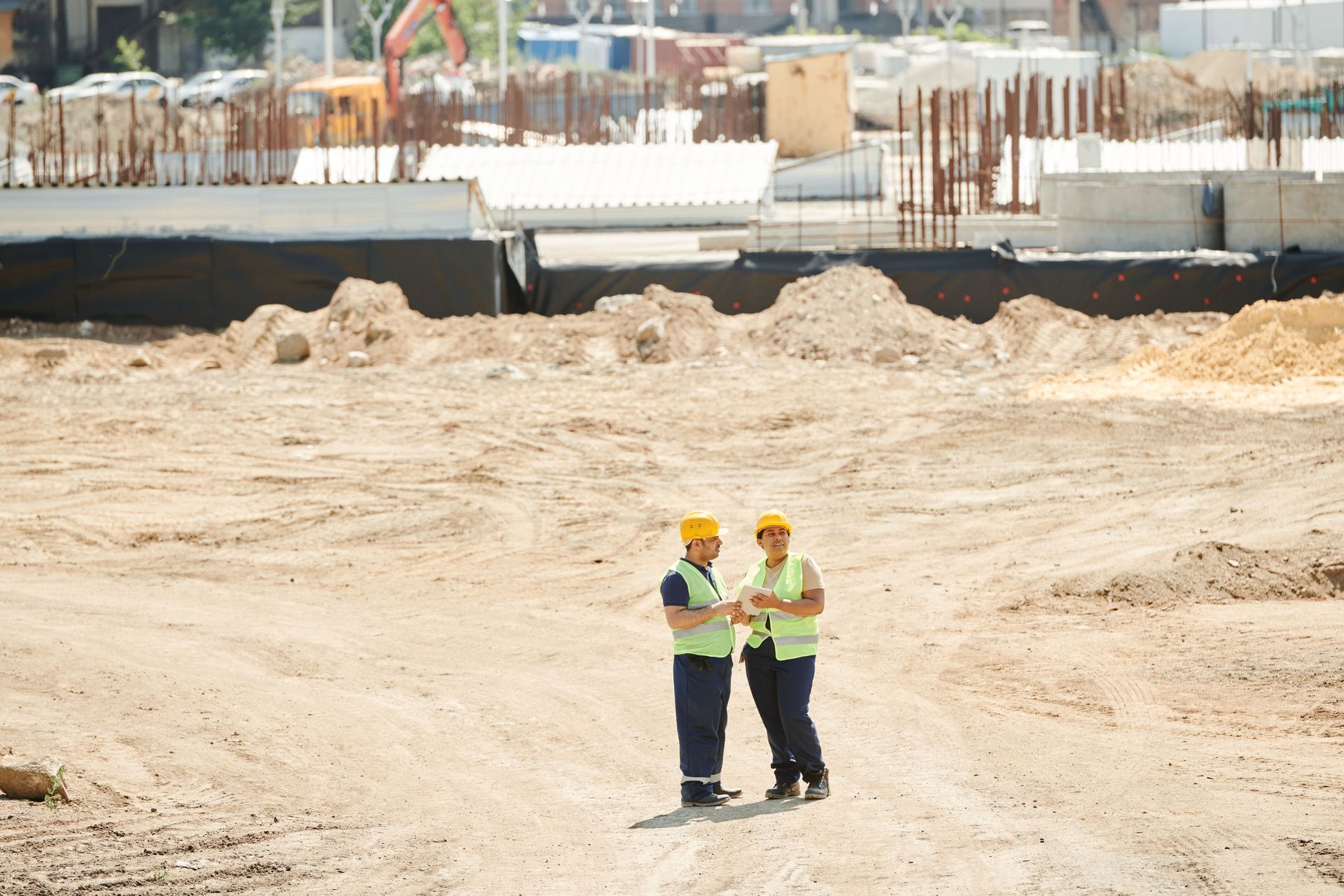
Even a driveway dig can hit buried lines. Gas, water, and communication lines often run along the same corridor a driveway wants to cross, especially near existing homes or shop buildings. Contact
Colorado 811 before any digging starts. Colorado 811 says it is the law, it is free, and it protects everyone on the job. Keep in mind that private lines on your property may need separate locating, so ask about that when you schedule.
The Driveway Excavation Process, Step by Step
1. Layout
Staking the alignment, the widths, and the grades. Checking the fall from the building site down to the road. Layout is where the drainage decisions get made, before any dirt moves. A driveway that is staked wrong gets built wrong, and no amount of gravel fixes a bad line.
2. Strip the topsoil
Removing topsoil, vegetation, and organic material from the driveway footprint. This is the step DIY jobs skip, and it is the step most failed driveways needed. Organics rot, hold water, and settle. A driveway built on topsoil is a driveway built on a slow-motion sponge. It will look fine through the first summer. Give it two winters.
3. Subgrade work
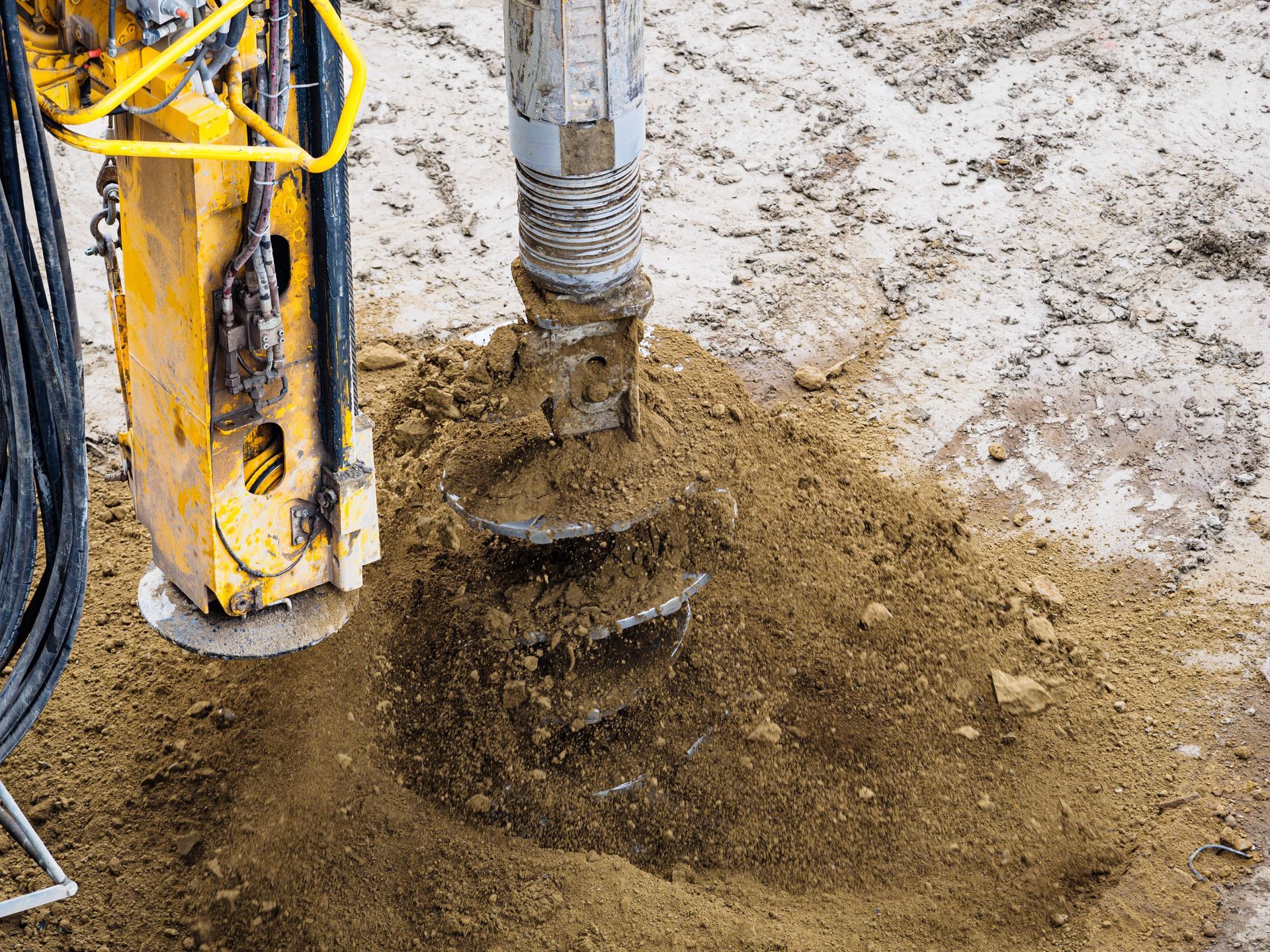
Cutting and filling to reach the designed grade. Soft spots get addressed, not buried. The subgrade is the foundation of the driveway. The gravel is only the wearing surface, and treating it as the structure is the single most common mistake in gravel driveway installation.
Driveway grading happens in this step: shaping the subgrade so water leaves the surface instead of pooling on it. Grade is not cosmetic. It is the drainage plan.
4. Base
Placing base material over the prepared subgrade. Base thickness depends on the soils underneath and the loads the driveway will carry. That is a per-site decision, not a number off a website. A drive that needs to carry a concrete truck or a fuel delivery truck needs more structure than one that carries a pickup and a horse trailer.
5. Compaction
Compacting in lifts, not in one deep pass. This is the difference between a driveway that holds and one that washboards in two winters. We build gravel and compacted base driveways to handle heavy loads and Colorado's freeze-thaw cycles, and the compaction work is where that durability actually comes from. Skip it or rush it and everything above it settles unevenly.
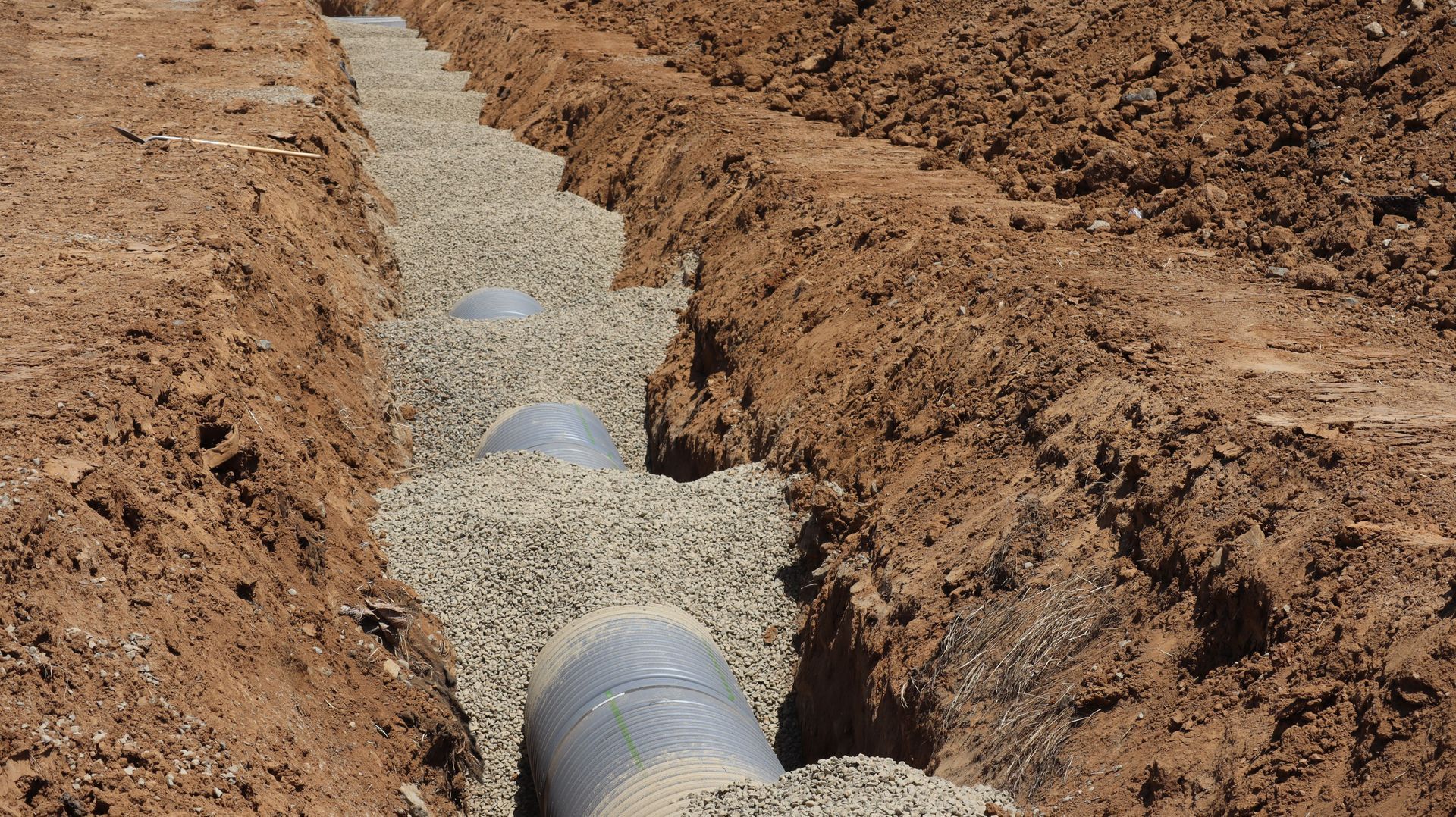
6. Drainage and crown
Shaping the surface so water sheds off the drive rather than running down the middle of it. Crown, outslope, and getting water away from the surface and off the edges. Freeze-thaw punishes any low spot: water sits, freezes, expands, and turns a small dip into a pothole factory. Every spring, without fail.
7. Finish
Final grading, shaping the shoulders, cleanup. A finished driveway excavation done right looks like this: smooth crown, a tight surface, water moving off it instead of standing on it, and edges that will hold. If the finished product looks rough, the work underneath probably is too.
Why Freeze-Thaw and Western Colorado Conditions Change the Dig
The climate here does not cooperate with shortcuts. Snowmelt cycles. Wet springs. Dry, hard summers. Ground that freezes and thaws repeatedly through the season. Water is the active ingredient in driveway damage, and freeze-thaw is the amplifier.
This changes the work in three ways. More attention to drainage shaping, because standing water is what freeze-thaw turns into damage. More attention to compaction, because loose spots in the base show up fast once the ground starts cycling. And honest skepticism about shortcuts that work fine in places without our freeze-thaw cycles.
A driveway climbing a bench outside Montrose faces different runoff and different soils than a flat lot near Olathe or Delta. Same principles, different dig.
One thing worth saying plainly: cheap gravel driveways are not cheap. They are a down payment on doing it twice.
What Drives the Cost of a Gravel Driveway
We won't quote numbers here, because any honest gravel driveway cost conversation starts with the site, not a price sheet. But the drivers are consistent, and knowing them helps you read a bid.
Length and width. A long rural access drive is a different project than a short city lot approach. More footage means more stripping, more subgrade, more base, more compaction.
Existing ground. Flat, firm ground strips and shapes quickly. Steep grades, rock, wet ground, or deep fill requirements multiply the work.
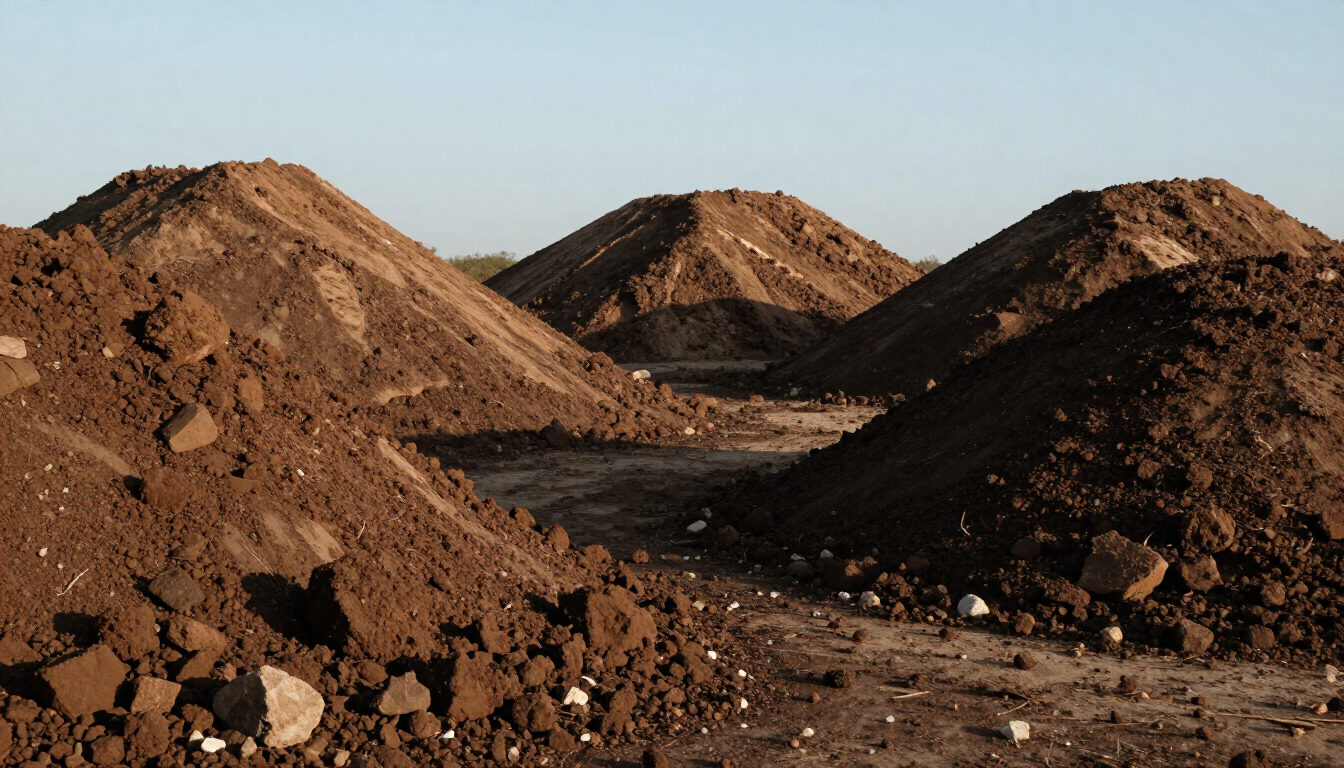
Cut and fill balance. How much material has to come out, how much has to come in, and whether the material you cut can be reused on site or has to be hauled. Trucking and hauling are a real part of many driveway jobs, and you can see the scope of that work on our
services page.
Base quantity and material. Driven by the soils and the intended loads. Structure costs money, and structure is what carries the heavy trucks.
Drainage work along the alignment. Water crossing the drive, water running down it, water collecting at the bottom. Every one of those needs an answer, and the answers take work.
Access for equipment and haul trucks. Tight or steep access changes how the job gets built and how long the haul cycle runs.
When you compare bids, the number that matters is rarely the total. It is what the bid says is underneath the gravel.
DIY Grading vs. Hiring an Excavation Contractor
Honest limits first: a homeowner with a compact tractor can maintain a driveway, reshape a low spot, and refresh gravel. That is real work and it is worth doing.
Where DIY stops working: new driveway excavation on raw ground, steep grades, deep cut or fill, compaction of base lifts, and any work near buried utilities. Compaction is the invisible one. A tractor or skid steer working a surface is not the same as lifts brought up properly. You cannot see the difference on day one. You will see it in March.
The comparison that matters when hiring: gravel driveway contractors who bid the subgrade and drainage versus contractors who bid gravel spread on whatever is already there. Those bids can look similar on paper. They produce different driveways in three years.
On our end, we are a fourth-generation, Montrose-based contractor with 25+ years of experience, fully insured and bondable, doing driveway construction as part of our
home and building site work across Western Colorado. That is the whole pitch. The work speaks for itself or it doesn't.
What to Confirm in the Bid
A field-notebook checklist. Eight things you can confirm in one conversation:
- Did the walk-through happen on site, or is the bid written from a phone call?
- Does the bid include stripping topsoil and organics, or just grading over what is there?
- What does it say about the subgrade and soft spots?
- Does it specify base material and how compaction will be done?
- Does it address drainage and crown, and where the water goes at the bottom of the drive?
- Are 811 locates handled before digging starts?
- What is included for cleanup, shoulder shaping, and leftover material?
- Who handles utility crossings along the alignment, if any exist?
These questions take two minutes to ask and save the whole project.
Getting a Driveway Built Right the First Time
The gravel is the part you see. The excavation underneath it is what decides whether it survives Western Colorado springs.
If you are planning a gravel driveway and want it walked and looked at before anything is bid, call Able Excavation at
(970) 596-9687 or
request a quote for a site visit.