There is a quiet version of failure that shows up long before anything bursts. A soft spot near the meter box that never dries out. A faucet that stutters when the sprinklers kick on. A water bill that climbs a little every month while your habits stay exactly the same. Then one afternoon a plumber is standing at the property line, telling you the line to the house needs a dig and a machine.
Once you hear that, water line replacement stops being something that happens to other people and becomes a set of questions. Not whether the pipe can be patched. Usually it can, at least once. The questions that matter are which part of the line is failing, who handles which segment, and what needs to be confirmed before anyone breaks ground.
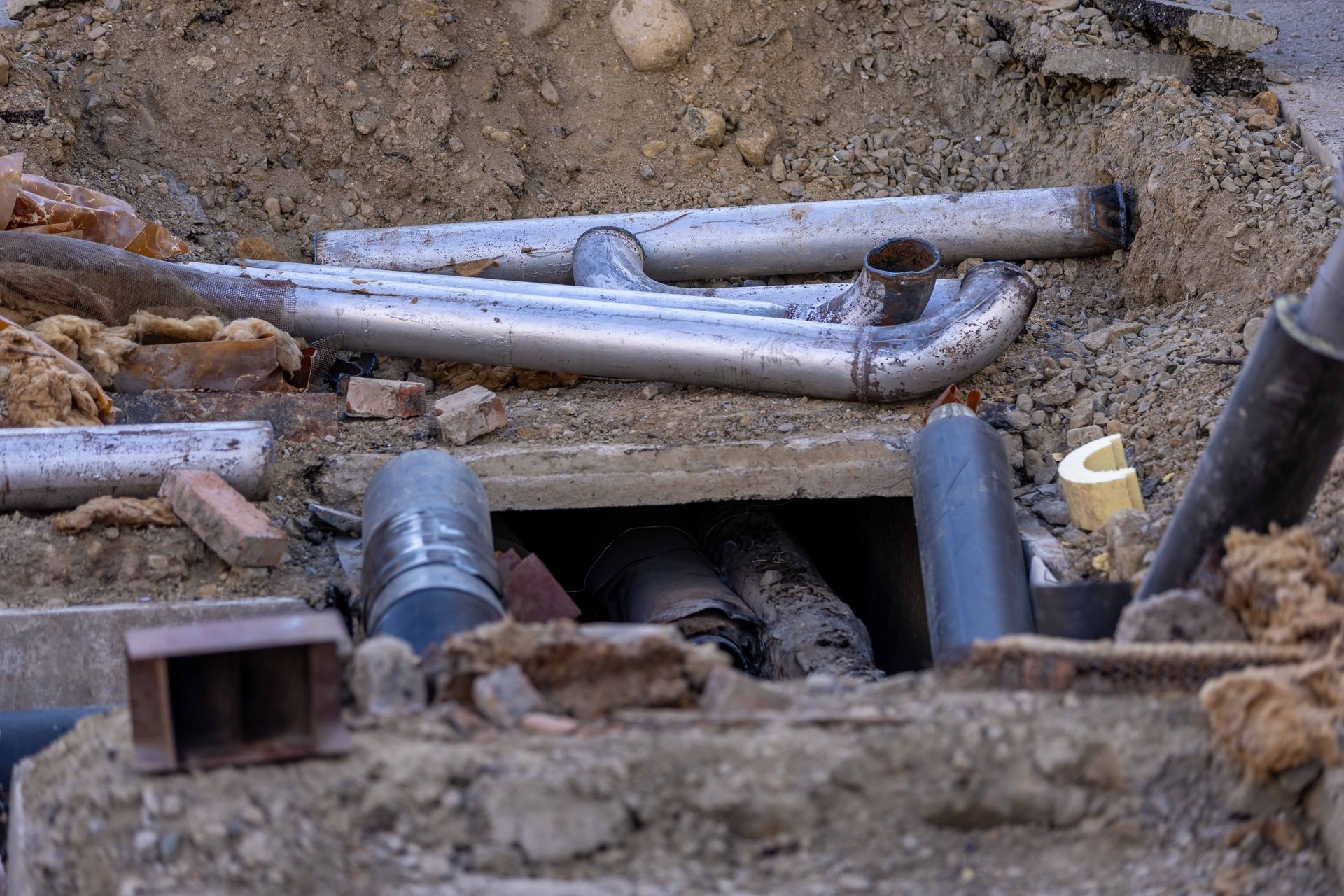
On a crew that has spent decades in this ground, water line replacement sits inside the full
utility installation and repair scope: the locate, the trench, the pipe, the pressure test, and the ground put back the way you found it.
Published by Able Excavation. This article provides general construction information and does not replace project plans, engineering, permit requirements, or site-specific safety procedures. Burial depths, permit rules, and provider requirements vary by county and water district. Confirm current locate rules and ticket details at
colorado811.org.
Signs You Are Looking at a Water Line Replacement, Not Another Repair
The ground usually tells you first. A persistent wet spot, or an unusually green strip of lawn between the meter and the house. Soil that firms up overnight and goes soft again by afternoon. Pressure that drops at multiple fixtures at once. Water that runs cloudy for a moment after a pressure swing.
Then come the human signals. A plumber flags the line while he is there for something else entirely. The bill spikes with no change in habits. A repair from two summers ago starts weeping at the fitting again.
There is a difference between a one-off break and a dying line. An isolated nick from a rock, or a single failed fitting, is a repair. Repeated failures, an aging material, or a line you have patched once a season for two or three seasons is a full replacement conversation. On older properties in established town neighborhoods, the pattern is familiar: one leak is often one symptom of a condition, and the condition does not improve on its own.
One caution, stated plainly: do not keep digging small test holes to chase the leak yourself. Hand digging around a live service line, or near any other utility, is how a small problem becomes a strike. If the wet spot turns out to be septic rather than potable service, start with Able's
septic installation in Western Colorado guide instead.
Which Line Is Failing: Service Line, Main, or the Line Past the Meter
The terminology gets muddy fast, so sort it early. When homeowners say "main water line replacement," most of them mean the service line: the pipe that runs from the provider's main to the meter, and from the meter to the building. The actual water main under the street or right-of-way is typically the provider's asset.
Think in three segments. Tap to meter. Meter to building. Interior plumbing past the foundation wall. Each one can involve different trades and different responsibilities.
Who owns which side of the meter varies by provider and district, and we will not guess at it here. That is a question for the water provider serving your property, asked before the dig is scheduled and preferably in writing.
Then there is the plumber versus excavator divide. Plumbers typically handle interior piping, the connection at the building, and sometimes the meter setting. The excavation crew handles the dig, the bedding, the pipe in the ground, the pressure test, the backfill and compaction, and the restoration. Many jobs need both trades, and sequencing them is part of the planning.
For what it is worth, plenty of people write "waterline replacement" as one word, inspectors included. The spacing does not change the work.
Before the Machine Arrives: Plans, Colorado 811, and Private Lines
This is the heart of the "what to confirm" promise. The cheapest time to find a problem is before the trench opens.
Start with paper. As-builts, plat maps, well permits or tap records, prior repair invoices, irrigation maps. On ranch and rural properties across the region, decades of undocumented pipe runs are common, and every document you can find narrows the guesswork.
Then locates. Every dig, including a small repair dig, starts with a locate request through Colorado 811. Public utilities get marked. What 811 does not mark is private lines, and that matters here: the service line past the meter, sprinkler lines, power to a shop, and sewer laterals are usually yours to locate privately. Check current rules and ticket details at colorado811.org rather than relying on remembered timelines.
In rocky ground out here, an unmarked gas line or an energized conduit in a trench wall is not a hypothetical. Treat every trench as unknown until it is marked, and hand-expose crossings before machine digging near them.
There is also prep you can handle ahead of time. Unlock gates. Move vehicles and trailers off the route. Flag sprinkler heads and landscaping you care about. Contain dogs and livestock. Confirm you have a working shut-off, or that the provider can schedule one.
How Local Ground Changes the Dig
This part you learn from the seat of the machine, not from a brochure.
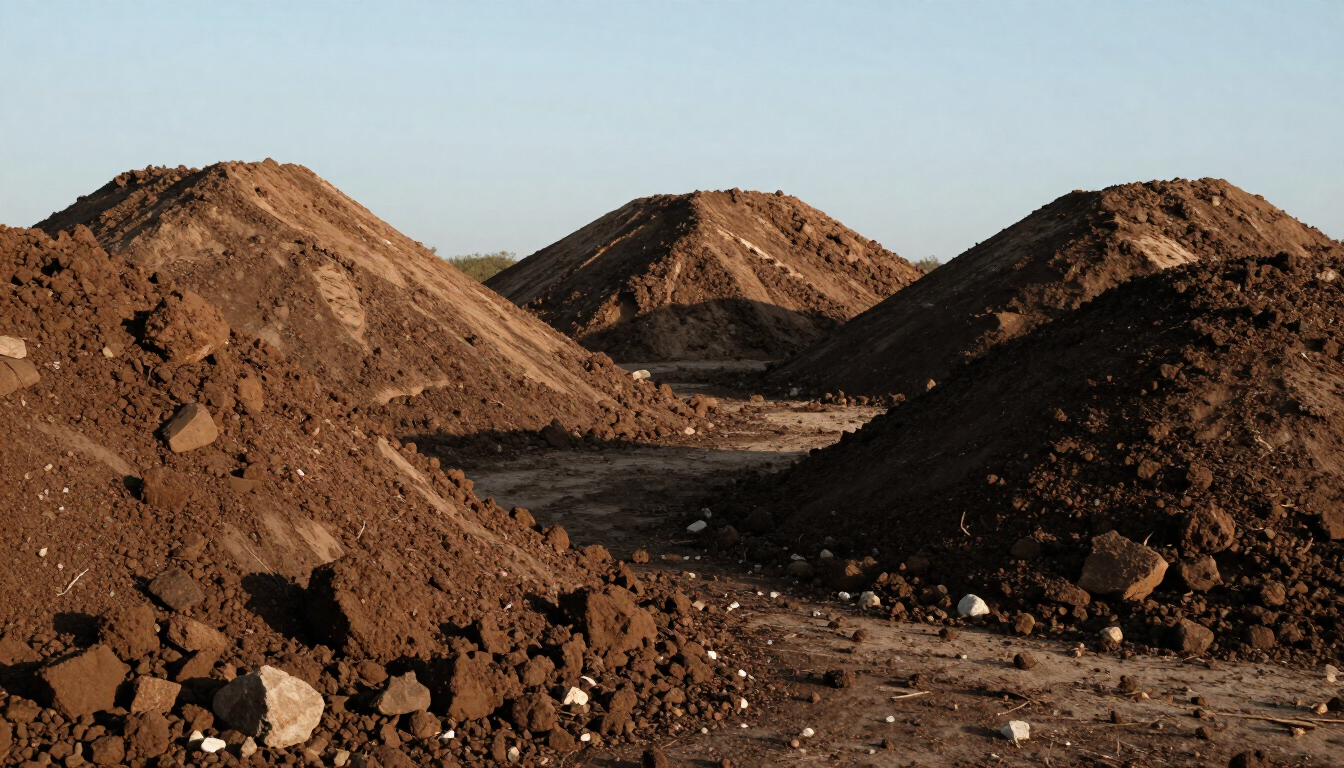
The soils shift across the region. Heavy valley clays that shrink and swell with the seasons. Cobble and river-run rock in the valleys and foothills. Shale layers that go from diggable to jackhammer in a few vertical feet.
Freeze-thaw is a design input here, not a formality. This is high-desert and mountain country: wide temperature swings, cold nights into late spring, real elevation differences between one property and the next. Burial depth is set by site conditions, local requirements, and provider standards, and it gets confirmed per project, not pulled off a generic chart.
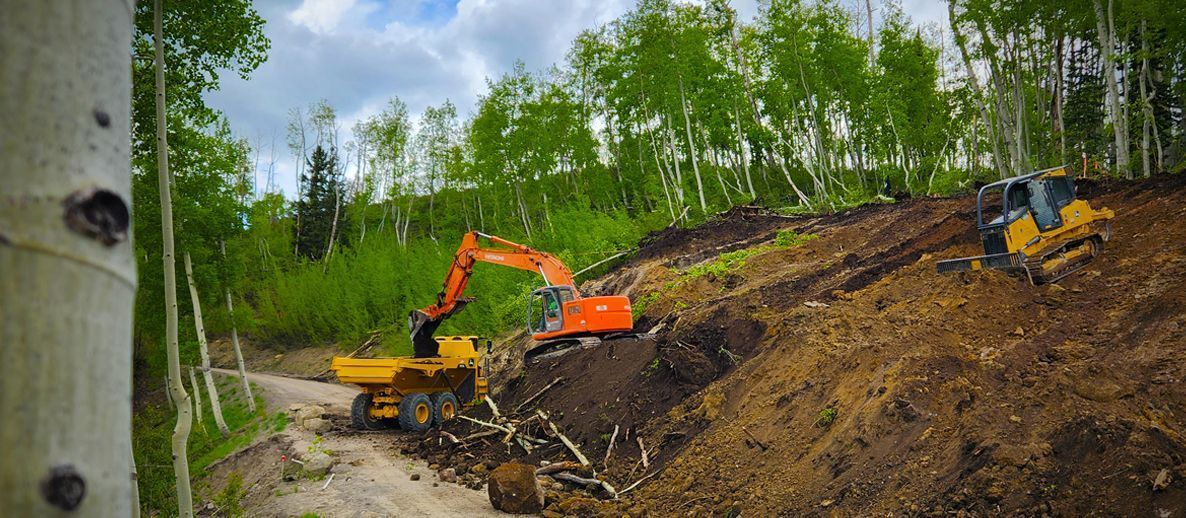
Access changes the plan too. Narrow rural driveways. Gated ranch entrances. Ditch company laterals crossing the line route. Established lawns and mature trees on older town lots. Each one affects machine selection, ground protection, and restoration scope.
Water in the trench is a real factor as well. Irrigation season, high water tables in low spots, and ditch seepage can mean dewatering or scheduling around water calls.
And rock is the biggest wildcard on cost and machine time. The same hundred feet of line can be a half-day job in valley clay and a multi-day rock trench on a mountain bench.