
Underground Utilities Construction: A Guide for Success (2026)

May 13, 2026

TL;DR: Essential Facts About Underground Utilities

  • Definition: The process of burying infrastructure like water, sewer, and power lines safely beneath the frost line.
  • Advantages: Enhanced property aesthetics, protection from harsh Colorado weather, and long-term durability.
  • The Process: Involves site assessment, precision trenching, pipe laying, and expert backfilling with proper compaction.
  • Local Factor: Western Colorado soil often requires specialized equipment to handle rocky terrain or heavy clay.
  • Professional Need: Expert installation prevents future line breaks, leaks, and costly emergency repairs.

Underground utilities construction is the specialized process of installing essential service lines like water, sewer, electricity, and fiber optics beneath the ground. This method protects vital infrastructure from environmental damage while maximizing surface space. It involves precise excavation, trenching, and pipe installation to meet engineering and safety standards.

What is underground utilities construction?

Underground utilities construction refers to the engineering and physical labor involved in placing infrastructure for water, gas, electricity, and telecommunications below the earth's surface. When you develop a property in Western Colorado, this is often one of the first and most critical steps after initial land clearing. This process replaces the traditional overhead wires and exposed pipes with a more resilient, subterranean network.

In our region, this work is not just about digging a hole and dropping in a pipe. It requires a deep understanding of soil mechanics and local frost depths. Because the ground in areas like Montrose and Ridgway can freeze deep during the winter, pipes must be buried at specific depths to prevent bursting. This is where utility installation and repair services become indispensable for any residential or commercial project.

For most landowners, the goal is to create a seamless connection between the main city or county utility mains and the building site. This involves creating a network that is both accessible for future maintenance and durable enough to withstand decades of ground pressure and seasonal shifts. Whether you are building a new home or upgrading an existing ranch, the underground utility network is the backbone of your property’s functionality.

The Core Benefits of Underground Utility Systems

Transitioning to underground systems offers a wide array of benefits that go far beyond just looking better. While aesthetics are a major driver for many homeowners, the practical advantages are the real reason why modern construction standards favor burial over overhead lines. In the rugged environment of Western Colorado, these benefits are even more pronounced.

  • Weather Protection: Underground lines are shielded from high winds, heavy snow, and falling tree branches.
  • Property Value: Removing unsightly poles and wires creates a cleaner, more open landscape for your property.
  • Enhanced Safety: Burying high voltage lines reduces the risk of fire or accidental contact during future landscaping.
  • Longevity: Modern materials like HDPE and PVC are designed to last for 50 years or more underground.
  • Spatial Efficiency: You gain more usable surface area for driveways, gardens, or outbuildings without worrying about overhead clearance.

By choosing underground installation during your home and building site preparation , you are making an investment in the long term resilience of your infrastructure. It is much easier to do this work correctly during the initial phase than to try and move services later.

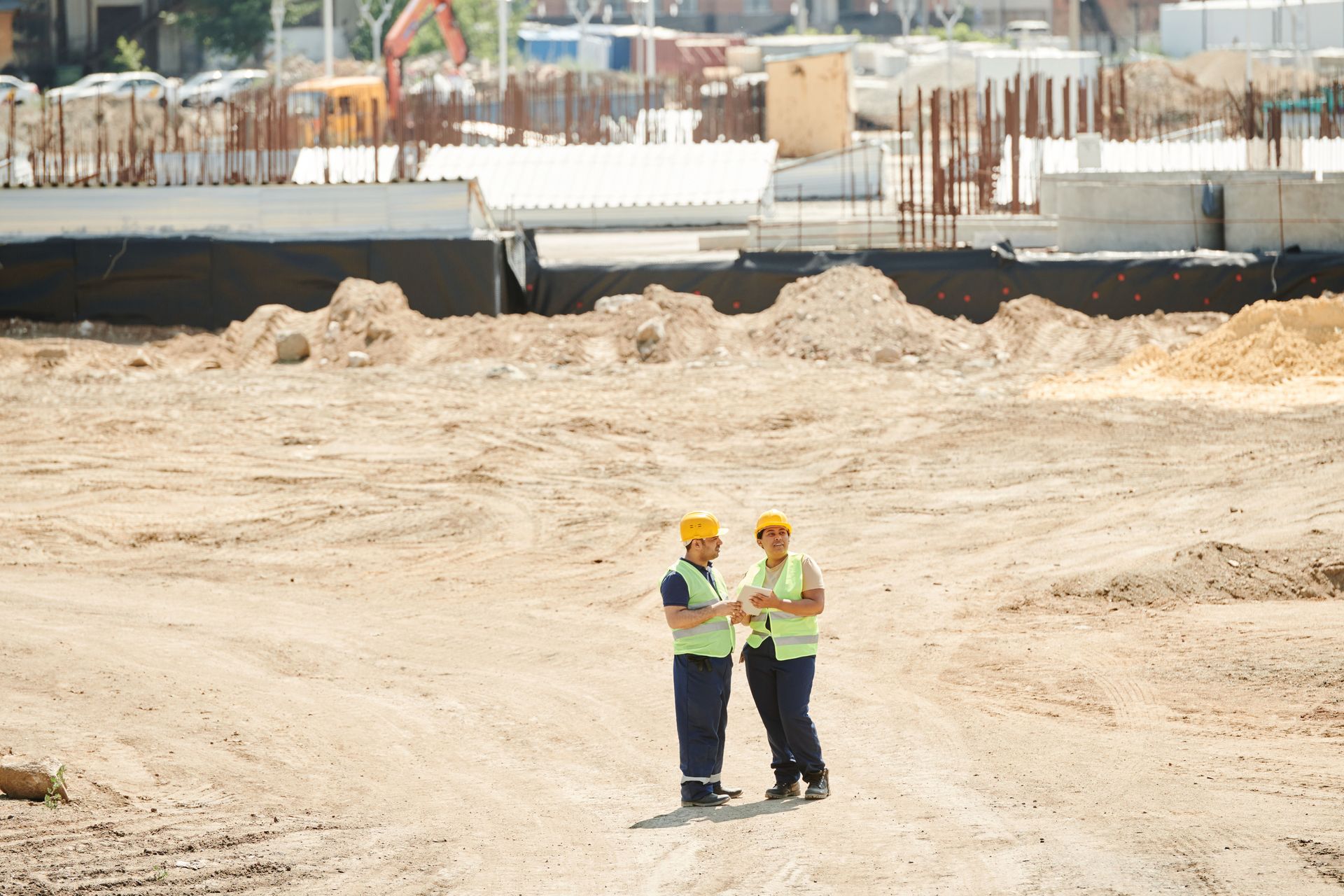
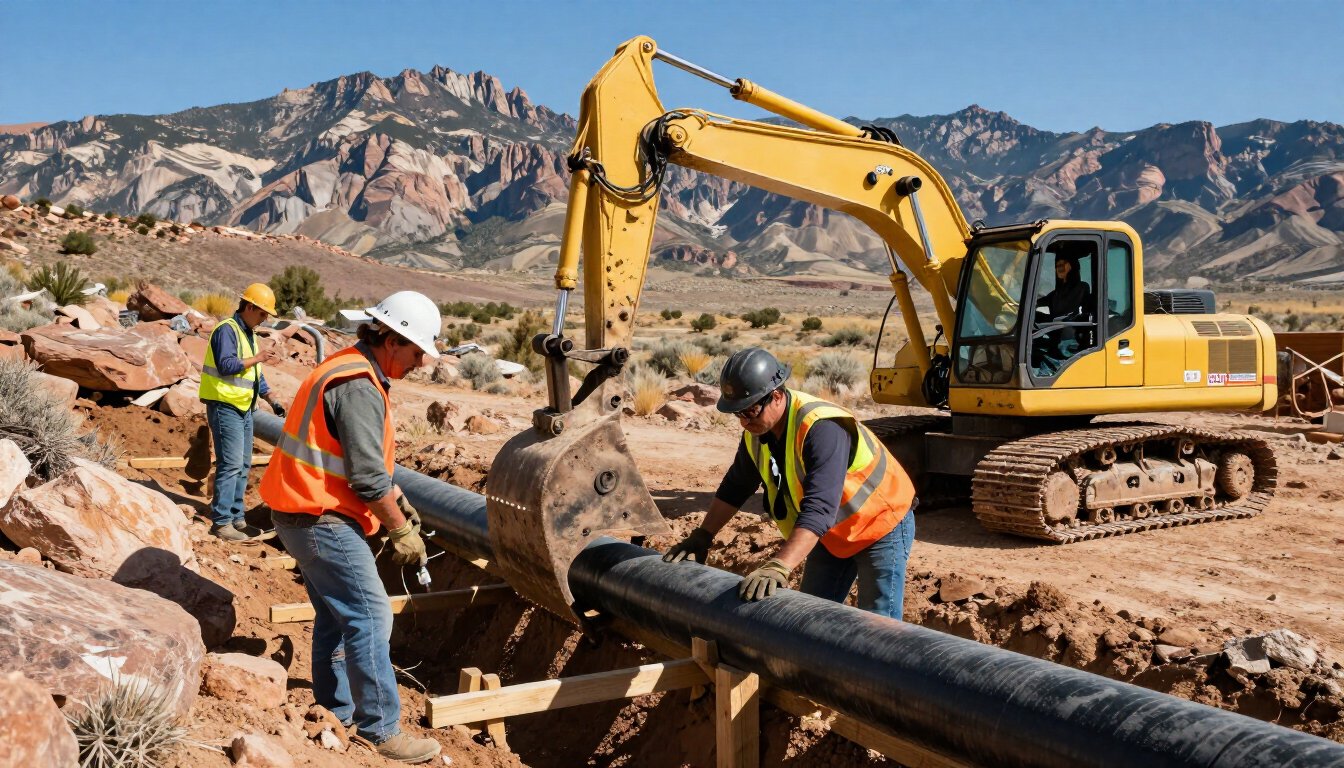
photorealistic professional excavation crew installing underground utility lines in a scenic western colorado landscape mountains in background high quality detail

How does the underground utility installation process work?

The process of installing underground utilities is a sequence of highly regulated steps. Each phase must be completed with precision to ensure the system passes inspection and functions without failure. For those in Western Colorado, the process also has to account for the unique geological challenges found in the Uncompahgre Valley and surrounding plateaus.

Site Assessment and Permitting

Before any dirt is moved, a thorough site assessment is required. This involves identifying existing lines (the "811 call") and reviewing the engineering plans for the new build. Permitting is a crucial step; local municipalities and counties have specific codes regarding how deep lines must be buried and what types of materials are allowed. At Able Excavation, we prioritize these early stages to ensure that every project meets or exceeds local engineering standards.

Precision Trenching and Excavation

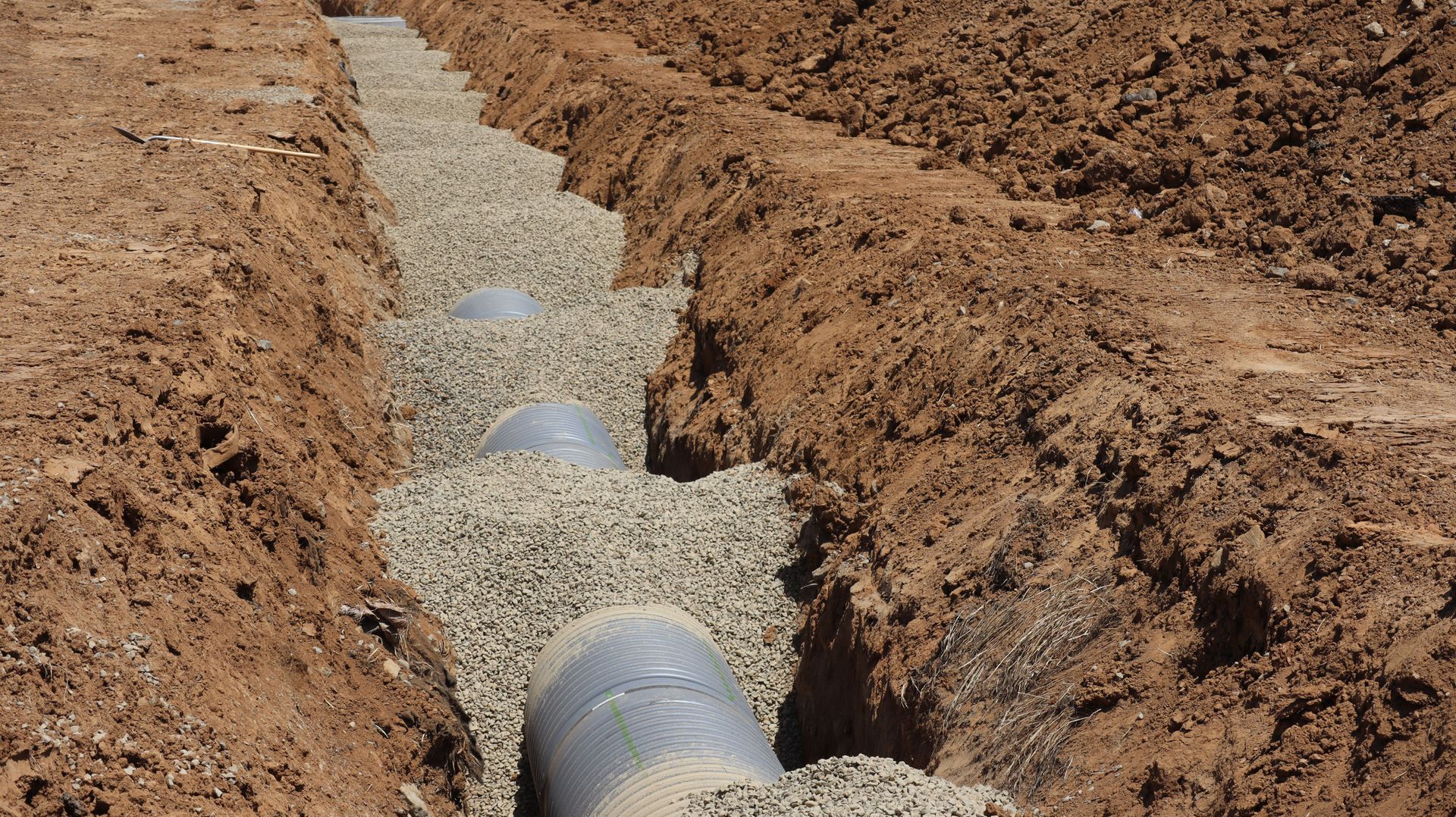
Once the layout is marked, the actual excavation begins. Using excavators and backhoes, we dig trenches that follow the planned utility paths. The depth is critical; for example, water lines usually need to be at least 48 inches deep in this part of Colorado to stay below the frost line. If we are working on commercial excavation projects, the trenches may be much wider and deeper to accommodate large diameter utility mains and multiple conduits.

Pipe and Conduit Installation

After the trench is prepared, the pipes or conduits are laid. This is where specialized skills like HDPE pipe fusing come into play. Fusing creates a seamless, leak proof connection that is vital for water and gas lines. For electrical and fiber optic services, we install heavy duty conduits that allow wires to be pulled through easily. Each segment of the pipe must be carefully bedded in sand or fine material to prevent rocks from puncturing the line as the ground settles.

Backfilling and Restoration

This is perhaps the most underrated part of the process. Simply pushing the old dirt back into the hole is not enough. Proper backfilling requires adding material in layers and compacting each layer to prevent future sinking or shifting. We often use specialized equipment to ensure the soil density matches the surrounding earth. This is especially important for subdivisions and roads , where the ground must support the weight of heavy vehicles shortly after installation.

Common challenges in Western Colorado terrain

Working in Western Colorado presents unique hurdles that you might not find in other regions. Our landscape is famous for its beauty, but that beauty comes with challenging soil conditions. From the stubborn Mancos Shale in Montrose to the river rocks found near Olathe, every site requires a tailored approach.

One of the biggest issues we face is soil expansion and contraction. Many areas have high clay content that swells when wet and shrinks when dry. This movement can put immense stress on rigid pipes. To counter this, we use flexible piping materials and specific bedding techniques that allow for minor shifts without causing a rupture. Another challenge is the sheer volume of rock in certain areas, which can require more powerful machinery or specialized rock teeth on our buckets to achieve the necessary trench depth.

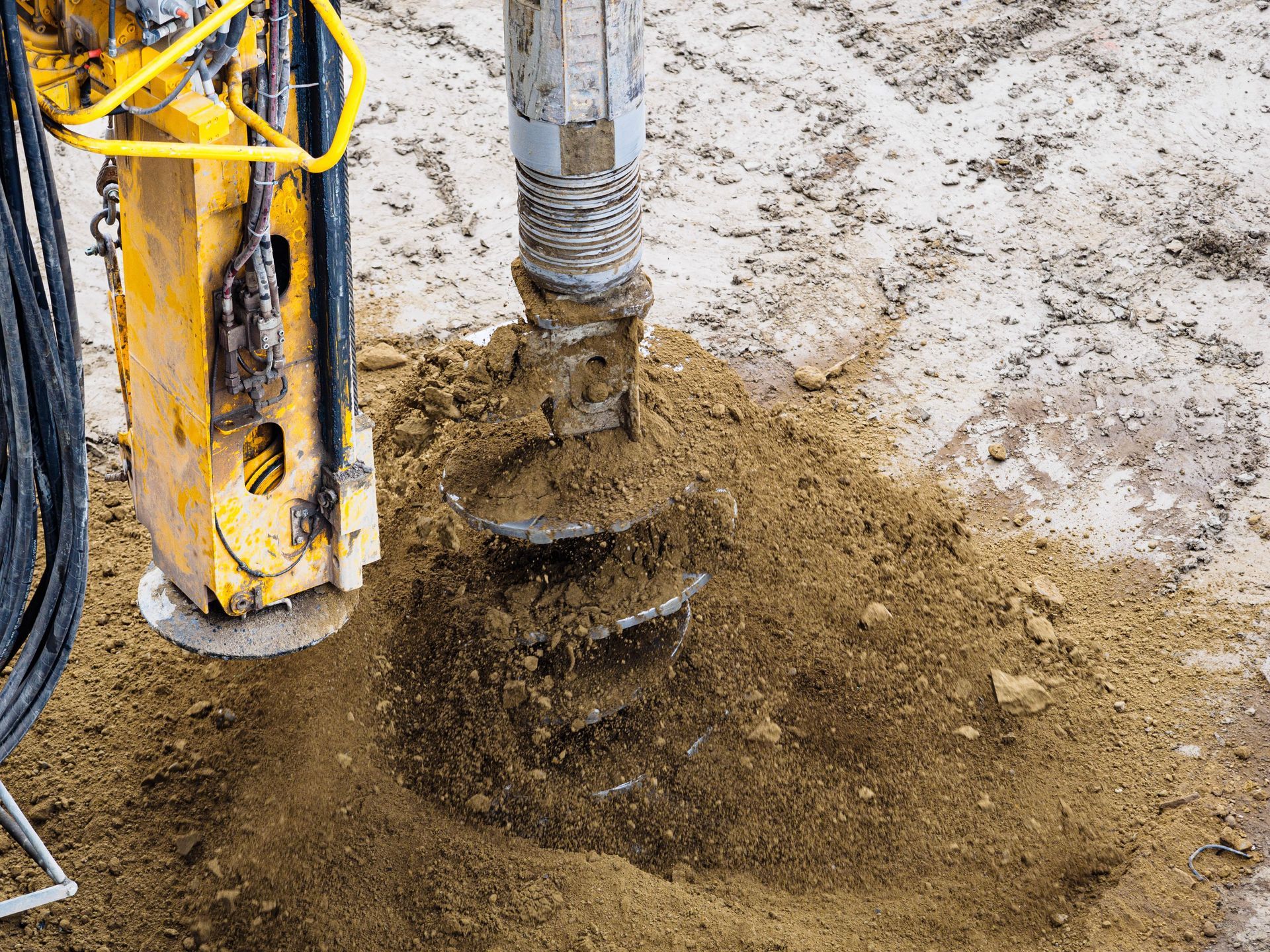
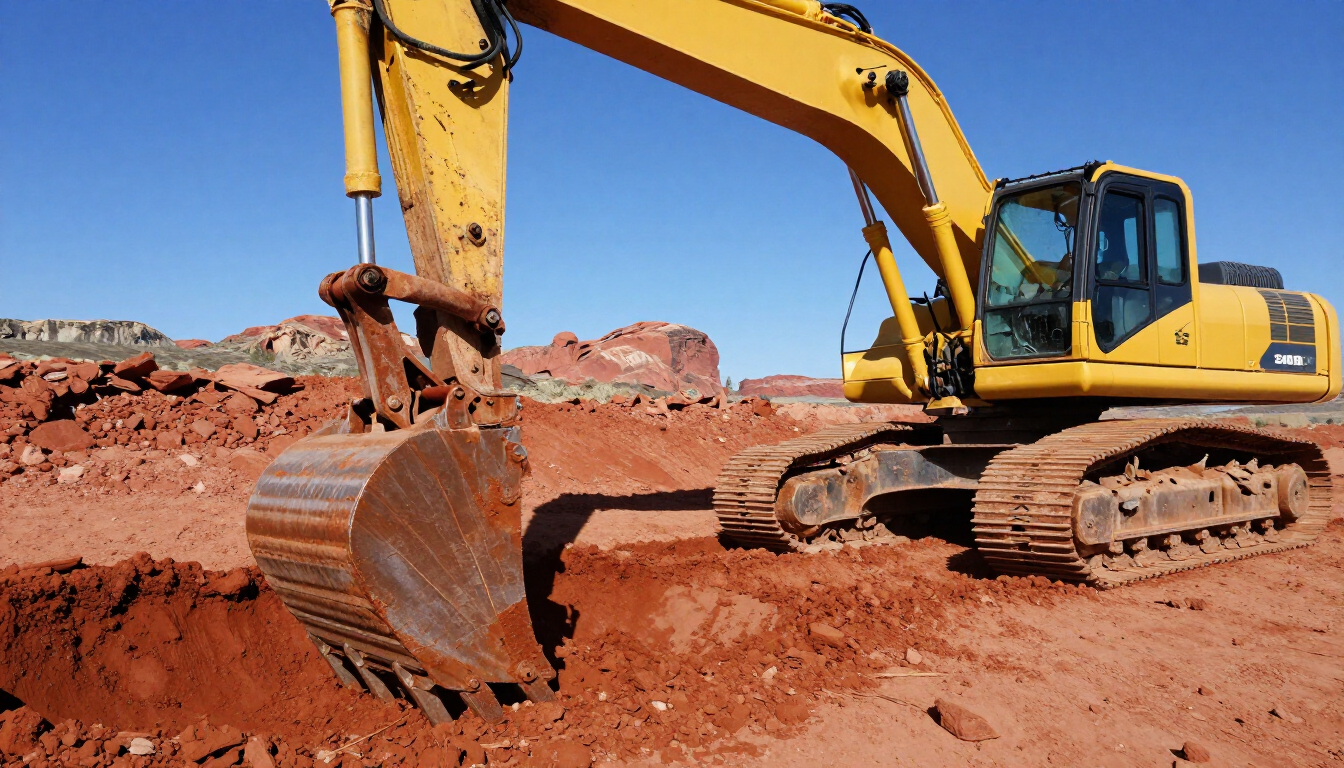
photorealistic close up of excavator digging a precise utility trench red+dirt western colorado clear blue sky high detail

Why is professional excavation critical for utility mains?

When you are dealing with utility mains, the stakes are high. These are the primary arteries that supply your entire property or a whole neighborhood. A single mistake in the grade or a small nick in the pipe can lead to catastrophic failures. Professional excavators bring more than just machines to the job; they bring the experience of four generations, as we do at Able Excavation, to ensure the job is done right the first time.

Professional contractors understand the importance of "grade." In sewer and drainage systems, the pipe must have a very specific slope to ensure fluids move via gravity. If the slope is too shallow, clogs will occur. If it is too steep, solids may settle while the liquids move too fast. We use laser leveling tools and years of field experience to get these measurements perfect. This level of accuracy is why many developers trust us for their intrastate trucking and hauling and site development needs.

Essential Considerations for Ranch and Agricultural Utility Projects

Agricultural utility work differs significantly from standard residential builds. On a ranch, the scale is much larger. You might need to run water lines thousands of feet to reach distant troughs or install complex irrigation systems to keep your fields productive. These projects require a balance of power and finesse to ensure the utilities are deep enough to survive heavy machinery driving over them, yet installed efficiently to keep costs manageable.

Irrigation systems in particular require a high level of expertise. We handle everything from HDPE pipe fusing for large water lines to creating drainage solutions that prevent field erosion. Because we are locally owned and family operated, we respect the land and understand the agricultural heritage of Western Colorado. We aim for a low impact approach, ensuring that your topsoil is preserved and your land remains productive long after the machines have left the job site.

How much does underground utility construction cost?

Estimating the cost of underground utilities is complex because no two properties are identical. Several factors will influence your final quote, and understanding these can help you budget more effectively for your development. While it might be tempting to look for the cheapest option, remember that these systems are buried under tons of dirt; fixing a mistake later is incredibly expensive.

  • Trench Length: The further the utilities must travel from the main connection, the higher the cost.
  • Soil Composition: Excavating through solid rock or thick clay takes more time and wears down equipment faster than digging in sandy loam.
  • Number of Utilities: Installing water, sewer, and electric in a single "joint trench" is more cost effective than digging separate paths.
  • Depth Requirements: Deeper trenches require more safety measures and more earth moving.
  • Permit and Inspection Fees: These vary by county and can add several hundred or thousand dollars to a project.

We always recommend getting a detailed site evaluation. Our team can walk your property in Montrose, Ridgway, or Ouray to provide a realistic assessment of the costs involved based on the specific terrain and project requirements.

Safety Standards and National Certifications

Safety is the most important part of any excavation project. Digging deep trenches involves inherent risks like cave-ins and hitting unmarked existing lines. This is why it is vital to work with a company that is fully insured, bondable, and follows all OSHA standards. We take safety seriously, ensuring that every trench is properly shored or sloped to protect our workers and your property.

In addition to standard safety protocols, specific utility systems require certified expertise. For example, installing a septic system is a major component of rural utility construction. As a nationally certified septic system installer, Able Excavation ensures that these systems are placed according to environmental health regulations. You can learn more about our specific approach on our septic installation page. We also utilize sewer camera services to inspect lines before backfilling, ensuring there are no hidden defects that could cause problems later.

Why local expertise matters for your project

Choosing a local company like Able Excavation means you are working with people who know the land. We aren't just contractors; we are your neighbors in Montrose. We understand the local weather patterns, the quirks of the county planning departments, and the specific challenges of Western Colorado geology. This local knowledge allows us to anticipate problems before they happen, saving you time and money.

We pride ourselves on maintaining clean jobsites and having a low impact on the land. Whether we are doing a simple drainage and landscape project or a massive subdivision development, we treat your property with the respect it deserves. Our goal is to leave the site better than we found it, with infrastructure that will serve you for decades to come.

Conclusion: Your Next Steps in Utility Construction

Underground utilities construction is a foundational element of any successful property development. By choosing to bury your water, sewer, and power lines, you ensure a safer, more attractive, and more resilient infrastructure. While the process involves complex trenching and precision engineering, working with the right professional team simplifies the journey.

  • Identify Your Needs: Determine which utilities are required and where they need to go on your site map.
  • Consult the Pros: Reach out to experienced excavators who understand Western Colorado soil and regulations.
  • Plan for the Long Term: Invest in quality materials like fused HDPE to avoid future leaks and breaks.
  • Prioritize Safety: Only work with insured and certified installers to protect your investment.

If you are ready to start your next project or have questions about how to bring utilities to your land, we are here to help. You can learn more about us and our commitment to integrity, or visit our contact page to request a consultation. Let us put our four generations of experience to work for you.

Share this article

Recent Posts

Archaeological excavation site with trenches and exposed earth under a cloudy sky.
By Admin May 18, 2026
Professional land clearing contractors in Western Colorado offering site prep, drainage, septic prep, utility trenching, hauling, road prep, and excavation services.
Large engineered retention pond in a Western Colorado landscape.
May 13, 2026
Learn the essentials of retention pond construction in Western Colorado. Explore benefits, regulations, and maintenance for effective stormwater management.
Excavated earthen trenches and rectangular pits at an archaeological dig site in a barren landscape
May 7, 2026
Discover what makes excavation in Montrose CO unique. Learn about Mancos Shale challenges, site preparation, and professional septic installation in Western Colorado.
Heavy machinery clearing land in Western Colorado.
May 4, 2026
Learn what land clearing contractors do and how they help property owners in Western Colorado prepare land for construction, farming, and fire safety.
A residential water meter box located in a yard near the street.
April 27, 2026
Learn how to find your main water shutoff valve quickly to prevent damage. Our guide covers residential and commercial properties in Western Colorado.
Professional excavation for water main repair in Western Colorado.
April 27, 2026
Dealing with a water main break? Learn the immediate steps to take, who to call in Western Colorado, and how to prevent future pipe damage on your property.
Professional site preparation and excavation services in Western Colorado.
April 24, 2026
Learn what site preparation is in construction and why it is critical for success. Discover the benefits of professional grading and site prep in Western Colorado.
Three people stand around a partially excavated dirt site while inspecting a buried wastewater tank and pipes.
By Admin April 13, 2026
Learn what affects septic tank installation cost, how septic systems work, and why site prep, drainage, utilities, and excavation all matter for long-term performance.
A yellow backhoe excavator digs a trench in a field on a sunny day.
By Admin April 9, 2026
Learn what excavation and lateral support include, why they matter, and when to hire an excavation contractor for site prep, drainage, utilities, septic, and roads.