
What is Site Preparation in Construction? (5 Key Benefits)
Site preparation is the essential foundational process of readying a plot of land for construction. It includes land surveying, vegetation clearing, soil testing, grading for drainage, and excavating for foundations and utilities. Professional site prep ensures structural integrity, prevents water damage, and identifies underground hazards before the building phase begins.
TL;DR: Why Site Preparation Matters
- Structural Foundation : Provides a stable, level base to prevent future shifting or settling.
- Water Management : Establishes proper drainage to protect your property from erosion and flooding.
- Cost Efficiency : Identifies subterranean obstacles early to avoid expensive mid-construction delays.
- Code Compliance : Ensures the site meets local Western Colorado building standards and engineering requirements.
- Utility Readiness : Prepares necessary paths for water, sewer, and electrical systems.
What exactly is site preparation in construction?
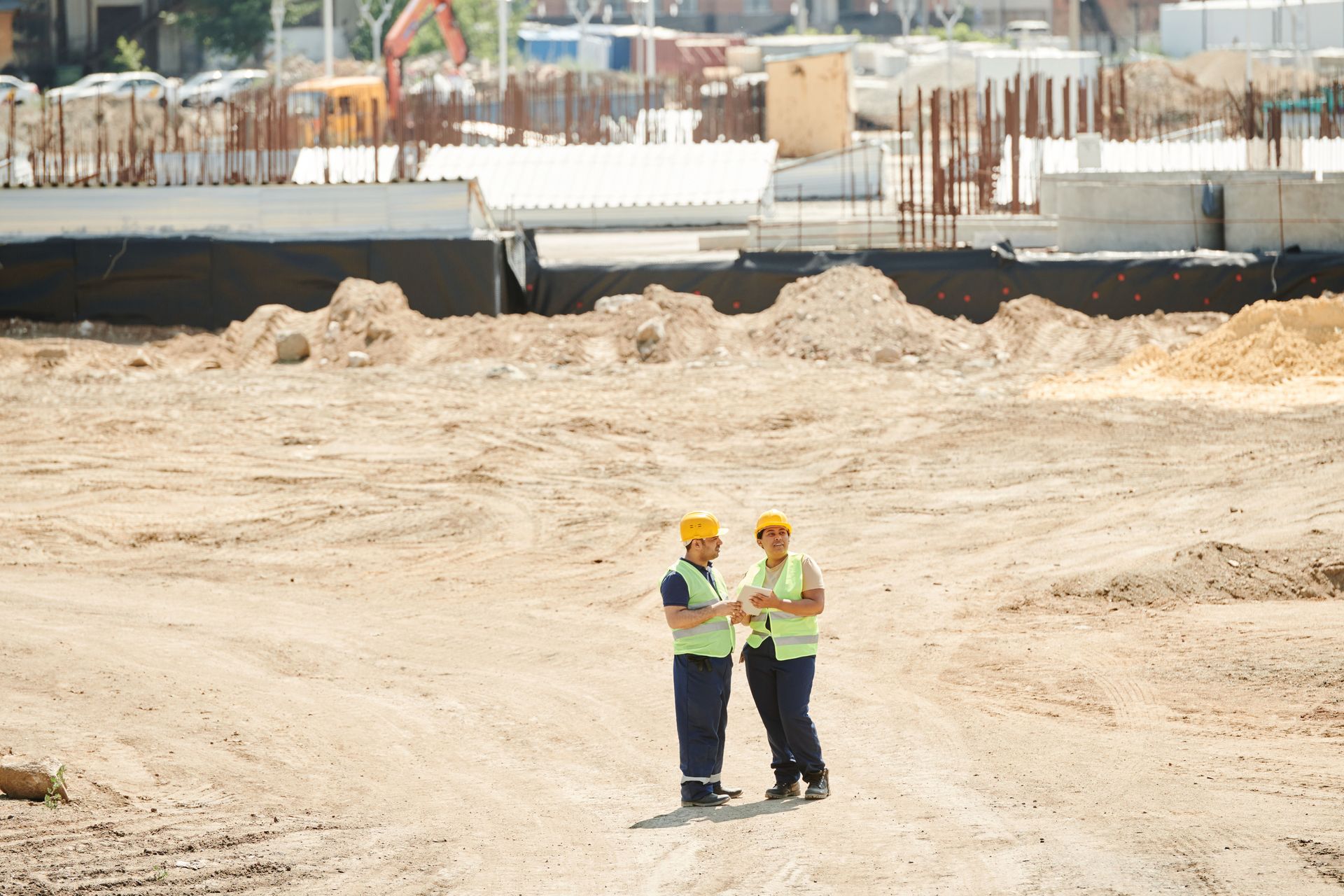
When you see a sprawling construction site in Montrose or a new residential build in Delta, you are likely looking at the results of weeks of careful preparation. Site preparation is not merely moving dirt; it is a systematic engineering process that transforms raw land into a reliable building environment. This phase is the very first physical step in any construction project, and its success dictates the longevity of everything built on top of it.
At its core, site preparation involves a series of complex tasks designed to make the land "buildable." This begins with land surveying. A surveyor will mark the property boundaries and the specific footprint of the structure. This mapping ensures that the home, road, or commercial building is positioned exactly where the blueprints dictate. Without precise surveying, you run the risk of encroaching on neighboring property or violating local setback laws.
Following the survey, the site must be cleared. This involves removing trees, brush, boulders, and any existing debris. In Western Colorado, this might also involve the removal of old agricultural infrastructure or irrigation equipment. At Able Excavation, we have seen how important it is to be thorough during this phase. Leaving organic material like roots or wood underground can lead to "sinkholes" later as that material rots, causing the soil above it to collapse. This is why we prioritize clean jobsites and total debris removal.
Land Surveying and Geotechnical Analysis
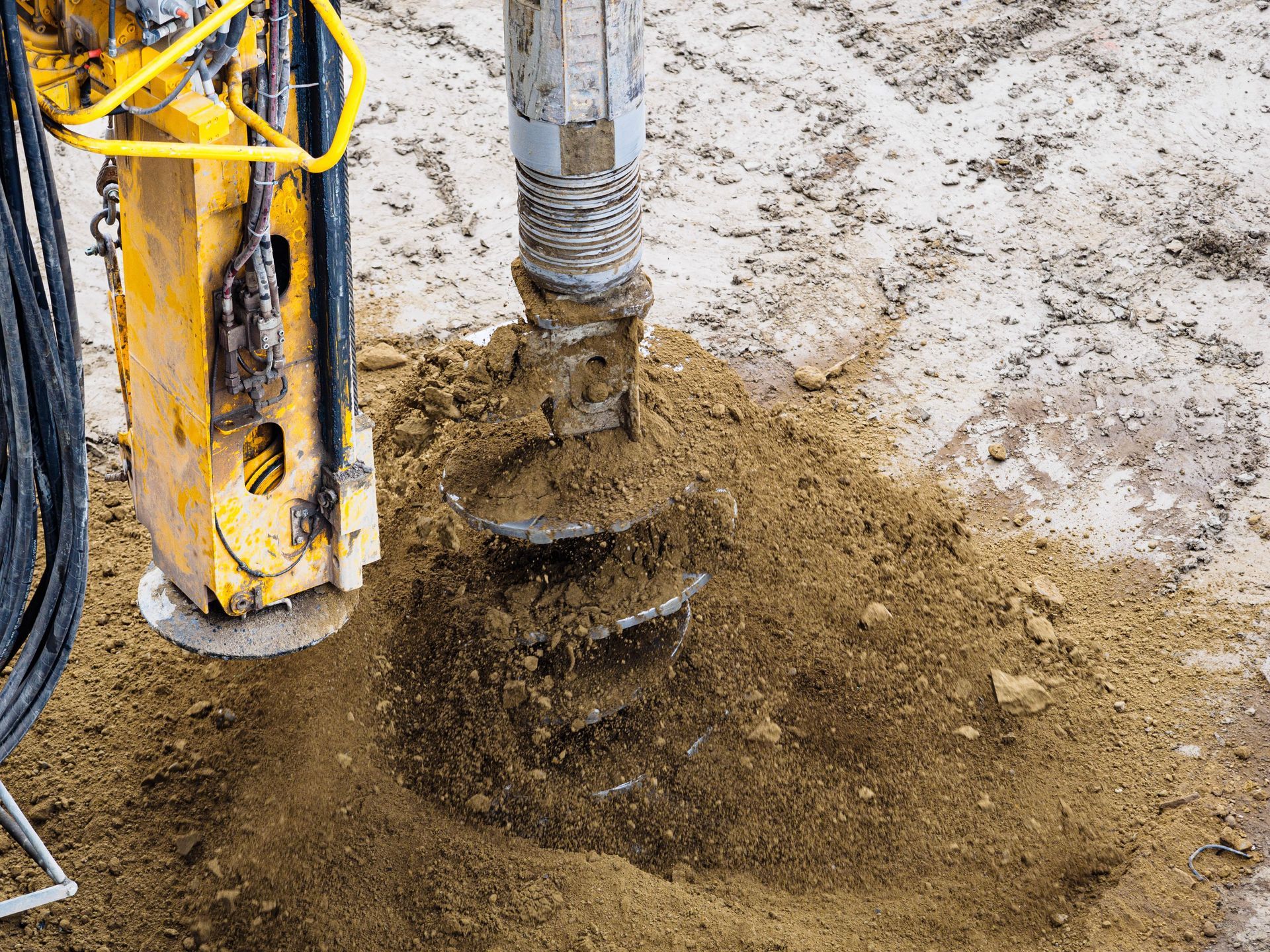
Before any heavy machinery starts its engine, you must understand what lies beneath the surface. Geotechnical analysis, or soil testing, is a vital part of the preparation process. In regions like Hotchkiss, the soil can vary significantly from one acre to the next. Engineers take core samples to determine the soil's load-bearing capacity and its moisture content. This data tells the excavation team how deep the foundation needs to be and what kind of compaction is necessary. For example, if the soil is highly expansive clay (a common occurrence in our area), specific measures must be taken to ensure the foundation does not crack when the ground freezes and thaws.
Clearing and Grubbing Activities
Clearing and grubbing is the industry term for removing everything that shouldn't be there. This includes the visible trees and bushes (clearing) as well as the buried roots and stumps (grubbing). For many homeowners starting a home building site preparation project, this is the most exciting phase because it is the first time the lot looks like a real building site. However, it requires a delicate touch. You want to remove the obstacles without stripping away all the valuable topsoil or damaging the surrounding land that you intend to keep natural. Our family-owned approach focuses on maintaining a low impact on the land while still meeting the rigorous demands of the engineering plan.
Why is site preparation important for your project?
If you skip or rush the site preparation phase, you are essentially building on a house of cards. The primary reason this stage is non-negotiable is structural integrity. A building is only as strong as the ground it sits on. If the soil is not properly compacted or the lot is not leveled correctly, the foundation will eventually settle unevenly. This leads to cracked walls, stuck doors, and, in extreme cases, total structural failure.
Another critical factor is water management. Western Colorado experiences unique weather patterns, from heavy winter snows to sudden summer monsoons. Without professional site preparation, water can pool against your foundation or wash away your landscaping. By establishing a proper grade, an excavation professional ensures that every drop of water is directed away from the structure and toward a designated drainage area. This protects your investment and prevents the mold and rot issues that come with poor drainage.
Ensuring Foundation and Structural Longevity
When we talk about foundation health, we are talking about long-term peace of mind. Proper site preparation involves "proof-rolling" the soil, which means driving heavy equipment over the site to identify soft spots. If a soft spot is found, that soil is removed and replaced with structural fill. This process guarantees that when the concrete is poured, it has a uniform, dense surface to rest on. This is especially important for commercial excavation where the weight of the building and the traffic it receives are much higher than a standard home.
Optimizing Water Management and Erosion Control
Properly managing water is one of the most difficult parts of site prep. It requires a deep understanding of the local topography. For instance, in a hilly area like Ridgway, you have to account for the water coming from higher elevations. This might involve the creation of swales, berms, or the installation of French drains. Effective drainage and landscape solutions are integrated into the site preparation phase to ensure that your property remains stable even during the heaviest rainfall. Erosion can quickly devalue a piece of land, so stopping it at the source during site prep is the smartest move you can make.
Essential Phases of the Site Preparation Process
To give you a better idea of what happens on your property, let's break down the physical steps of the process. Every site is different, but the general flow remains consistent for both residential and commercial projects.
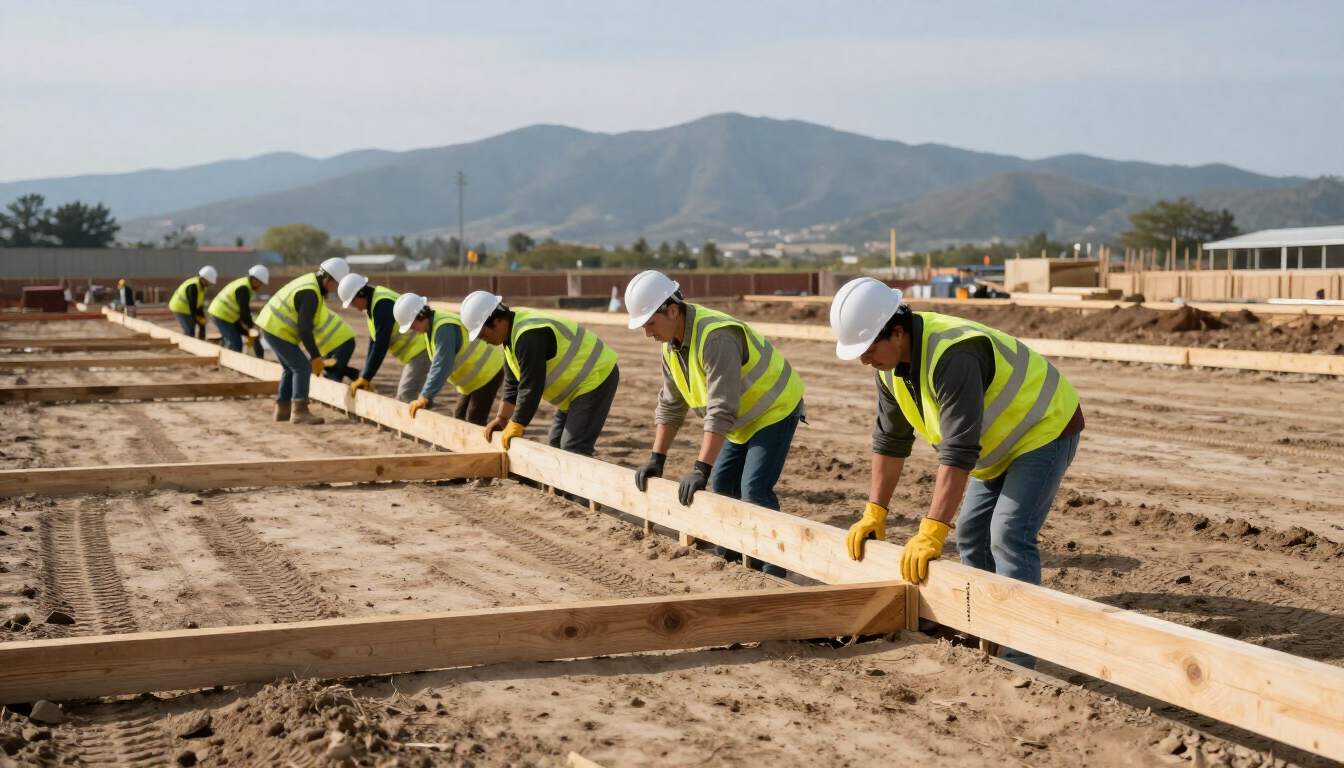
- Site Clearing : Removal of trees, brush, and old structures. This creates a clean slate.
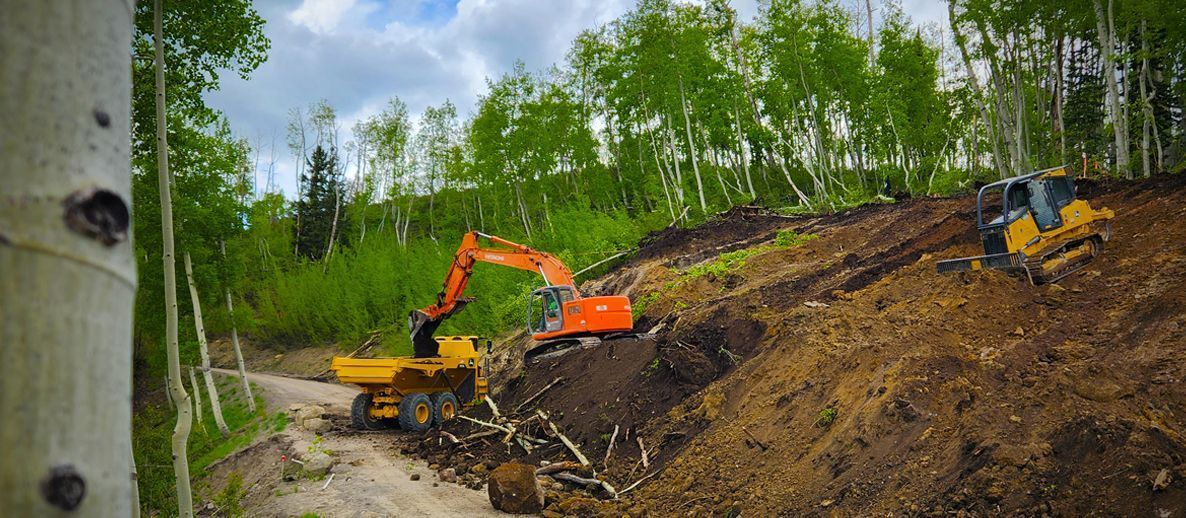
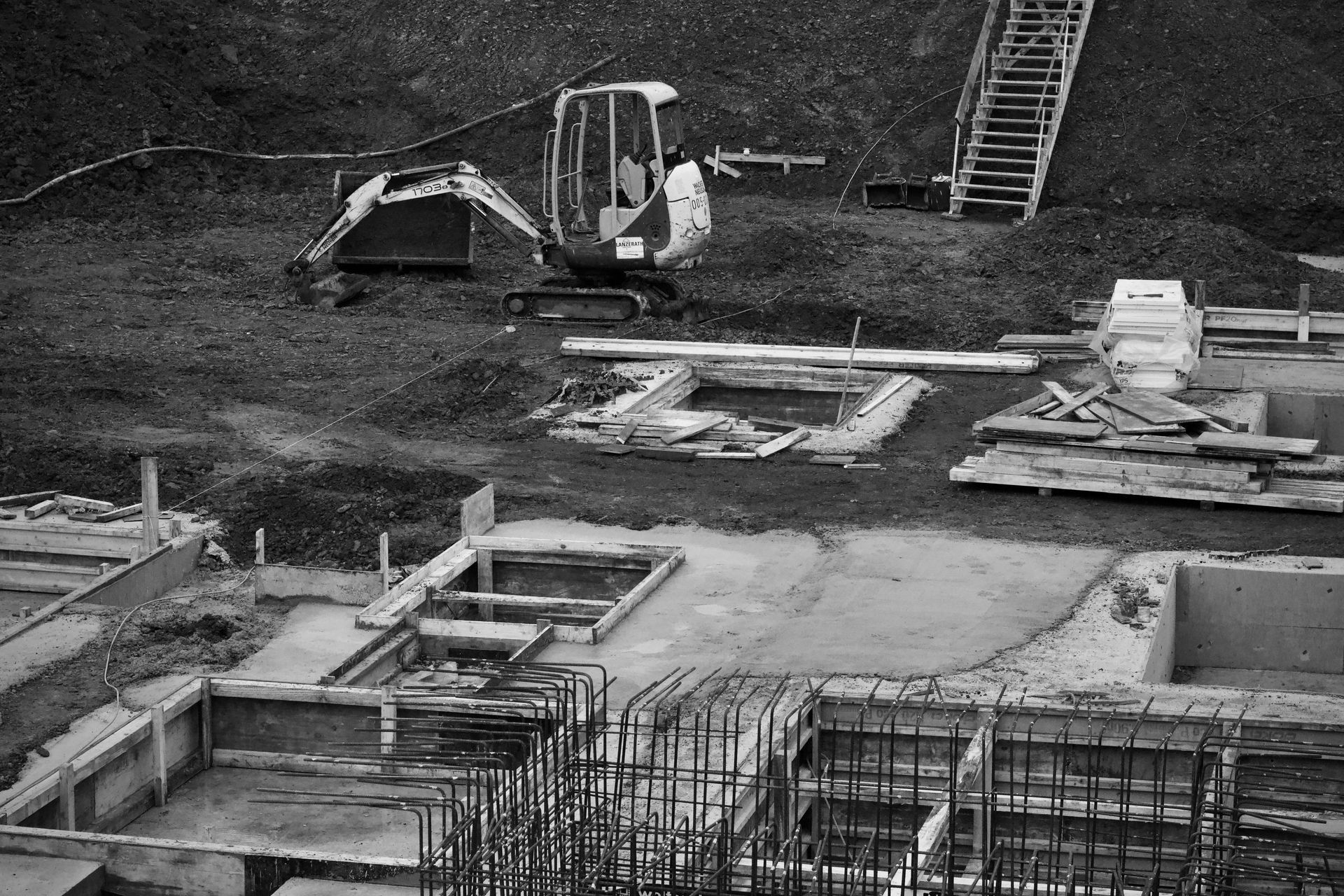
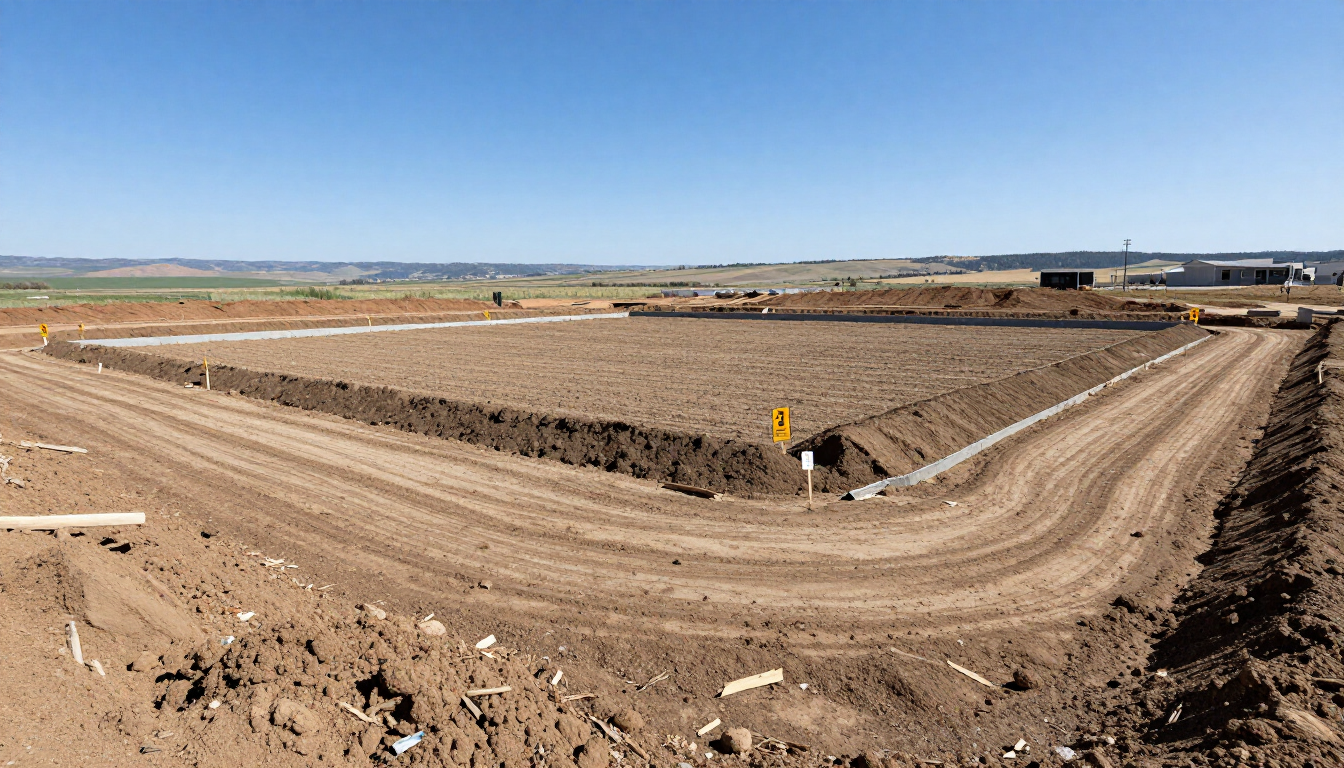
- Rough Grading : This is where the heavy earthmoving happens. We "cut" into high areas and "fill" low areas to create the basic shape of the lot. This stage is also when we establish the location for roads and driveways.
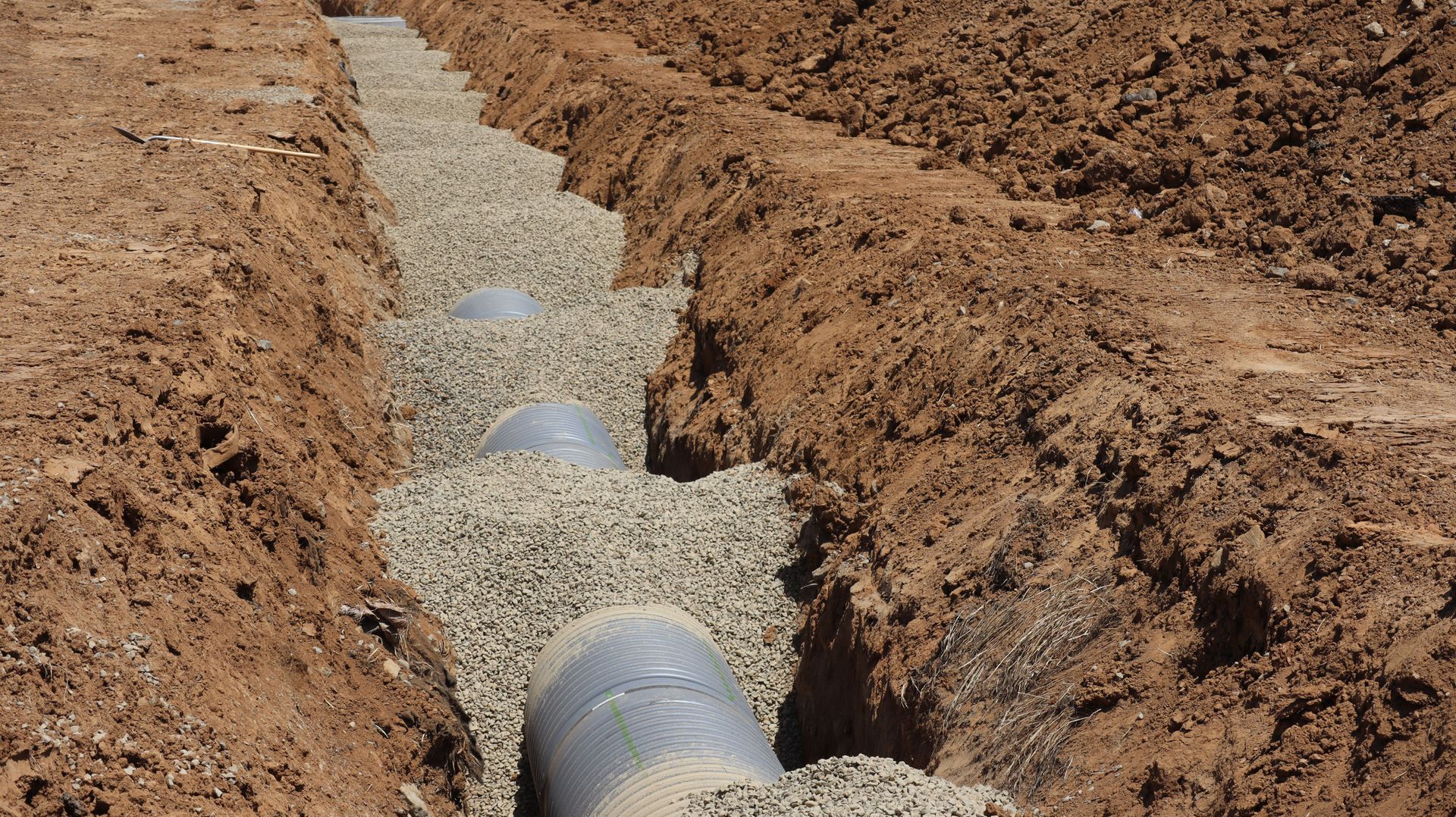
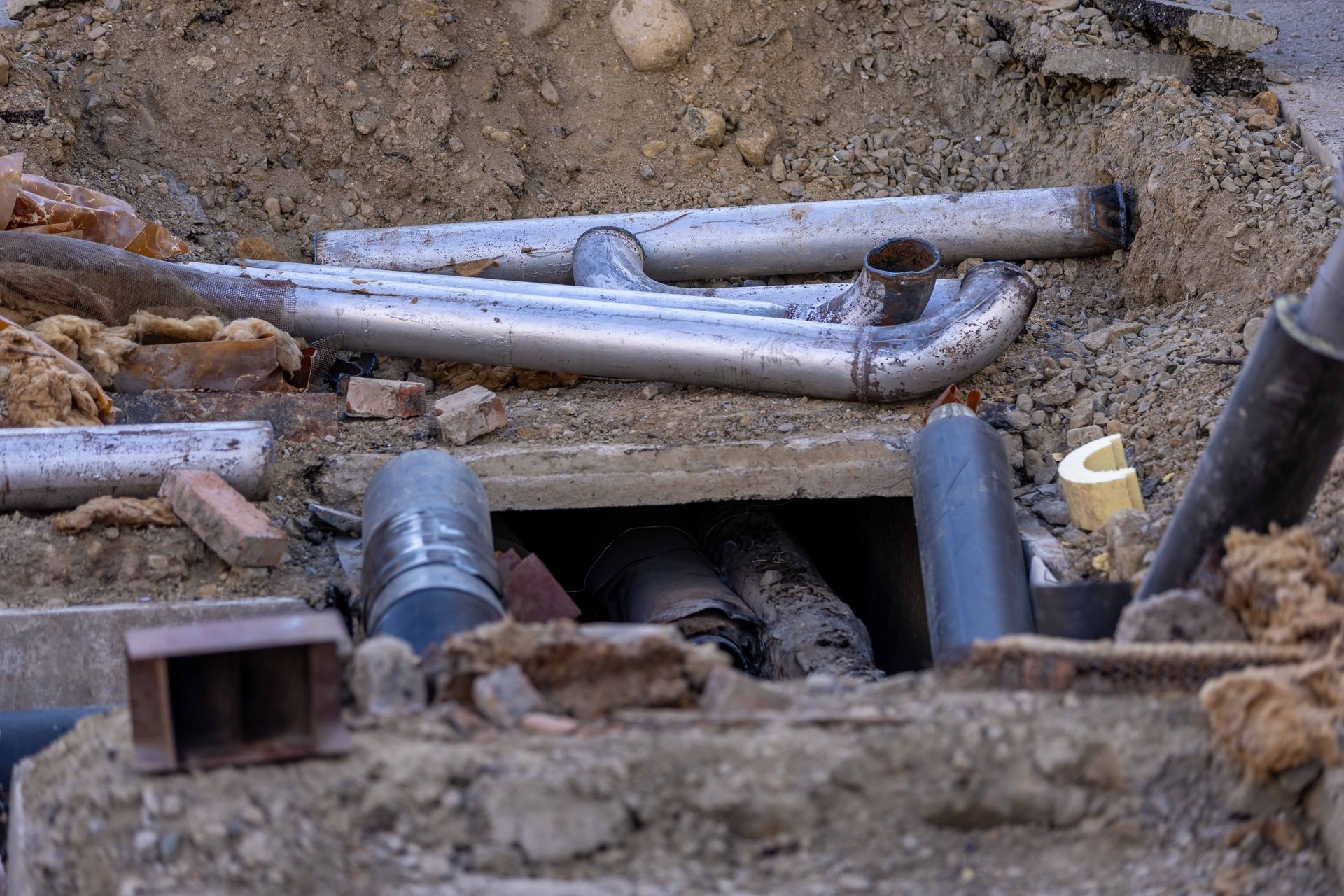
- Trenching for Utilities : Before the foundation is poured, we dig trenches for utility installation and repair . This includes water lines, electrical conduits, and gas pipes. It is much easier and cheaper to do this now than to dig through a finished yard later.
- Septic System Planning : For rural properties in our service area, septic installation is a major component of site prep. The leach field and tank location must be carefully graded and protected from heavy traffic to ensure long-term functionality.
- Final Grading : Once the utilities are in and the heavy foundation work is done, we return for the final grade. This is a precision task that creates the perfectly smooth surface required for landscaping, paving, or lawn installation.
Earthwork: The Science of Cut and Fill
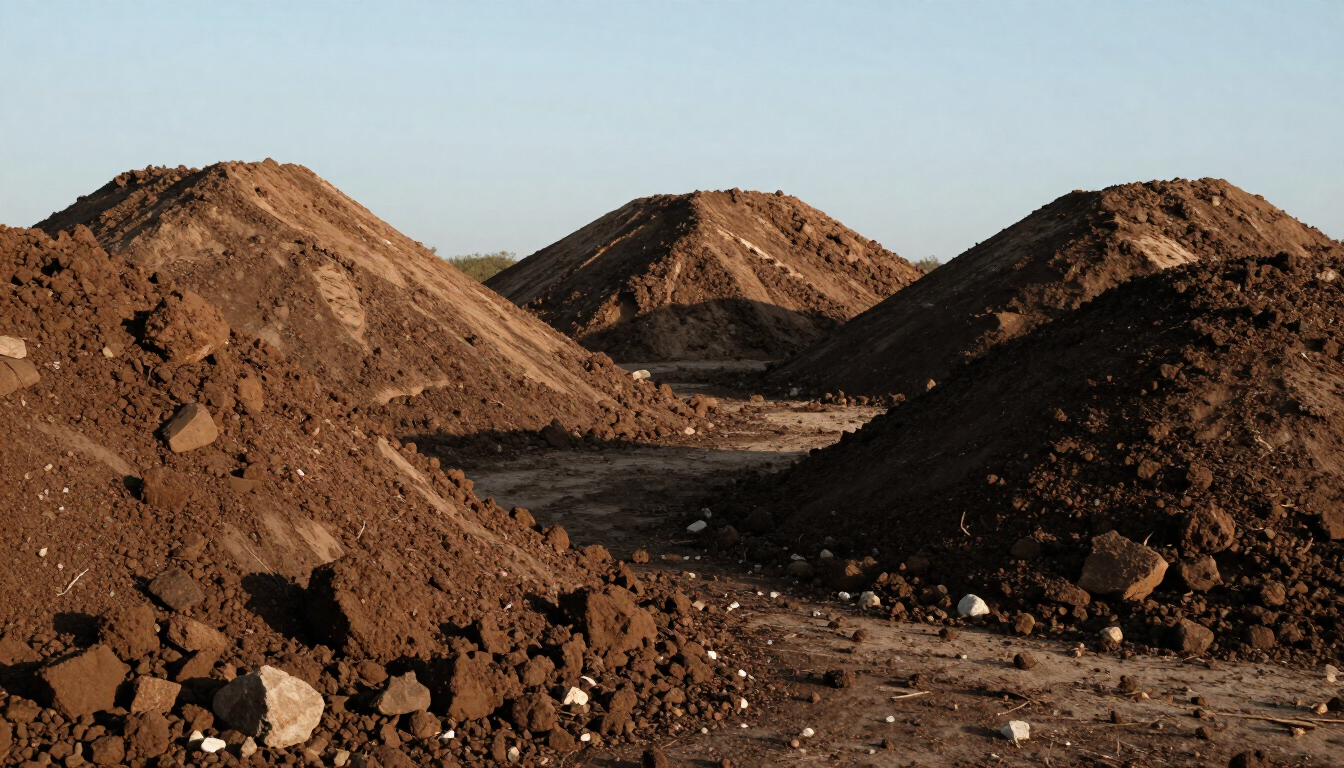
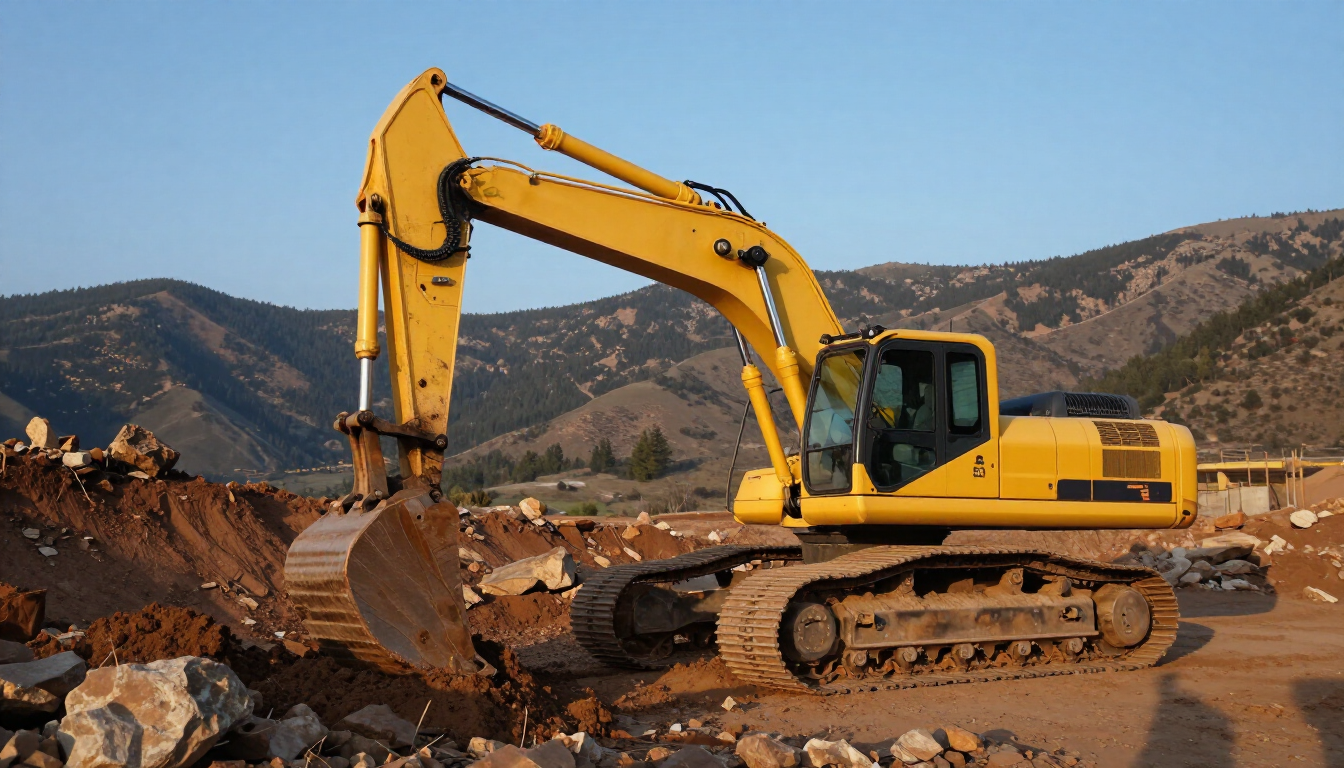
Earthwork is the most intensive part of the site preparation process. It requires moving massive amounts of dirt to reach the "sub-grade" level specified by the engineers. A common challenge in Montrose and Delta is finding the right balance of dirt. If we have to haul dirt away, it adds to the cost. If we have to bring dirt in, that also adds to the cost. A skilled operator aims to "balance" the site, using the dirt removed from a high spot to fill a low spot. This requires expertise and a fleet of reliable equipment, such as dozers, scrapers, and dump trucks for intrastate trucking and hauling .
How does proper grading prevent expensive repairs?
You might be surprised to learn that many of the most expensive home repairs are actually caused by bad grading. When a lot is flat or, worse, sloped toward the house, water naturally migrates toward the foundation. Over time, this water saturates the soil, causing it to expand and put immense pressure on the concrete walls. This pressure eventually causes cracks, which allow water to seep into the basement or crawlspace.
By investing in professional grading during the site preparation phase, you are buying insurance for your future. A properly graded lot will have a 5% to 10% slope away from the house for the first ten feet. This subtle angle is enough to keep your foundation dry and your soil stable. We have seen cases where homeowners spent thousands of dollars on interior waterproofing, when a simple half-day of grading work by a professional excavation team would have solved the problem permanently.
Identifying Underground Hazards Early
Site preparation also acts as a discovery phase. When you are excavating for a new subdivision or a single-family home, you never know exactly what is underground. You might find hidden boulders, abandoned utility lines, or even an old well. By having a professional team like Able Excavation on-site, these issues are identified and mitigated before the building contractors arrive. This prevents the "stop-work" orders that can derail a construction schedule for weeks. We use advanced tools and techniques, including sewer camera services and utility locating, to ensure the ground is safe to build on.
Site preparation challenges in Montrose and Delta
Western Colorado is a beautiful place to build, but it presents unique challenges for excavation. The first is the "adobe" soil. This heavy clay is incredibly hard when dry and dangerously slick and soft when wet. Working with adobe requires timing and experience; you have to know when the moisture levels are just right for compaction. If the soil is too dry, it won't compact. If it is too wet, it turns into a muddy mess that can swallow a piece of heavy equipment.
Elevation and terrain also play a role. Whether you are building near the Gunnison River or on a high desert mesa, the slope of the land must be respected. We often have to build retaining walls or complex drainage systems to manage the natural runoff of the area. As a fourth-generation excavation family, we understand these local quirks. We know how the land behaves in our region, which allows us to provide more accurate estimates and more durable results for our clients.
Why partner with a local excavation expert?
Choosing the right partner for your site preparation is just as important as the building itself. You want a company that respects the land and understands the engineering standards required for a lasting structure. A local company like Able Excavation brings more than just machines to the job; we bring over 20 years of personal experience and a legacy of four generations working this specific Western Colorado soil.
We emphasize integrity and strong workmanship. This means we don't cut corners on soil compaction, and we don't leave a messy site for the next contractor. We are fully insured, bondable, and nationally certified for septic installations. When you work with a local expert, you are working with someone who cares about the community because they live here too. We strive to maintain a low impact on the environment while still ensuring your project meets every single inspection standard.
Summary: Essential Takeaways for Your Construction Project
Site preparation is the unsung hero of the construction world. While it might not be as glamorous as the final interior design or the architectural silhouette, it is the most critical factor in the safety and longevity of your building. By understanding that site prep is a comprehensive process—ranging from surveying and clearing to complex grading and utility installation—you can better appreciate the value of hiring a professional excavation team.
- Always prioritize soil testing to avoid future foundation cracking.
- Don't ignore drainage ; water is the greatest enemy of any structure.
- Hire local experts who understand the specific soil conditions in Montrose, Delta, and surrounding areas.
- View site prep as an investment , not an expense. The money you spend now on proper grading will save you tens of thousands in future repairs.
If you are planning a project in Western Colorado, whether it is a small home addition or a massive commercial subdivision, remember that the ground beneath you is the foundation of your success. Start your project on solid ground with a team that has the experience and the integrity to do the job right the first time.
Share this article