Septic Tank Installation Cost, When You Need It, and How It Works

Admin • April 13, 2026

TL;DR

  • Septic tank installation cost depends on your site, soil, slope, access, permitting, system size, excavation needs, drainage conditions, and hauling requirements.


  • You usually need a septic system when your property is not connected to a municipal sewer line, which is common on rural and developing properties.


  • A septic system works by moving wastewater from your home or building into a tank, separating solids from liquid, and sending treated effluent into a drain field where the soil helps filter it.


  • Septic installation is not just about placing a tank in the ground. It also involves site prep, trenching, grading, drainage planning, utility coordination, hauling, and final backfill.


  • Good septic installation helps protect your property, improve long-term function, support safe wastewater disposal, and make rural land more usable and buildable.


  • The best time to plan septic work is early, before finalizing your homesite, driveway, utility layout, or grading plan.


  • If you are building or improving property in Montrose, Ridgway, or Delta, local site conditions can significantly affect both installation approach and total cost.


If you are building on rural land or upgrading an existing property, septic tank installation cost is one of the first things you will want to understand. The cost matters, but so does the bigger picture. A septic system is not a standalone feature. It is part of your site development. Its success depends on proper excavation, drainage, trenching, access, grading, and overall layout. If you understand how septic systems work and what affects installation cost, you can make better decisions for your property and avoid expensive mistakes later.

What a Septic System Is and Why You May Need One


A septic system is an on-site wastewater treatment system used when a property does not have access to a public sewer connection. This is common on rural homesites, ranch properties, cabins, shops, and many new construction sites outside city service areas.


If you own land in Montrose, Ridgway, Delta, or the surrounding Western Colorado area, there is a good chance septic will be part of your project if sewer service is unavailable. In that case, a septic system is not optional. It is one of the key systems that makes the property functional.


How a Septic System Works


Your septic system collects wastewater from sinks, showers, toilets, and appliances and sends it through a main sewer line into the septic tank. Inside the tank, solids settle to the bottom and lighter materials rise to the top. The liquid in the middle then flows out to the drain field, where the soil helps filter and disperse it.


That process sounds simple, but the installation is not. Tank elevation, trench depth, drain field layout, and soil conditions all affect whether the system works correctly over time.


Why Septic Systems Are Useful


A properly installed septic system gives you a reliable way to manage wastewater without relying on city sewer infrastructure. It can make rural land buildable, support home construction, and allow long-term use of properties that would otherwise be limited in how they can be developed.


For many property owners, a septic system is what allows a dream homesite, shop, or ranch improvement project to move forward at all.


What Affects Septic Tank Installation Cost


There is no single flat price for septic work because every site is different. A simple installation on an accessible site is very different from a project on rocky ground with slope, drainage problems, and long trench runs.


Site Conditions


The land itself plays a major role in septic tank installation cost. Soil type, rock content, slope, groundwater conditions, and access all matter. If your site is steep, hard to reach, or contains poor soils, the system may require more excavation, more hauling, or a more specialized layout.


In Western Colorado, ground conditions can vary significantly from one parcel to the next. A contractor who works regularly in this environment knows that one property may trench cleanly while another may require more equipment time and more adjustment than expected.


System Size and Type


The size of the septic system usually depends on the number of bedrooms or expected wastewater load. A small home and a larger residence do not need the same system capacity. Some properties may also require a more complex design depending on slope, elevation, or soil absorption.


A gravity-fed system is often simpler than a system that requires pumping or engineered components. The more complex the design, the more cost you should expect.


Excavation, Trenching, and Site Work


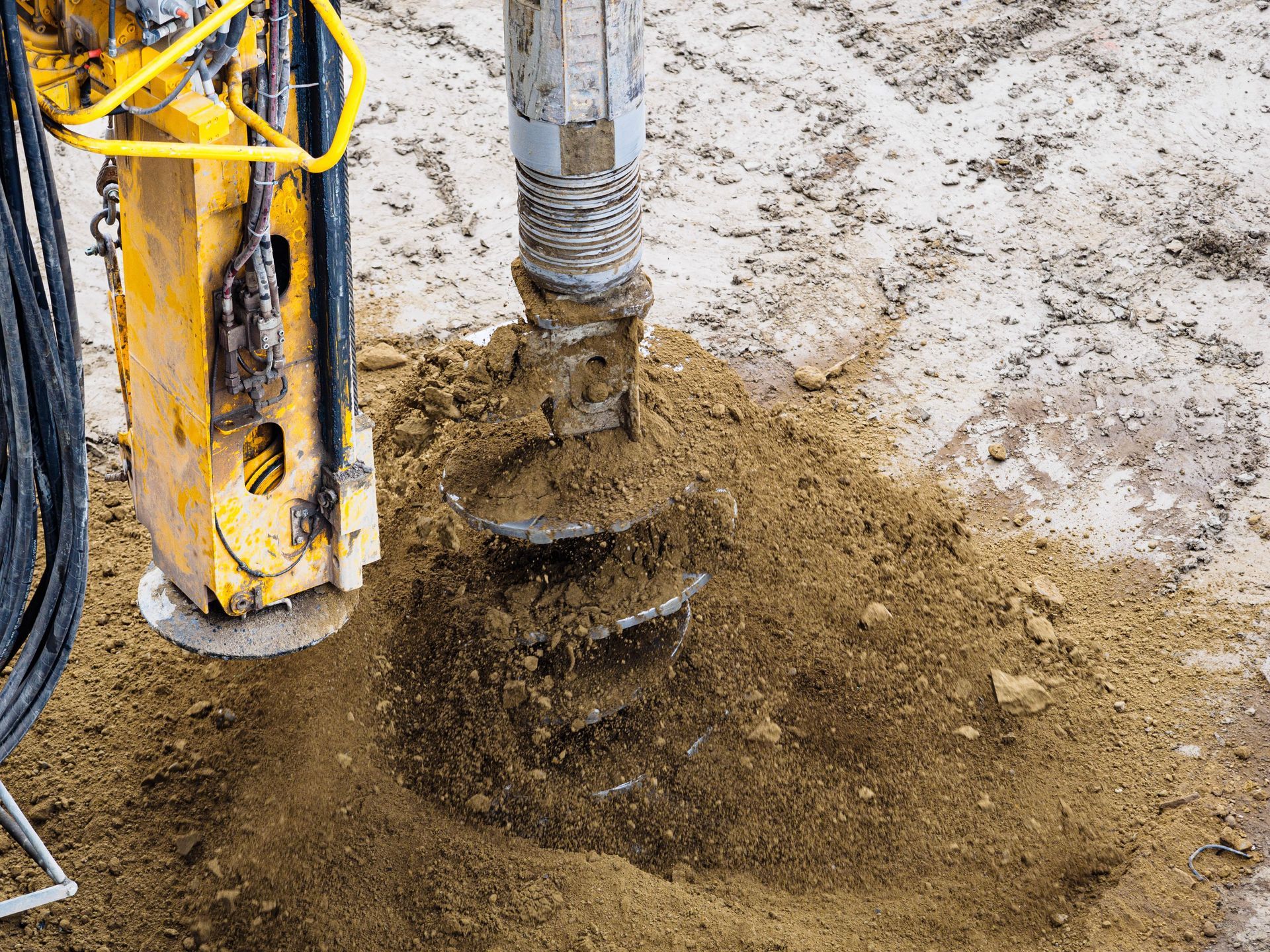
Septic work involves more than digging one hole for a tank. You may need excavation for the tank area, trenching for the line from the house, excavation for the drain field, backfill, compaction, finish grading, and drainage adjustments.


If the septic work is part of a larger build, it may also overlap with home and building sites, utility installation and repair, and driveway or road prep. This is one reason it helps to work with an excavation contractor who understands full-site development, not just septic placement by itself.


Permits, Design, and Inspections


Septic systems must meet local requirements. That can include soil testing, site evaluation, system design, county review, permitting, and inspections. These steps are part of the true cost of installation, even though they are not always visible when people first think about septic pricing.


Hauling and Access


Some jobs require spoils to be hauled off the property, while others need gravel, base, or other material brought in. Remote or rural sites may also require access improvements before equipment can even reach the install area. Those trucking and hauling logistics can meaningfully affect the final price.

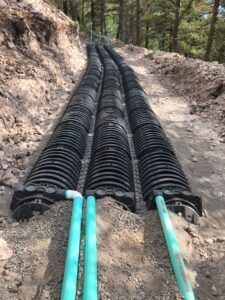
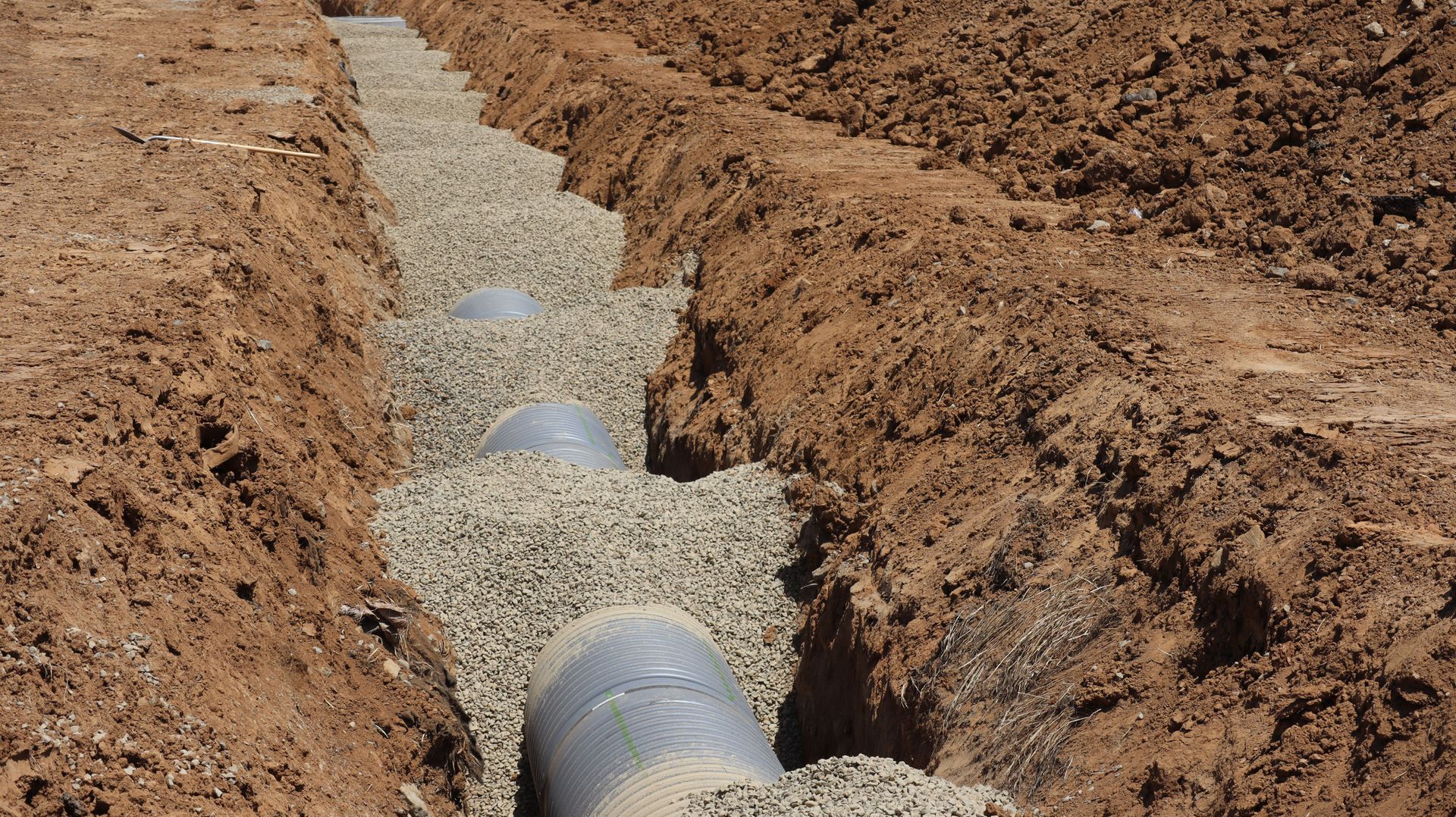
Three rows of black, ridged underground drainage chambers installed in a trench, connected by green PVC piping.

When You Need a Septic System


You usually need septic installation when you are building or improving a property that does not connect to public sewer.


New Home Construction


If you are building a home on rural land, the septic system is often part of the first major phase of site work. It should be planned alongside the homesite, building pad, driveway access, and utilities, not after those decisions are already locked in.


Replacing a Failing System


Older or damaged systems may need replacement. Warning signs can include slow drains, recurring backups, odors, soggy ground, or standing wastewater. If you wait too long, the problem can spread beyond the tank area and affect surrounding site conditions.


Expanding Property Use


If you are adding a guest house, shop, or occupied structure, wastewater capacity may need to be reviewed. The intended use of the property affects system requirements and long-term performance.


Septic Installation Is Also an Excavation Project


One of the biggest misunderstandings around septic work is thinking of it as a separate task from excavation and site development. In practice, septic installation is closely tied to how the whole property is laid out.


Site Preparation and Homesites


Your septic layout should work with the building pad, future grading, and overall property flow. If the homesite is placed without considering septic, you may later find that your best system area conflicts with access, drainage patterns, or utility routes.


This is why coordination with home and building sites work matters early in the process.


Drainage Correction


Drainage is critical. A septic system should not sit in an area that collects runoff or remains oversaturated. If water moves poorly across the property,  drainage and landscape work may be necessary before or during the install. Regrading, swales, ditch work, or contour adjustments may protect the system and improve long-term function.


Utility Installation and Repair


Septic work also has to coordinate with utility trenching. Water, electrical, gas, and sewer line paths all need to make sense together. Careful planning helps avoid conflicts underground and makes future repairs more manageable.


Driveway Prep, Road Prep, and Access


You do not want a driveway or access road placed in a way that compromises the tank or drain field area. At the same time, equipment needs a workable route to install the system. This is especially important on rural land where access is long, soft, steep, or undeveloped.


A contractor like Able Excavation can be valuable here because septic, road prep, hauling, and broader site work often influence each other. On many real projects, solving one issue early prevents a second problem from appearing later.


The Septic Installation Process


Site Evaluation and Planning


The job starts with evaluating the property. This includes soil conditions, drainage, slope, access, likely tank location, drain field area, and relationship to the future structure. Proper planning at this stage helps avoid costly redesigns.


Excavation and Tank Placement


Once layout and approvals are in place, excavation begins for the tank, connecting line, and drain field components. The tank is set at the right elevation and aligned to support correct flow from the structure.


Drain Field Installation


The drain field must be installed carefully because it is essential to how the system treats and disperses wastewater. The trench layout, materials, and grade all matter.


Backfill, Grading, and Finish Work


After installation, the system is backfilled and the area is graded. This stage is important because poor backfill or poor drainage can create future settlement or performance issues.


What to Look for in a Septic and Excavation Contractor


You want more than someone who can operate equipment. You want a contractor who understands site development as a whole.


Look for experience with septic systems, trenching, drainage, grading, hauling, and rural site conditions. You also want clear communication about what is included in the scope, what site factors may affect price, and how the septic system fits into the larger project.


That broader view matters. A septic system may work on paper, but if the contractor does not think through access, water flow, utility conflict, or future use of the property, the site can become less efficient or more difficult to manage.


Final Thoughts


Septic tank installation is one of the most important parts of developing rural property. While septic tank installation cost is a major consideration, the lowest number is not always the best value. What matters most is whether the system is planned and installed in a way that supports your property long term.


If you are building or improving property in Montrose, Ridgway, or Delta, septic work should be approached as part of the full excavation and site development process. That includes site prep, drainage, trenching, hauling, road access, and proper layout from the beginning.


When your septic system is installed correctly, you get more than wastewater service. You get a property that functions better, builds more smoothly, and holds up more reliably over time.

Share this article

Recent Posts

Professional site preparation and excavation services in Western Colorado.
April 24, 2026
Learn what site preparation is in construction and why it is critical for success. Discover the benefits of professional grading and site prep in Western Colorado.
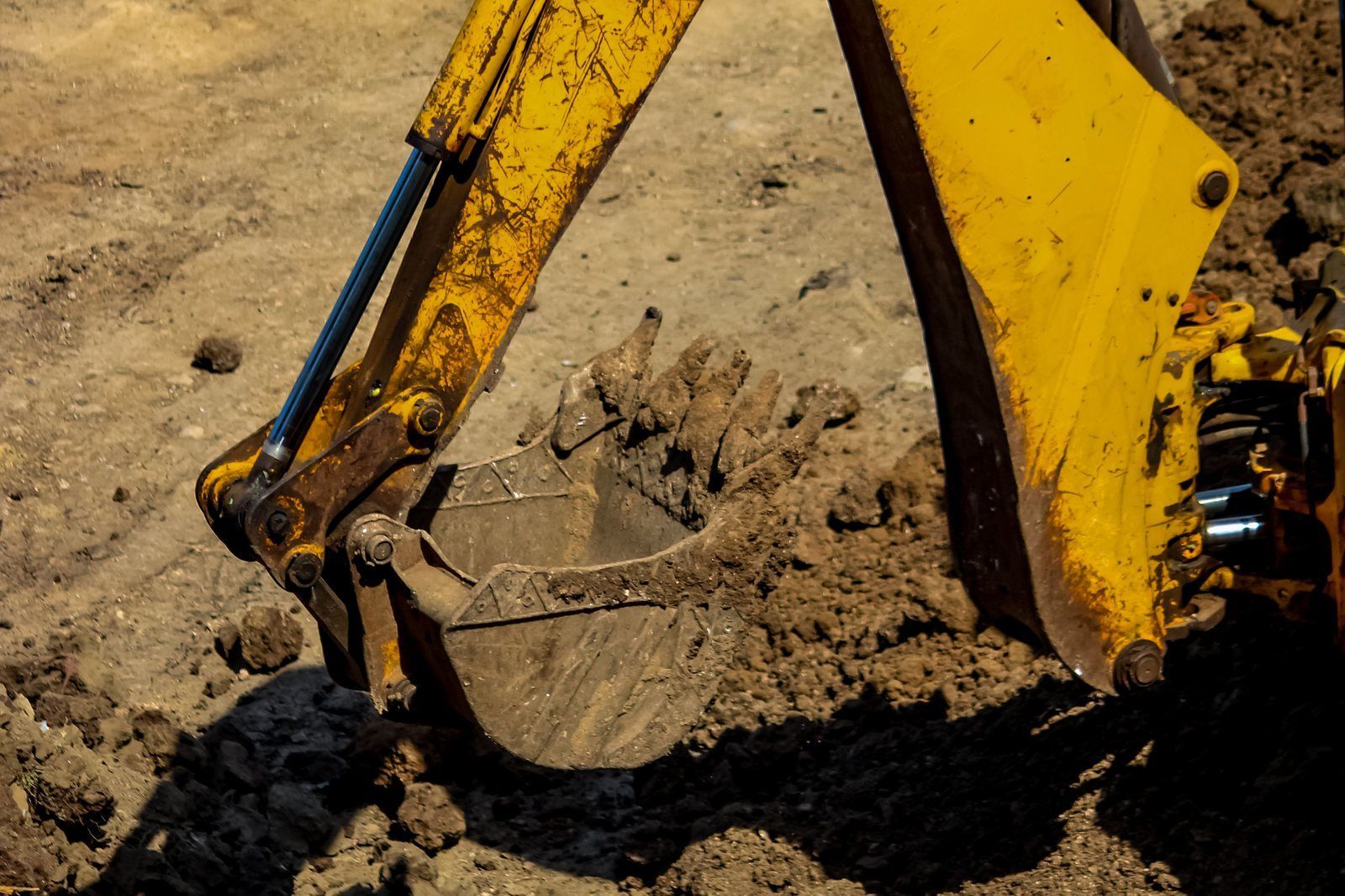
A yellow backhoe excavator digs a trench in a field on a sunny day.
By Admin April 9, 2026
Learn what excavation and lateral support include, why they matter, and when to hire an excavation contractor for site prep, drainage, utilities, septic, and roads.