
Retention Pond Guide for Western Colorado Landowners

May 13, 2026

TL;DR: Key Takeaways on Retention Ponds

  • Definition: A retention pond is a permanent basin designed to manage stormwater and prevent erosion.
  • Function: It slows down runoff and filters pollutants before water enters local systems.
  • Value: It protects property infrastructure and meets environmental regulations in Colorado.
  • Maintenance: Regular inspections and sediment removal are required for longevity.
  • Local Expertise: Partnering with an experienced excavator ensures proper grading and soil stability.

A retention pond is a permanent, man-made basin designed to manage stormwater runoff by holding water indefinitely. It prevents downstream flooding and improves water quality through natural sedimentation. These structures are essential for managing large volumes of water on residential, commercial, and agricultural properties throughout Western Colorado.

What is a retention pond and how does it work?

Understanding the mechanics of a retention pond is the first step for any property owner or developer. Unlike its cousin, the detention basin, which is designed to go dry between rain events, a retention pond maintains a pool of water year-round. It serves as a biological and physical filter for your land. When heavy rains or snowmelt occur, the pond collects the runoff, allowing the water level to rise temporarily.

As the water sits in the basin, gravity pulls suspended solids and pollutants to the bottom. This process, known as sedimentation, ensures that the water eventually leaving the pond via an overflow structure is cleaner than when it entered. For many landowners in the Montrose and Delta areas, this is a critical part of a comprehensive drainage and landscape strategy. The pond acts as a buffer, protecting lower-lying areas from the destructive force of fast-moving water.

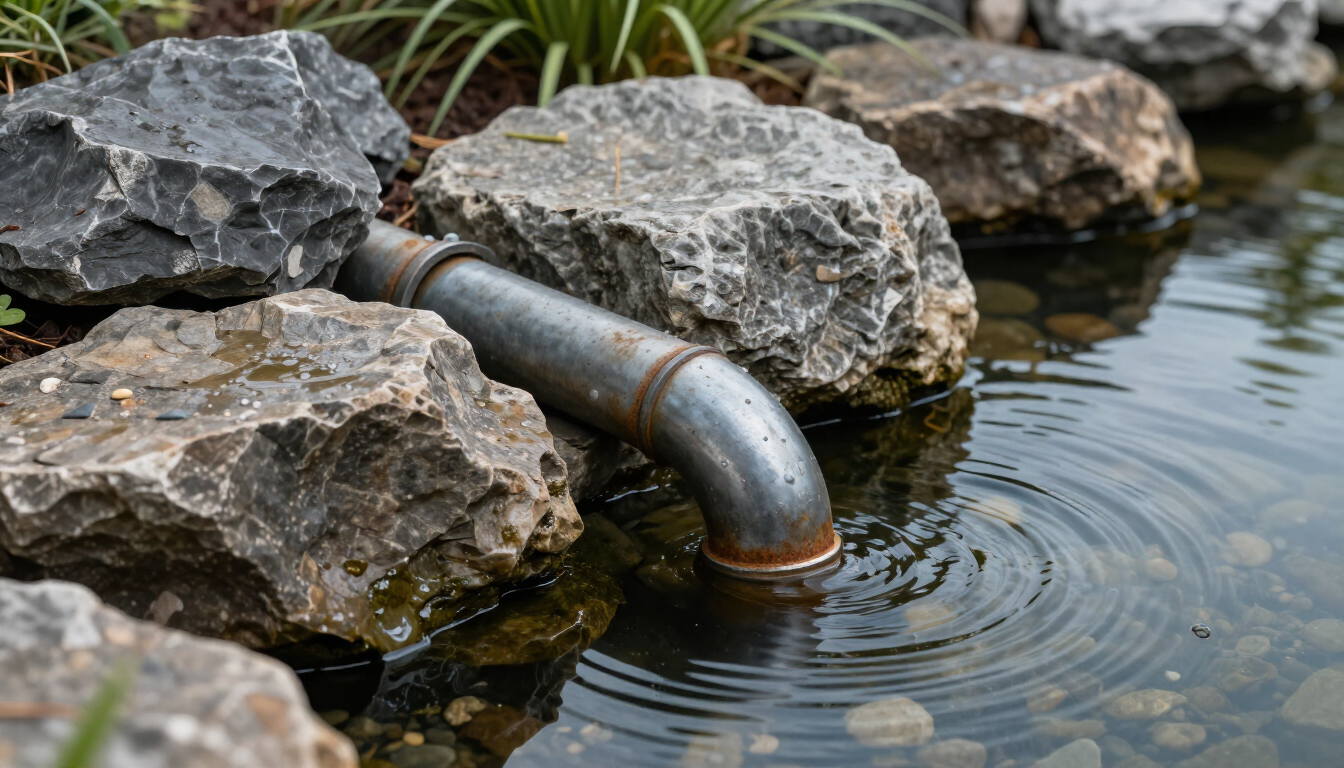
Effective operation depends entirely on the design of the inlet and outlet structures. The inlet brings water from your property into the basin, while the outlet controls the rate at which water is released into the next stage of the drainage system. Properly engineered ponds also account for an emergency spillway, which provides a safe path for water during extreme weather events that exceed the pond's capacity. This prevents the surrounding banks from breaching, which could lead to significant property damage.

Core benefits of professional pond construction

Investing in a professionally built retention pond offers more than just a place for water to gather. It provides a foundational layer of protection for your entire site development project. When you work with a team that understands local geology, you gain a structure that is both functional and durable.

  • Flood Prevention: By capturing peak flows, these ponds reduce the risk of flooding on your property and for your neighbors.
  • Erosion Control: Slowing down water movement prevents the stripping of valuable topsoil and the creation of deep gullies.
  • Water Quality: Natural filtration removes oils, chemicals, and sediment before they reach our local rivers and streams.
  • Aesthetic Value: A well-designed pond can serve as a focal point for a landscape, potentially increasing property value.
  • Regulatory Compliance: Many commercial and subdivision projects require managed stormwater solutions to meet state and local codes.

Able Excavation has seen how a properly graded pond can transform a problematic, swampy area into a managed asset. Whether you are working on commercial excavation or preparing a residential site, the benefits of a controlled water system cannot be overstated. It is about creating a predictable environment where water works for you rather than against you.

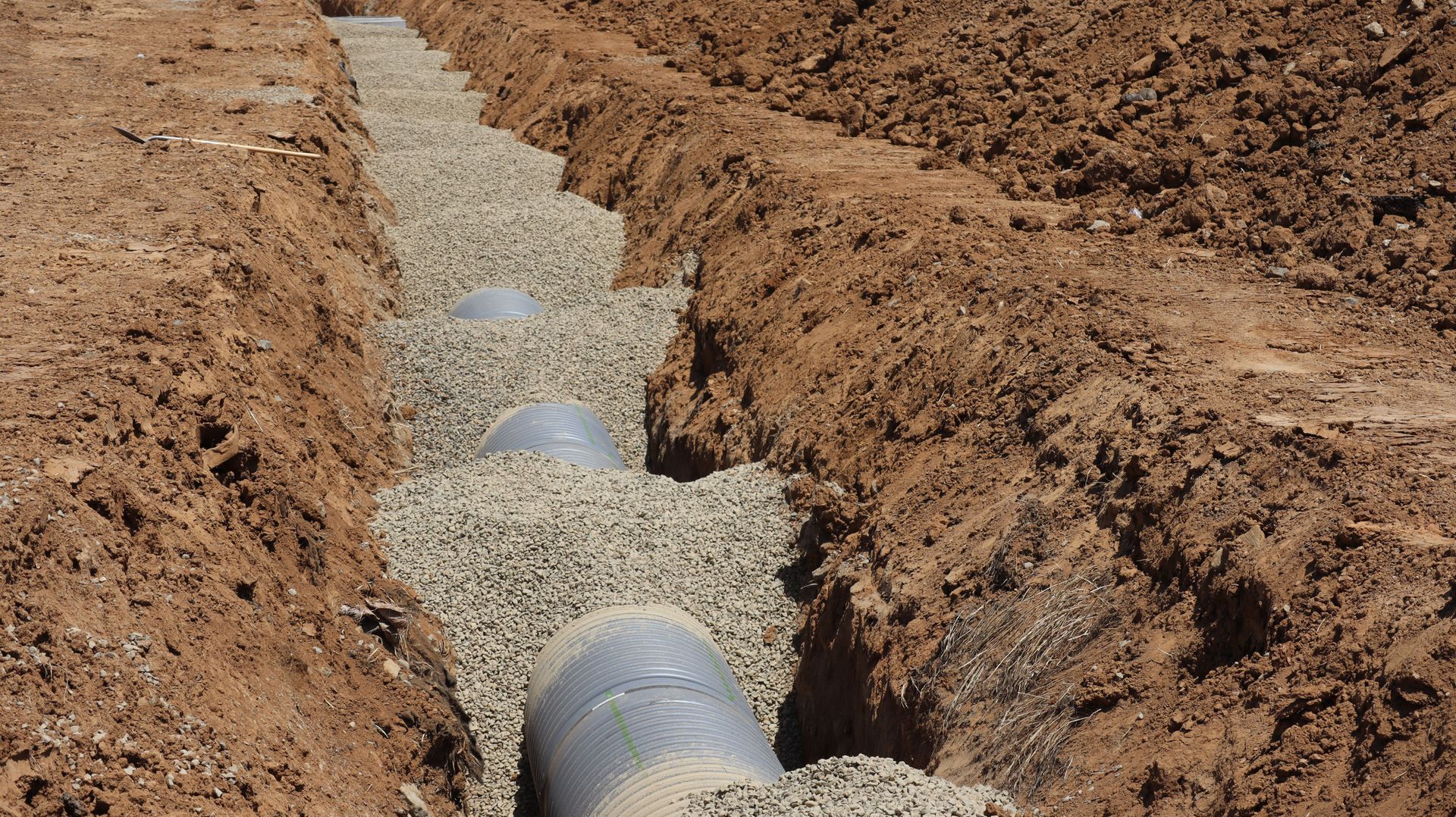
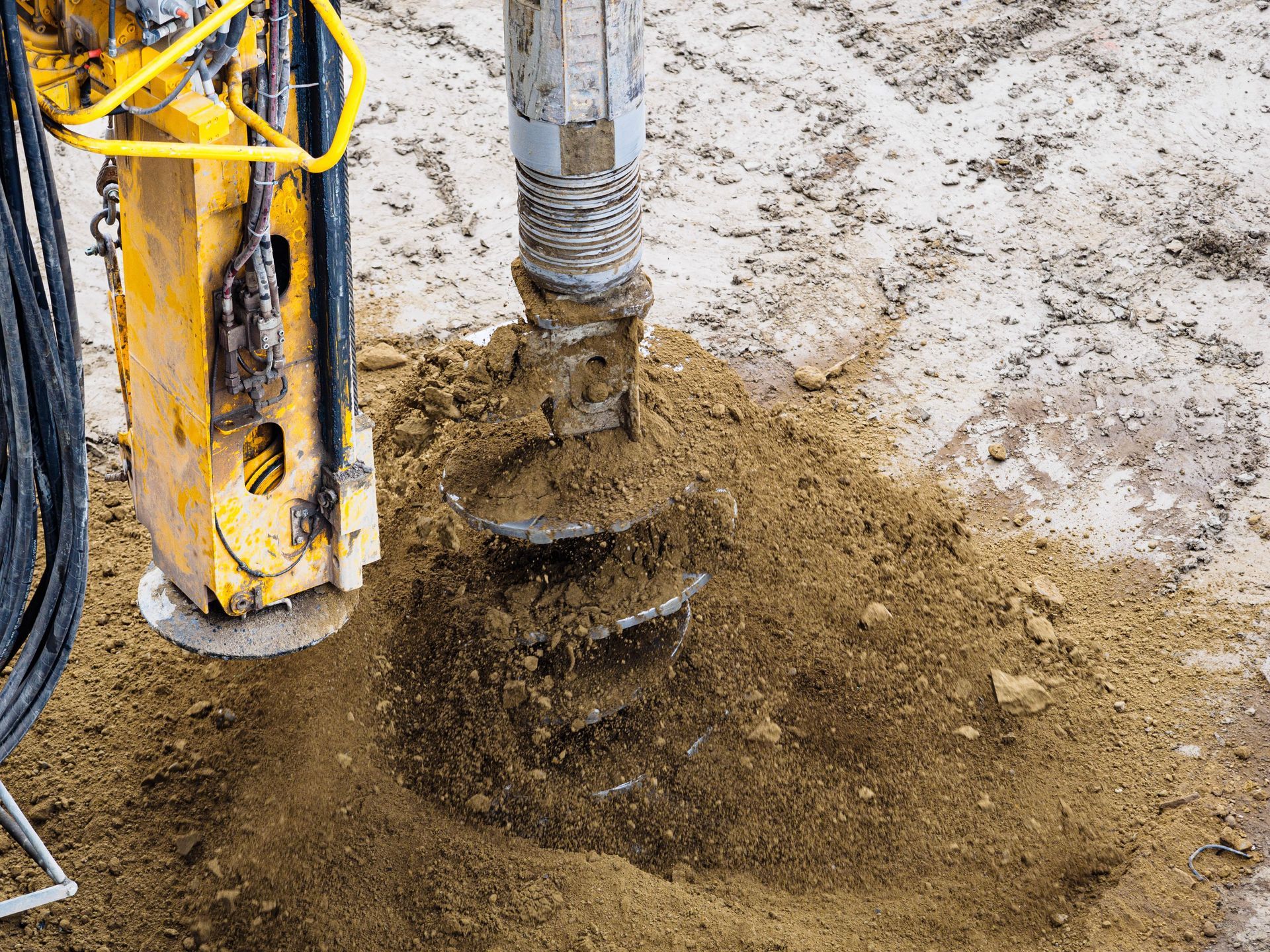
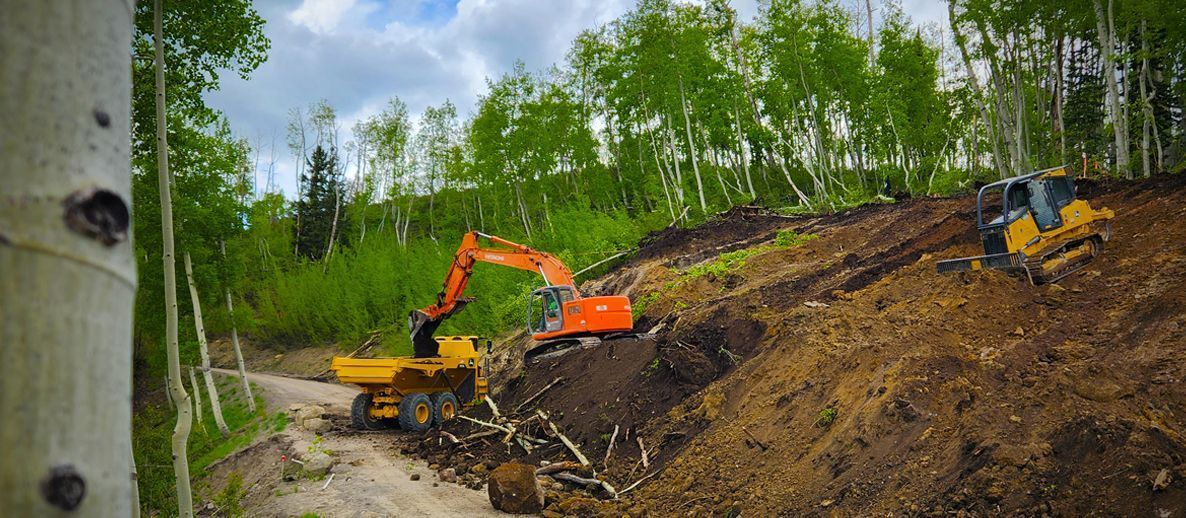
Retention pond excavation site

Why are retention ponds vital in Western Colorado?

In Western Colorado, we deal with a unique set of environmental challenges. Our high desert climate often brings intense, short-duration storms that can drop a significant amount of moisture in a very short window. This leads to rapid runoff across our often-hardened or clay-rich soils. Without a retention pond, this water has nowhere to go but down, picking up speed and debris along the way.

Furthermore, regions like Ridgway and Ouray experience significant snowmelt in the spring. As the snowpack recedes, a steady flow of water moves across the landscape. A retention pond helps capture this seasonal surge, allowing it to move through the environment at a pace the land can handle. This is particularly important for agricultural clients who need to manage agricultural irrigation and runoff simultaneously.

Our local soil types, including the notorious Mancos shale, require specific handling. If water is allowed to sit or move unchecked in certain areas, it can lead to soil stability issues. A professionally excavated pond uses liners or specific compaction techniques to ensure that water stays where it belongs. This level of local knowledge is something our family has passed down through four generations of working with this specific land.

Key design considerations for your property

Designing a retention pond is not as simple as digging a hole in the ground. It requires a careful analysis of the watershed, soil composition, and the intended use of the land. You must consider the total acreage contributing to the runoff and the peak rainfall intensity for the Montrose area. This data determines the required volume of the pond.

Another major factor is the side slope of the basin. Slopes that are too steep can become unstable and prone to sliding, especially when the soil becomes saturated. Generally, a 3:1 or 4:1 slope is recommended to allow for safe maintenance and to prevent bank failure. Additionally, the depth of the pond must be sufficient to maintain a permanent pool even during our dry summer months, preventing the pond from becoming a stagnant breeding ground for insects.

Vegetation plays a dual role in pond design. While it adds to the visual appeal, it also serves to stabilize the banks and provide additional filtration. Choosing native plants that can survive both wet and dry cycles is essential for a low-impact, sustainable solution. Proper home and building site preparation often involves planning these drainage features early in the process to ensure they integrate seamlessly with the rest of the infrastructure.

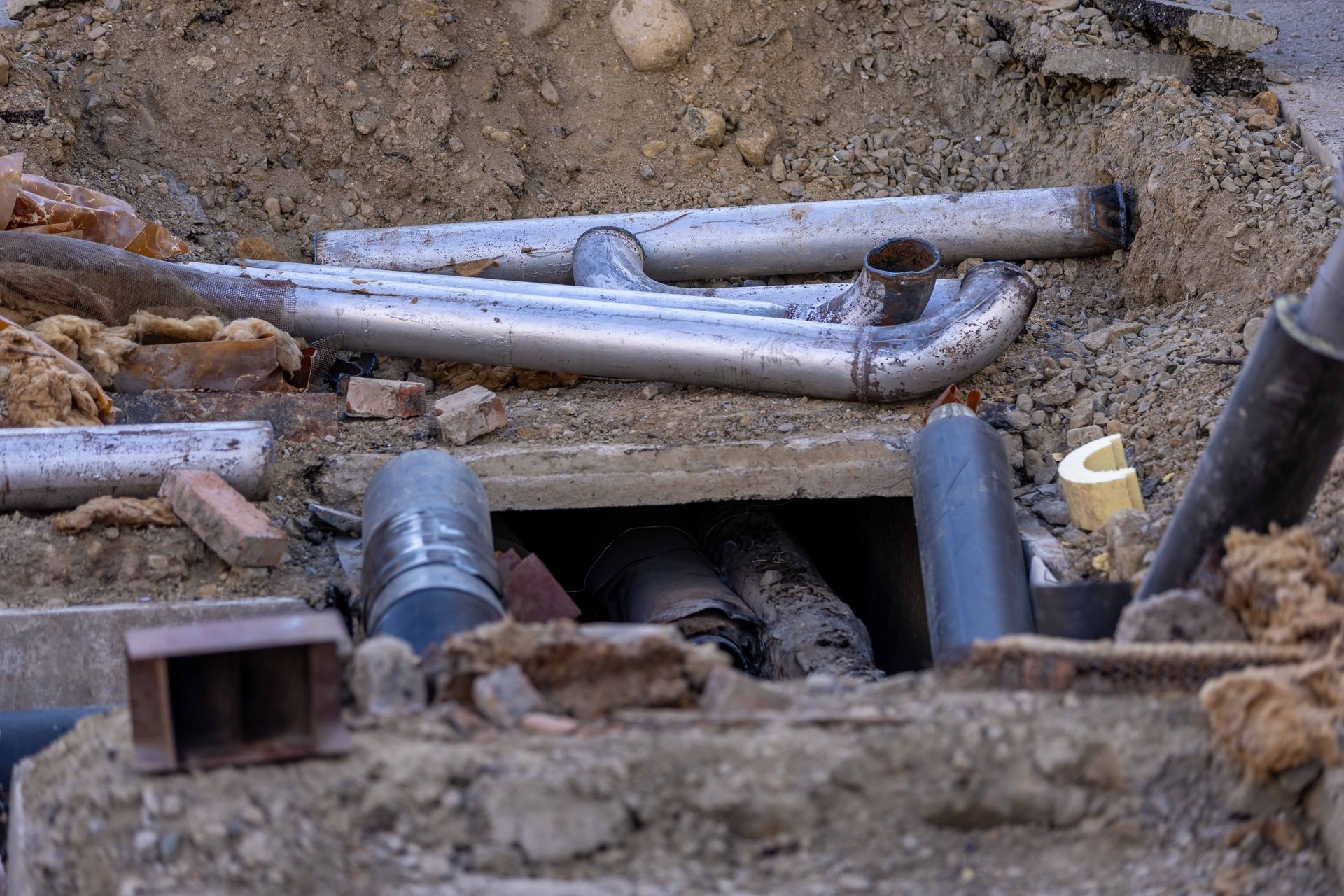
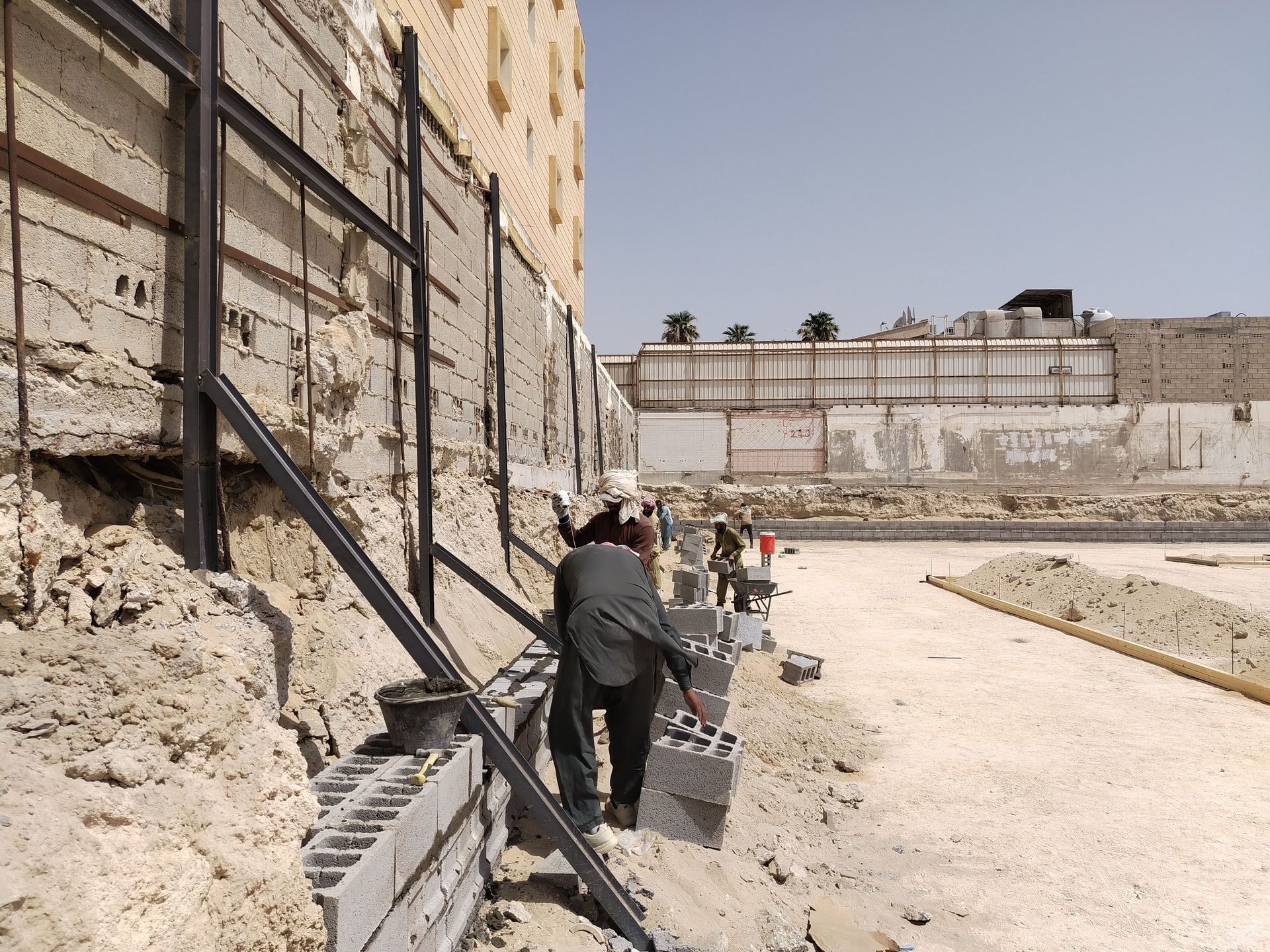
Pond drainage infrastructure detail

How much does a retention pond cost to build?

The cost of constructing a retention pond varies widely based on several site-specific factors. It is difficult to provide a single number without an on-site evaluation, but understanding the cost drivers can help you budget effectively for your project. The most significant expense is usually the excavation itself, which includes the removal and trucking and hauling of large volumes of dirt.

  • Volume of Earthwork: The larger the pond, the more time and machinery are required to move the soil.
  • Soil Conditions: Hard rock or highly unstable soils may require specialized equipment or additional stabilization materials.
  • Liner Requirements: If your soil does not naturally hold water, you may need a synthetic liner or a bentonite clay treatment.
  • Infrastructure: The cost of concrete inlet and outlet structures, pipes, and emergency spillways adds to the total.
  • Permitting and Engineering: Professional designs and local permits are necessary for most commercial and subdivision projects.

While the initial investment might seem significant, the cost of not having a pond can be much higher. Repairing a washed-out driveway, fixing a flooded basement, or paying fines for non-compliance with stormwater regulations can far exceed the price of a well-built retention system. We always recommend getting a detailed quote that covers everything from site prep to final grading.

Long term maintenance for pond performance

Once your retention pond is built, your responsibility as a landowner continues with regular maintenance. A neglected pond will eventually lose its effectiveness as it fills with sediment and debris. We recommend a seasonal inspection schedule, particularly after major storm events and during the spring thaw. This ensures that your investment continues to protect your property for decades.

One of the most common maintenance tasks is clearing the inlet and outlet structures. Trash, branches, and overgrown vegetation can block these openings, leading to unintended flooding. You should also monitor the banks for signs of erosion or animal activity. Muskrats and other burrowing animals can weaken the structural integrity of the pond walls if left unchecked.

Over several years, sediment will naturally build up on the bottom of the pond. Periodically, this material will need to be removed to maintain the pond's original capacity. This often requires professional equipment to reach into the basin without damaging the slopes. Keeping a clean jobsite and managing the surrounding land can significantly reduce the amount of sediment that enters the pond in the first place.

What should you look for in an excavation contractor?

Choosing the right partner for your excavation project is the most important decision you will make. You need a team that doesn't just move dirt but understands the engineering and environmental requirements of Western Colorado. A local, family-owned company often brings a level of care and accountability that larger, out-of-town firms may lack.

  • Regional Experience: Look for a contractor who has worked extensively in Montrose, Delta, and Ridgway.
  • Full Service Capabilities: A team that can handle everything from site prep to utility installation provides a more cohesive result.
  • Proper Licensing and Insurance: Ensure your contractor is fully insured and bondable to protect your investment.
  • Integrity and Workmanship: Ask for references or look at past projects to gauge the quality of their work.
  • Modern Equipment: Efficient projects require well-maintained machinery and the latest technology.

At Able Excavation, we pride ourselves on maintaining a low impact on the land whenever possible while still meeting all engineering standards. We understand that our work reflects on our family name, which is why we emphasize clean jobsites and strong communication. We have been part of this community for generations, and we treat every project as if it were on our own land.

Summary of Retention Pond Essentials

A retention pond is a powerful tool for any landowner in Western Colorado who needs to manage water effectively. By capturing runoff, filtering pollutants, and preventing erosion, these structures provide long term value and safety. Whether you are developing a new subdivision or improving your family ranch, the principles of professional pond construction remain the same. Focus on proper design, choose a qualified excavation partner, and commit to regular maintenance.

  • Plan Early: Incorporate drainage solutions into your initial site development phase.
  • Prioritize Quality: Invest in professional grading and high-quality infrastructure to avoid future repairs.
  • Stay Compliant: Work with experts who understand local regulations and permitting requirements.
  • Protect the Land: Use retention ponds to preserve the integrity of your soil and the health of local waterways.

If you are ready to discuss your next project, reach out to a team that knows the terrain. Effective water management is a combination of science, heavy machinery, and a deep respect for the land we call home.

Share this article

Recent Posts

Archaeological excavation site with trenches and exposed earth under a cloudy sky.
By Admin May 18, 2026
Professional land clearing contractors in Western Colorado offering site prep, drainage, septic prep, utility trenching, hauling, road prep, and excavation services.
Professional underground utility installation in Western Colorado terrain.
May 13, 2026
Learn everything about underground utilities construction in Western Colorado. This guide covers trenching, site development, and local excavation tips for 2026.
Excavated earthen trenches and rectangular pits at an archaeological dig site in a barren landscape
May 7, 2026
Discover what makes excavation in Montrose CO unique. Learn about Mancos Shale challenges, site preparation, and professional septic installation in Western Colorado.
Heavy machinery clearing land in Western Colorado.
May 4, 2026
Learn what land clearing contractors do and how they help property owners in Western Colorado prepare land for construction, farming, and fire safety.
A residential water meter box located in a yard near the street.
April 27, 2026
Learn how to find your main water shutoff valve quickly to prevent damage. Our guide covers residential and commercial properties in Western Colorado.
Professional excavation for water main repair in Western Colorado.
April 27, 2026
Dealing with a water main break? Learn the immediate steps to take, who to call in Western Colorado, and how to prevent future pipe damage on your property.
Professional site preparation and excavation services in Western Colorado.
April 24, 2026
Learn what site preparation is in construction and why it is critical for success. Discover the benefits of professional grading and site prep in Western Colorado.
Three people stand around a partially excavated dirt site while inspecting a buried wastewater tank and pipes.
By Admin April 13, 2026
Learn what affects septic tank installation cost, how septic systems work, and why site prep, drainage, utilities, and excavation all matter for long-term performance.
A yellow backhoe excavator digs a trench in a field on a sunny day.
By Admin April 9, 2026
Learn what excavation and lateral support include, why they matter, and when to hire an excavation contractor for site prep, drainage, utilities, septic, and roads.