
Water Main Break: What to Do and Who to Call Now
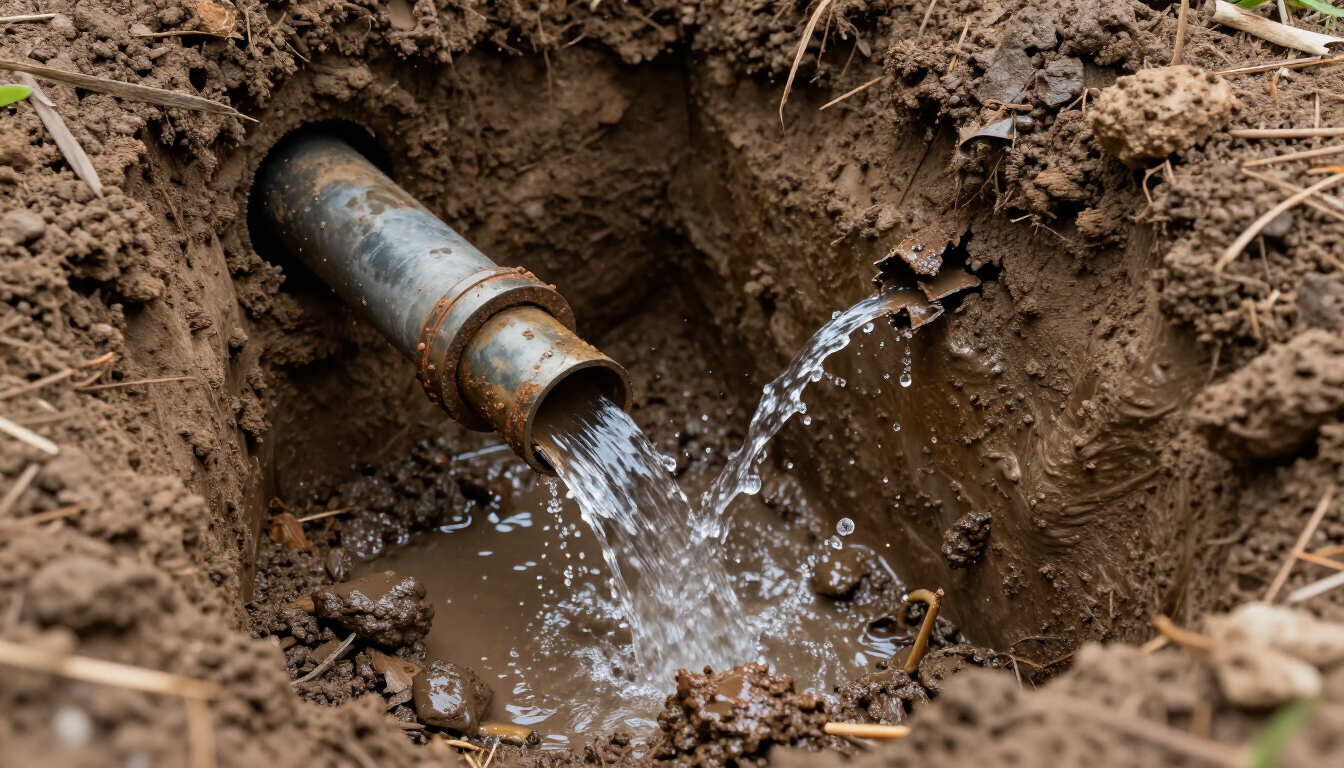
A water main break is a significant rupture in the primary pipe supplying water to your property. If you notice flooding, sudden pressure loss, or soggy ground, immediately shut off your main water valve and contact your local utility or a licensed excavation professional to assess the damage and begin repairs.
TL;DR: Quick Action Guide
- Identify the leak : Look for standing water, low pressure, or unusually high bills.
- Shut it off : Locate and turn off your main water shut-off valve to prevent flooding.
- Determine responsibility : Call the city if the leak is in the street; call a contractor if it is on your property.
- Call the experts : Contact Able Excavation for private line repairs and trenching in Western Colorado.
- Prevent future issues : Always call 811 before digging and maintain proper frost line depth for all pipes.
What are the signs of a water main break?
Recognizing a water main break early can save you thousands of dollars in property damage and water waste. Because most water lines are buried several feet underground, the signs are not always a geyser of water in the middle of the street. In many cases, the indicators are subtle and require a keen eye.
One of the most common signs is a sudden and unexplained drop in water pressure. If your morning shower feels more like a light drizzle or your appliances take twice as long to fill, you may have a breach in the main line. When a pipe ruptures, the water escapes into the surrounding soil rather than reaching your fixtures, leading to that noticeable loss of flow.
Visual cues on your landscape are equally important. If you notice a specific patch of grass that is remarkably greener or faster growing than the rest of the yard, it might be feeding off a underground leak. In more severe cases, you will see actual standing water or a sinkhole forming. In Western Colorado, where our soils can vary from heavy clay to sandy loam, water can travel in unexpected ways before surfacing.
Other signs include:
- Discolored or "rusty" water coming from your cold water taps.
- The sound of running or hissing water when all faucets are off.
- A sudden spike in your monthly water bill despite normal usage.
- Pavement or driveway cracking and heaving due to subsurface saturation.
Immediate steps you should take
When you suspect a water main break, your first priority is to mitigate damage to your home and landscape. The very first step is to locate your main shut-off valve. For most residential properties, this is located in the basement, a crawlspace, or near the water meter. Turning this valve clockwise will stop the flow of water into your home's internal plumbing, though it may not stop the leak if the break is located before the valve.
Once the water is off inside, go outside and check the area around your water meter. If the meter dial is spinning rapidly while your main valve is shut, the leak is definitely on your service line between the meter and the house. This is a critical distinction because it determines who you need to call next.
Avoid the temptation to start digging yourself. If the leak is near other utility lines, such as gas or electric, you could inadvertently create a much more dangerous situation. Keep children and pets away from any sinkholes or saturated areas, as the ground can become unstable very quickly. If you see water bubbling up near a power pole or electrical transformer, do not approach the area and call the utility company immediately.
Who is responsible for the repair?
One of the most confusing aspects of a water main break is determining who pays for the fix. The responsibility generally depends on the physical location of the break in relation to the water meter and the property line.
In most Western Colorado municipalities, the local water department or utility district is responsible for the "main" lines that run under the street and the service connection up to the water meter. If the break is occurring in the street or at the meter box itself, you should call your city or county water department immediately. They have emergency crews on standby to handle these public infrastructure issues.
However, if the leak occurs on the section of pipe that runs from the meter to your home or business, it is considered a private service line. In this scenario, the property owner is responsible for the cost of excavation, repair, and restoration. This is where a professional excavation contractor like Able Excavation comes in. We specialize in the precision digging required to expose the damaged pipe without causing further harm to your property.
Why do water mains break in Western Colorado?
Western Colorado presents unique challenges for underground utilities. Our geography and climate play a massive role in the lifespan of water lines. One of the primary culprits is the "shrink-swell" nature of our soils. Areas around Montrose, Olathe, and Delta often have high clay content. When this clay gets wet, it expands; when it dries out, it contracts. This constant movement puts immense stress on rigid pipes, eventually leading to cracks or full shears.
Temperature fluctuations are another major factor. In places like Ridgway and Ouray, the frost line can reach significant depths during a cold winter. If a water line was not originally installed deep enough (at least 48 to 60 inches in many local jurisdictions), the water inside can freeze. As water freezes, it expands, exerting thousands of pounds of pressure against the pipe walls. Even if the pipe doesn't burst immediately, the repeated stress of freezing and thawing will weaken the material over time.
Finally, the age of the infrastructure cannot be ignored. Many older ranches and homes in our area still rely on outdated materials like galvanized steel or older thin-walled PVC. These materials eventually succumb to corrosion or brittleness. At Able Excavation, we often recommend replacing these old lines with modern HDPE (High-Density Polyethylene) pipe, which is flexible, corrosion-resistant, and better suited for our shifting soils.
How Able Excavation handles water line repairs
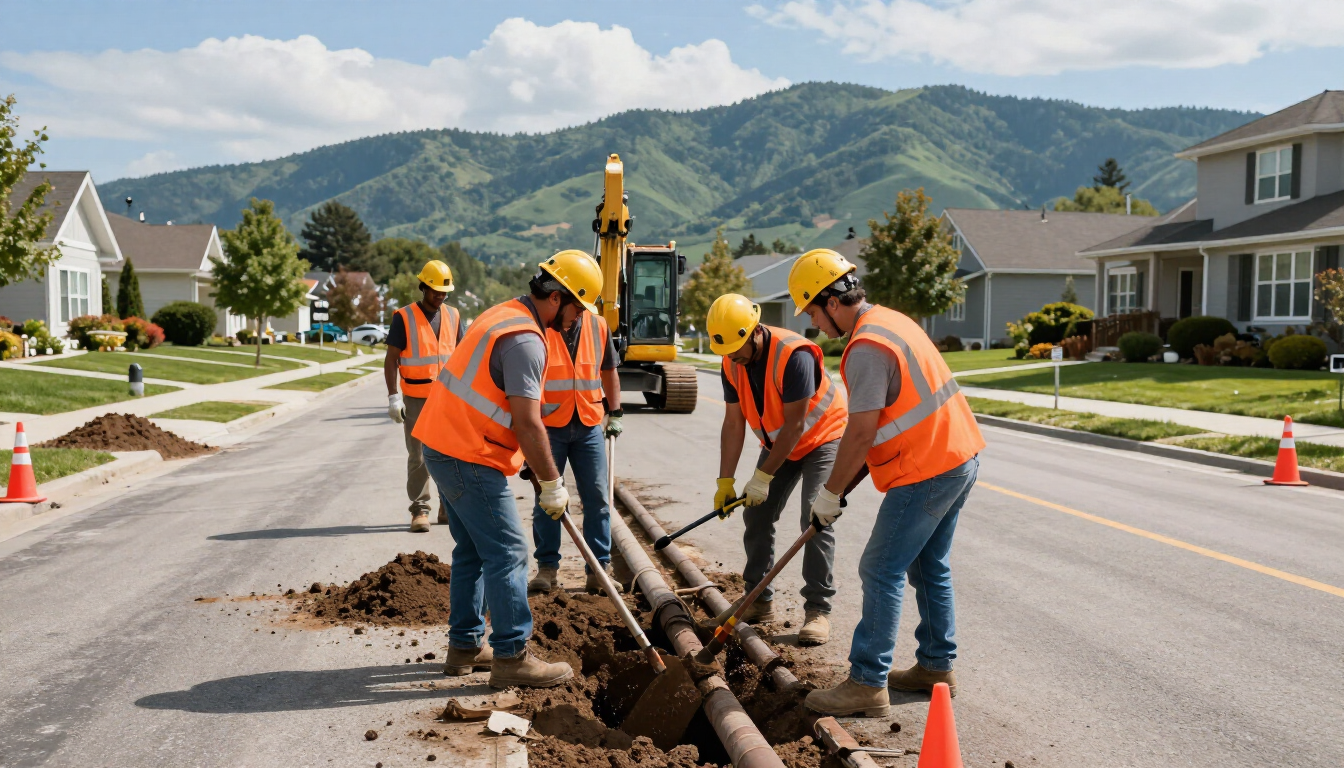
When we receive a call for a suspected water main break, we treat it with the urgency it deserves. Our process begins with a thorough site assessment. We don't just start digging; we use our 20 years of experience to identify the most likely point of failure to minimize the impact on your yard or driveway. We emphasize a "low impact" philosophy, meaning we strive to keep the jobsite clean and the excavation footprint as small as possible.
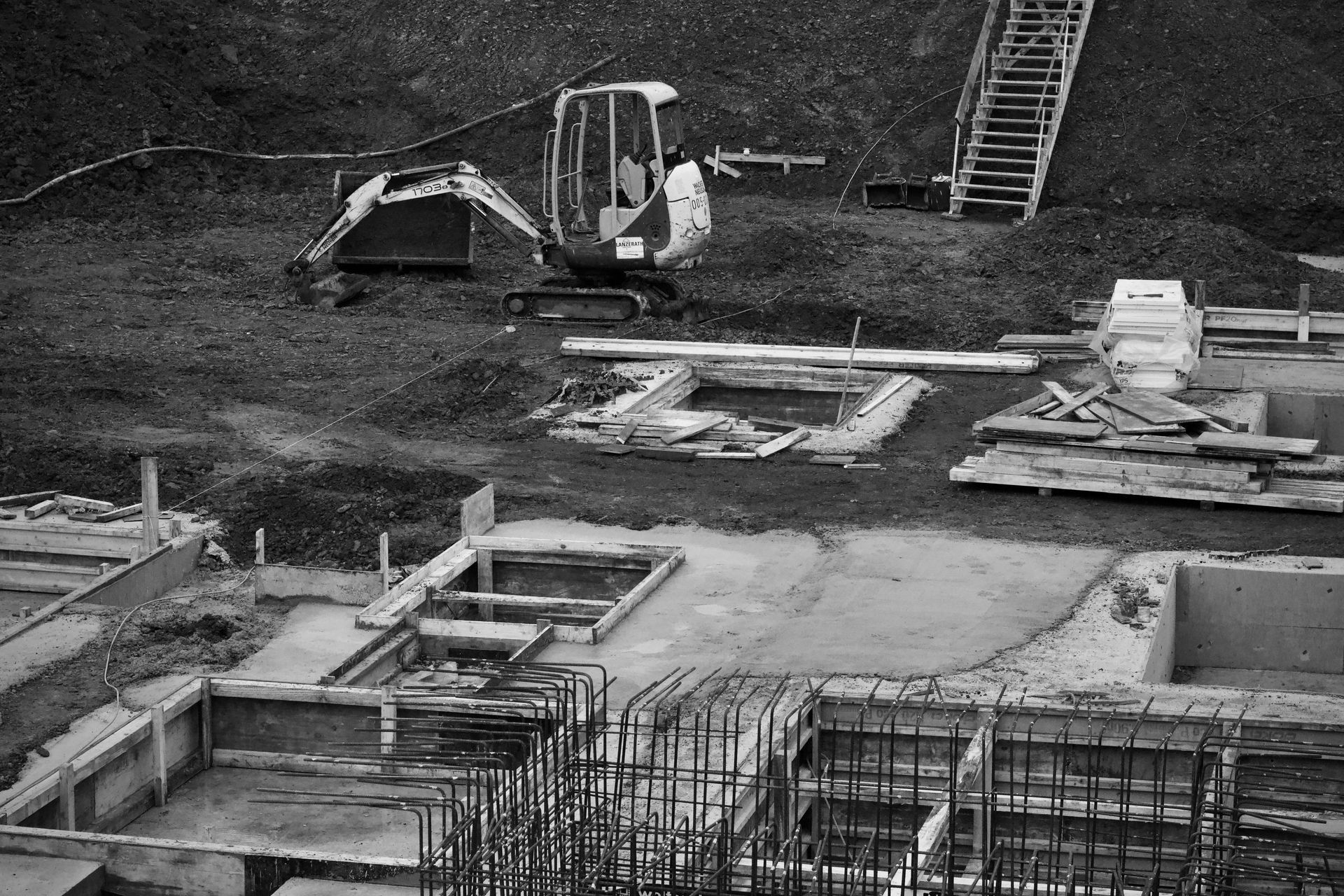
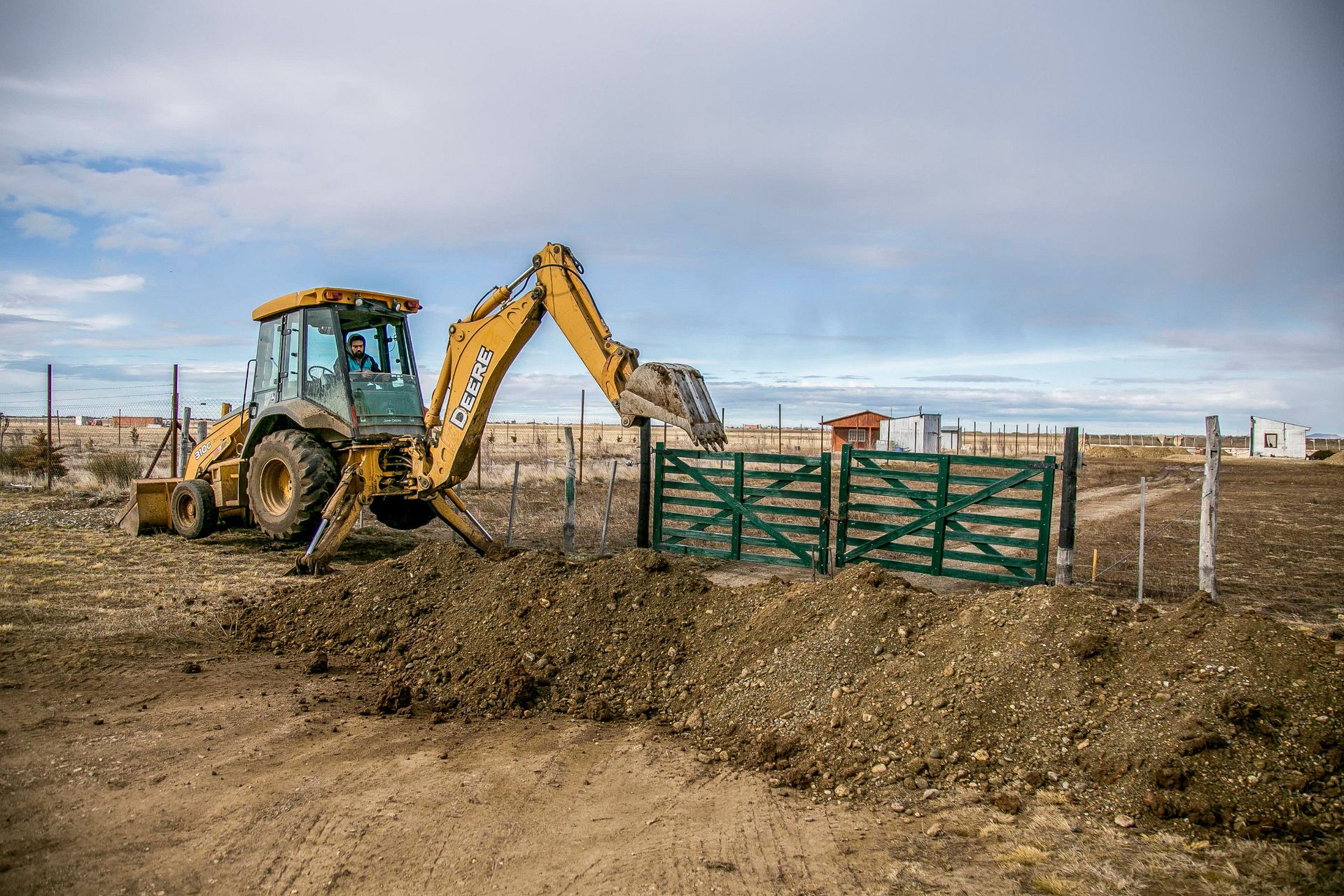
Our team is equipped with a range of machinery, from compact excavators for tight residential spaces to larger equipment for commercial utility installation and repair . Once the leak is exposed, we clear away the mud and debris to give the plumbers or our own specialists a clean area to work. We are also experts in HDPE pipe fusing, which creates a seamless, leak-proof bond that is significantly stronger than traditional mechanical fittings.
We once handled a project for a local ranch where a water main break had turned a large portion of their pasture into a swamp. By utilizing our specialized drainage knowledge, we were able to not only repair the line but also implement drainage solutions to ensure the area would dry out properly and remain stable for their livestock. This comprehensive approach is what sets a multi-generational family business apart from a basic digging service.
Common methods for repairing broken lines
Depending on the severity of the break and the type of pipe, there are several ways to address the issue. The most traditional method is "open-cut" excavation. This involves digging a trench to expose the entire section of damaged pipe. While it sounds invasive, it is often the most reliable way to ensure the ground is properly compacted and the new pipe is bedded in sand or gravel to prevent future shifts.
In some cases, "trenchless" technology might be an option, such as pipe bursting or slip-lining. However, in the rocky or heavy clay soils of Western Colorado, open-cut excavation is often preferred because it allows us to remove large rocks or debris that might have caused the break in the first place. This is especially important for home and building site preparation , where the integrity of the underground utilities is paramount for the long-term stability of the structure.
Common repair materials include:
- HDPE Pipe : Extremely durable and flexible for Western Colorado soils.
- PVC Schedule 40 or 80 : Standard for many residential applications.
- Repair Clamps : Used for small pinhole leaks in metal pipes (temporary fix).
- Couplings : Used to join new sections of pipe to the existing line.
Strategies to prevent future water main breaks
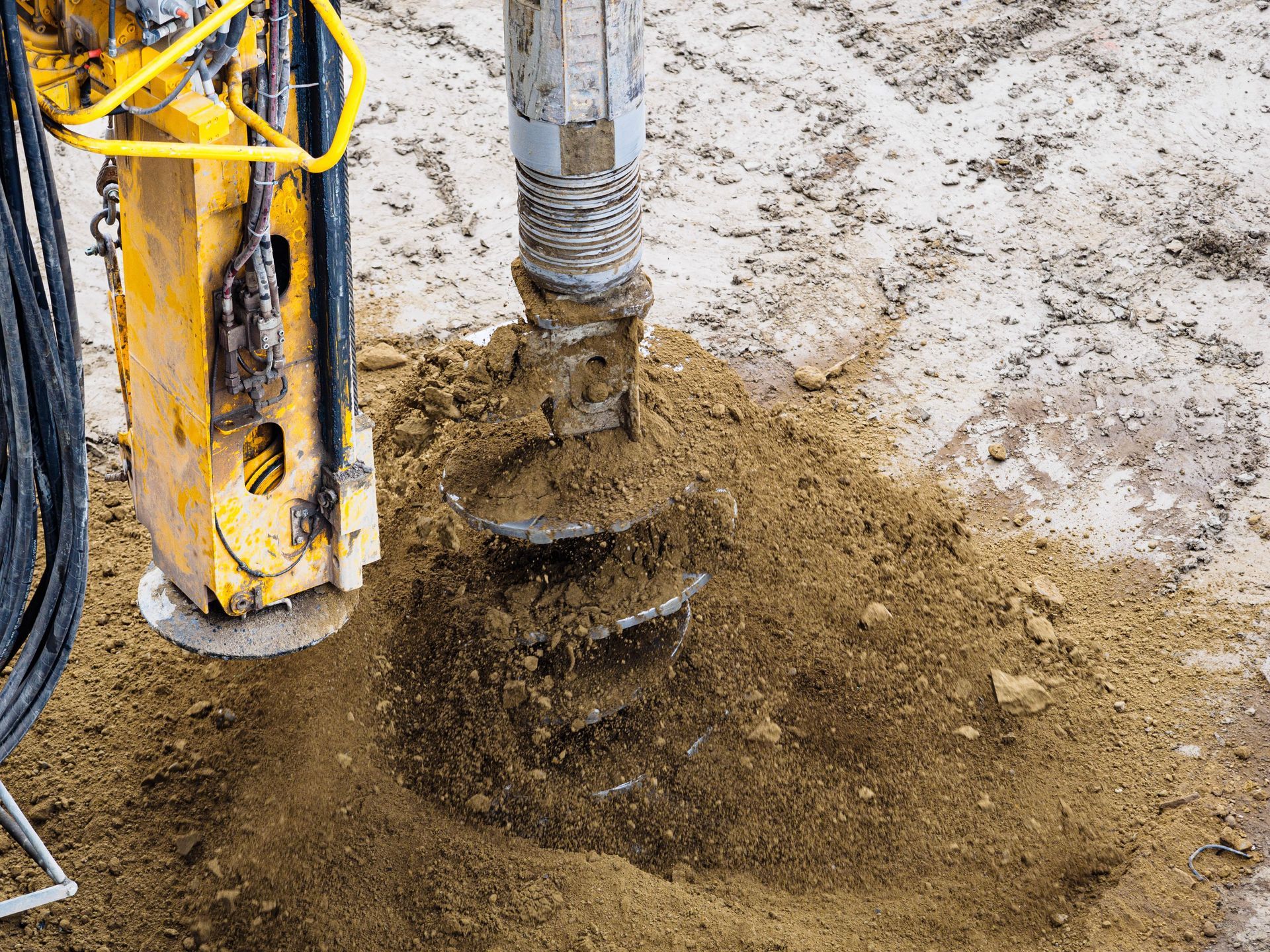
Prevention is always more cost-effective than an emergency repair. The single most important thing you can do to prevent a water main break is to Call 811 before any digging project, no matter how small. Striking a water line with a shovel or a fence post auger is one of the leading causes of avoidable leaks. Even a small nick in a pipe can become a major rupture months later due to the pressure.
Another key prevention strategy is ensuring proper installation depth. If you are planning a new build or a subdivision project , make sure your contractor is adhering to local engineering standards for frost depth. At Able Excavation, we take pride in meeting or exceeding these standards because we know exactly how deep the frost can bite in our region.
Regular inspections can also help. If you have an older property, consider a sewer camera service to check the condition of your lines. While often used for sewer, some specialized cameras can help identify the general state of your utility corridors. Furthermore, managing the drainage on your property can prevent the soil saturation that leads to pipe-stressing shifts. Keeping water moving away from your utility lines via proper grading and rock work is a wise investment.
Summary of Water Main Best Practices
Dealing with a water main break is stressful, but understanding the process helps you regain control. By identifying the signs early, knowing where your shut-off valve is, and understanding the boundary between public and private responsibility, you can act quickly to minimize damage.
For those in Montrose, Ridgway, Delta, and the surrounding areas, having a local partner like Able Excavation ensures that your repair is handled with integrity and respect for the land. We bring four generations of experience to every trench we dig, ensuring your water service is restored safely and durably. If you suspect a leak or are planning a project that requires expert trucking and hauling or utility work, reach out to a professional who understands the specific demands of Western Colorado terrain.
Final Takeaways:
- Always locate your shut-off valve before an emergency happens.
- Verify if the leak is the city's responsibility or yours before hiring a contractor.
- Prioritize HDPE piping for its superior performance in shifting Colorado clay.
- Never skip the 811 call for any property improvement project.
- Work with a licensed, insured excavation team to ensure long-term repair quality.
Share this article