
Excavation in Montrose CO: Why Local Geology Matters

May 7, 2026

TL;DR: Essential Facts About Excavation in Montrose CO

  • Soil Composition: Western Colorado is home to Mancos Shale, which requires specific handling to prevent foundation shifting.
  • Elevation and Climate: Frost lines and high-desert drainage patterns dictate how deep utilities and foundations must be set.
  • Regulatory Standards: Montrose and surrounding counties have strict engineering and inspection requirements for septic and site prep.
  • Equipment Needs: The rocky, often hard-packed terrain demands heavy-duty machinery and experienced operators.
  • Professional Expertise: Local knowledge of the land is the most critical factor in avoiding long-term property damage.

Excavation in Montrose CO is unique due to complex soil conditions like Mancos Shale and high desert topography. Local excavation requires specialized knowledge of drainage, frost lines, and soil stability to ensure long-term structural integrity for residential, commercial, and agricultural projects across Western Colorado’s diverse landscape.

Why is excavation in Montrose CO different from other regions?

When you start a project in Western Colorado, you are not just moving dirt. You are contending with a geological history that is significantly different from the Midwest or the East Coast. In Montrose and the Uncompahgre Valley, the ground beneath your feet is often composed of Mancos Shale. This gray, clay-like rock is notorious among builders because it expands when wet and contracts when dry. If a contractor treats this soil like standard topsoil, your future foundation or driveway could crack within just a few seasons.

Understanding the local terrain means knowing how to balance the need for structural stability with the desire to maintain the natural beauty of the land. At Able Excavation, we have spent decades learning these patterns. With four generations of experience, we have seen how the local environment responds to heavy machinery. Whether you are working on a small residential lot or a sprawling ranch, the approach must be tailored to the specific elevation and moisture levels of your property.

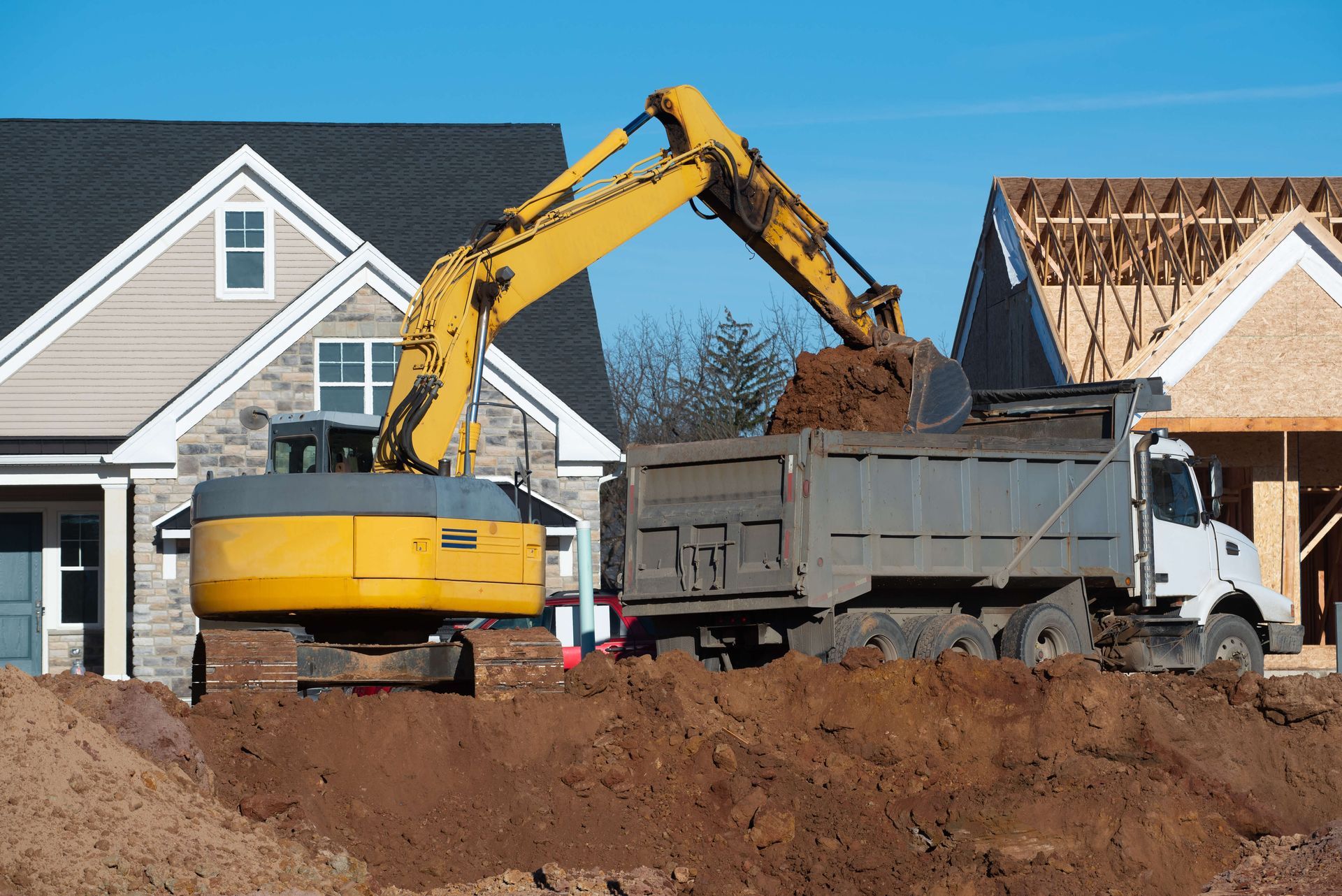
Excavator loading dirt into a dump truck at a residential construction site

What soil conditions affect excavation in Montrose CO?

The presence of bentonite and alkaline salts in the soil makes the region particularly challenging. These elements can be corrosive to certain types of piping and can cause significant "heave" in concrete slabs. When you are planning home and building site preparation , your excavation partner must identify these soil types early in the process.

Key soil considerations include:

  • Expansion Potential: High-clay content requires over-excavation and backfilling with structural fill.
  • Drainage Speed: Heavy clay does not absorb water quickly, leading to pooling and runoff issues.
  • Compaction Needs: Achieving the right density is harder in dry, high-desert environments without proper moisture control.
  • Mineral Content: High salt levels can impact how you plan for underground utility protection.
  • Bedrock Depth: In some areas of the valley, you may hit hard rock much sooner than expected, requiring specialized breaking equipment.

How do you prepare a building site for Western Colorado weather?

Weather in the Montrose, Olathe, and Ridgway areas can be extreme. You might experience a sudden summer downpour or several feet of snow in the winter. Proper site preparation involves more than just leveling the ground. You have to consider how snowmelt will move across your property in the spring. If your drainage and landscape plan is not integrated into the initial excavation, you risk basement flooding or soil erosion that can undermine your structures.

Building site preparation also requires a deep understanding of the local frost line. In our part of Colorado, pipes must be buried deep enough to avoid freezing during our sub-zero winter nights. A professional team ensures that every trench for utility installation and repair meets or exceeds local codes. This prevents the costly and frustrating experience of having your water or sewer lines burst in the middle of January.

Essential Services for Colorado Landowners

If you own land in the Uncompahgre Valley, your needs likely go beyond a simple foundation dig. Many properties require extensive infrastructure before a single brick is laid. This includes building access roads and driveways that can withstand the weight of construction vehicles and the wear of the seasons.

For agricultural clients, the needs are even more specific. Irrigation is the lifeblood of our local economy. Proper excavation for ponds, ditches, and gated pipe systems is essential for a productive ranch or farm. You need a contractor who understands how to move water efficiently across a slope without causing erosion or losing precious moisture to poor soil management.

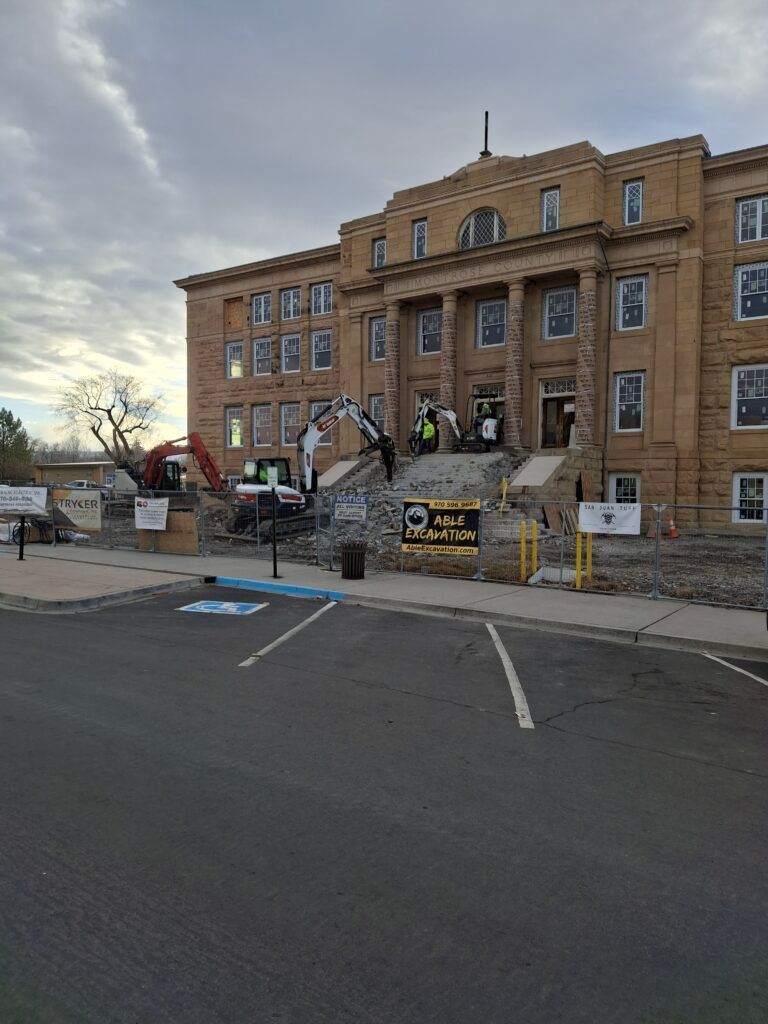
Historic brick building with workers and equipment outside during renovation, viewed from a parking lot.

Why is septic installation more complex in this area?

You cannot simply dig a hole and drop in a tank when it comes to waste management in Western Colorado. Because many properties in our area are not connected to municipal sewer lines, septic installation is a critical part of the development process. The soil’s ability to treat effluent, known as the "perc rate," varies wildly from the river bottom in Olathe to the mesas of Montrose.

Being a nationally certified septic system installer means we understand the nuances of various systems, from standard gravity-fed designs to complex engineered systems required for difficult soils. When you work with an expert, you ensure that your system is sized correctly for your household and that the leach field is protected from compaction and heavy traffic. This is a long-term investment in the health and value of your property.

How do you choose the right excavation contractor in Montrose?

Choosing the right partner for your project comes down to more than just the lowest bid. You need a team that respects the land and understands the long-term impact of their work. A clean job site and a low-impact approach are signs of a contractor who takes pride in their workmanship. When you evaluate your options, consider the following factors:

  • Local Experience: Does the company understand the specific challenges of Mancos Shale?
  • Certifications: Are they certified for the specific installations, like septic systems, that you require?
  • Equipment Quality: Do they have the right tools, such as HDPE pipe fusing equipment or sewer cameras, to do the job right?
  • Insurance and Bonding: Are they fully covered to protect you and your property during the build?
  • Reputation for Integrity: Do they have a history of honest work and transparent communication with clients?

At Able Excavation, we believe in maintaining a low impact on the land whenever possible while still meeting every engineering and inspection standard. Our deep roots in the community mean we are not just working for a client; we are working for our neighbors. We handle everything from trucking and hauling debris to precision grading for a new subdivision.

Key Steps for Professional Site Development

If you are ready to move forward with your project, the process generally follows a structured path. First, you should have a thorough site evaluation to determine soil quality and topography. Next, clearing and grubbing remove vegetation and debris. Only then can the actual grading and trenching begin. Throughout this process, constant communication between you and your excavation team ensures that the final result matches your vision and the engineer’s requirements.

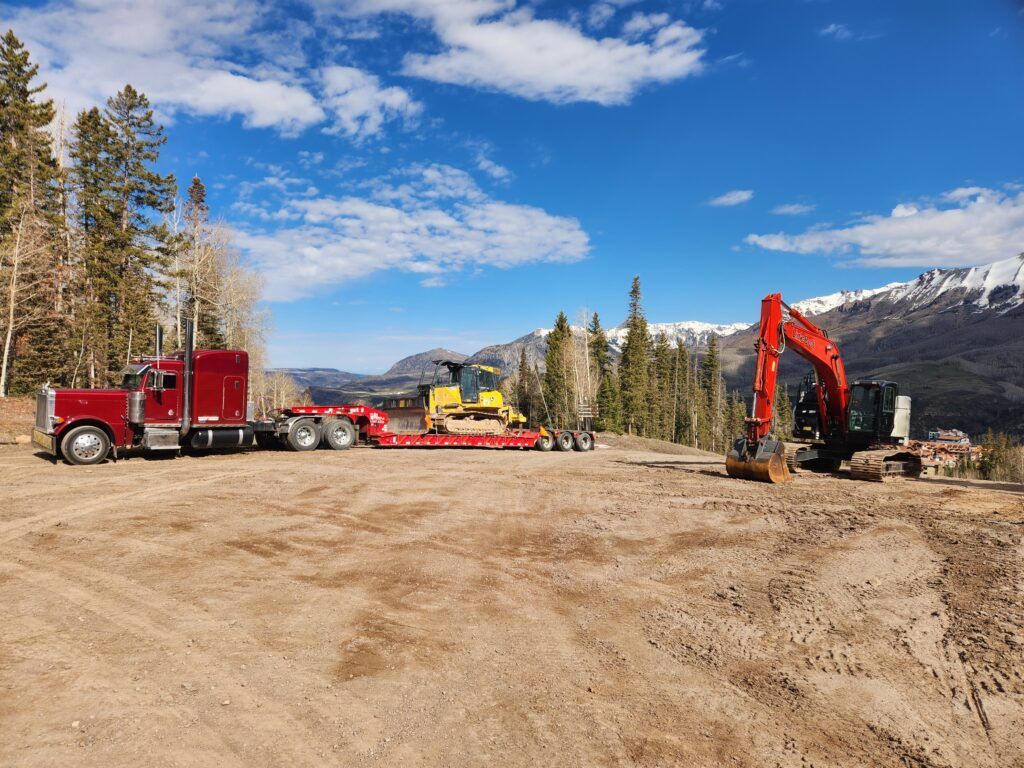
Construction trucks and excavator on a dirt worksite with mountains and pine trees under a blue sky

Summary of Excavation in Montrose CO

Excavation in Montrose CO requires a specialized approach that accounts for unique soil types like Mancos Shale and the rigorous demands of a high-desert climate. By focusing on proper drainage, deep utility burial, and expert soil management, you can protect your property from the common pitfalls of Western Colorado construction. Whether you are building a new home, developing a commercial site, or managing agricultural land, the foundation of your success is literally the ground beneath you.

Takeaways for your next project:

  • Always test your soil for expansion and drainage before starting a foundation.
  • Ensure all utilities are buried below the local frost line to prevent winter damage.
  • Hire a certified professional for septic and complex site preparation to ensure code compliance.
  • Prioritize a contractor with deep local roots and a reputation for integrity.

If you are planning a project in Montrose, Delta, or the surrounding areas, reach out to a team that understands the land. Contact us today to discuss how we can help you build on a solid foundation.

Share this article

Recent Posts

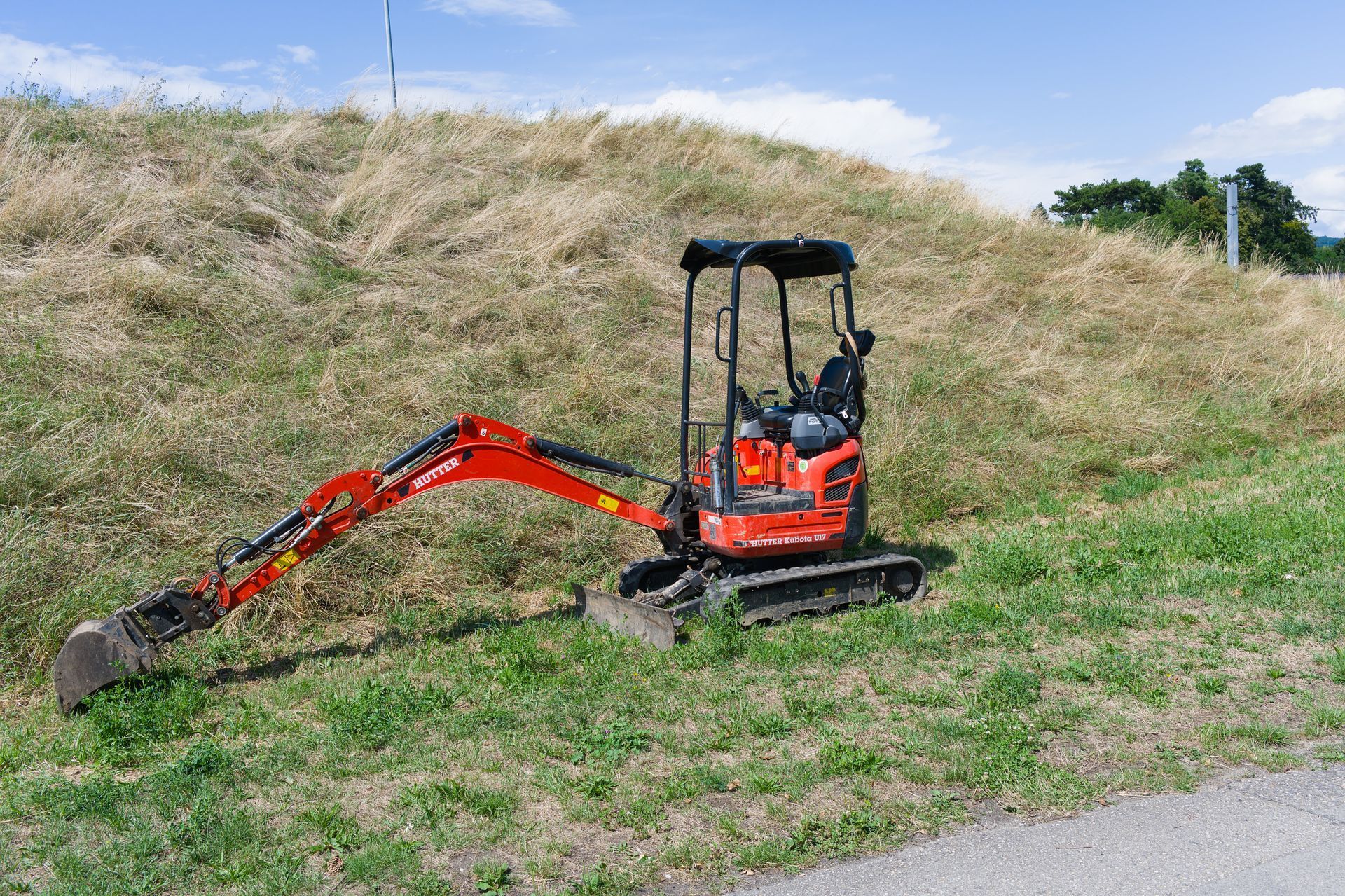
Red mini excavator with its bucket in the ground on a grassy slope under a blue sky
By Admin • November 9, 2026
Missing outdoor sewer access? See when sewer cleanout installation belongs in Western Colorado sewer work, from placement and Colorado 811 to bid scope.
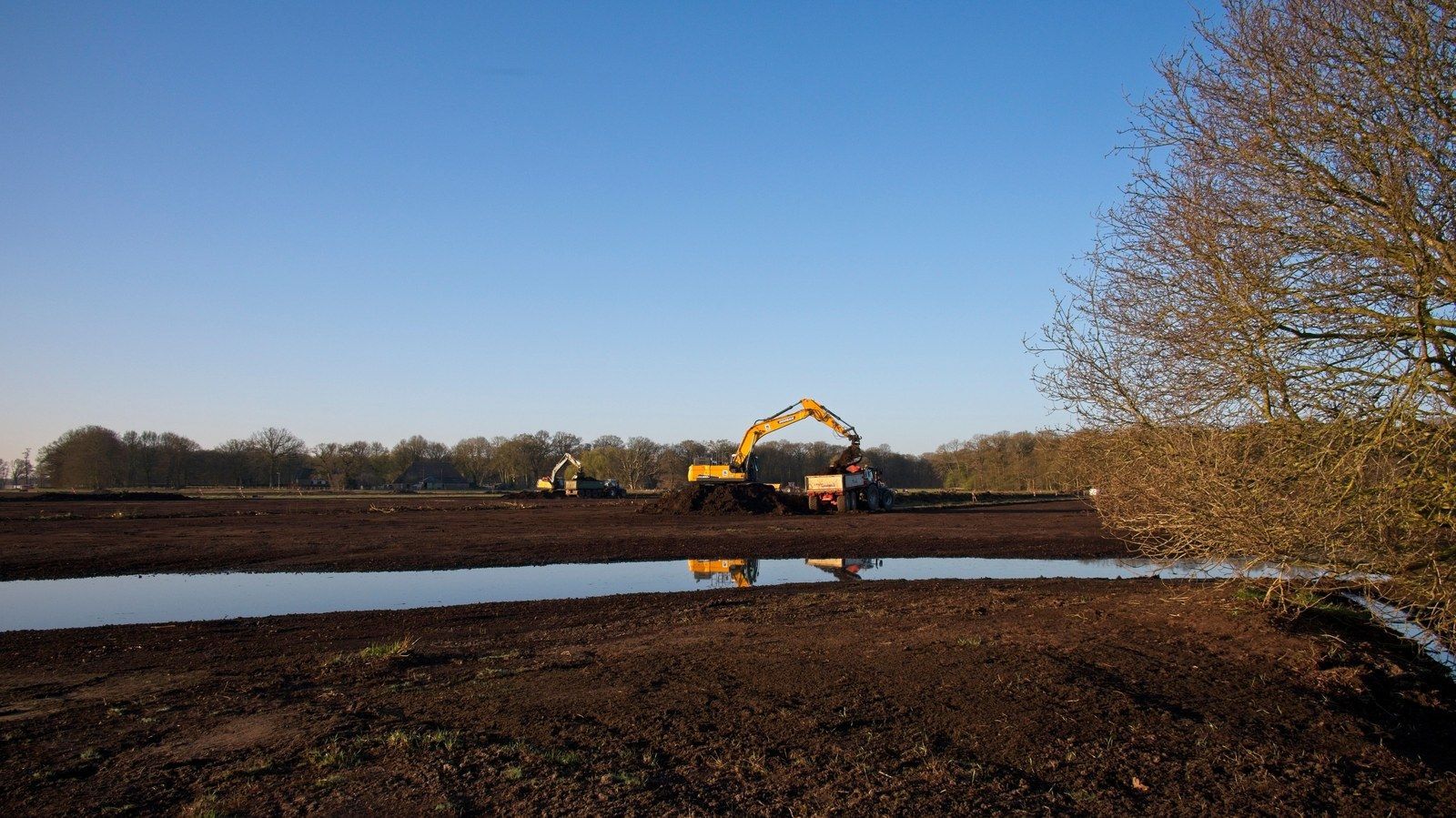
Yellow excavator loading a dump truck on an open earthwork site under a clear sky
By Admin • November 6, 2026
How long a septic system lasts in Western Colorado depends on soils, install quality, and field life. Know the signs and when replacement is next.
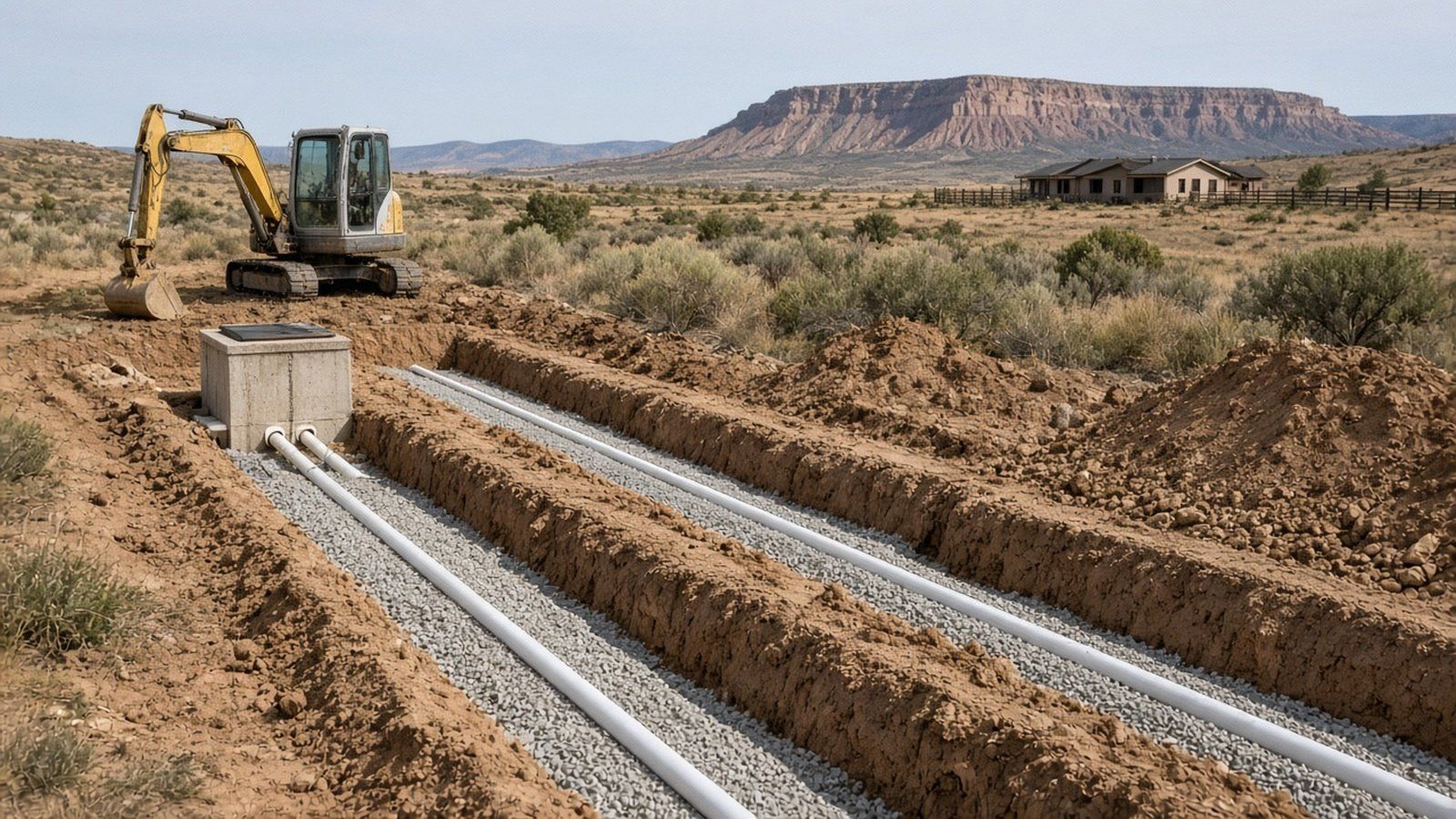
Open leach field trenches with gravel beds and white pipe beside an excavator, with a mesa behind
By Admin • November 2, 2026
Liquid in a field riser? Learn how Western Colorado owners decide on leach field repair or replacement, from county permits and Colorado 811 to comparing bids.
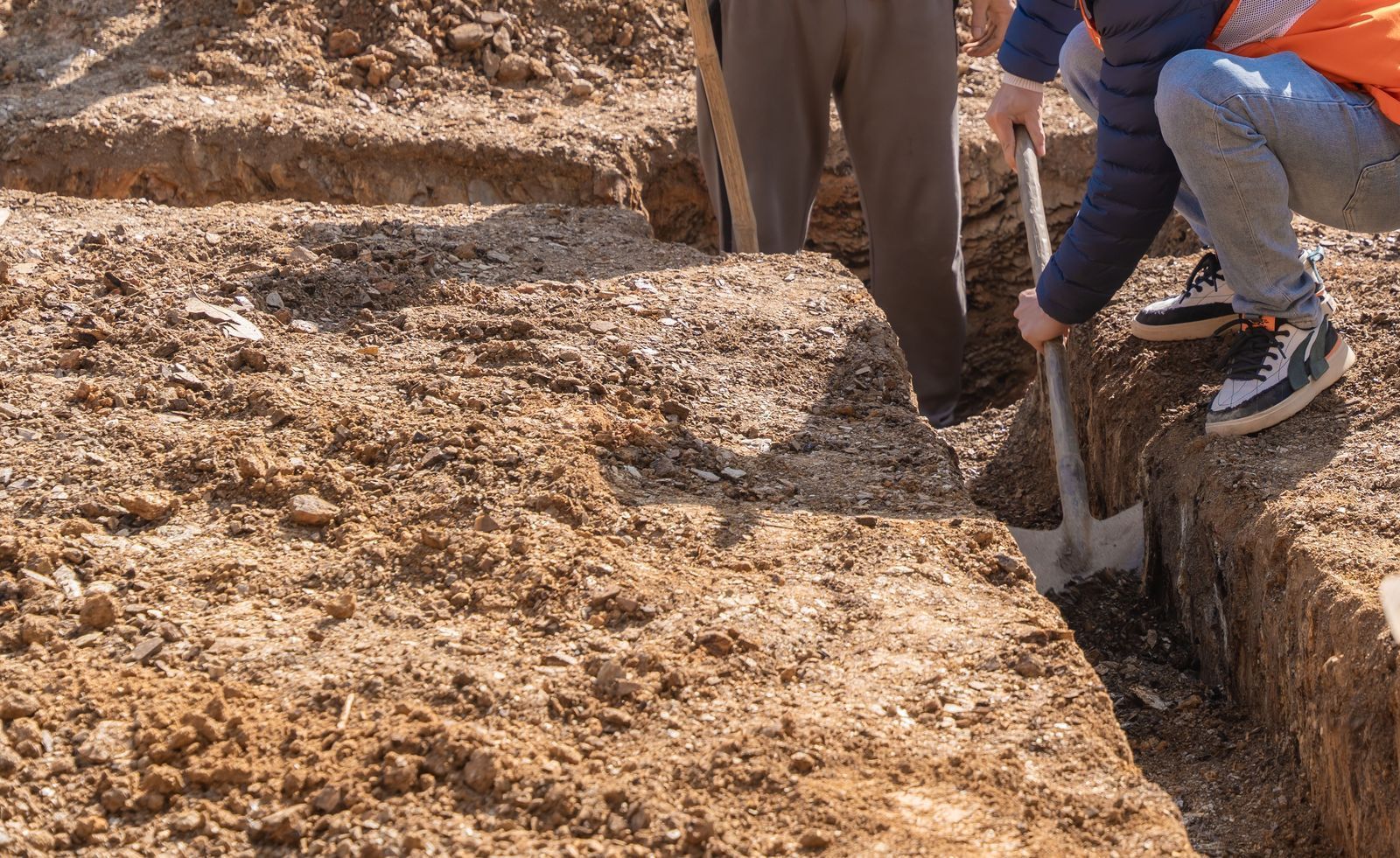
Two workers digging a narrow trench in rocky soil with shovels
By Admin • October 29, 2026
How deep to bury a water line in Western Colorado: who sets the depth, cover vs. frost line, sourced local examples, Colorado 811 and trench safety.
Cracked round concrete septic lid in a shallow lawn dip, mower wheel and rail fence behind
By Admin • October 26, 2026
Septic tank replacement cost in Western Colorado: tank vs. whole system, failure signs, cost drivers, permits, and national estimates (not Able pricing).
Open trench exposing an old rusted sewer line with tree roots next to new green PVC pipe
By Admin • October 26, 2026
Sewer line replacement cost in Western Colorado: what drives the bid, national estimates, and when spot repair beats full replacement. Plan before you dig.
Black HDPE pipe sticks laid end to end along a ditch bank beside green pasture and a flatbed trailer
By Admin • October 24, 2026
HDPE pipe fusion in Western Colorado: how butt-fused joints work for water, gas and irrigation lines, where they help, and what to confirm in a bid.
Compact track loader spreading road base on a new gravel driveway on a rural Western Colorado lot
By Admin • October 23, 2026
Driveway excavation for gravel driveways in Western Colorado: layout, topsoil, subgrade, base, compaction, crown, cost drivers, and bid questions to ask.
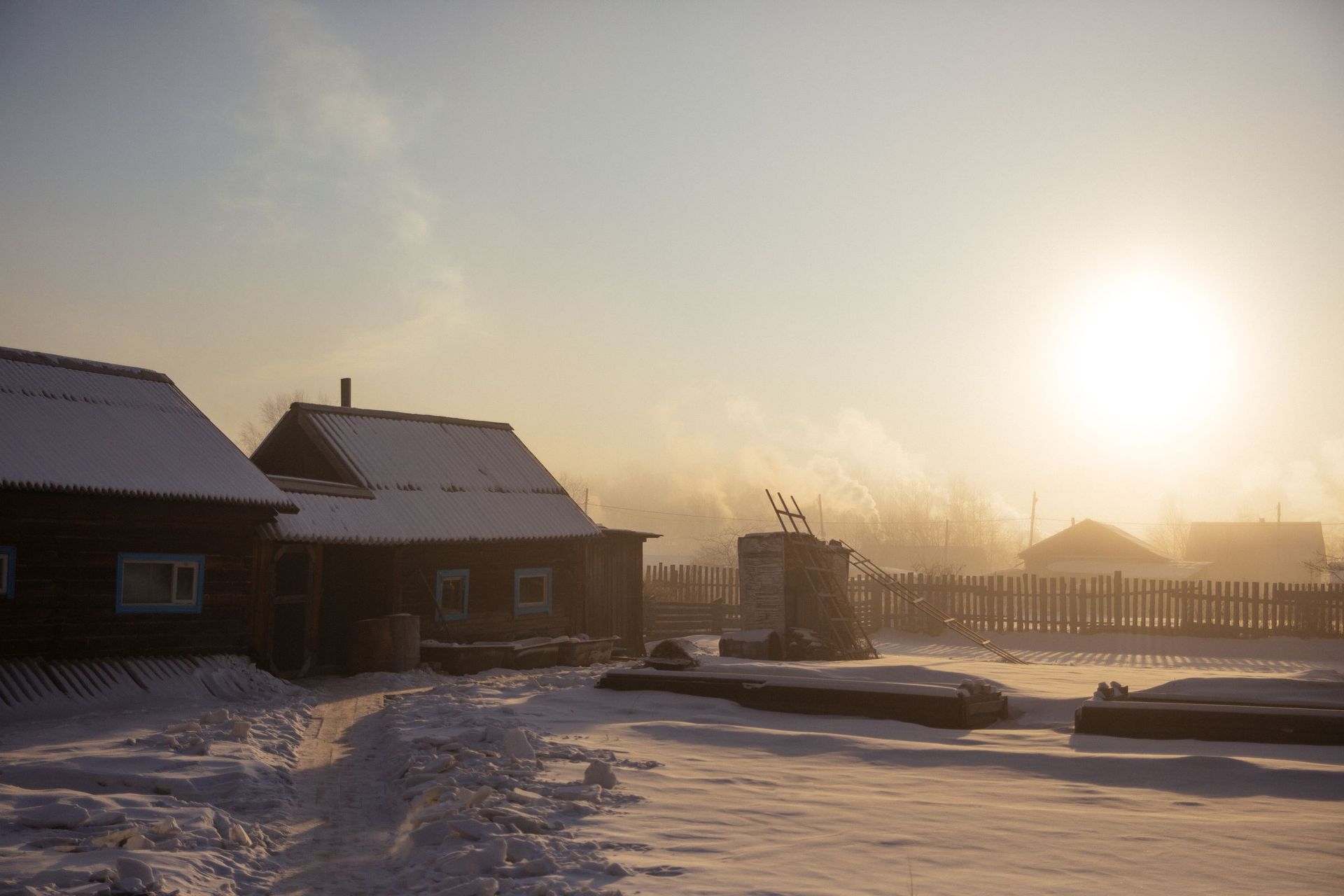
Snow-covered rural backyard with wooden outbuildings at sunrise on a frosty winter morning
By Admin • October 22, 2026
Frozen water line or sewer line? How to tell which one froze, thaw it safely, why buried lines freeze in Western Colorado, and when it takes digging.
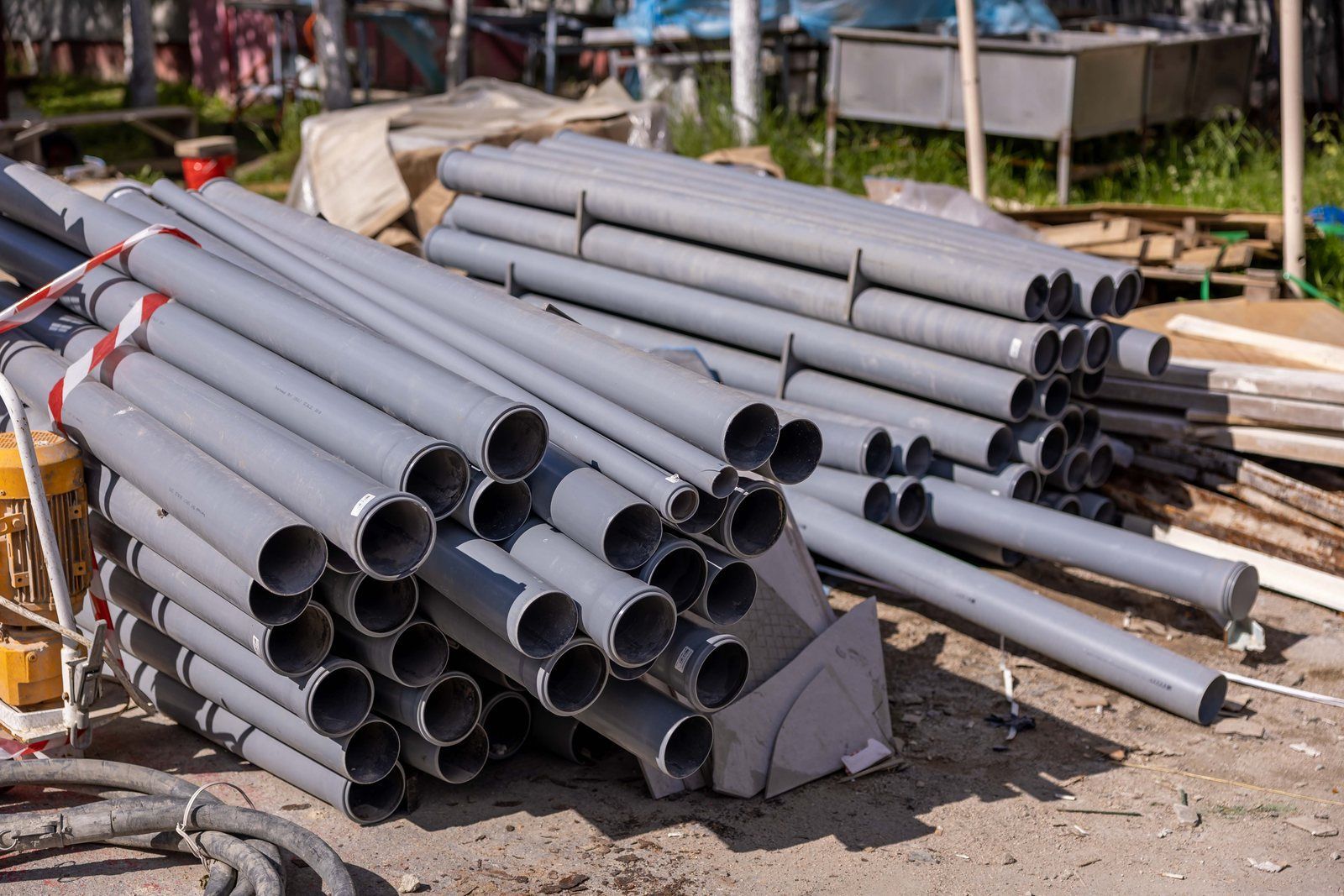
Stacked gray PVC sewer pipe sections with bell ends on a construction site
By Admin • October 8, 2026
Sewer camera inspection in Western Colorado: see what the footage shows, what it misses, and when it means clear, dig, or watch before you break ground.
Show More