

How to Locate Your Water Main Shut Off Valve Fast
To locate your water main shut off valve, check your basement, crawl space, or garage near the front foundation wall where the utility pipe enters the structure. If it is outside, look for a buried meter box near the property line or street. Turning the handle clockwise stops all water flow.
Quick Summary: Finding Your Shut Off Valve
- Indoor Check : Look near the water heater or the front basement wall.
- Outdoor Check : Find the concrete or plastic meter box near the road.
- Identification : Look for a wheel-shaped gate valve or a lever-style ball valve.
- Action : Turn valves to the right (clockwise) to shut off the supply.
- Emergency : Call a professional if the valve is stuck or leaking.
Where is my water main shut off valve located?
Finding your water main shut off valve is one of the most important tasks you can perform as a property owner. Whether you are dealing with a burst pipe or planning a major renovation, knowing how to stop the flow of water can save you thousands of dollars in property damage. In Western Colorado, the location can vary based on the age of your home and the depth of the frost line.
Most residential properties feature an internal shutoff valve located where the main service line enters the building. You should start your search at the perimeter of your house on the side that faces the street. If your home has a basement or a crawl space, the valve is likely located there, often at eye level or just above the floor. For homes built on a slab, check inside the garage or near the water heater closet. Able Excavation often encounters these lines during Utility Installation & Repair projects, and we always recommend that homeowners clearly label these valves for quick access during emergencies.
Common indoor locations for water valves
If the valve is not immediately visible in the basement, there are several other common interior locations you should inspect. Property managers and builders often place these valves in utility rooms to keep them accessible yet out of sight.
- Under the kitchen sink : Occasionally, in older homes, the main shutoff may be tucked away in a cabinet.
- Near the water heater : Since the heater requires a dedicated supply, the main valve is often nearby.
- The laundry room : Some configurations place the utility entrance near the washer and dryer hookups.
- Inside a wall panel : In modern builds, valves might be behind a plastic access door in a hallway or closet.
Finding the valve before a crisis occurs is essential. If you are a ranch owner or manage a large agricultural property, you may have multiple shutoff points for different outbuildings or irrigation sections. Knowing the hierarchy of these valves ensures you do not accidentally shut off water to livestock when you only intended to fix a sink.
How do I find the water valve outside?
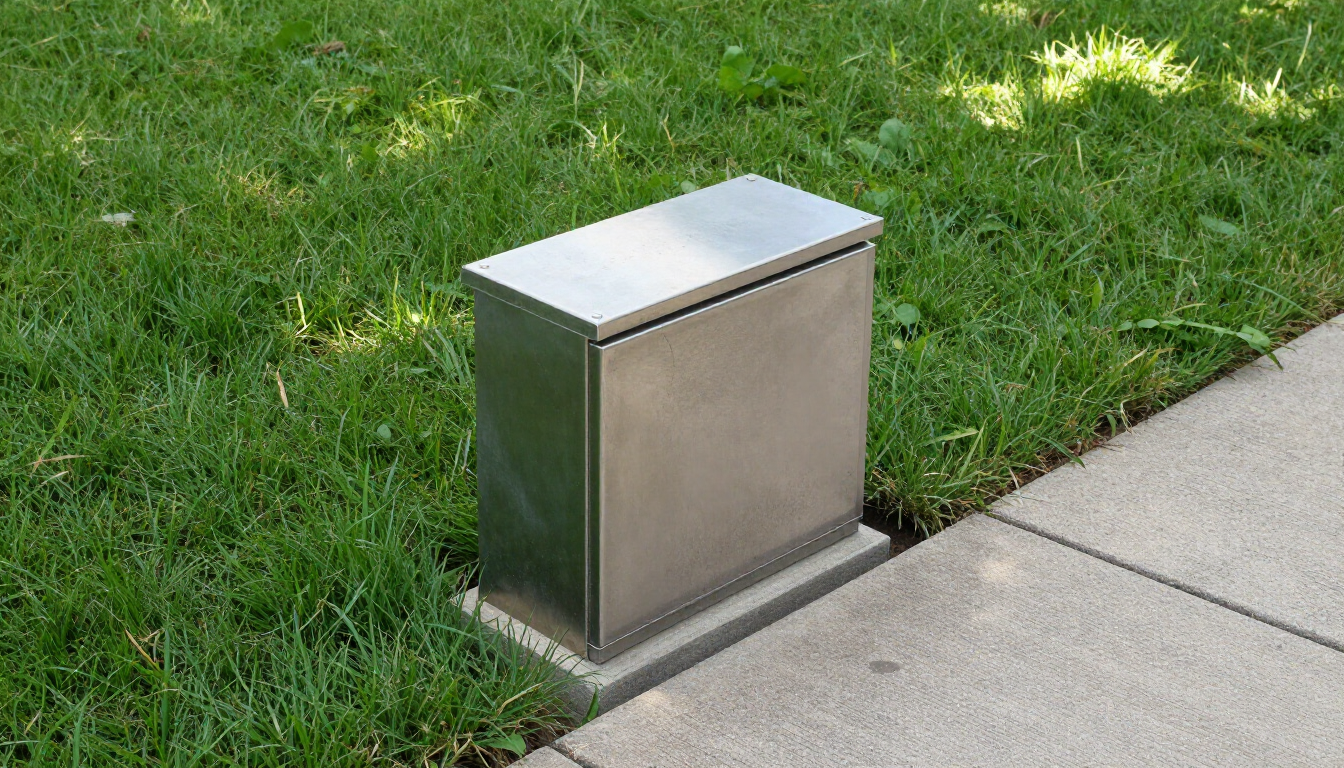
In many parts of Western Colorado, including Montrose and Delta, your primary shutoff might be located outside in a meter box. This is especially common for properties where the utility meter is not located inside the home. These boxes are usually made of concrete, heavy plastic, or cast iron and are set flush with the ground near the street or the edge of your property.
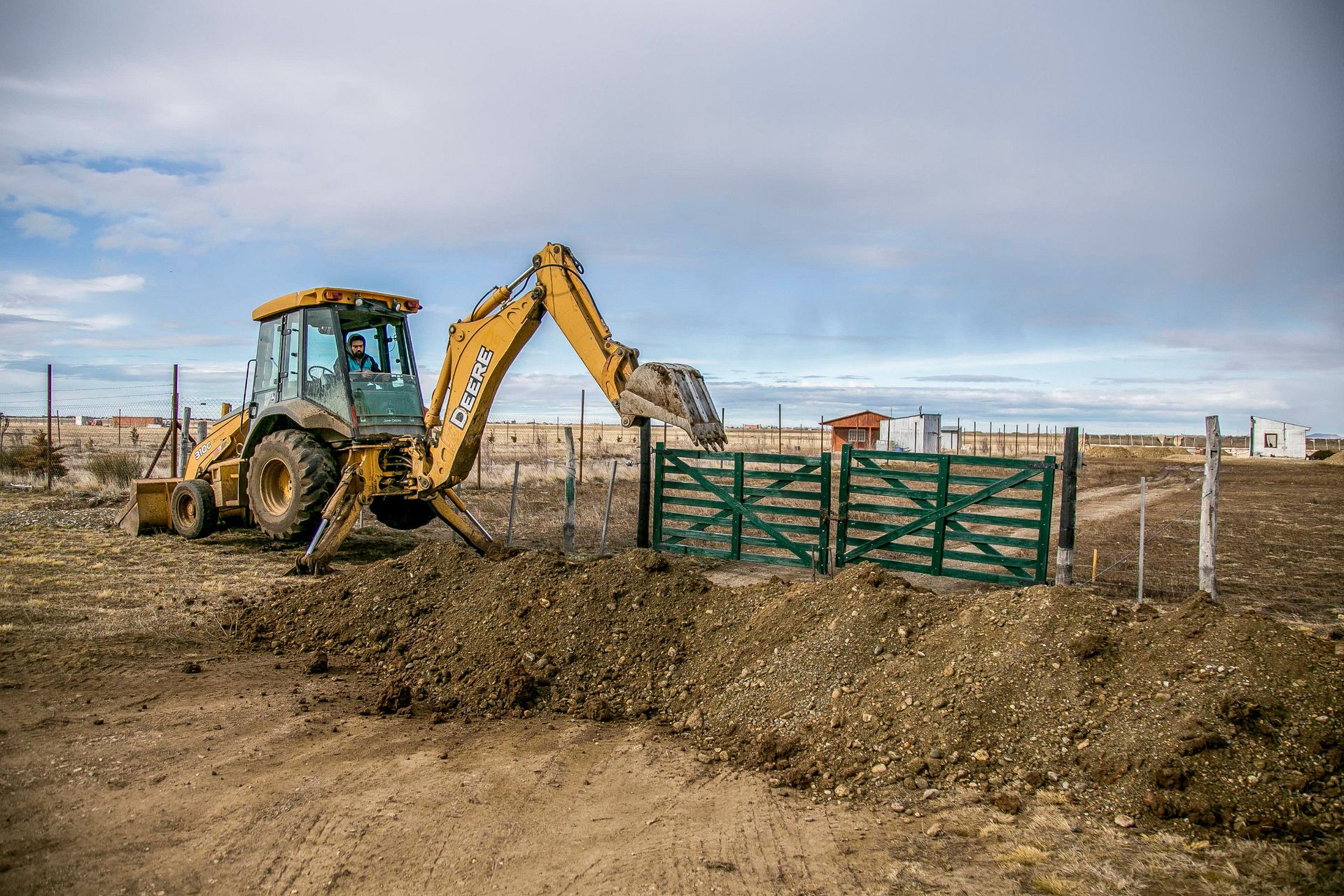
To access this valve, you may need a specialized tool known as a meter key or a pair of sturdy pliers. Be careful when opening these boxes, as they can often become home to spiders or small rodents. Once the lid is removed, you will see the water meter and at least one valve. The valve on the street side belongs to the utility company, while the valve on the house side is typically yours to operate. If you find that your outdoor lines are leaking or need replacement, our team provides comprehensive services to excavate and repair these deep utility mains.
How do you operate a main water shut off?
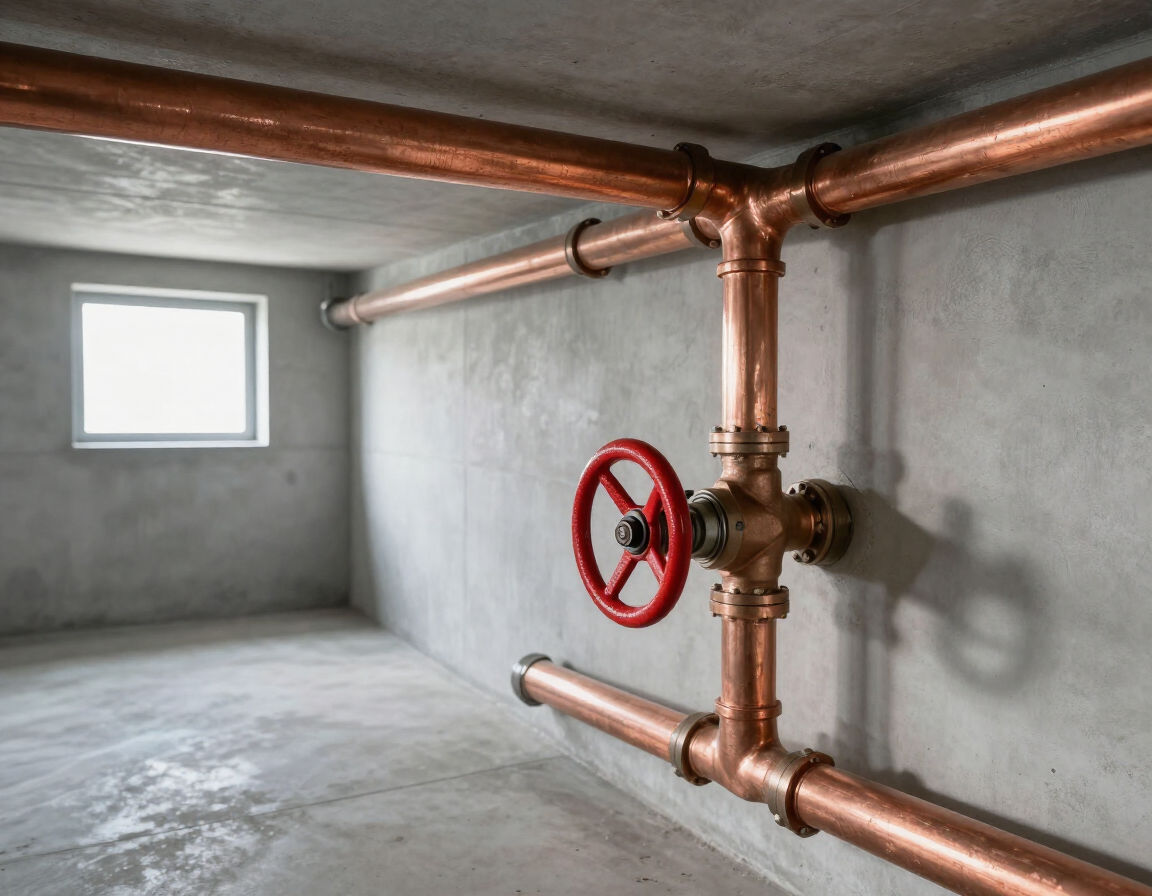
Once you locate the valve, you must understand how to operate it correctly. Most properties use one of two types of valves. The first is a gate valve, which features a circular handle that looks like a small steering wheel. These require several full turns to the right to close. Because they are often older, they can be prone to sticking.
The second type is a ball valve, which features a straight lever handle. This is the more reliable modern standard. When the handle is parallel to the pipe, the water is on. To shut it off, turn the lever 90 degrees so that it is perpendicular to the pipe. If you find a valve that is difficult to turn, do not force it with excessive pressure, as this can lead to a broken pipe and an immediate flooding situation.
Important maintenance for water shutoff valves
Maintaining your valves is just as important as finding them. At Able Excavation, we have seen many situations where a homeowner finds the valve during a leak only to discover it has seized shut from years of inactivity. We recommend testing your main shutoff valve at least once a year. Gently turn it off and back on to ensure the internal components remain mobile.
For those managing larger developments or subdivisions, ensuring that all curb stops and main valves are mapped is a vital part of property management. If you are in the process of building, our subdivisions and roads team can help ensure your utility infrastructure is installed correctly from the start, following all local engineering standards for Western Colorado.
When should I call an excavation professional?
Sometimes, finding the valve is only the first step. If the valve is leaking, if you cannot find it at all, or if the pipe entering your home is damaged, you need professional assistance. In cases where the line between the street and your home has failed, excavation is usually required to reach the deep frost lines common in our region.
Key Takeaways for Property Owners:
- Locate your valve today before an emergency happens.
- Label the valve clearly so guests or family members can find it.
- Test the valve annually to prevent seizing.
- Know the difference between your valve and the city meter.
- Contact experts for any underground utility repairs.
If you are facing utility issues or need site preparation for a new project, Able Excavation brings four generations of experience to your land. We pride ourselves on clean jobsites and integrity in every project. Whether you need a simple trench or a complex septic installation, we are here to help. Please contact us today to discuss your excavation needs in Montrose, Ridgway, or the surrounding areas.
Share this article