Land Clearing Contractors, How We Help: Site Prep, and What to Expect
TL;DR
- Land clearing contractors do much more than remove brush and trees. They help turn raw land into a site that is ready for excavation, building, drainage work, septic installation, utilities, hauling, and road prep.
- You may need land clearing before building a home, shop, barn, driveway, private road, septic system, utility trench, or subdivision infrastructure.
- Good land clearing helps you avoid delays, hidden obstacles, drainage problems, unstable ground, and layout conflicts later in the project.
- The cost of land clearing depends on property size, vegetation density, stump and root removal, terrain, access, hauling needs, and how much follow-on site work is included.
- Land clearing often leads directly into site preparation, homesite development, foundation excavation, driveway prep, drainage correction, septic system installation, utility installation and repair, trucking and hauling, and road prep.
- On properties in Montrose, Paonia, and Ouray, local terrain, slope, runoff, and access conditions can significantly affect how clearing should be done.
- The best results usually come from working with a contractor who understands the full site development process, not just the clearing itself.
When you search for land clearing contractors, you are usually looking for more than someone to cut brush or push over small trees. You are looking for a team that can help you make the land usable, accessible, and ready for the next phase of your project. Whether you are building on rural acreage, improving ranch property, preparing for a septic system, or opening access for utilities and roads, land clearing is often the first major step.
If that first step is done well, the rest of your project tends to go more smoothly. If it is done poorly, you can end up dealing with drainage issues, layout problems, unstable ground, and expensive rework.
What Land Clearing Contractors Actually Do
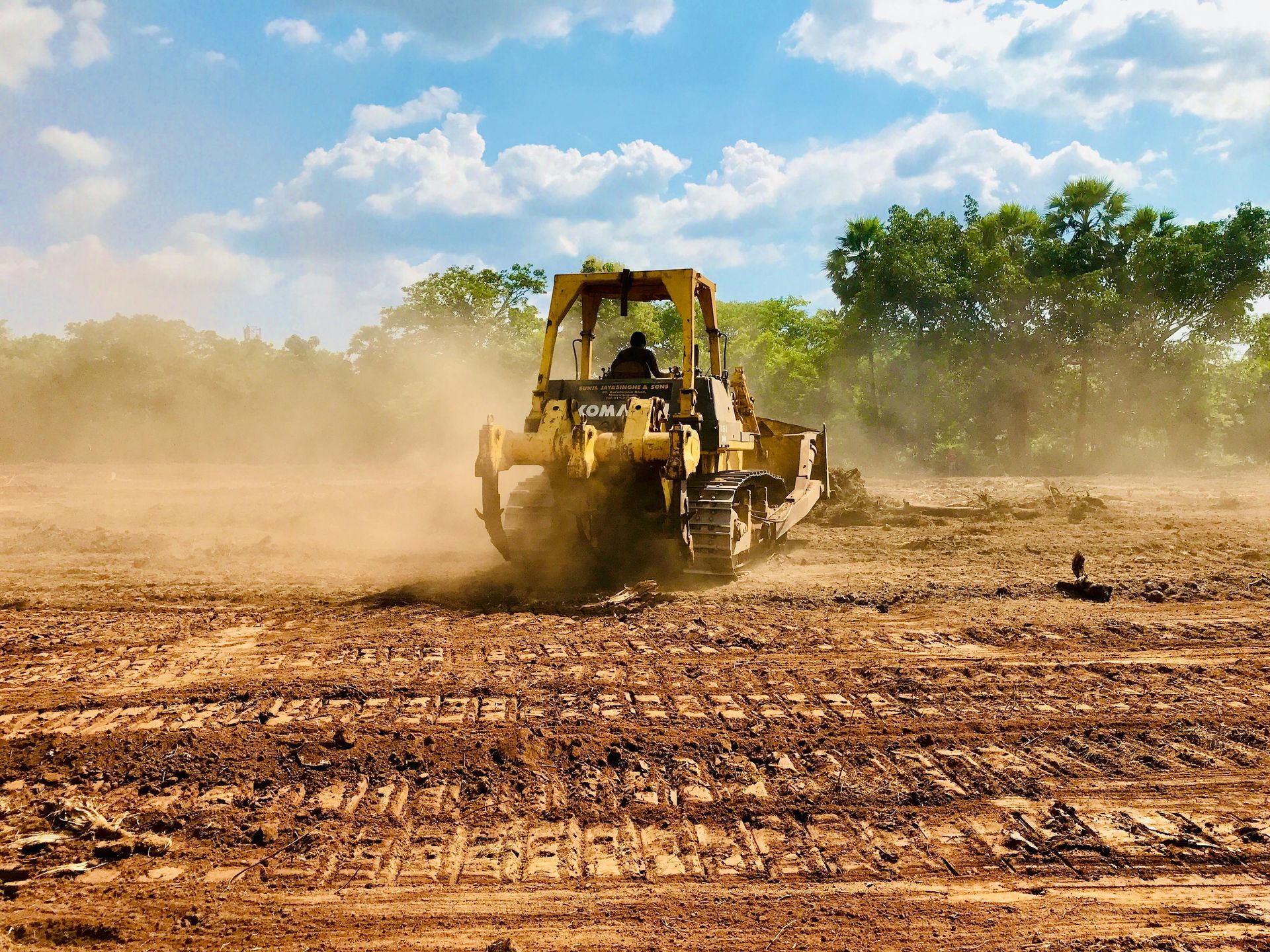
Land clearing is the process of removing the vegetation, stumps, roots, debris, and surface obstacles that keep a property from being safely developed or improved. In some cases, the work is straightforward. In others, it is closely tied to grading, excavation, hauling, and site planning.
More Than Brush Removal
A professional land clearing contractor may handle:
- brush clearing
- tree and stump removal
- grubbing roots and organics
- debris and scrap removal
- rough grading
- clearing for access roads or driveways
- preparation for septic and utility trenching
- opening land for homesites and building pads
The goal is not just to make the property look cleaner. The goal is to make it function better and support the work that comes next.
Why Clearing Is Often the First Real Phase of Development
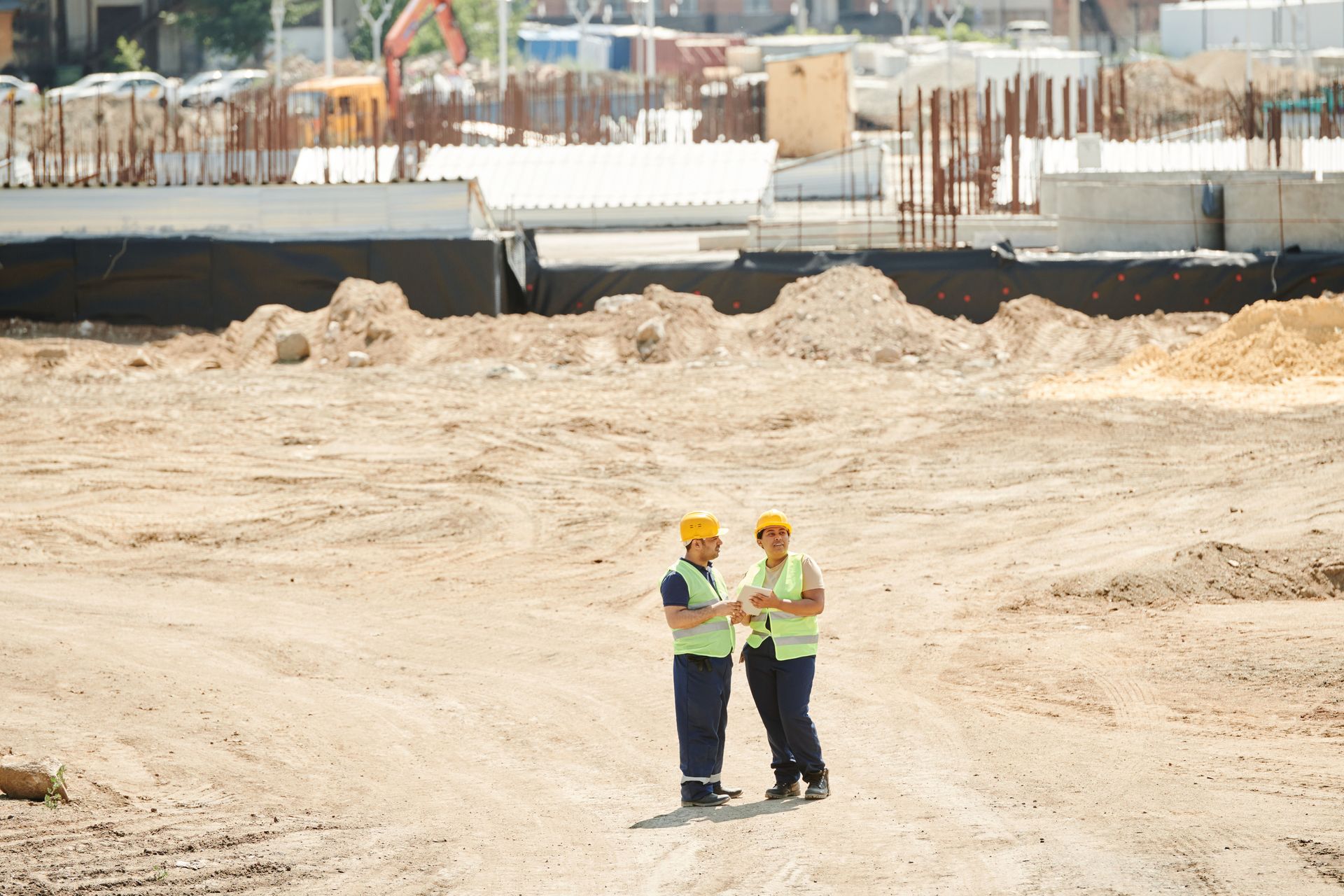
If your property is overgrown or obstructed, nearly every other trade is slowed down. Surveyors need visibility. Excavation crews need access. Septic and utility trenching need workable routes. Builders need a clear pad and predictable grade.
Once the land is cleared, you can see the site more accurately. You can identify slope changes, drainage patterns, likely pad locations, driveway options, and the most practical routes for underground utilities.
Why Land Clearing Matters So Much
Land clearing may seem simple from the outside, but it has a major effect on the quality and efficiency of the entire project.
It Helps Turn Raw Land Into Buildable Land
If you are starting with undeveloped land, the property may be hard to access, hard to measure, and hard to evaluate. Clearing gives you a usable starting point. It allows the land to begin transitioning from raw ground into a homesite, ranch improvement, development lot, or commercial pad.
It Reduces Hidden Problems
Overgrown land often hides stumps, buried debris, unstable organic material, erosion channels, and soft areas. Those issues do not disappear just because you build over them. In fact, they often become more expensive later.
For example, leaving organic material under a future driveway, road, or building pad can contribute to settlement problems. Clearing and grubbing help remove those unstable materials before they create trouble.
It Improves Safety and Efficiency
A cleared site is easier and safer to work on. Equipment can move better. Crews can see grade and access challenges more clearly. Trucks have a better chance of getting in and out without unnecessary delay. This matters whether you are planning a single homesite or a larger development project.
How Land Clearing Connects to Site Preparation
Land clearing is rarely an isolated service. On most projects, it leads directly into broader site work.
Homesites and Building Pads
If you are planning a new home, shop, or barn, land clearing often comes before homesite preparation. Once vegetation and debris are removed, you can better determine where the building pad should go, how the land should be graded, and how water should move away from the structure.
This is where an excavation contractor adds value. The clearing phase can be used to think ahead about pad elevation, access, drainage, and the relationship between the structure and the rest of the site.
Foundation Excavation
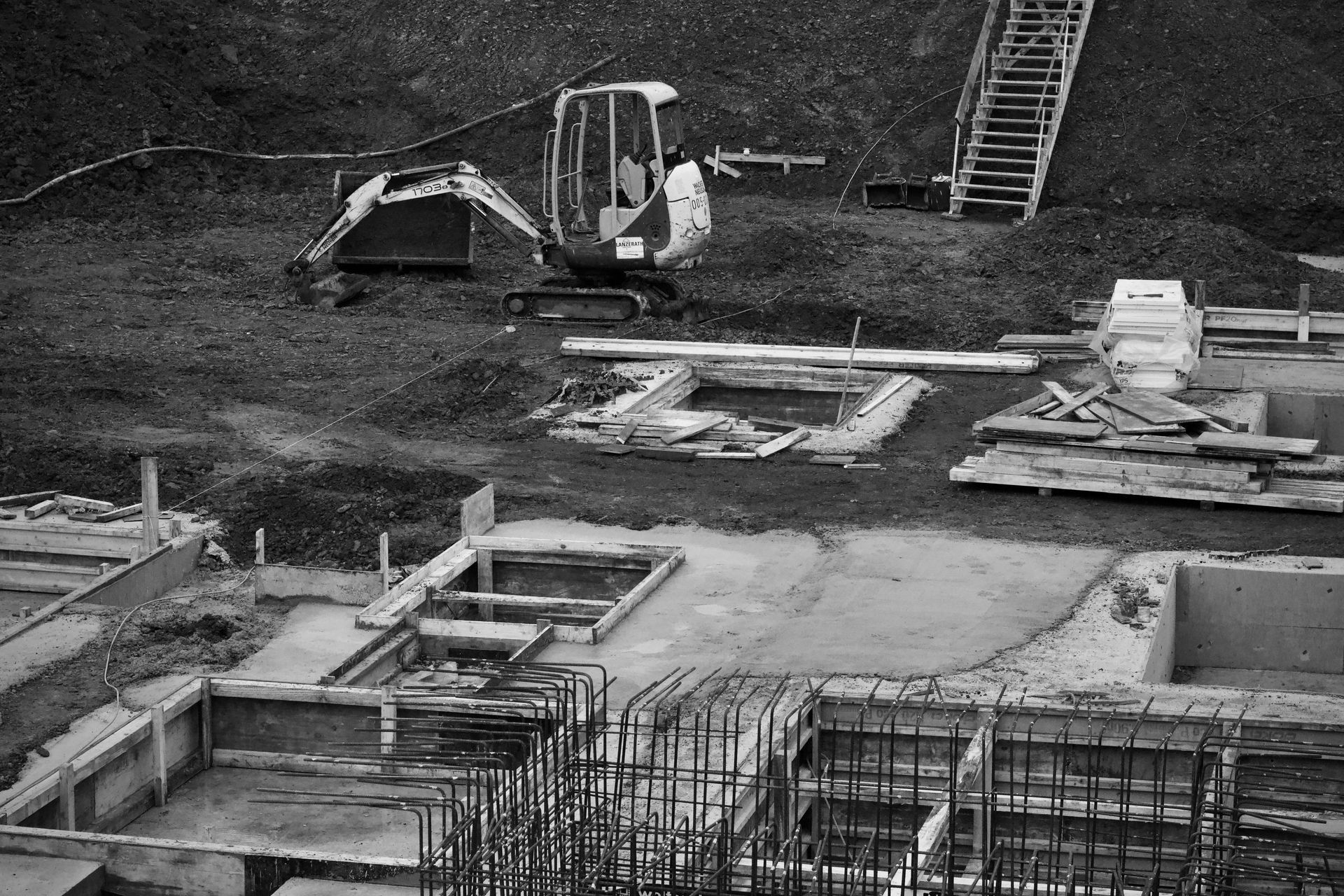
A properly cleared site makes foundation excavation more accurate and efficient. Stakes and layout lines are easier to place. Equipment can work without fighting brush, roots, and buried obstructions. The subgrade can be evaluated more clearly before digging begins.
If the site is not cleared correctly, buried stumps, roots, or debris can interfere with excavation and compromise the quality of the foundation area.

Driveway Prep, Road Prep, and Access Corridors
One of the most common reasons landowners need clearing is to create or improve access.
Clearing for Driveways and Private Roads
Before you can build a driveway or road, you need to know where it should go and whether the corridor is practical. Land clearing helps open that path. It removes visibility problems, clears the route for grading, and gives the contractor a better sense of slope and runoff.
This is especially important in places like Montrose, Paonia, and Ouray, where terrain can shift quickly and access may involve longer driveways, steep sections, or rural road approaches.
Why Early Road Prep Thinking Matters
A driveway is not just gravel spread on the ground. Long-term performance depends on the cleared path, the grade, the base, and the drainage. If clearing is done without thinking ahead to road prep, you may end up with a route that is harder to build or more likely to wash out.
Drainage Correction Often Starts With Clearing
Drainage issues are easier to understand once the property is opened up.
Seeing Water Flow More Clearly
Brush and debris can hide low spots, runoff channels, ponding areas, and erosion concerns. After clearing, it becomes much easier to see how water moves across the site and where grading changes may be needed.
Clearing and Drainage Work Go Together
On many properties, land clearing leads directly into drainage correction. That may include regrading, swales, ditch work, culverts, or reshaping portions of the site to improve runoff.
This matters for more than appearance. Good drainage protects homesites, driveways, septic areas, and utility corridors. If water control is ignored early, the property can become much harder and more expensive to improve later.


Land Clearing and Septic System Installation
If your property will need a septic system, land clearing should be planned with that in mind from the start.
Protecting the Best Septic Area
A septic system needs a suitable location for the tank, sewer line, and drain field. That area should not be heavily disturbed without a plan. Good clearing helps protect the future system layout rather than accidentally damaging the most usable area of the site.
Supporting Septic Excavation
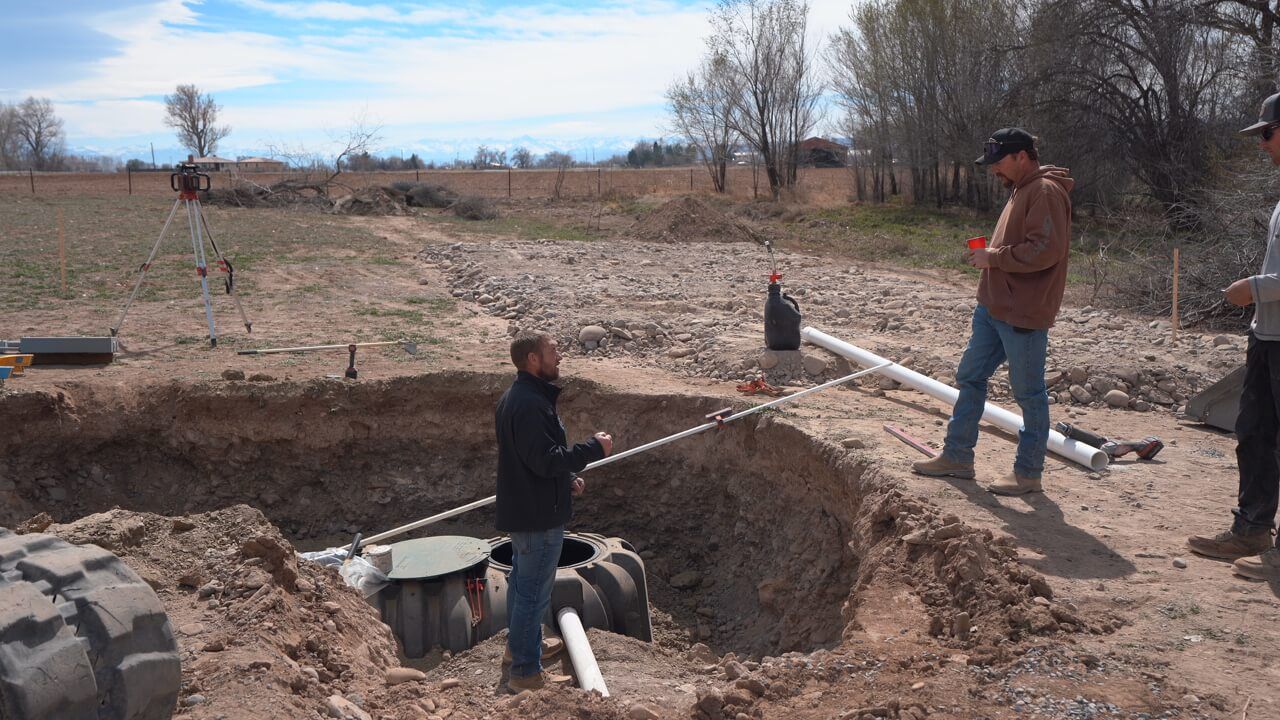
Septic work depends on access, trenching routes, proper slope, and workable site conditions. Clearing often makes that possible. It also helps coordinate the septic area with the homesite, driveway, and drainage plan so the system fits into the property logically.
A contractor like Able Excavation can be especially helpful here because septic installation rarely stands alone. It usually needs to line up with grading, access, hauling, and broader site development decisions.
Utility Installation, Repair, and Hauling
Land clearing also supports underground infrastructure.
Utility Trenching
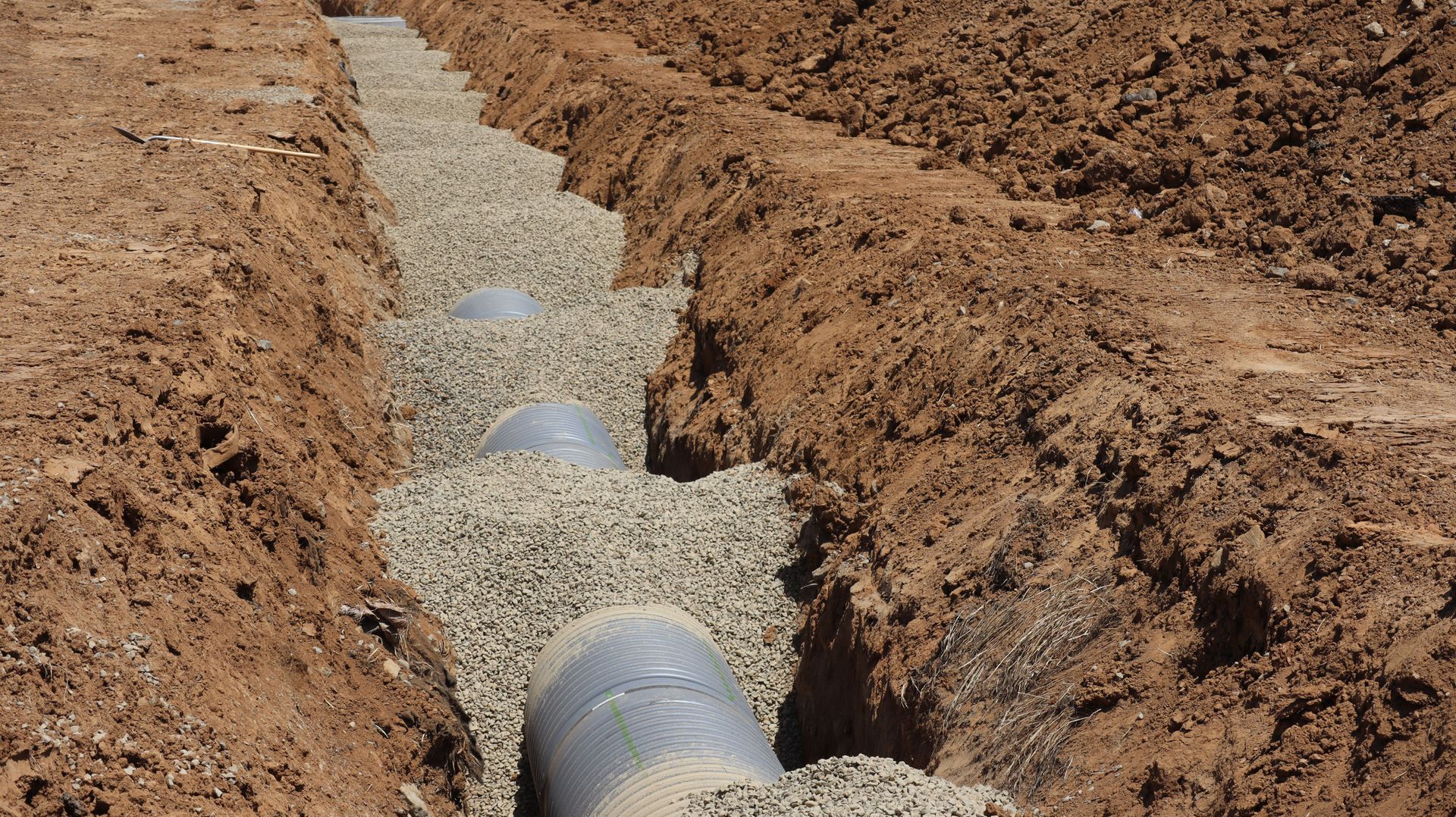
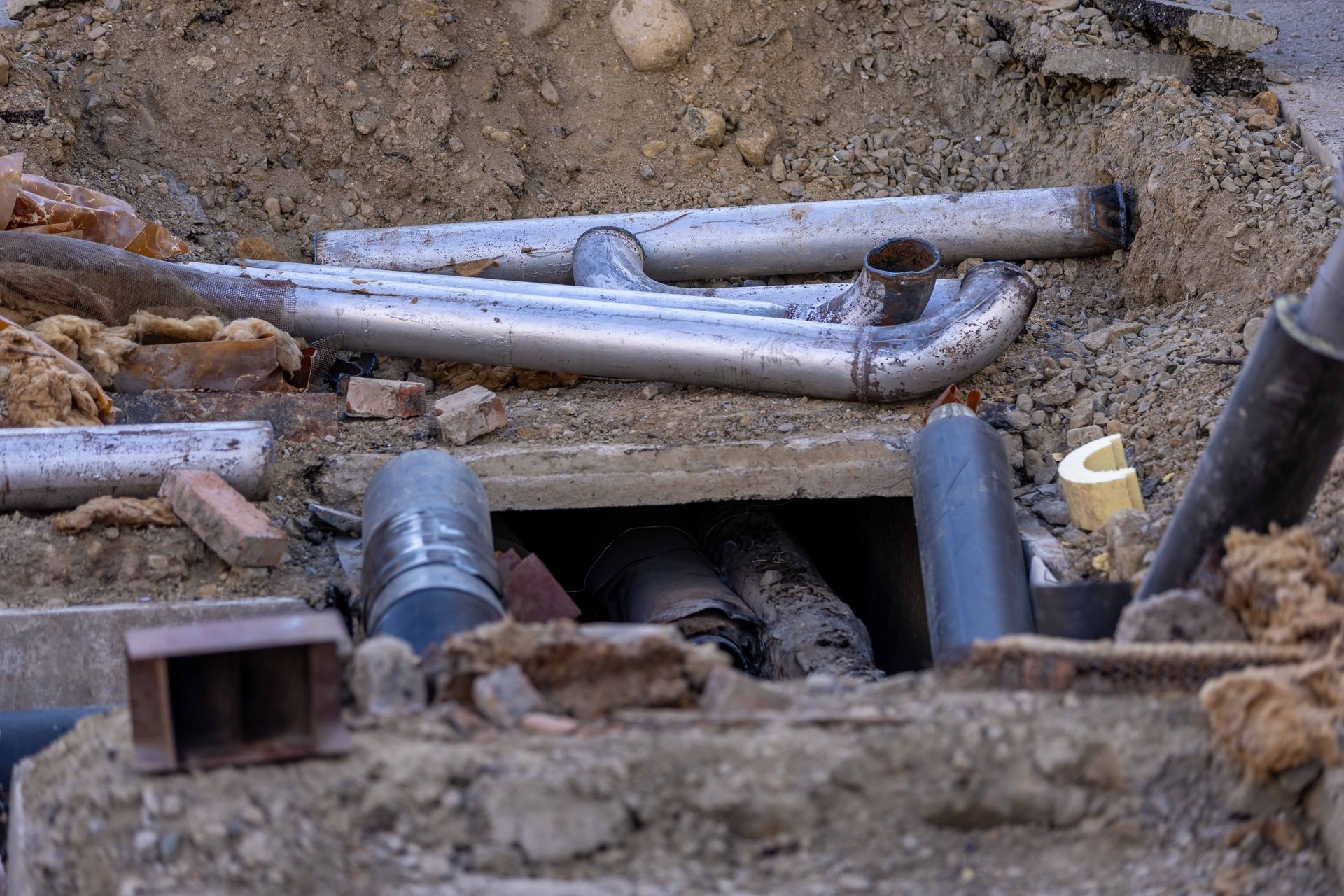
Water, power, sewer, gas, and communications lines all need clear routes. Clearing improves equipment access and helps avoid conflicts with trees, roots, debris, and future site features. If you are building on raw land, utility trenching is much easier once the property has been opened up and basic site planning is in place.
Trucking and Hauling
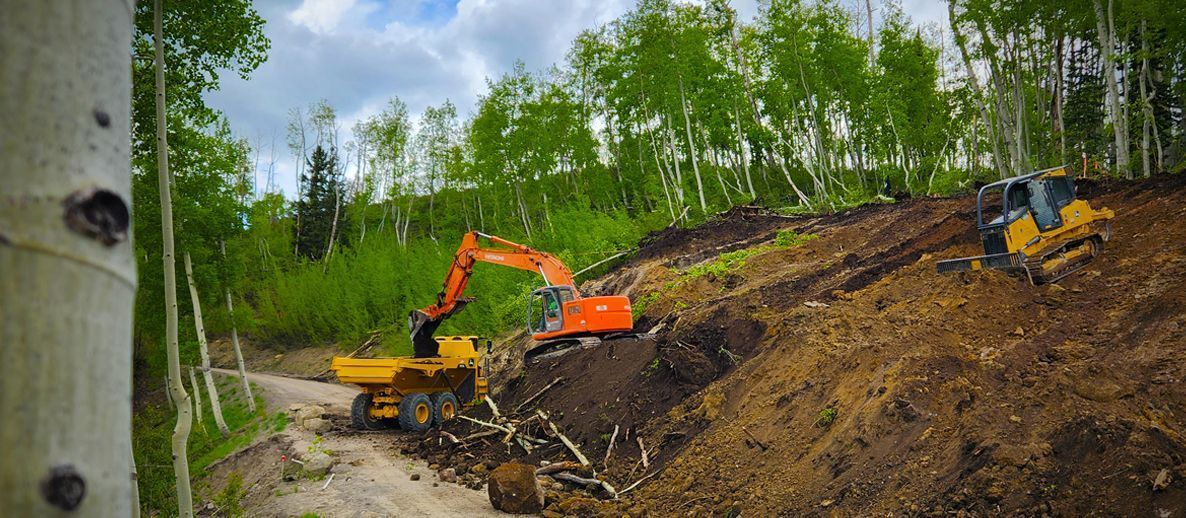
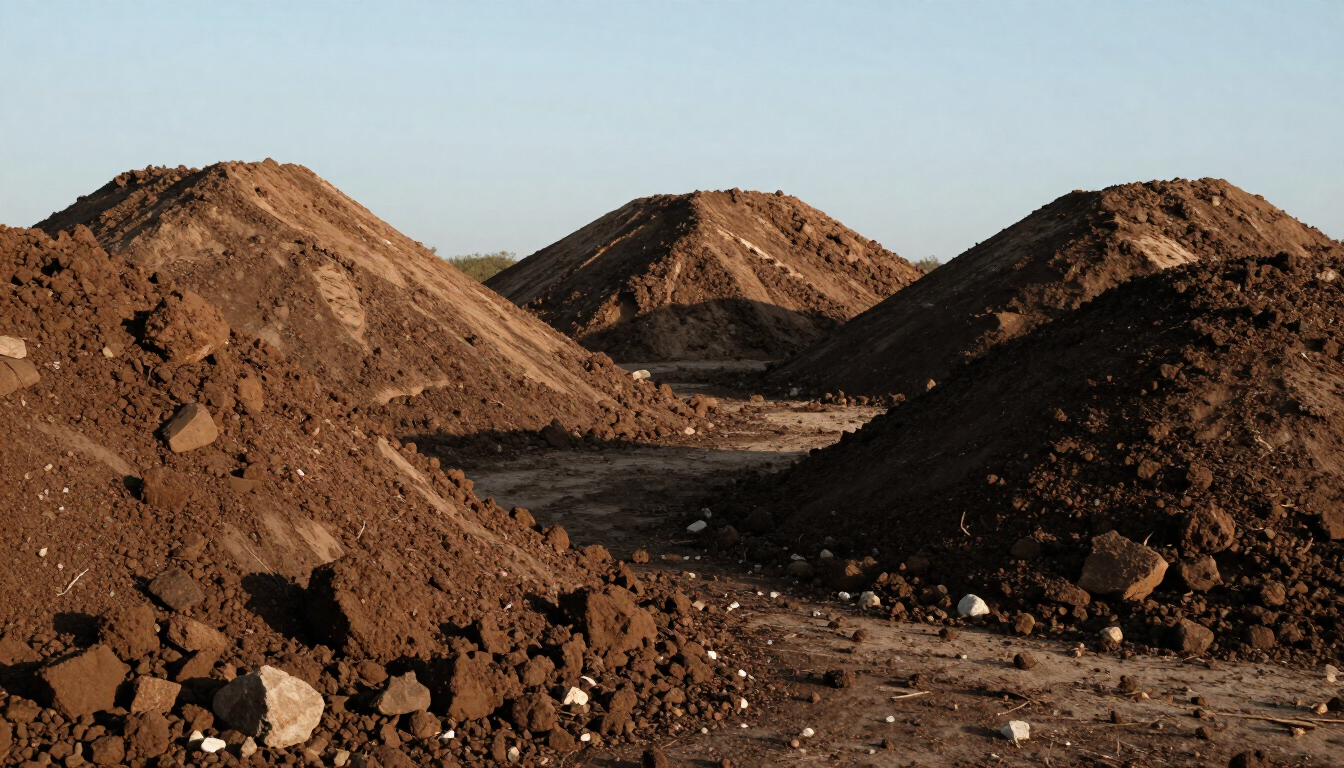
Clearing creates material that must be handled. Brush, stumps, debris, rock, and spoils may need to be hauled off site. In many cases, clearing is also followed by importing road base, fill dirt, or gravel.
That is why trucking and hauling are such an important part of the process. If the same contractor can manage both the clearing and the material movement, the project is usually more efficient.
What Affects the Cost of Land Clearing
Land clearing costs vary widely because no two properties are the same.
Major Cost Factors
The biggest factors usually include:
- size of the work area
- density of brush and trees
- number of stumps and root systems
- terrain and slope
- site accessibility
- amount of debris or unsuitable material
- hauling and disposal needs
- whether grading or other excavation work is included
A lightly overgrown homesite is very different from a larger parcel with dense vegetation, steep ground, and limited access. The more difficult the terrain and the more material that must be removed, the more machine time and hauling you should expect.
When You Should Hire Land Clearing Contractors
You should consider land clearing when you are:
- preparing for a new home, shop, or barn
- creating a homesite or building pad
- installing a septic system
- trenching for utilities
- building a driveway or private road
- correcting drainage problems
- reclaiming overgrown land
- starting a subdivision or development project
The earlier you bring clearing into the conversation, the better. Early planning can help you avoid rework and make the rest of the site development process more efficient.
What to Look for in a Contractor
The best land clearing contractors understand more than just vegetation removal. They understand how clearing affects excavation, grading, drainage, septic planning, utility installation, hauling, and road prep.
You want a contractor who can look at the property and think beyond the immediate clearing scope. That broader perspective is often what separates a basic cleanup job from a site that is truly ready for the next phase.
Final Thoughts
Land clearing is one of the most important early steps in turning raw or overgrown land into a functional property. It helps you open access, remove hidden problems, improve safety, and prepare for everything that follows. For homeowners, landowners, contractors, developers, and property managers, it is often the point where the project becomes real.
If you are planning work in Montrose, Paonia, Ouray, or the surrounding Western Colorado area, it helps to work with a contractor who sees the full picture. Land clearing should support your homesite, drainage plan, utilities, septic layout, hauling needs, and road access from the beginning.
When it is done right, land clearing does more than clean up a property. It helps create a site that is ready to perform well for years to come.
Share this article