
Commercial Excavation Services | Pipeline Installation in Colorado
TL;DR
- What do commercial excavation services include? Commercial excavation services may include land clearing, grading, utility locating, trenching, pipe bedding, material hauling, controlled backfill, compaction, drainage, road crossings, access preparation, and final site restoration.
- What is industrial pipeline installation? It is the coordinated process of building an underground pipe system for process water, wastewater, irrigation, fire protection, industrial drainage, gas, or another specified material. The exact design, pipe material, joining process, testing, and regulatory requirements depend on what the pipeline carries.
- Does the excavation contractor install the pipe? Sometimes. A qualified contractor may handle trenching, HDPE pipe fusing, pipe placement, bedding, backfill, and compaction. Specialized systems may also require engineers, licensed trades, certified welders, inspectors, or pipeline operator-qualified personnel.
- Do you need Colorado 811 before trenching? Yes. Public underground utilities must be addressed before excavation begins. Privately owned lines, such as industrial water systems, irrigation, private electrical feeds, septic piping, or facility-owned utilities, may require a separate private locate.
- How deep does an industrial pipeline need to be? There is no universal depth. Required cover depends on the pipe system, engineering specifications, frost exposure, traffic loading, crossings, soil conditions, and applicable regulations.
- Why does pipe bedding matter? Bedding creates consistent support beneath and around the pipeline. Poor bedding can leave unsupported sections, create pressure points, damage the pipe, or contribute to movement and settlement.
- What does industrial pipeline installation cost? Cost depends on pipe length, diameter, material, depth, rock, groundwater, utility conflicts, crossings, hauling, testing, imported bedding, compaction, access, and restoration. A reliable estimate normally requires engineered plans and an on-site constructability review.
- How long does installation take? Project duration depends on trench production, pipe joining, inspections, testing, weather, rock excavation, crossings, material availability, and restoration. The time needed to dig the trench is only one part of the schedule.
- What is HDPE pipe fusion? HDPE fusion uses controlled heat and pressure to join compatible polyethylene pipe ends. When properly performed, it creates a continuous piping system with fewer buried mechanical connections.
- What should you ask a contractor? Confirm who handles engineering, locating, trench safety, pipe supply, joining, testing, hauling, backfill, compaction, inspections, documentation, and final restoration.
- Related Able Excavation capabilities include but not limited to commercial excavation services, utility installation and repair, trucking and hauling, and subdivision and road excavation.
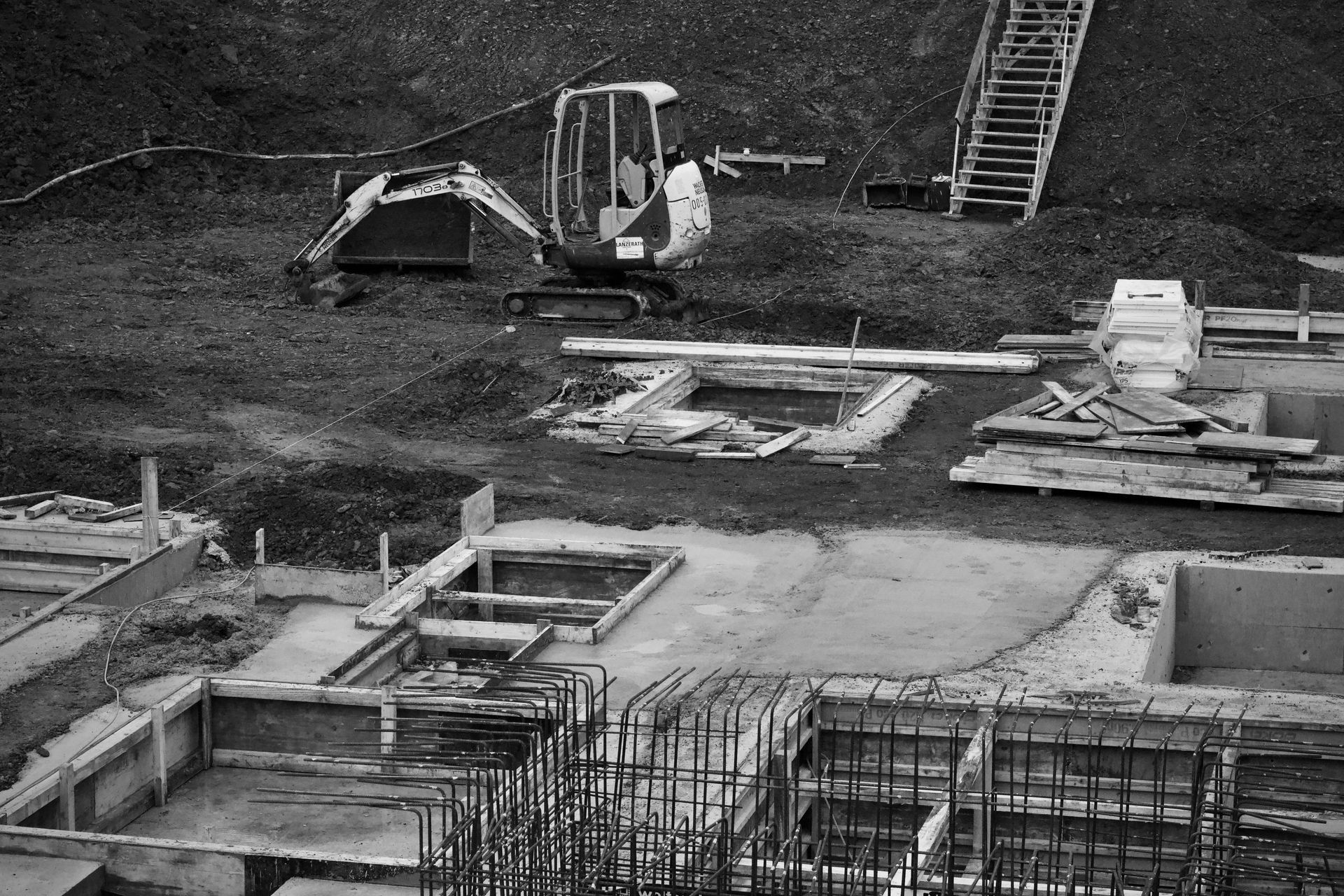
When you need commercial excavation services for industrial pipeline installation, you are hiring for much more than a trench. You need a contractor who can interpret engineered grades, prepare access, identify utility conflicts, manage trench safety, place suitable bedding, coordinate pipe installation, haul materials, compact the trench, restore drainage, and leave the site ready for continued commercial use.
The pipeline itself is only one component of the finished system. Its long-term performance also depends on the ground beneath it, the material placed around it, the quality of the connections, and how carefully the site is restored.
What Commercial Excavation Contributes to a Pipeline Project
Industrial pipeline construction combines excavation, utility work, material handling, quality control, and site development.
Depending on the project, your excavation scope may include:
- Clearing and preparing the pipeline corridor
- Building or improving temporary access roads
- Stripping and separating topsoil
- Locating and exposing existing utilities
- Excavating to engineered line and grade
- Managing rock, unsuitable soil, or groundwater
- Installing bedding and pipe-zone material
- Supporting pipe placement
- Backfilling and compacting in controlled lifts
- Rebuilding roads, drainage, and disturbed surfaces
Each phase affects the next. If the access route cannot support loaded trucks, material delivery slows down. If the trench bottom is irregular, pipe placement becomes more difficult. If bedding and backfill are rushed, settlement or pipeline damage may occur after the system is operating.
What Types of Pipelines Are Considered Industrial?
Industrial pipeline installation can describe several different systems.
Process and supply water
Commercial plants, agricultural operations, municipalities, mines, and processing facilities may require pipelines for raw water, process water, cooling water, washdown systems, or treated water.
Wastewater and industrial drainage
These systems may move sanitary wastewater, process discharge, wash water, or collected drainage. Gravity systems require accurate grade control, while pressurized systems require the correct pipe, fittings, restraint, and testing.
Fire-protection water
Industrial fire loops and hydrant supply lines are critical infrastructure. They must be constructed according to the engineered design and applicable fire-protection requirements.
Irrigation and agricultural water
Ranches, farms, orchards, and larger properties may use long HDPE runs for irrigation, stock water, pond transfer, or well connections. Remote access and long hauling distances can make excavation logistics as important as the pipe installation.
Gas and hazardous-material pipelines
Gas, petroleum, chemical, and other regulated pipeline systems may be subject to specialized operator, federal, state, or local requirements. Standard utility-trenching experience does not automatically qualify a contractor for every regulated pipeline task.
Before requesting bids, you should clearly identify what the pipeline will carry, who engineered it, and what qualifications the project requires.
Planning an Industrial Pipeline Route
The shortest route is not always the safest or least expensive route.
Your project team should evaluate:
- Property boundaries and easements
- Existing public and private utilities
- Roads, buildings, and foundations
- Drainage channels and waterways
- Slopes and unstable terrain
- Rock and anticipated groundwater
- Future development plans
- Equipment and maintenance access
- Environmental or land-use restrictions
A slightly longer route may avoid a major road crossing, congested utility corridor, retaining structure, or deep rock excavation. Early constructability input from an excavation contractor can help you compare those tradeoffs before the route is finalized.
The Pipeline and Hazardous Materials Safety Administration summarizes the importance of this phase clearly:
“Regardless of the length of the pipeline, the construction process must be carefully planned.”
Careful planning does not eliminate every underground surprise, but it reduces avoidable conflicts and provides a process for handling changing conditions.
The Industrial Pipeline Installation Process
1. Engineering and scope definition
Before excavation, the project should define:
- Pipe material and diameter
- Pipeline alignment
- Required depth and cover
- Operating pressure and temperature
- Connection points
- Bedding specifications
- Backfill requirements
- Compaction standards
- Testing procedures
- Restoration requirements
The scope should also identify who supplies the pipe, performs the connections, conducts testing, completes inspections, and prepares the final documentation.
2. Utility locating and conflict verification
Colorado 811 should be contacted before excavation begins. You should also identify facility-owned utilities that are not covered by the public locate process.
Commercial properties often contain private infrastructure installed after the original public utility connections. This may include waterlines between buildings, private electrical feeds, irrigation mains, fire-protection lines, storm drains, process piping, septic components, and abandoned utilities.
For that reason, industrial pipeline work often requires a combination of Colorado 811 notifications, private utility locating, record review, owner interviews, and physical exposure of critical crossings.
Critical crossings may need to be physically exposed by careful excavation or vacuum equipment before the main trench reaches them. Knowing both the horizontal position and actual elevation of a conflict can prevent redesign, delays, service interruptions, and injuries.
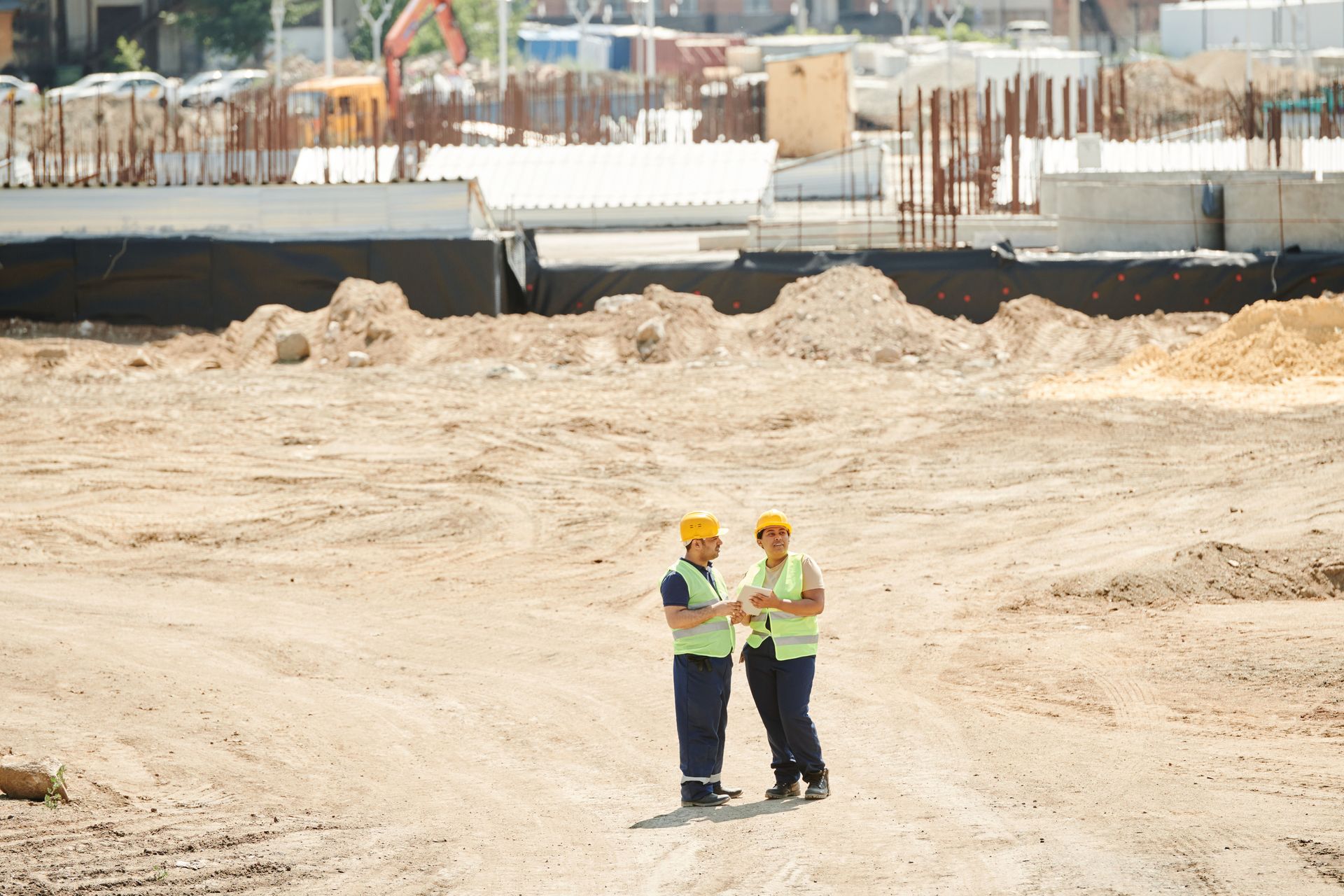
3. Access and corridor preparation
The construction corridor needs enough space for more than the trench itself.
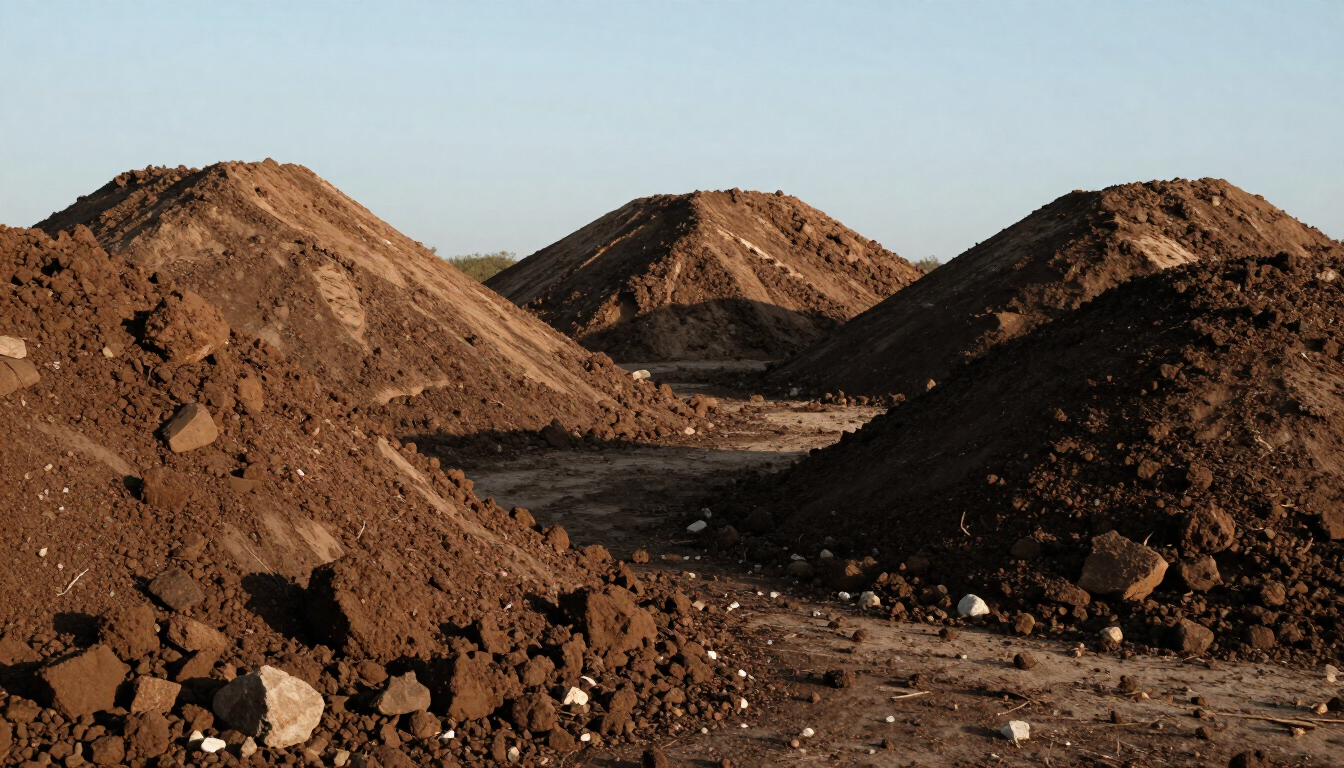
The excavation crew needs enough working room for machines, trucks, pipe staging, spoil stockpiles, and safety controls.
Excavators need room to work. Trucks need safe access to load and unload. Pipe sections need to be staged without blocking traffic or damaging the material. Spoils need to be stored or removed without overloading the trench edge.
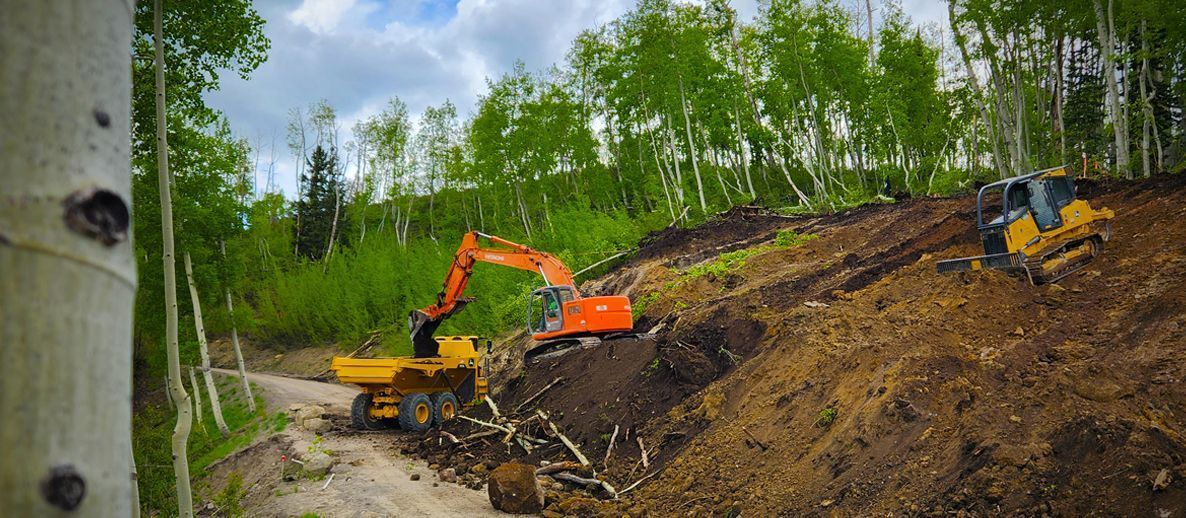
On a rural Western Colorado property, the contractor may need to improve an existing road or create temporary access before pipeline excavation can begin. On an active commercial property, access planning may involve employee routes, delivery schedules, emergency access, customer parking, and phased closures.
This is where broader site preparation experience becomes important. The best trench location on paper may not be practical if equipment cannot reach it or if material cannot be moved efficiently.
Good access planning improves production and reduces damage to the property. Poor access planning creates congestion, repeated material handling, and more restoration work at the end.
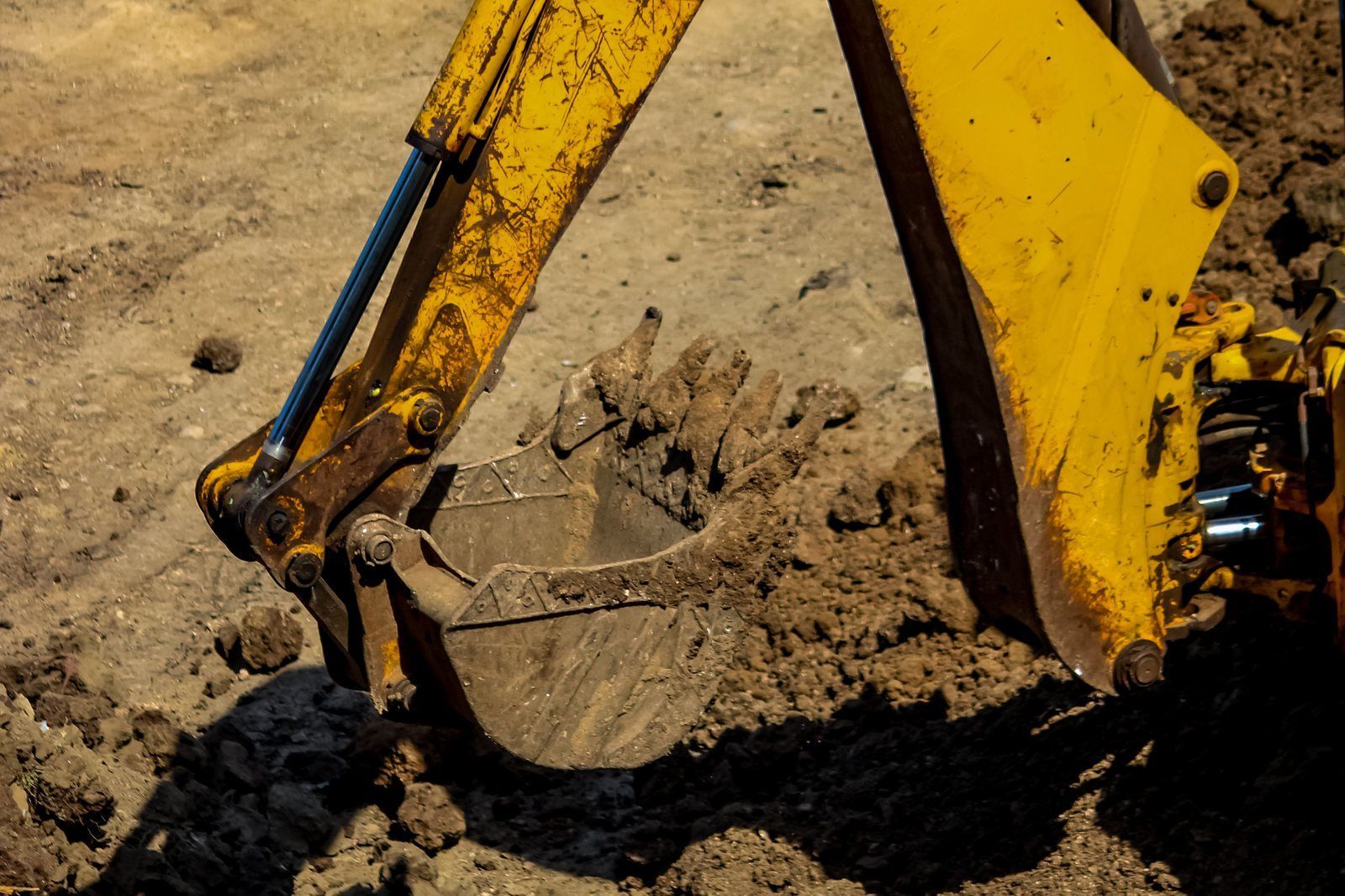
4. Trench excavation
The trench must follow the dimensions and elevations shown in the engineered design.
For gravity pipelines, small elevation errors can affect flow. A low point may hold water or solids, while an incorrect slope may prevent the system from functioning as intended.
Pressure pipelines also require accurate excavation. The contractor must maintain the required cover, avoid abrupt changes in alignment, provide support at fittings, and meet the design requirements at crossings and connection points.
Western Colorado ground conditions can vary significantly along one route. A trench may begin in workable soil and then encounter cobble, large rock, old fill, groundwater, or buried construction debris.
These changes affect production. Rock may require hydraulic breakers or additional excavation. Wet ground may require dewatering and imported bedding. Unstable trench walls may require different protective systems.
A reliable contractor monitors these conditions rather than assuming the entire route will behave like the first hundred feet.
5. Trench protection and inspections
Trench safety must be addressed before workers enter the excavation.
Trench safety is not separate from the construction schedule. It must be built into the excavation plan.
Depending on the soil, depth, nearby loads, groundwater, and other conditions, a trench may require sloping, benching, shoring, or a trench shield. A competent person must inspect the excavation and respond when conditions change.
Rainfall, vibration, equipment movement, water seepage, and soil transitions can change a trench that appeared stable earlier.
Spoil piles also require careful placement. Material stored too close to the trench can add pressure to the excavation wall and create falling-object hazards. Heavy equipment operating near the edge can add even greater loads.
Safe access and egress must be provided where required so workers can enter and leave the excavation without climbing unstable walls or stepping over the pipe.
A safe trench allows the installation crew to work efficiently. An unsafe trench exposes workers and the entire project to unnecessary risk.
Spoil piles and heavy equipment also need to be managed so they do not create unnecessary loads at the trench edge. Rain, groundwater, vibration, nearby traffic, and changing soil can affect an excavation that appeared stable earlier in the day.
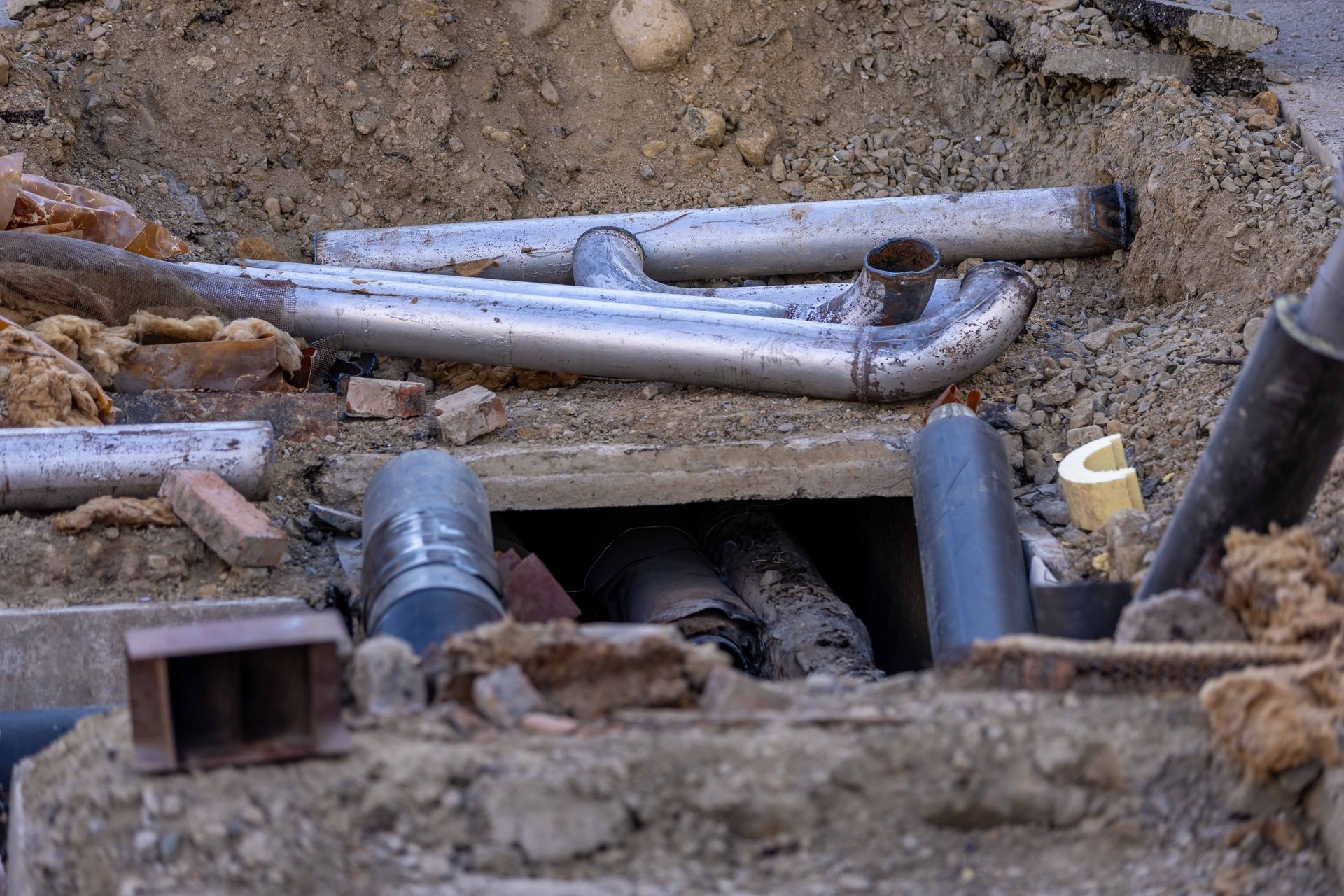
6. Bedding preparation
A pipeline should rest on consistent support rather than isolated rocks or irregular high points.
The pipe should not rest directly on large rocks, uneven soil, or isolated high points.
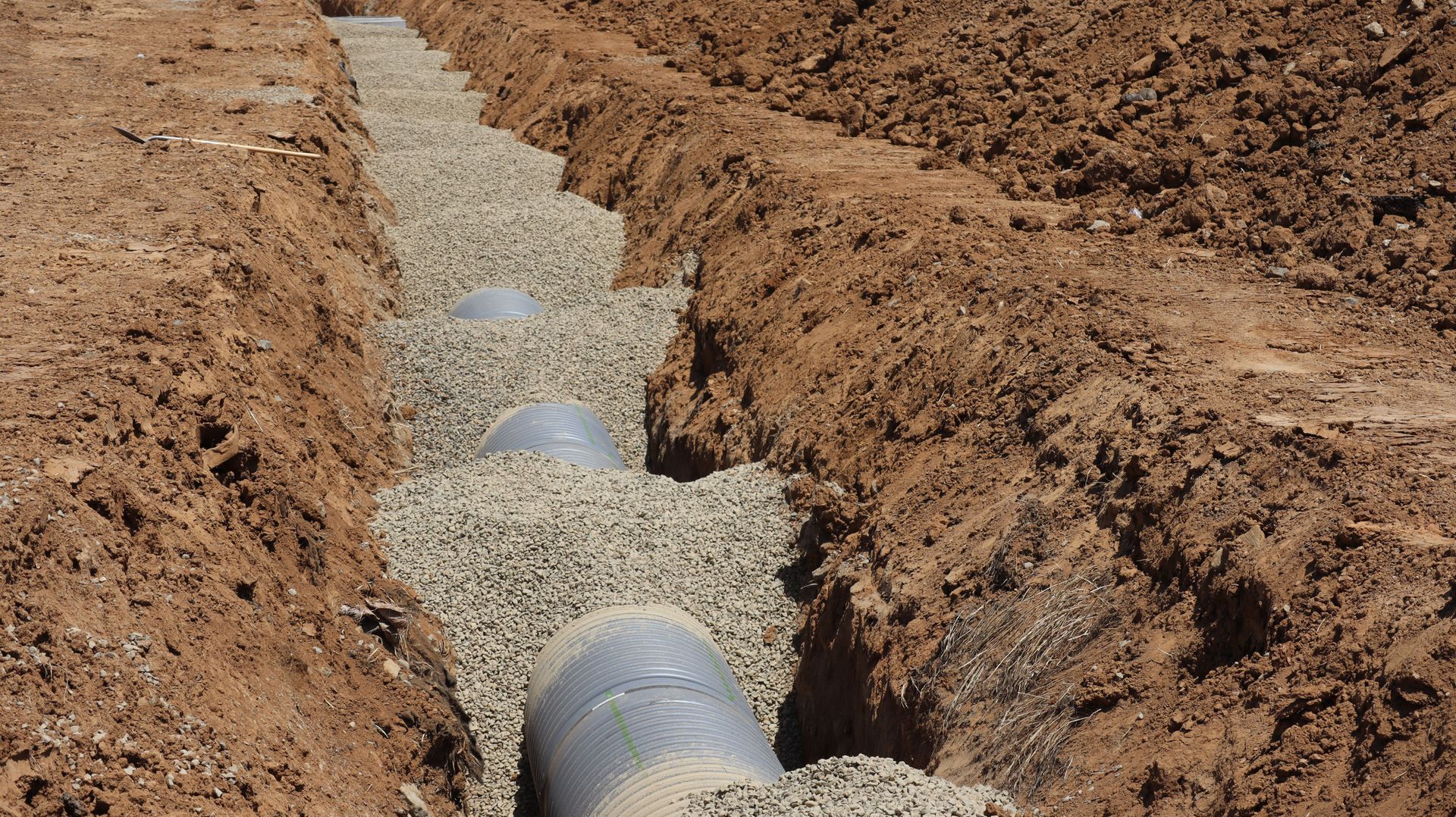
Bedding material creates consistent support beneath the pipeline. It allows the installer to maintain alignment and reduces concentrated pressure against the pipe wall.
In rocky ground, the trench may need to be excavated slightly deeper so suitable bedding can be placed beneath the pipe.
The extra depth is not wasted excavation. It creates the protective layer that separates the pipeline from damaging native material.
The same principle applies along the sides of the pipe. Proper material placement around the lower sides, often referred to as the haunch area, helps support the pipe and distribute loads.
If gaps are left beneath the pipe or unsuitable material is dumped against it, the pipeline may be exposed to movement, deformation, or damage during backfill.
Rocky Western Colorado soil makes this phase particularly important. Simply setting a pipe into a rough trench and covering it with the same coarse material can damage the pipe or its exterior protection.
7. Pipe joining and placement
The joining method depends on the pipe material and system. Common methods include:
- HDPE butt fusion
- HDPE electrofusion
- Steel welding
- Restrained mechanical joints
- Gasketed joints
- Flanged connections
Qualified personnel should follow the approved procedure for the specific pipe and project.
Once joined, the pipe must be lowered or placed without overstressing it, striking it against rock, damaging coatings, or contaminating open ends. Alignment, elevation, and support should be confirmed before initial backfill begins.
8. Testing and inspection
Testing requirements vary considerably. A project may require pressure testing, leak testing, flushing, disinfection, camera inspection, weld examination, fusion documentation, or survey verification.
Required inspections should be completed before critical work is covered. Discovering a problem after the trench has been fully backfilled and paved can make a correctable issue much more expensive.
9. Initial backfill
Initial backfill protects the pipe and helps establish uniform support.
Specified material is placed beneath, beside, and above the pipe as required. Large rocks, frozen soil, debris, and unsuitable wet material should not be dumped directly against the pipeline when prohibited by the project specifications.
Compaction methods must also protect the pipe from movement or damage.
10. Final backfill and compaction
The remaining trench is filled in controlled layers. Each lift should be compatible with the material, moisture conditions, equipment, and required density.
Compaction is especially important beneath:
- Commercial roads
- Parking lots
- Loading areas
- Concrete slabs
- Building sites
- Equipment yards
Poor trench compaction can leave a visible settlement line across a road or parking area long after the pipeline installation is complete.
11. Site restoration
Pipeline installation is not finished when the pipe is covered.
The contractor may still need to restore:
- Road base
- Asphalt or concrete
- Drainage channels
- Topsoil and vegetation
- Irrigation systems
- Fencing
- Access roads
- Commercial traffic areas
Restoration should be part of the original scope instead of an undefined cleanup item at the end.
Why HDPE Pipe Fusing Can Be Valuable
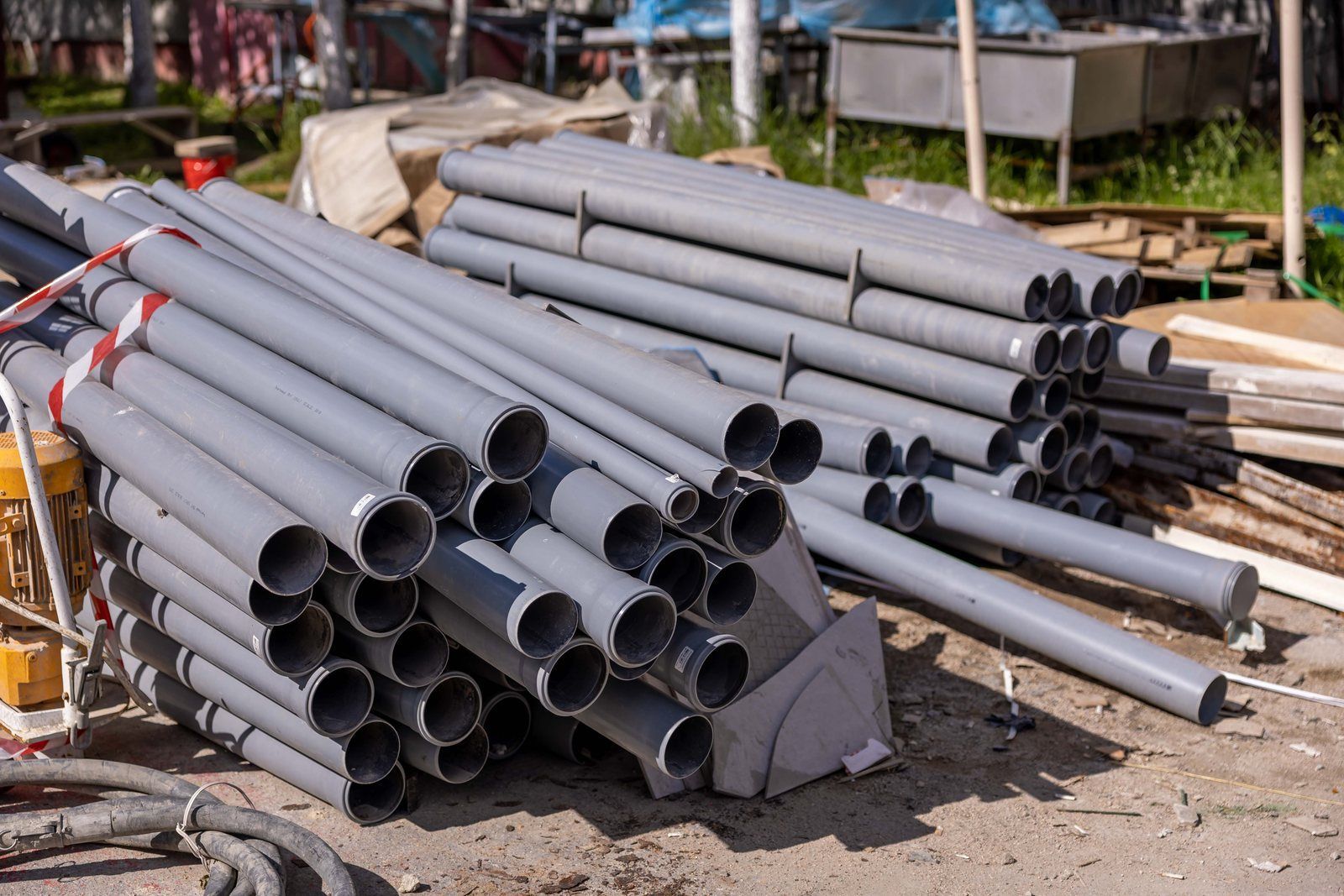
High-density polyethylene pipe is frequently used for water, irrigation, pressure sewer, and other suitable applications.
During butt fusion, prepared pipe ends are aligned, heated, and pressed together according to a controlled procedure. The joined pipe can then be installed as a longer continuous section.
Potential benefits include:
- Fewer buried mechanical fittings
- Corrosion resistance
- Flexibility
- Suitability for long runs
- A continuous joined system
- Good performance in many shifting-soil applications
Fusion quality depends on clean pipe ends, correct equipment, alignment, heating, pressure, cooling time, weather protection, and trained operators.
Able Excavation’s utility installation and repair services include HDPE fusing for qualifying gas, water, irrigation, and pressure-line applications. Final pipe selection and joining requirements should still follow the engineered project specifications.
Testing Before the Pipeline Is Covered
The type of testing depends on the system.
A pressure line may require hydrostatic or leak testing. A potable-water system may require flushing and disinfection. Gravity systems may require grade verification or camera inspection. Welded systems may require nondestructive examination.
Inspections and testing should be completed before critical sections are fully buried.
If a problem is discovered after the trench is backfilled and the surface is restored, the contractor may need to reopen the excavation, remove compacted material, and repair the finished surface again.
Testing before final backfill provides an opportunity to correct issues while the pipeline is still accessible.
Backfill and Compaction Protect the Pipeline and the Surface
Backfilling is not simply pushing excavated soil back into the trench.
The first material placed around and above the pipe is often specified to protect the pipeline. It should be placed carefully so it fills voids without shifting or damaging the pipe.
Large rocks, frozen material, debris, and overly wet soil may not be suitable near the pipeline.
Once the protective pipe zone is completed, the remaining trench is filled in controlled layers. Each layer is compacted before the next is placed.
This process is especially important beneath roads, parking lots, loading areas, and building sites. If the trench is not compacted correctly, it may settle after traffic and weather begin acting on it.
A poorly compacted utility trench often becomes visible as a long depression through pavement or gravel. That settlement can collect water, damage the surface, and require expensive repair.
Able Excavation’s compaction, grading, and trucking and hauling capabilities help support the full process, including removing unsuitable spoil and importing bedding, structural fill, or road base.
What Industrial Pipeline Installation Costs
You should be cautious with generic per-foot pricing.
Pipeline length matters, but it does not tell you how deep the trench is, whether the route crosses rock, how many utilities must be exposed, what pipe is being installed, or how the surface must be restored.
A shallow line through open soil may progress quickly. A pipeline through bedrock, groundwater, pavement, and an active industrial yard may move much more slowly even if the total length is shorter.
Your cost may be affected by engineering, permits, mobilization, excavation depth, trench protection, rock breaking, dewatering, pipe material, joining, testing, bedding, imported backfill, hauling, compaction testing, road crossings, and final restoration.
A useful estimate should explain its assumptions. It should also identify what could result in a price change, such as unexpected rock, contaminated soil, undocumented utilities, groundwater, or design revisions.
The goal is not to eliminate every unknown condition. The goal is to understand how those conditions will be documented, priced, and addressed.
An Able Excavation Perspective
On one ranch waterline project, Able Excavation responded to a failure that had saturated part of the surrounding ground.
The repair was not only about reaching the pipe. The crew had to manage wet soil, create a stable working area, control the limits of excavation, repair the line, and leave the property usable.
That same principle applies to larger commercial pipeline projects.
The pipeline may be the reason you open the ground, but the condition of the soil, access, drainage, hauling, and restoration determines how effectively the work can be completed.
A contractor who understands the entire site can respond to those conditions without losing sight of the finished result.
Questions to Ask Before Hiring a Contractor
Before accepting a bid, ask:
- Has the contractor handled this pipe material and diameter?
- Who is responsible for engineering?
- Who supplies the pipe and fittings?
- Who performs fusion, welding, or mechanical connections?
- Are specialized qualifications required?
- Who handles public and private locating?
- What trench-protection systems are planned?
- Is rock excavation included?
- Is dewatering included?
- What bedding material is specified?
- Who coordinates testing and inspection?
- Is unsuitable spoil hauled away?
- What compaction requirements apply?
- Are road crossings and restoration included?
- What documentation will you receive?
- Which conditions can result in a change order?
Final Takeaway
Commercial excavation services are a foundational part of industrial pipeline installation.
The pipe cannot be separated from the trench, bedding, backfill, compaction, roads, drainage, and property surrounding it. Each part of the site influences how the system is installed and how well the finished project performs.
When you involve an experienced excavation contractor early, you can evaluate access, route conflicts, material movement, rock, water, safety, and restoration before those issues become delays.
A successful project gives you more than a pipeline hidden underground. It gives you a properly supported system and a commercial site that remains stable, accessible, and ready for continued use.
Share this article
Recent Posts