why is land clearing for construction as important as the building itself

Admin • June 1, 2026

TL;DR

  • Site Clearance is not just cleanup. It is the stage that makes the rest of your project possible by removing vegetation, debris, obstructions, unstable surface material, and access problems before excavation and building begin.
  • If the site is not cleared correctly, you are more likely to deal with slower excavation, poor drainage visibility, access problems, trenching conflicts, compaction issues, and costly rework later.
  • Good site clearance supports everything that follows, including site preparation, home and building site work, utility installation and repair, drainage and landscape work, septic installation, trucking and hauling, and subdivision and road excavation.
  • For homeowners, landowners, builders, developers, ranch owners, and property managers in Colorado, proper site clearance improves safety, efficiency, and long-term site performance.
  • The best site clearing contractors do not just remove material. They think ahead about water movement, trench routes, building pads, haul access, and what the next trade needs from the ground.


If you are planning a project in Colorado, Site Clearance is one of the most important decisions you make before real construction starts. It is the step that turns raw, overgrown, cluttered, or uneven ground into a site that can actually support excavation, utilities, drainage, roads, pads, and structures.

Before your project reaches concrete, steel, framing, or finishes, it first has to reach a point where the land is open, stable, accessible, and ready to work. That is why site clearance deserves the same level of attention as the construction itself. 

What Site Clearance Actually Means


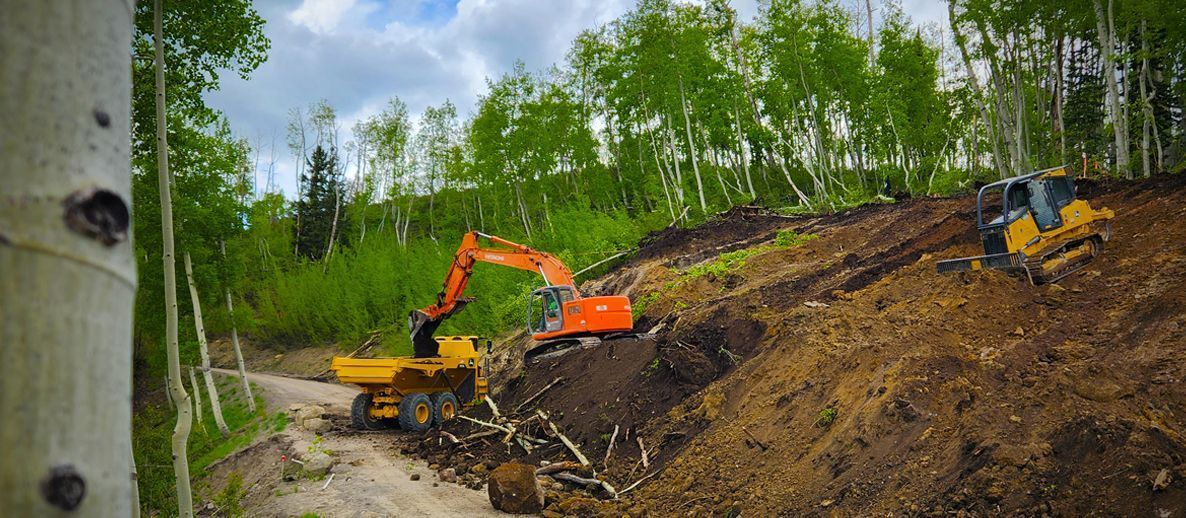
Site clearance in construction is the process of removing the physical obstacles that prevent a site from being safely and efficiently developed. That can include brush, trees, stumps, roots, debris, remnants of prior site use, unsuitable surface material, and access barriers. On a real project, it may also include rough shaping, haul route opening, and early evaluation of drainage and soft-ground conditions.


This is why site clearance is not the same thing as a simple property cleanup. Cleanup makes a site look better. Proper site clearance makes it buildable. It gives the surveyor visibility, gives the excavator room to work, gives the utility contractor a corridor to trench, and gives the general contractor a clearer understanding of how the site will behave once construction begins. Able Excavation’s site prep and homesite pages both frame the ground as the starting point of the entire project, not as a side issue.


Why It Matters So Much


When site clearance is handled well, the rest of the project usually becomes more predictable. When it is rushed or treated like an afterthought, the problems tend to show up later, when they are more expensive to fix.


The first reason it matters is access. If trucks, excavators, and crews cannot move efficiently, everything slows down. Able Excavation’s hauling page points out that a project is only as fast as its material supply chain. If the site is too cluttered, too soft, or too restricted for hauling and delivery, your schedule starts losing time before the important work is even underway.


The second reason is ground quality. Hidden roots, buried debris, and organic material can affect compaction and stability. That matters whether you are preparing a homesite, trenching for utilities, or building a road base. Able’s home and building sites page emphasizes precise grading, compaction, and drainage because the work done at ground level protects everything built on top of it.


The third reason is visibility. Once the site is opened up, you can see water paths, low spots, likely trench routes, pad limits, and access challenges much more clearly. That is where good site clearance starts overlapping with drainage and landscape planning, because the site often reveals its real drainage problems only after the vegetation and clutter are gone. 

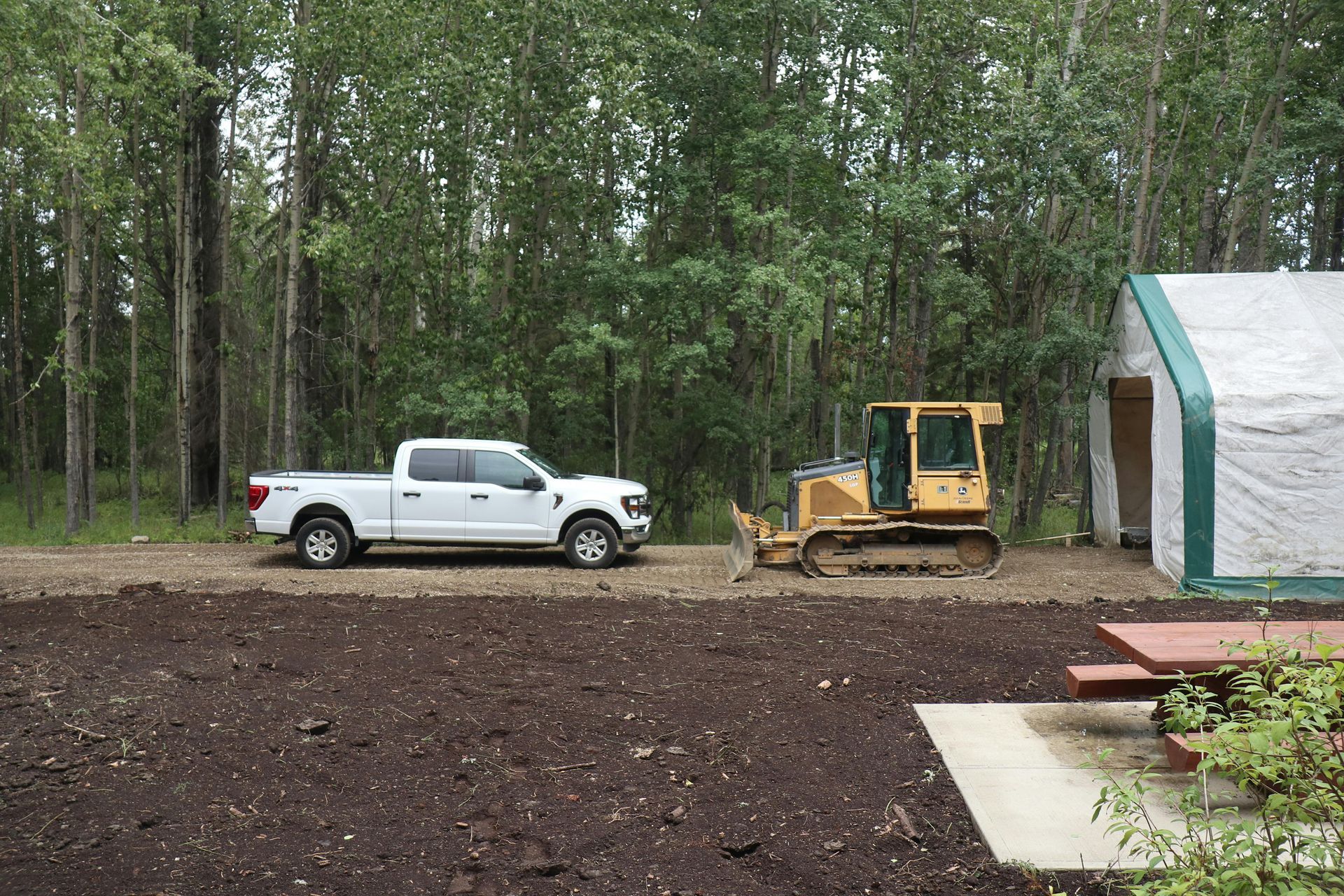
White pickup and yellow bulldozer parked beside a shed in a wooded yard after rain

An Expert Perspective That Gets to the Point


As Able Excavation puts it, “a well-prepared site makes every subsequent trade’s job easier and protects your investment for decades.”


That is exactly the point of site clearance. You are not just removing what is in the way today. You are making the next phases cleaner, safer, and more accurate.


How Site Clearance Connects to the Rest of the Job


Site preparation and building pads


Site clearance is often the true beginning of site preparation. Able Excavation describes site prep as including land surveying, vegetation clearing, soil-related evaluation, grading for drainage, and excavation for foundations and utilities. In other words, site clearance is not outside the prep phase. It is part of the prep phase.


Homesites and foundation excavation


If you are building a home, shop, or commercial structure, the cleared site gives you a better starting point for pad placement and foundation excavation. Able’s homesite page highlights homesite preparation, foundation excavation, driveway construction, lot grading, drainage, backfill, and compaction as connected scopes. That only works well when the site is opened correctly from the start.


Utility trenching


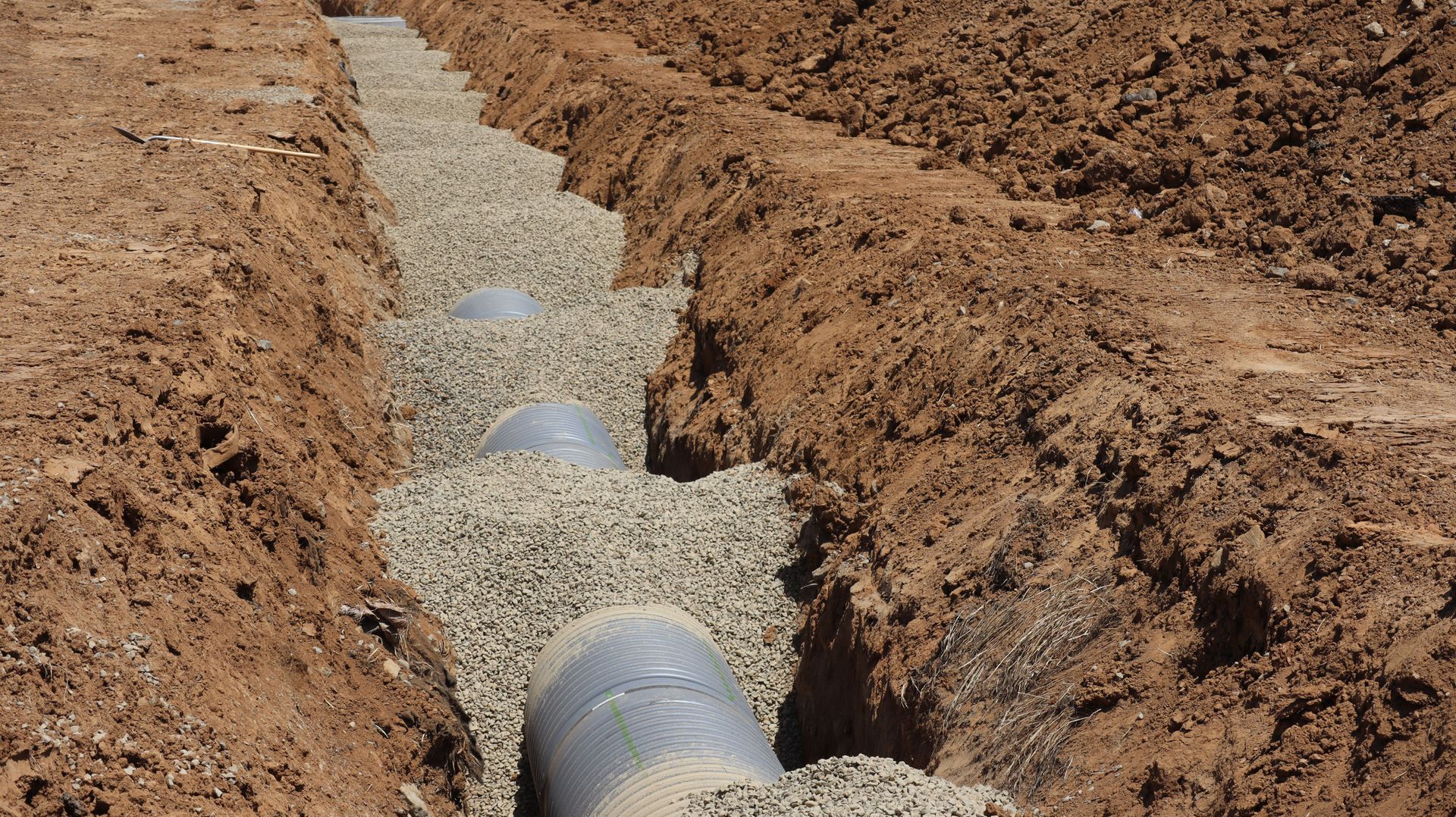
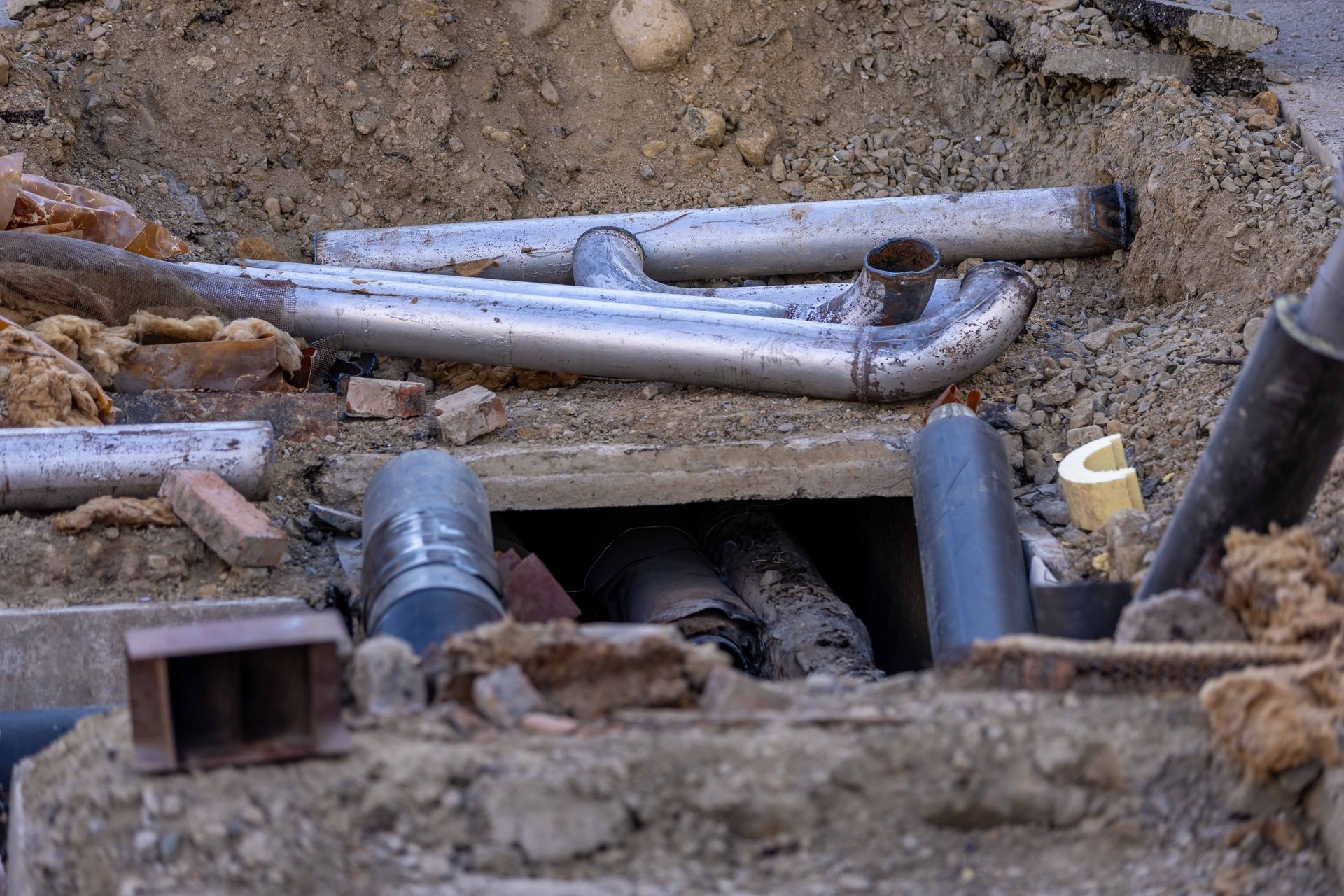
A cluttered site makes trenching harder than it needs to be. Able’s utility installation and repair page notes trenching and installation for water, sewer, gas, and conduit, along with HDPE pipe fusing and sewer camera inspection. Utility work depends on clean alignments, workable access, and the ability to trench safely and accurately. Site clearance helps create those conditions.


Drainage correction


Able’s drainage page emphasizes understanding how water moves, how soil behaves, and how to shape terrain in a way that works with the land. That becomes easier after site clearance, because low spots, runoff channels, and soft areas become easier to identify and correct. On many projects, site clearance is the step that reveals where drainage work actually needs to happen.


Septic installation


If your project is rural or outside municipal sewer service, septic planning has to fit into the site plan early. Able Excavation states that septic systems are among the most critical and regulated components of a property and that correct installation depends on compliance, soil conditions, and sound execution. Site clearance can help preserve the best usable area for the tank, lines, and field rather than forcing the septic layout into whatever space is left over later.


Hauling and road prep


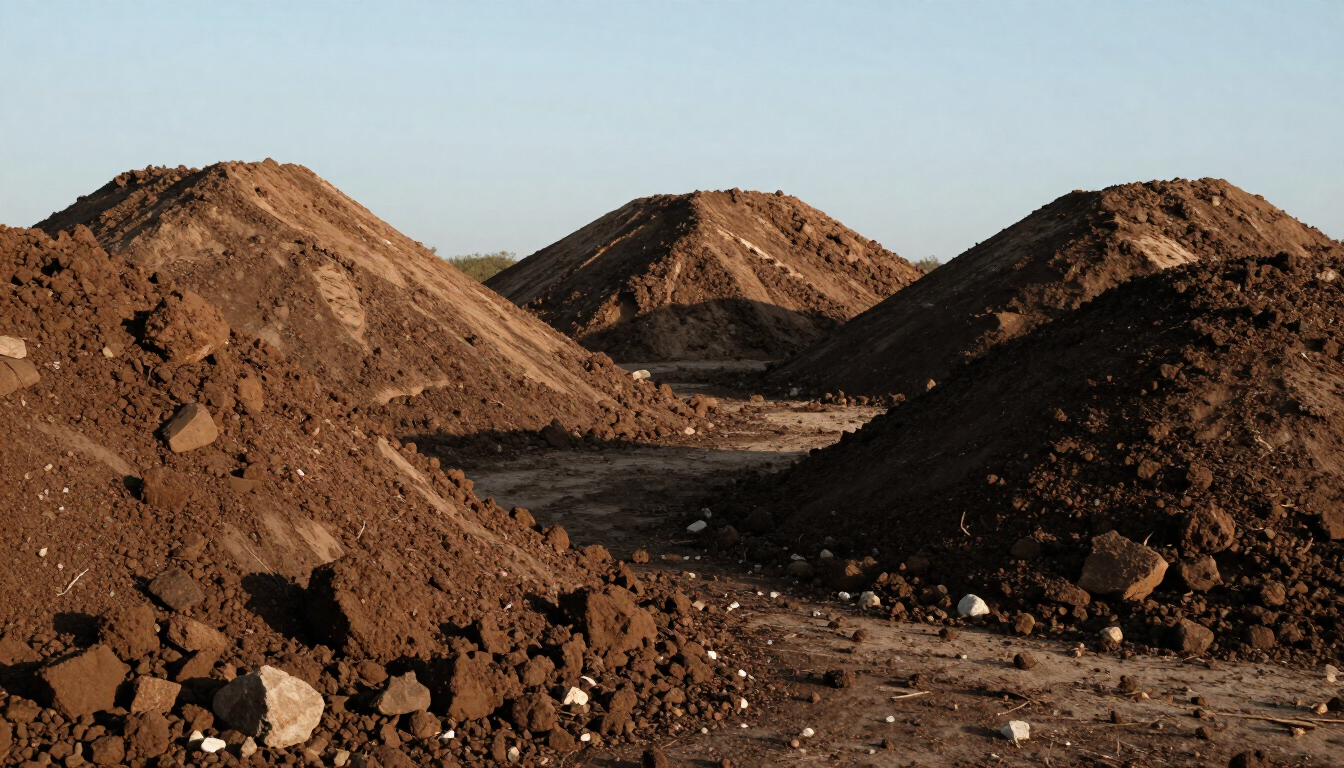
Clearing a site almost always creates material that has to go somewhere. Brush, stumps, debris, spoils, and stripped material often have to be hauled off, while gravel, base, and fill may need to be brought back in. That is why trucking and hauling and subdivisions and roads fit naturally into the same conversation. Road access, staging, and material movement all depend on a site that is properly opened first.

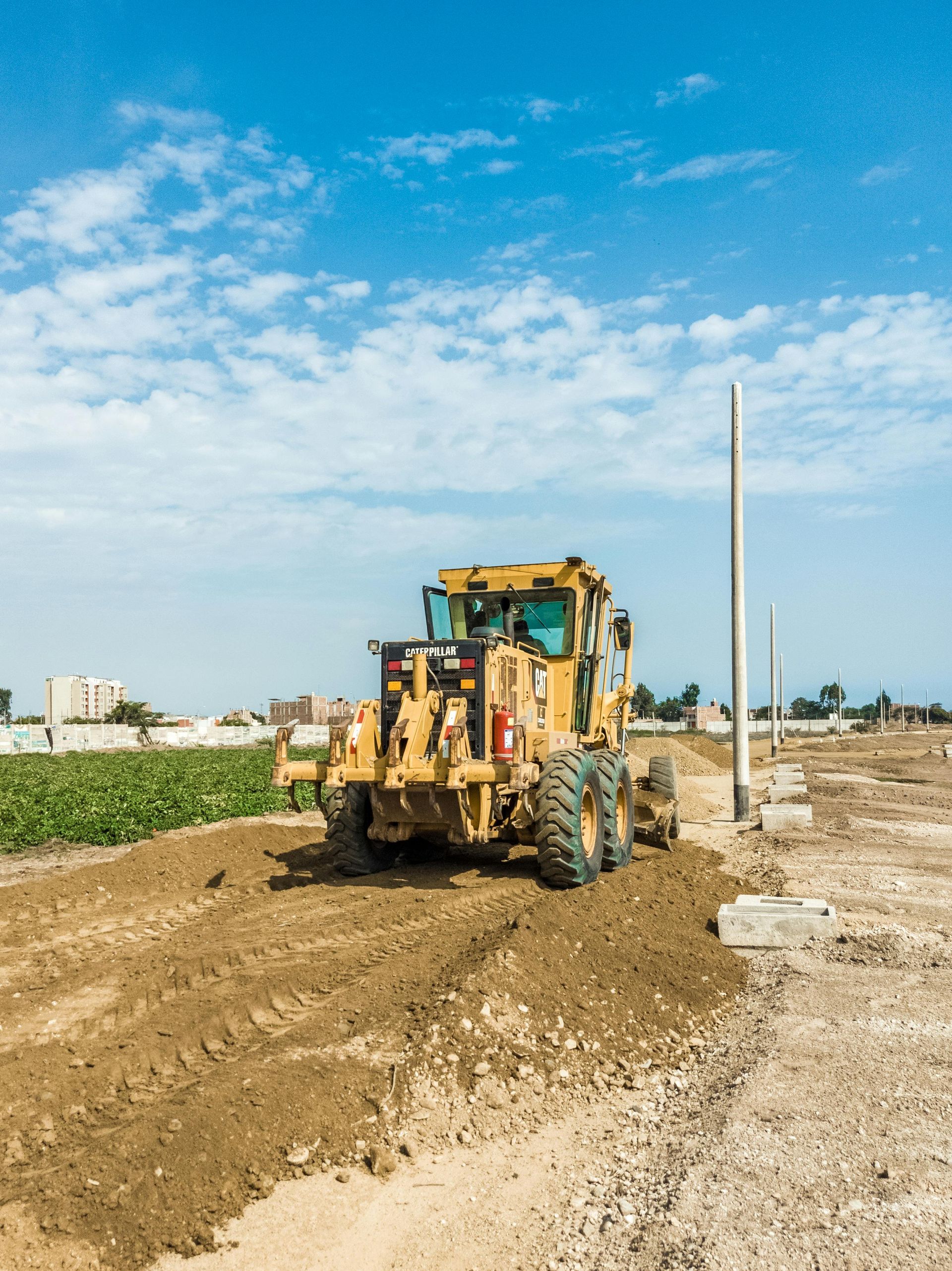
Yellow construction loader on a dirt road in a rural field under a blue sky.

A Colorado Springs Example


To illustrate how this plays out in the field, picture a representative scenario like the kind Able Excavation is built to handle.


A general contractor is preparing an industrial development in Colorado Springs. The structure itself is still ahead, but the job cannot get there until the pad area, utility corridors, and haul access are workable. The site has overgrowth, uneven ground, leftover debris from prior use, and several sections that stay soft after weather. The contractor does not just need brush removed. They need the land turned into a real jobsite.


In a situation like that, the value of site clearance is not in how quickly material disappears. It is in how the clearing is sequenced. Vegetation and debris come out first. Access routes are opened for trucks and equipment. Soft or unsuitable material gets identified early. Drainage patterns become visible.


The future pad and trench zones become easier to evaluate. That gives the GC a better handoff into grading, utility work, and foundation prep.

That is the difference between clearance as cleanup and clearance as construction strategy.


What Usually Affects Cost


Site clearance costs vary because the work is heavily driven by conditions on the ground. Dense brush is different from mature trees. Clean acreage is different from a parcel with old fencing, rubble, buried debris, and poor access. A lightly overgrown homesite is different from an industrial pad with staging needs and truck traffic.

The main cost drivers are usually:

  • site size
  • vegetation density
  • stump and root removal
  • debris volume
  • terrain and slope
  • haul access
  • disposal distance
  • whether grading, drainage, trenching, or road prep are included too

Bundling scopes can often improve efficiency. If the same contractor is handling clearing, grading, haul routes, drainage adjustments, and the next phase of excavation, the project tends to move with less duplication and fewer handoff problems. Able’s service structure strongly reflects that full-scope approach.


What You Should Look For in a Contractor


You want a contractor who understands more than removal. You want one who understands sequence.

That means someone who can look at the site and think through:

  • where equipment will enter and stage
  • where water will go once the ground is opened up
  • how the next trade will use the site
  • whether utility routes make sense
  • how the pad or road corridor should be protected
  • what material must be hauled off and what should be brought in later

Able Excavation’s live site makes clear that its work is organized around connected excavation scopes, not one-off tasks. That is a good model to follow when you evaluate any site clearing contractor. The best results usually come from a team that sees site clearance as the beginning of site development, not the end of a cleanup job.


Final Thoughts


If you are a homeowner, landowner, ranch owner, developer, builder, or property manager in Colorado, site clearance deserves more respect than it usually gets. It is one of the earliest decisions that shapes safety, access, drainage, compaction, trenching, haul efficiency, and long-term site performance.


When it is handled correctly, it gives the rest of the project a clean start. It supports smarter site preparation, more accurate home and building site work, cleaner utility installation and repair, better drainage and landscape work, more reliable septic installation, smoother trucking and hauling, and stronger subdivision and road excavation. In that sense, site clearance is not just important before construction. It is part of construction. 
Share this article

Recent Posts

Worker in blue overalls and yellow boots in a wet concrete pit with rebar mesh and pipes.
By Admin May 26, 2026
Learn how dewatering works, why it matters for Colorado construction projects, and how it helps protect excavation, utility trenching, pads, roads, and schedules.
Rows of gray pebbles separated by vertical metal bars, viewed from above
By Admin May 20, 2026
How deep to dig a French drain in Colorado depends on slope, soil, and drainage goals. Learn when you need one and how proper excavation helps protect your project.
Archaeological excavation site with trenches and exposed earth under a cloudy sky.
By Admin May 18, 2026
Professional land clearing contractors in Western Colorado offering site prep, drainage, septic prep, utility trenching, hauling, road prep, and excavation services.
Large engineered retention pond in a Western Colorado landscape.
May 13, 2026
Learn the essentials of retention pond construction in Western Colorado. Explore benefits, regulations, and maintenance for effective stormwater management.
Professional underground utility installation in Western Colorado terrain.
May 13, 2026
Learn everything about underground utilities construction in Western Colorado. This guide covers trenching, site development, and local excavation tips for 2026.
Excavated earthen trenches and rectangular pits at an archaeological dig site in a barren landscape
May 7, 2026
Discover what makes excavation in Montrose CO unique. Learn about Mancos Shale challenges, site preparation, and professional septic installation in Western Colorado.
Heavy machinery clearing land in Western Colorado.
May 4, 2026
Learn what land clearing contractors do and how they help property owners in Western Colorado prepare land for construction, farming, and fire safety.
A residential water meter box located in a yard near the street.
April 27, 2026
Learn how to find your main water shutoff valve quickly to prevent damage. Our guide covers residential and commercial properties in Western Colorado.
Professional excavation for water main repair in Western Colorado.
April 27, 2026
Dealing with a water main break? Learn the immediate steps to take, who to call in Western Colorado, and how to prevent future pipe damage on your property.
Professional site preparation and excavation services in Western Colorado.
April 24, 2026
Learn what site preparation is in construction and why it is critical for success. Discover the benefits of professional grading and site prep in Western Colorado.
Show More