A Montrose Custom Home
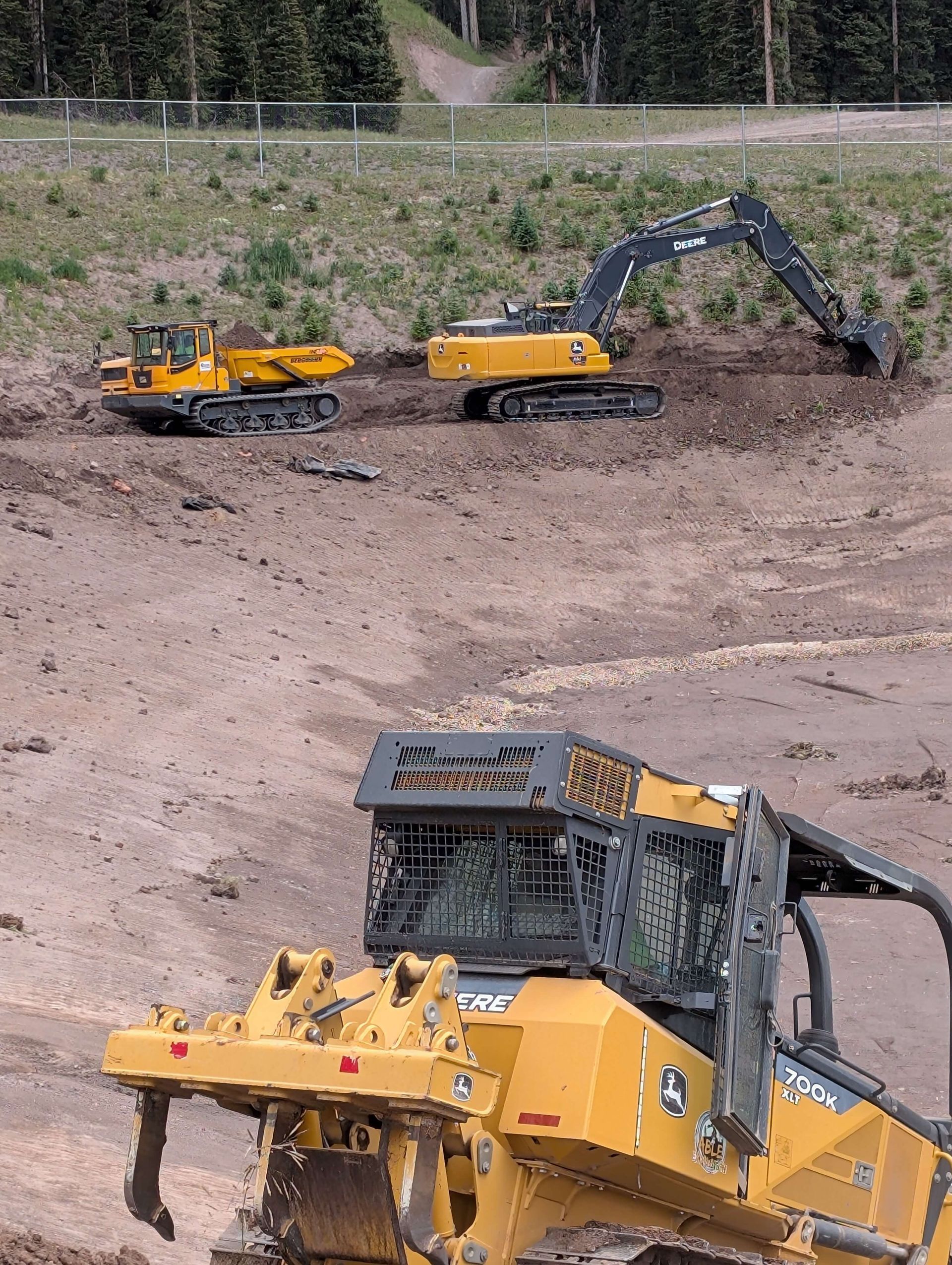
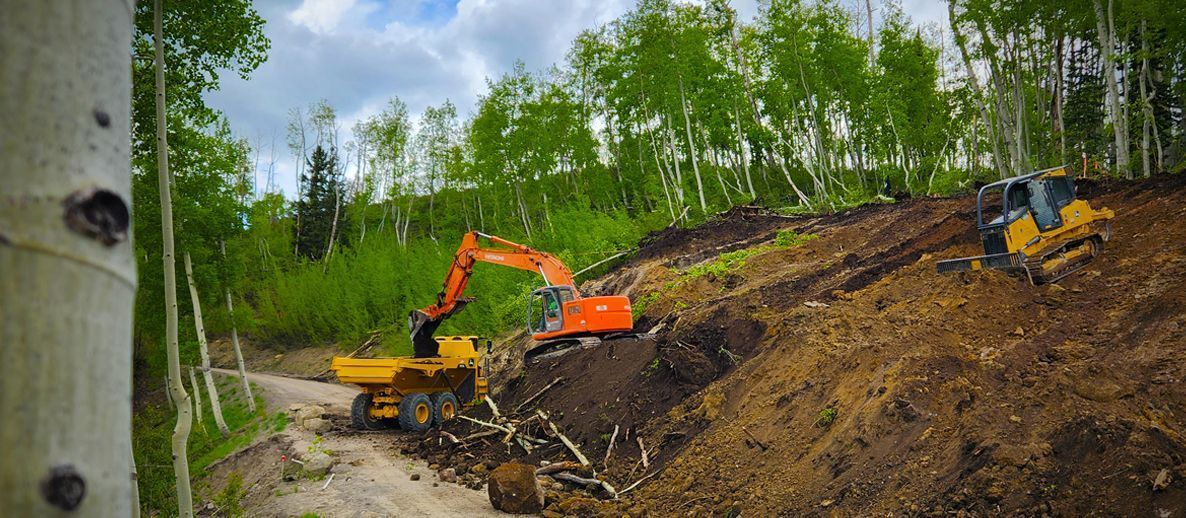
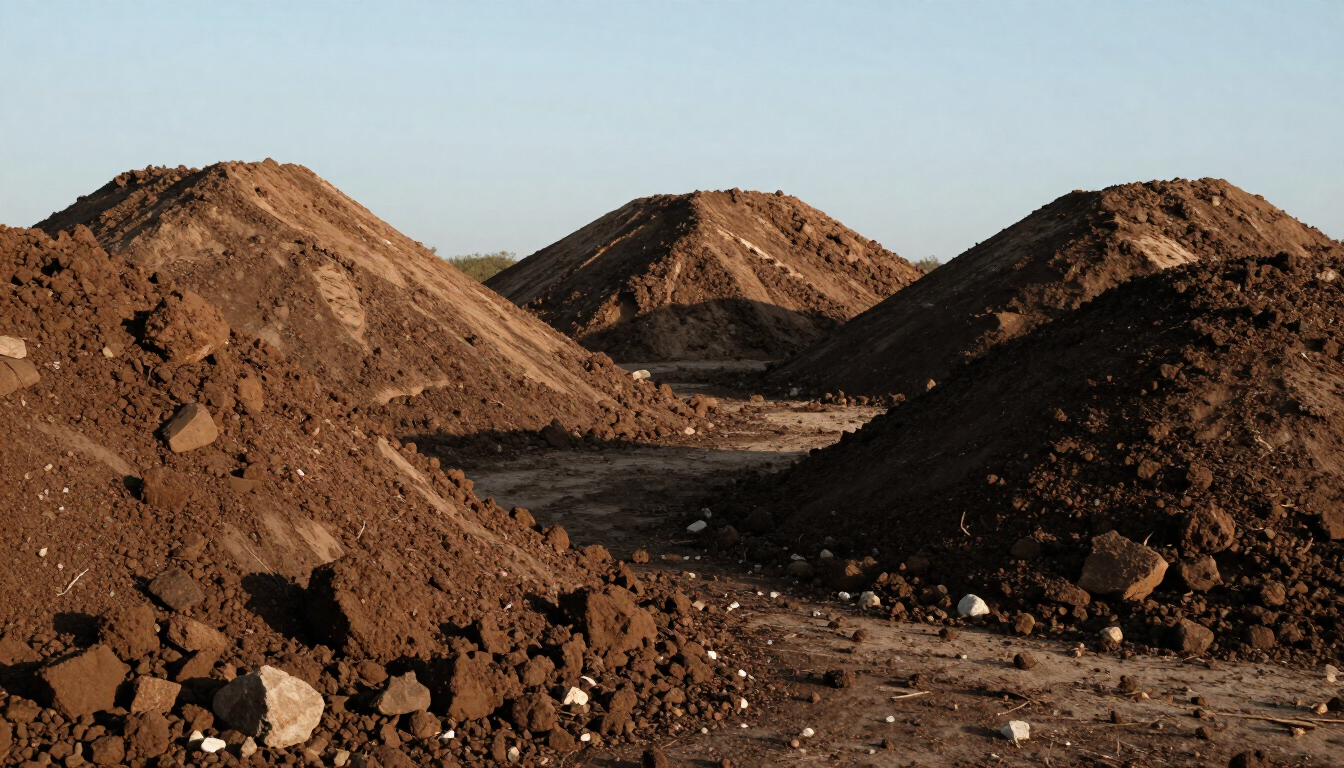
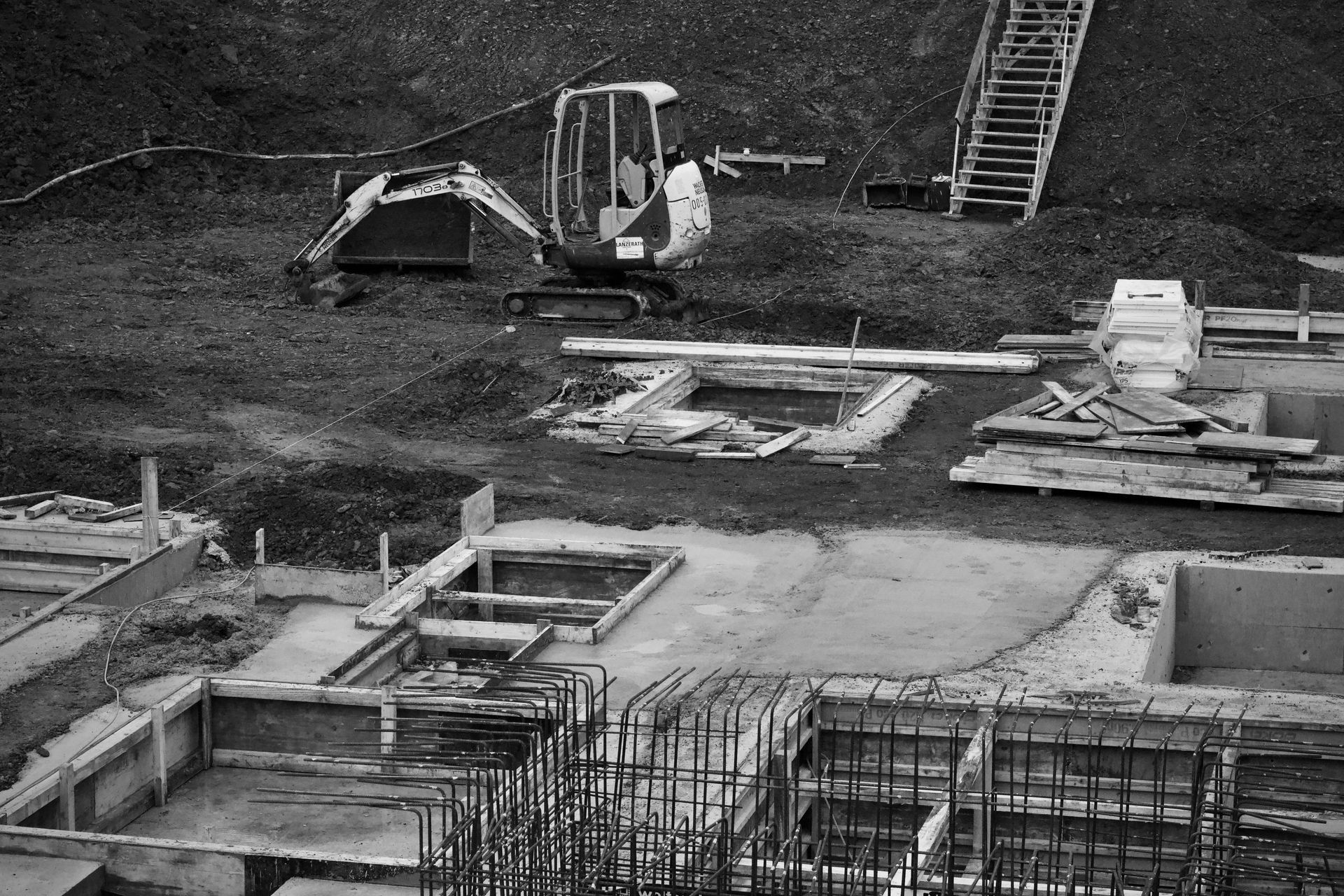
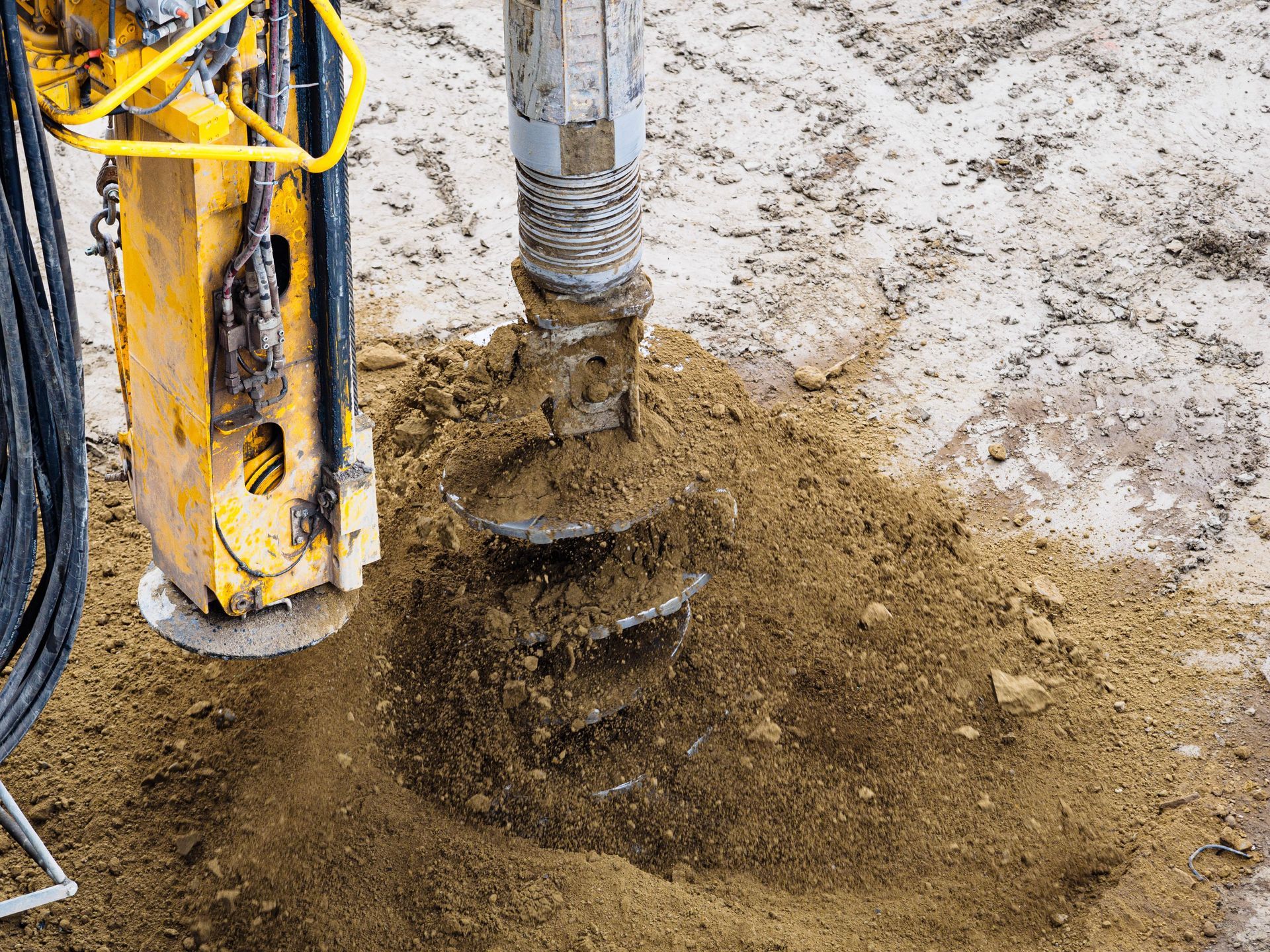
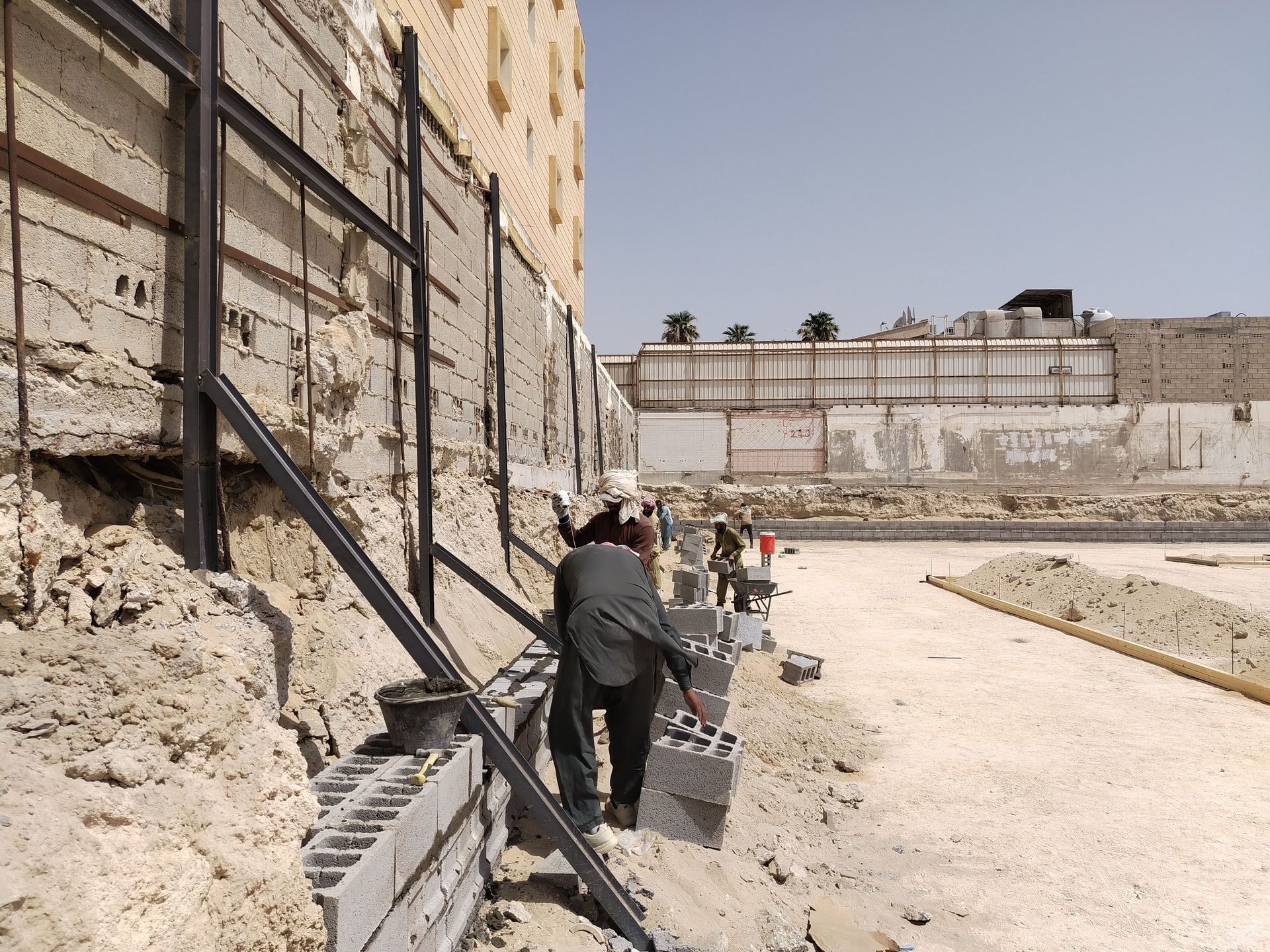
A custom-home Project Able Excavation handled. a general contractor in Montrose was preparing a high-end home on a gently sloped lot. The pad excavation looked good on paper, but once early grading exposed the natural runoff pattern, it became obvious that water from the uphill side would concentrate near the future garage apron and foundation wall.
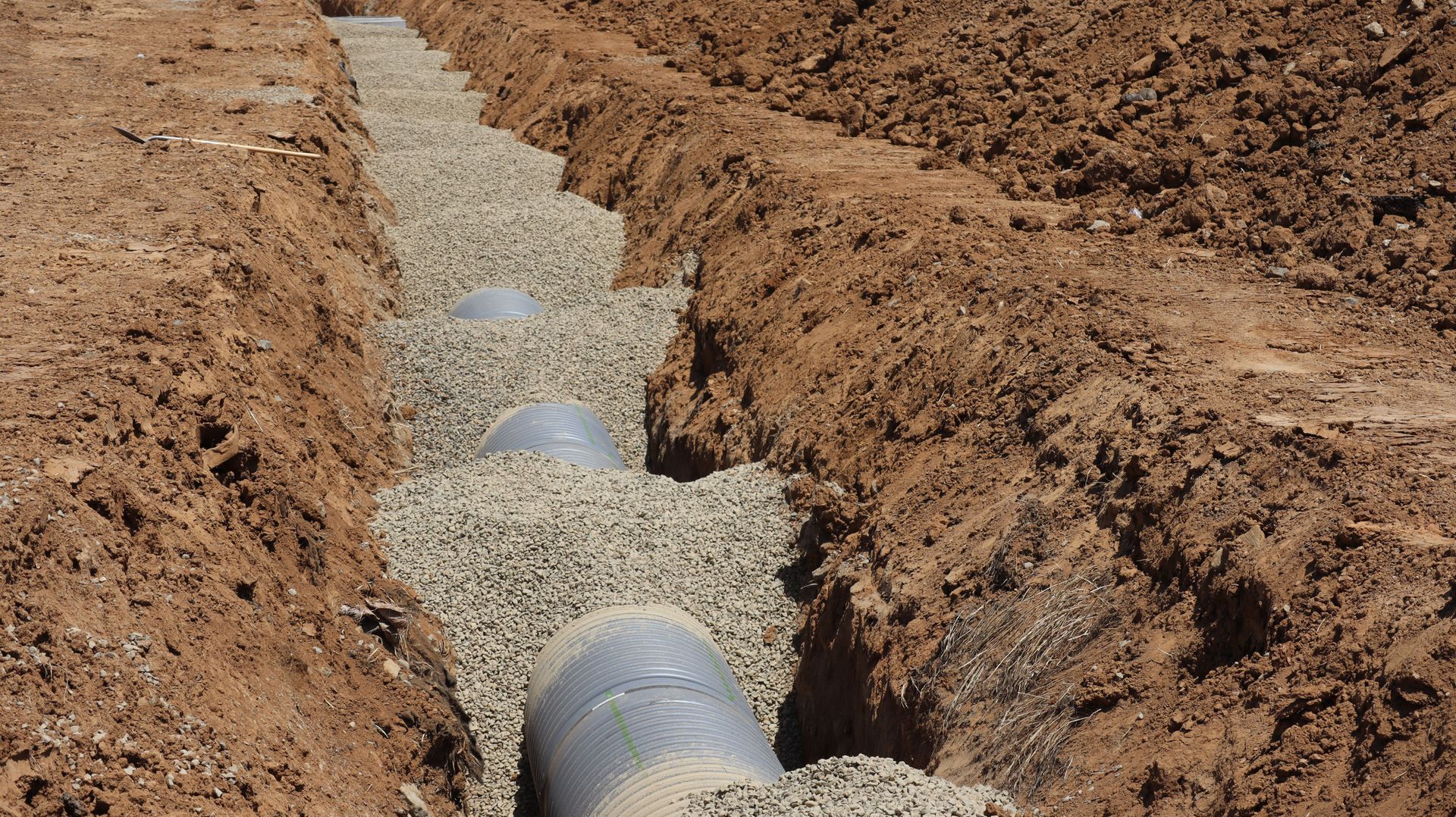
In that type of project, a French drain is not a decorative upgrade. It becomes part of the protection plan for the home. The smarter move is to intercept the water upslope, give it a controlled path, and tie that system into the final grading so the pad, driveway, and foundation are all working together.
That is also where an excavation-minded contractor helps more than a purely decorative landscape approach. The drain depth has to fit the pad elevation, the driveway base, the outlet path, and any nearby underground utilities. If you solve only one of those pieces, the water usually finds the next weak point.
What Actually Determines the Right Depth
1. The source of the water
If you are intercepting shallow surface runoff in a yard, you may not need a very deep trench. If you are trying to protect a lower foundation edge, retaining area, or below-grade condition, the drain often needs to relate to that structure’s depth, not an average you found online. NDS specifically notes that foundation and retaining-wall conditions can require deeper drainage than ordinary yard jobs.
2. The available slope
The trench has to fall from a higher point to a lower discharge point. Home Depot’s general installation guidance calls for at least a 1 percent slope, and Polyguard’s foundation drainage guide discusses maintaining slope away from the foundation as part of proper water management. If the site does not give you fall, depth decisions become constrained quickly.
3. Soil conditions
Clay soil is a common reason drainage problems linger. NDS notes that clay holds water well and that fine particles can clog a poorly protected French drain system. Polyguard similarly notes that clay soils may require additional drainage systems because they do not drain as quickly as sandy soils.
4. Utilities and septic layout
If your project includes
utility installation and repair or
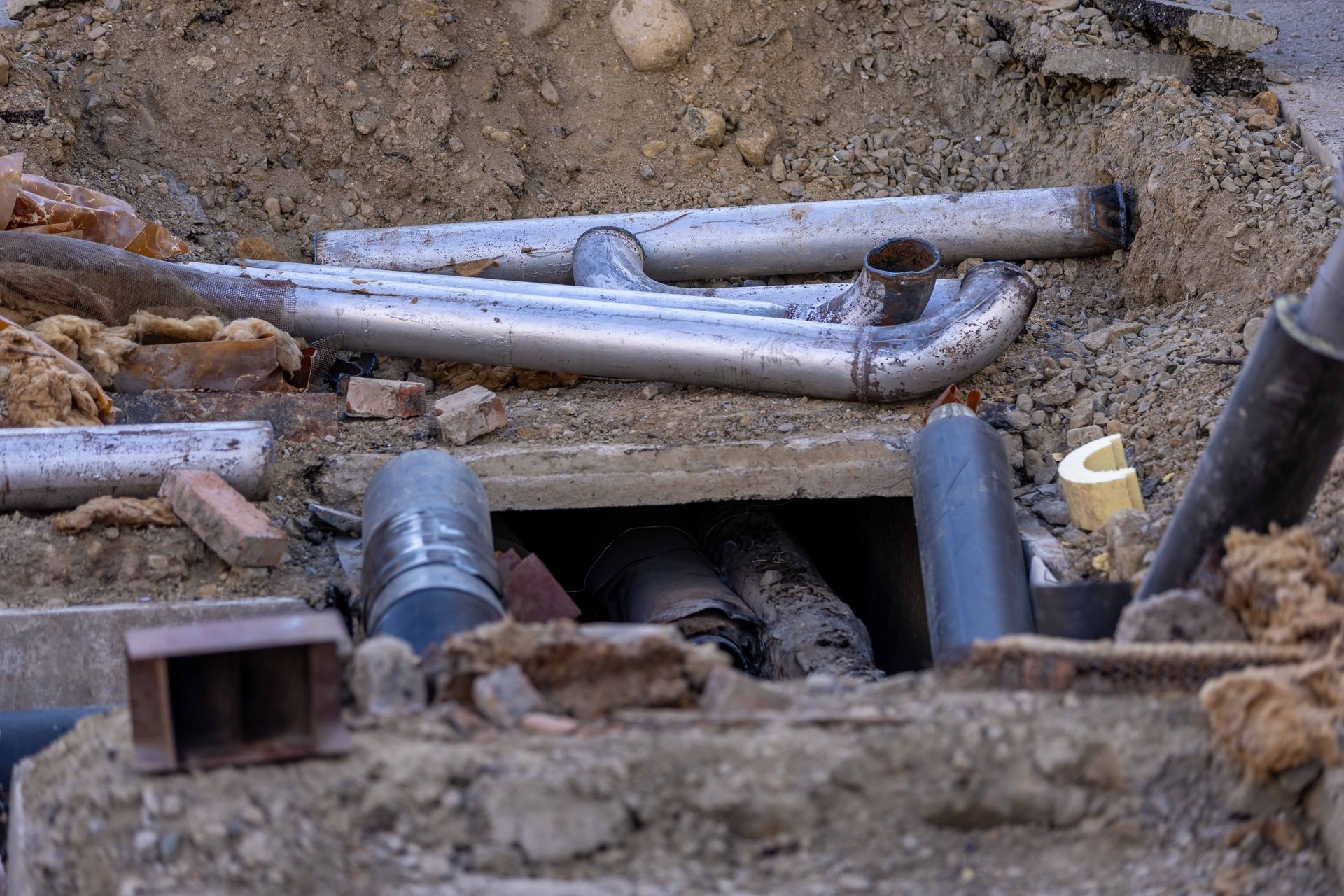
septic installation, the French drain cannot be treated like a separate afterthought. Able Excavation’s utility page highlights trenching for water, sewer, gas, and conduit, while its septic page emphasizes layout, soil conditions, and code-correct installation. Drainage planning has to respect those systems.
5. The discharge location
A French drain is only as useful as its outlet. Water has to daylight safely, enter another approved drainage system, or reach a location where it will not create erosion or simply move the problem downhill. Both NDS and Polyguard stress that drainage design must account for where the water goes, not just where it is collected.
Why This Should Be Planned With the Rest of the Site
If your Colorado project includes site preparation, foundation excavation and pad work, driveway construction, drainage and landscape work, trucking and hauling, or subdivision and road infrastructure, drainage should be addressed while the site is open and equipment is already mobilized. Able’s current service pages are built around exactly that kind of connected site-development workflow.
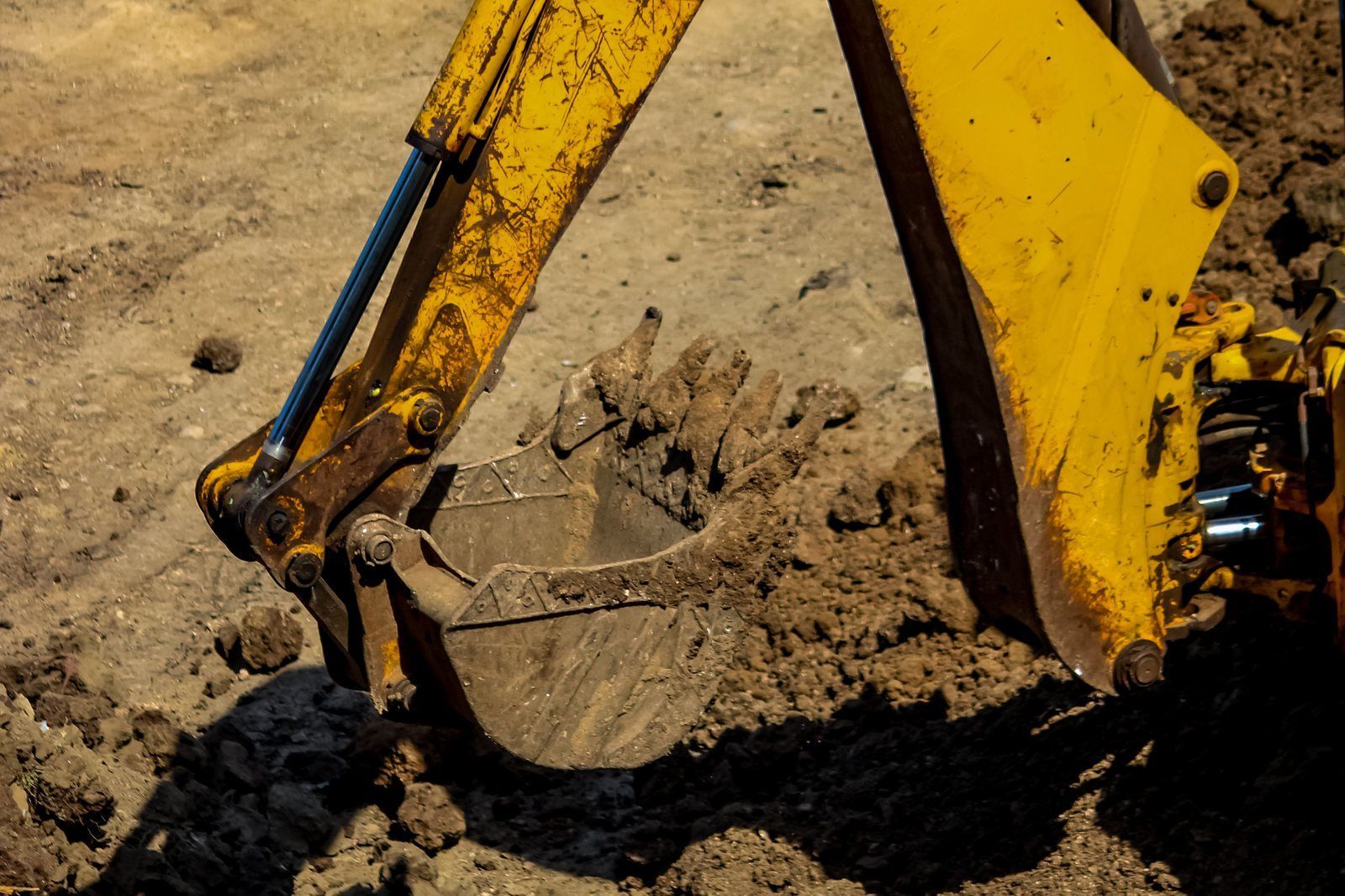
This matters because French drains often need trenching, washed rock, filter fabric, pipe, spoil removal, and finish grading. On a custom home or rural-property project, it is usually more efficient to coordinate that work with the broader excavation plan rather than bolt it on later after the driveway, utilities, and pad elevations are already fixed.
Common Mistakes to Avoid
One of the biggest mistakes is digging to a generic number without diagnosing the site. Another is building a trench with too little slope. A third is forgetting that the water needs a real outlet. NDS and Home Depot both make clear that slope and discharge are essential to performance, not optional details.
You also want to avoid digging blindly. Home Depot’s guide reminds property owners to contact utility locators before trenching, and Able Excavation’s utility page makes it clear that underground infrastructure can include water, sewer, gas, and conduit in the same work area. If your project includes buried systems, guessing is expensive.
Final Takeaway
If you are trying to decide
how deep to dig french drain, the most honest answer is this: dig it deep enough to intercept the problem water, maintain consistent fall, protect what matters, and discharge safely, but not according to a one-size-fits-all number. For many simple yard problems, that may be around 18 inches. For foundation-related work, retaining areas, or more complex sites, the right answer may be deeper and more tied to the overall excavation plan.
If your project in Colorado involves drainage, pad prep, utilities, septic, hauling, or road access, you will usually get a better result by looking at the whole site together.